Laily UPN
In a landmark enforcement action that signals a tightening regulatory grip on the gig economy, New York City officials have announced that DoorDash will pay $131.5 million to resolve claims of systemic wage theft and violations of local labor protections. The settlement, which stems from an extensive investigation by the New York Department of Consumer and Worker Protection (DCWP), marks a significant victory for labor advocates and sets a high-stakes precedent for how platform-based companies must compensate their workforce.
The massive payout will provide direct financial restitution to more than 260,000 delivery workers, many of whom have long reported issues with missing, late, or miscalculated earnings. The agreement not only addresses past grievances but also mandates a rigorous three-year oversight program to ensure future compliance with the city’s landmark minimum wage laws.
The Core Conflict: Wage Theft and Algorithmic Discrepancies
At the heart of the settlement is a fundamental disagreement between the city’s labor regulators and the logistics giant regarding the classification of "on-call" time. Under New York City’s pioneering delivery worker laws, platforms are required to pay couriers for time spent logged into the application, awaiting incoming orders. This "on-call" time is considered compensable labor, as it restricts the worker’s freedom to pursue other activities while remaining available to the platform.
DoorDash, however, had initially employed a proprietary methodology for calculating these wages that the DCWP found to be in direct violation of the spirit and letter of the law. Specifically, the company’s internal algorithms often failed to properly credit workers for time spent online between deliveries. While DoorDash publicly maintained that its initial approach was "fair, practical, and legal," the company ultimately opted to concede to the city’s interpretation rather than risk a protracted and potentially damaging legal battle.
The settlement allocates over $83 million specifically to resolve this dispute over on-call pay, while the remainder of the $131.5 million covers civil penalties and compensation for other instances of missing or late payments.
Chronology of the Investigation and Enforcement
The road to this $131.5 million settlement was paved by months of scrutiny by the DCWP, prompted by a wave of complaints from delivery workers regarding pay instability.
- Initial Complaints: Throughout the post-pandemic period, delivery workers in New York City began reporting consistent discrepancies between the hours they spent on the app and the wages reflected in their pay stubs.
- The DCWP Inquiry: The New York Department of Consumer and Worker Protection launched a formal investigation into DoorDash’s pay practices. The inquiry focused on the company’s failure to adhere to the city’s minimum pay standards, which were designed to ensure that gig workers earn a living wage regardless of the fluctuations in order volume.
- Algorithmic Scrutiny: Investigators scrutinized the "black box" nature of DoorDash’s payment software. They identified technical errors in how the app processed deliveries that spanned municipal boundaries, involved multiple drop-off locations, or resulted in cancellations—situations where the software often failed to trigger correct wage calculations.
- Settlement Negotiations: Recognizing the mounting legal pressure and the potential for public relations fallout, DoorDash entered into negotiations with the city. The resulting agreement was finalized this month, requiring the company to pay out significantly more than the initial underpaid amounts.
- Implementation of Oversight: With the settlement signed, the focus now shifts to a three-year compliance monitoring program. DoorDash is now required to provide the city with monthly data audits to ensure that the algorithmic changes made to their platform are correctly reflecting worker earnings.
Supporting Data and Worker Impact
The scale of this settlement is commensurate with the sheer volume of workers affected. With over 260,000 delivery workers eligible for compensation, this is one of the largest wage-related settlements in the history of the gig economy.
According to city officials, the compensation structure is designed to be punitive enough to discourage future violations while ensuring workers are made whole. Affected couriers will receive approximately 200 percent of the amount they were originally underpaid. This "double-damages" approach serves as a powerful deterrent against wage-withholding practices, signaling to other platforms that the cost of non-compliance far outweighs the cost of building transparent, fair payment systems.
Furthermore, the settlement has spurred a secondary wave of civic innovation. Organizations such as the Workers’ Algorithm Observatory and the Workers’ Justice Project are currently developing open-source software tools. These tools are designed to empower workers to independently track their own data, cross-referencing their logs with the information provided by DoorDash. This decentralized monitoring system acts as a digital watchdog, providing a layer of transparency that the platform itself has historically struggled to provide.
Official Responses and Corporate Accountability
The response from DoorDash has been a blend of technical explanation and an admission of systemic failure. In a statement released on their website, the company cited "technical errors" as a primary culprit for the pay irregularities. They noted that the complexities of urban logistics—specifically, deliveries that were partially fulfilled or cancelled—often overwhelmed their automated payment systems.
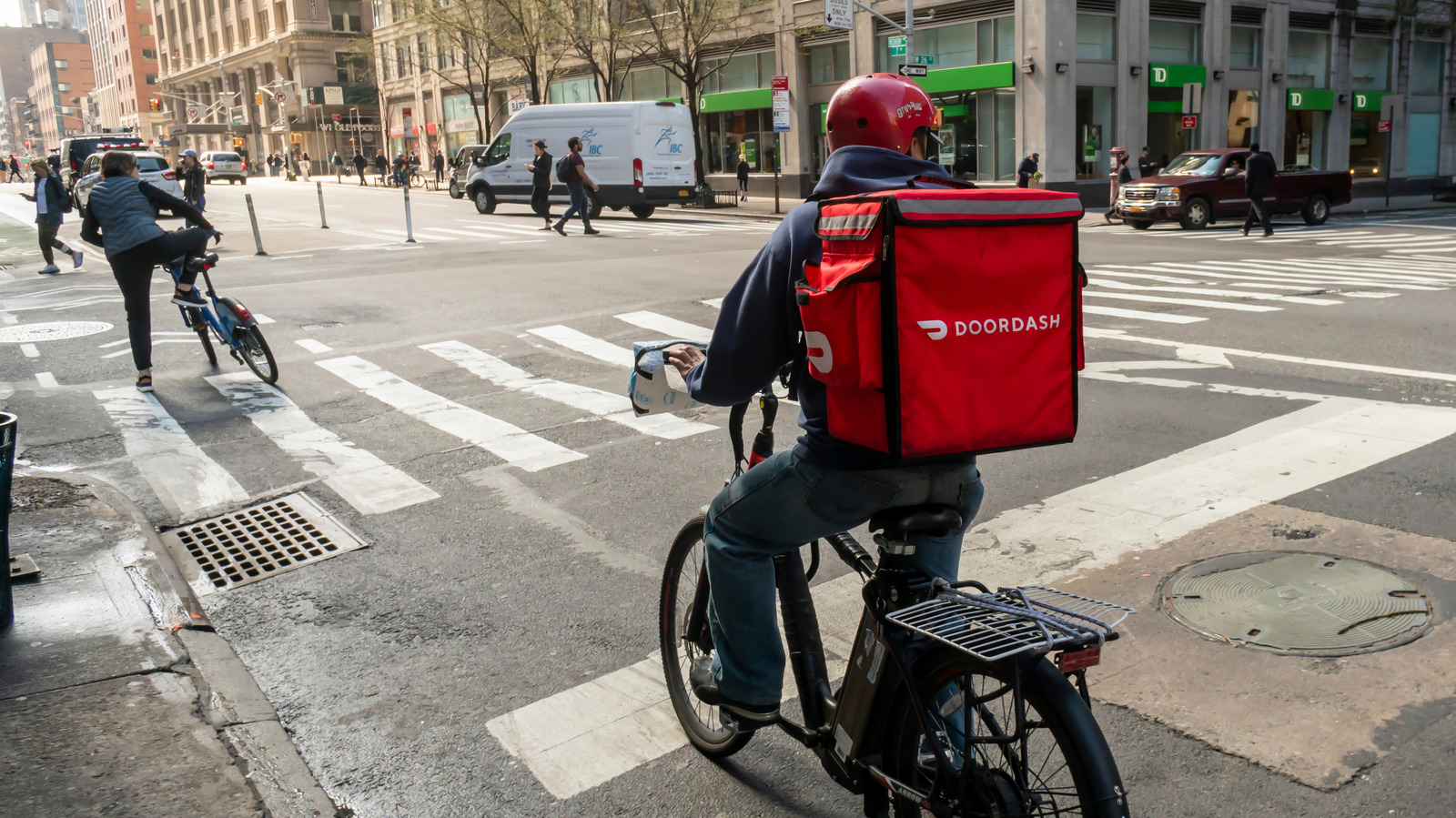
"We screwed up," a spokesperson for the company effectively admitted, acknowledging that the systems in place were insufficient to meet the specific legal requirements of the New York City market. While the company maintains that it did not intentionally deprive workers of their wages, it has committed to internal reforms. This includes updating the app’s architecture to ensure that no delivery offer can be presented to a worker unless the platform has verified that the courier will be compensated for both trip time and on-call time.
On the other side of the aisle, NYC officials have hailed the settlement as a triumph for the "dignity of labor." Mayor’s office representatives emphasized that the city’s minimum wage laws are not merely suggestions but enforceable standards that protect workers from the volatility of algorithmic management.
Broader Implications for the Gig Economy
This settlement is unlikely to be an isolated incident. Across the United States, and particularly in dense urban centers, the push for gig worker protections is gaining momentum. DoorDash, Uber, and Grubhub have historically resisted these regulations, often arguing that they threaten the "flexibility" that defines the gig model.
However, the NYC settlement demonstrates that flexibility and fair pay are not mutually exclusive. The implications of this case are three-fold:
1. The End of "Black Box" Payroll
The requirement for DoorDash to share monthly data with the DCWP sets a new standard for corporate transparency. Platforms can no longer hide behind the complexity of their algorithms to excuse wage discrepancies. Regulators are increasingly demanding the ability to audit the code that determines how workers are paid.
2. Legal Precedent for On-Call Pay
By settling, DoorDash has implicitly validated the city’s stance that "online" time is compensable work. This sets a dangerous precedent for the company in other jurisdictions. Labor unions and legal firms in cities like Chicago, San Francisco, and Los Angeles are likely to use the New York settlement as a blueprint for their own litigation, arguing that if it is legally required in New York, it should be the standard everywhere.
3. A Shift in Corporate Strategy
DoorDash’s willingness to pay $131.5 million to avoid a trial suggests a strategic pivot. Rather than fighting every regulation until the bitter end, the company may be moving toward a model of "compliance-as-a-service." By adopting internal controls and working with municipal governments, they may be attempting to preempt even more stringent legislation that could threaten their core business model.
Conclusion
The $131.5 million settlement is a watershed moment for the gig economy. It represents the transition of delivery work from an unregulated "Wild West" of algorithmic management to a sector governed by the same labor protections that define traditional employment. While DoorDash has taken responsibility for the technical failures that led to this massive underpayment, the true long-term impact will be measured by the efficacy of the new compliance monitoring program.
For the 260,000 delivery workers in New York City, this settlement is a long-overdue rectification of their labor. For the broader industry, it is a clear warning: the era of algorithmic impunity is coming to an end. As technology continues to reshape the nature of work, the legal framework protecting the people performing that work is finally catching up, ensuring that when the app is on, the wages are fair.


 Azzam Bilal Chamdy
 Pevita Pearce