Siti Muinah
The landscape of desktop manufacturing is undergoing a seismic shift. For years, the name "Bambu Lab" has been synonymous with the democratization of high-speed, reliable 3D printing. However, the company has officially signaled its intent to diversify its creative ecosystem. Moving beyond the extrusion-based world of filaments and nozzles, Bambu Lab has unveiled the R1 laser cutter and engraver, a robust machine that promises to bring the same "plug-and-play" ethos to the world of laser fabrication.
The Evolution of Bambu Lab: A New Frontier
For enthusiasts and professional makers alike, the arrival of the R1 is not merely a product launch; it is a strategic expansion. While the company built its reputation on the success of the X1 and P1 series—machines that redefined how we think about consumer-grade 3D printers—the R1 addresses a different sector of the maker market.
Laser cutting has long been the "next step" for 3D printing hobbyists. While 3D printers excel at additive manufacturing, allowing for complex geometries and functional parts, laser cutters offer unmatched speed and precision for two-dimensional fabrication. By entering this space, Bambu Lab is positioning itself to be the singular destination for the modern digital workshop.
Chronology: From Concept to Reality
The announcement of the R1 follows months of industry speculation. Rumors had been circulating in various maker forums regarding a "secret project" coming out of the Bambu Lab headquarters.
- Initial Teasers: Subtle hints were dropped via social media channels earlier this year, suggesting that Bambu Lab was looking at materials beyond PLA and PETG.
- The Unveiling: Yesterday, the veil was lifted. The R1 was revealed not as a replacement for their 3D printers, but as a complementary tool.
- Early Testing Phase: Over the last few weeks, a select group of testers and reviewers have been putting the R1 through its paces. These early impressions suggest a machine that emphasizes the same ease of use and interface design that made their 3D printers a runaway success.
Technical Capabilities and Supporting Data
The R1 enters a crowded market dominated by established brands, but it brings several distinct advantages. Based on initial testing, the R1 is engineered to handle a variety of materials, with a particular focus on wood, acrylic, and leather.
Materials and Workflow
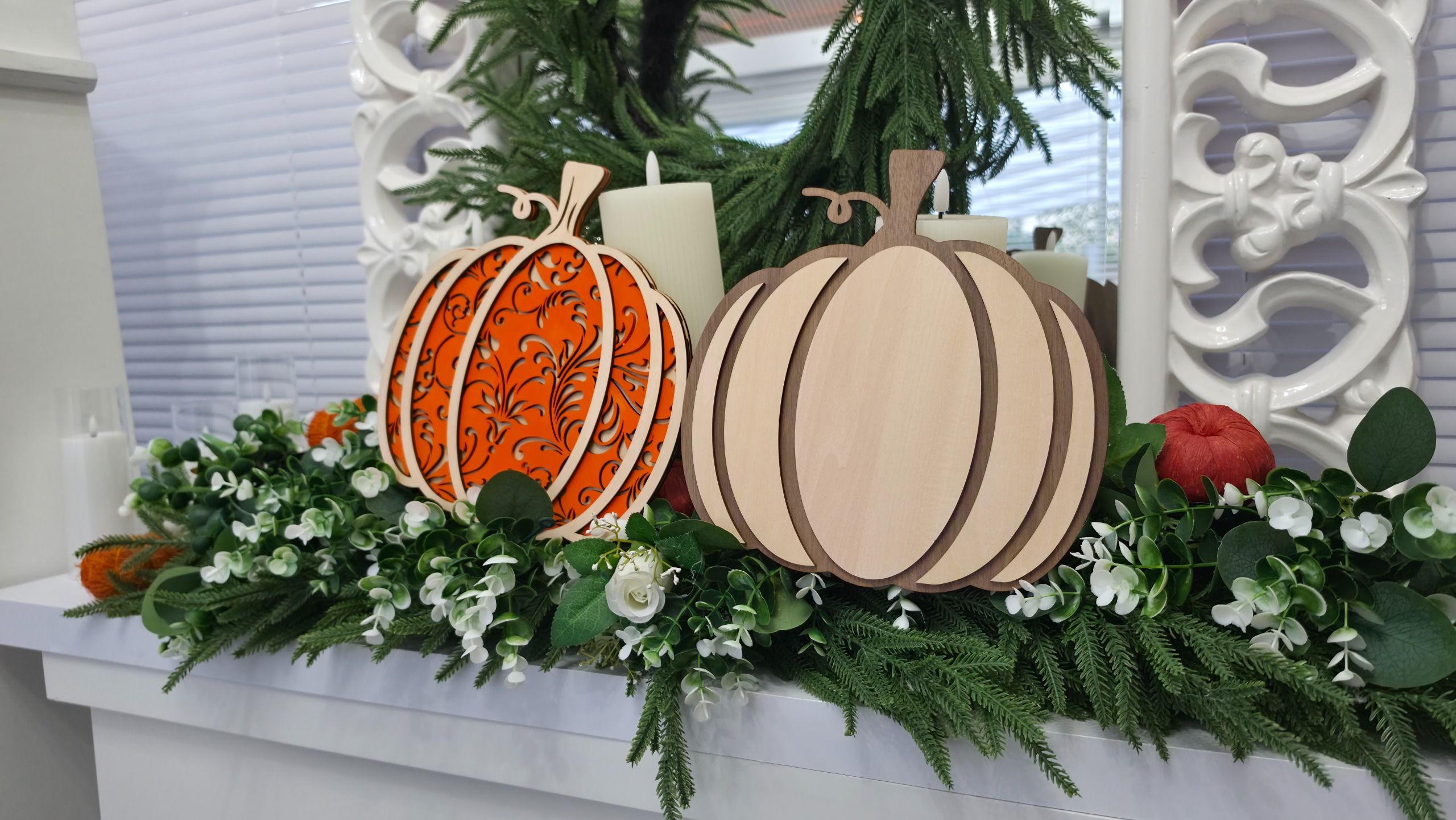
The workflow for the R1 is remarkably streamlined. To demonstrate the machine’s capabilities, I recently produced a multi-layered wooden pumpkin display. The process was intuitive:
- Preparation: Sourcing high-quality materials is vital. I utilized official Bambu Lab basswood plywood, which is specifically treated for consistent laser penetration.
- Software Integration: The machine relies on a laptop-based software suite that reads standard SVG files. By utilizing open-source designs—such as the exquisite three-layer pumpkin project provided by "Pixel Perfect" on Atomm—the barrier to entry for beginners is virtually non-existent.
- Assembly: Post-processing is minimal. With a few drops of household glue and some acrylic paint, the raw laser-cut pieces transformed into a polished, professional-grade autumnal decoration.
Performance Metrics
While official technical specifications are still being rolled out, early reports indicate the R1 utilizes a high-efficiency diode laser capable of clean cuts on 3mm to 6mm plywood in single passes. The internal software features advanced auto-focusing and material detection, which significantly reduces the "trial and error" phase that plagues many entry-level laser cutters.
Official Responses and Industry Impact
Bambu Lab’s official stance on the R1 is clear: they intend to lower the barrier to entry for laser technology just as they did for 3D printing. "We want to empower creators to work with diverse mediums," a company spokesperson suggested during the launch event. "The R1 is designed to be the bridge between digital design and physical art."
Industry analysts are already weighing in. The general consensus is that Bambu Lab is leveraging its existing logistics and software infrastructure to capture the "prosumer" market. By integrating their laser workflow into the same ecosystem used by their 3D printer users, they are creating a powerful "lock-in" effect where the software is as valuable as the hardware itself.
Implications for the Creative Community
What does this mean for the future of DIY and home fabrication?
1. The Rise of Hybrid Workshops
We are moving toward a future where the "digital craftsman" maintains a fleet of tools that communicate seamlessly. If the R1 can integrate with the existing Bambu Studio software environment, users will be able to manage their laser projects with the same level of control they exercise over their 3D print beds.
2. A Shift in Seasonal Crafting
As the "Spooky Season" approaches, the R1 serves as an ideal tool for seasonal decorators. The ability to churn out intricate, layered wooden decor in a fraction of the time required for traditional scroll sawing is a game changer. For those looking for more inspiration, the digital archives are already growing, with tutorials ranging from intricate baskets to wall-mounted autumnal art.
3. Sustainability and Material Sourcing
With the release of the R1, Bambu Lab is also doubling down on its own branded material ecosystem. By offering high-quality basswood and other laser-compatible substrates, they are ensuring that users don’t have to guess whether their materials will be compatible with the machine’s power settings. This vertical integration is a hallmark of the company’s business model.
How to Get Started
If you are considering integrating a laser cutter into your workflow, the R1 offers a compelling entry point. Whether you are a seasoned maker or a newcomer to digital fabrication, the path to creating professional-grade items is clearer than ever.
- Software: Start by familiarizing yourself with vector-based design software.
- File Sourcing: Sites like Atomm provide a wealth of community-driven designs. Always ensure you are using files compatible with your laser’s power output.
- Safety First: Even with a user-friendly machine like the R1, laser safety is paramount. Always operate the machine in a well-ventilated area and never leave the laser unattended during operation.
Conclusion
The Bambu Lab R1 is more than just a new gadget; it is a testament to the maturation of the consumer maker movement. By prioritizing user experience, intuitive software, and reliable performance, Bambu Lab is once again proving that the gap between professional industrial equipment and home-based creative tools is closing rapidly.
As we look toward the holiday season, projects like the wooden pumpkin display are just the beginning. The R1 invites us to experiment, to design, and to build—taking our creative output from the screen to the living room with unprecedented ease. Whether you are a fan of 3D printing or a newcomer to the craft, the R1 is a machine that deserves a place on your radar, and quite possibly, your workbench.
Are you excited about the Bambu Lab R1? Have you tried your hand at laser cutting yet? Let us know in the comments section below, and don’t forget to check out our previous tutorials on seasonal decor to keep your home looking festive year-round.


 Ali Ikhwan
 Sagoh
Sagoh