Iffa Jayyana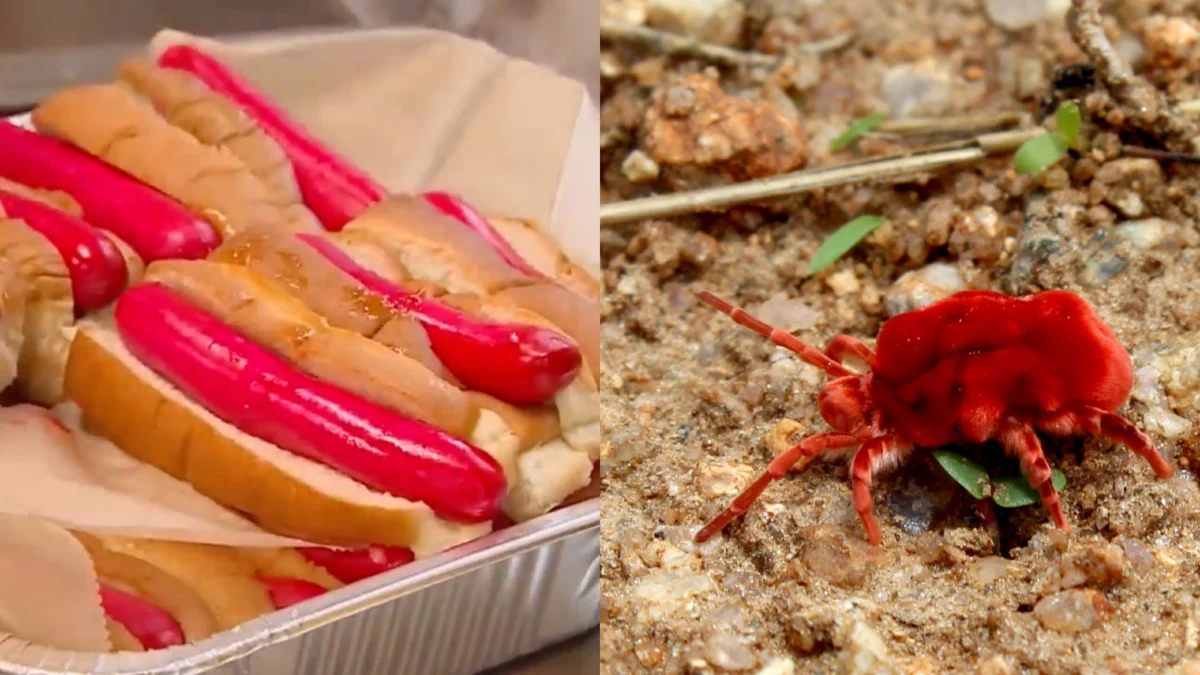
For generations, the "Red Snapper" has been more than just a menu item in Maine; it is a culinary totem. Known for its distinctively bright, neon-crimson hue and a characteristic "snap" when bitten into, the frankfurter produced by W.A. Bean & Sons in Bangor has become a staple of New England summer cookouts and local diners. However, the future of this iconic snack is undergoing a significant, albeit invisible, transformation. Faced with looming federal regulations, the historic Maine company has announced a shift in its production process: it is retiring the use of Red Dye 3 in favor of a natural, insect-derived coloring agent.
This transition marks a pivotal moment for a family-owned business that has survived for over six generations. By replacing a controversial synthetic additive with carmine—a pigment derived from the cochineal insect—W.A. Bean is attempting to balance the demands of modern food safety regulations with the preservation of a regional cultural legacy.
The Catalyst: A Federal Deadline
The decision to reformulate the Red Snapper recipe was not spurred by a desire for a trendy "clean label" marketing campaign, but by a hard deadline set by the United States Food and Drug Administration (FDA).
For years, Red Dye 3 (Erythrosine) has been a subject of intense scrutiny by health advocates and regulatory bodies. Studies conducted decades ago linked the synthetic dye to thyroid tumors in lab animals, leading to its ban in cosmetics and external drugs in the 1990s. Despite this, it has remained a staple in the food industry, used to provide a vibrant color profile to everything from maraschino cherries to candy and, notably, the natural casings of Maine’s red frankfurters.
In a move that caught many manufacturers off guard, the FDA issued a firm directive: the use of Red Dye 3 in food products must be discontinued by January 15, 2027. This regulatory "cliff" forced W.A. Bean, along with numerous other food manufacturers, to scramble for a viable alternative that could replicate the specific, high-intensity red color that fans of the Red Snapper have come to expect.
Chronology of the Red Snapper
To understand the gravity of this change, one must understand the history of the product itself. W.A. Bean & Sons, established in 1864, has been a pillar of the Bangor community for over 160 years.
- The 19th Century Origins: W.A. Bean began as a modest butchery, eventually growing into a regional powerhouse. The "Red Snapper"—a frankfurter stuffed into a natural sheep casing and dyed to a brilliant red—became a local specialty, often attributed to the need for a product that could stand out on a crowded display case.
- The Era of Synthetic Dyes: Throughout the 20th century, as industrial food technology matured, Red Dye 3 became the industry standard for achieving the "perfect" red. It offered stability, heat resistance, and a consistent shade that was easy to replicate across batches.
- The 2020s Regulatory Shift: As health awareness grew, pressure mounted on the FDA to address the toxicity of synthetic food dyes. The 2027 deadline serves as the culmination of years of advocacy.
- September 2026: W.A. Bean officially announces its transition plan, confirming that the move to carmine extract will ensure the brand remains compliant while keeping the Red Snapper on shelves across the state.
The Science of the Switch: Embracing Carmine
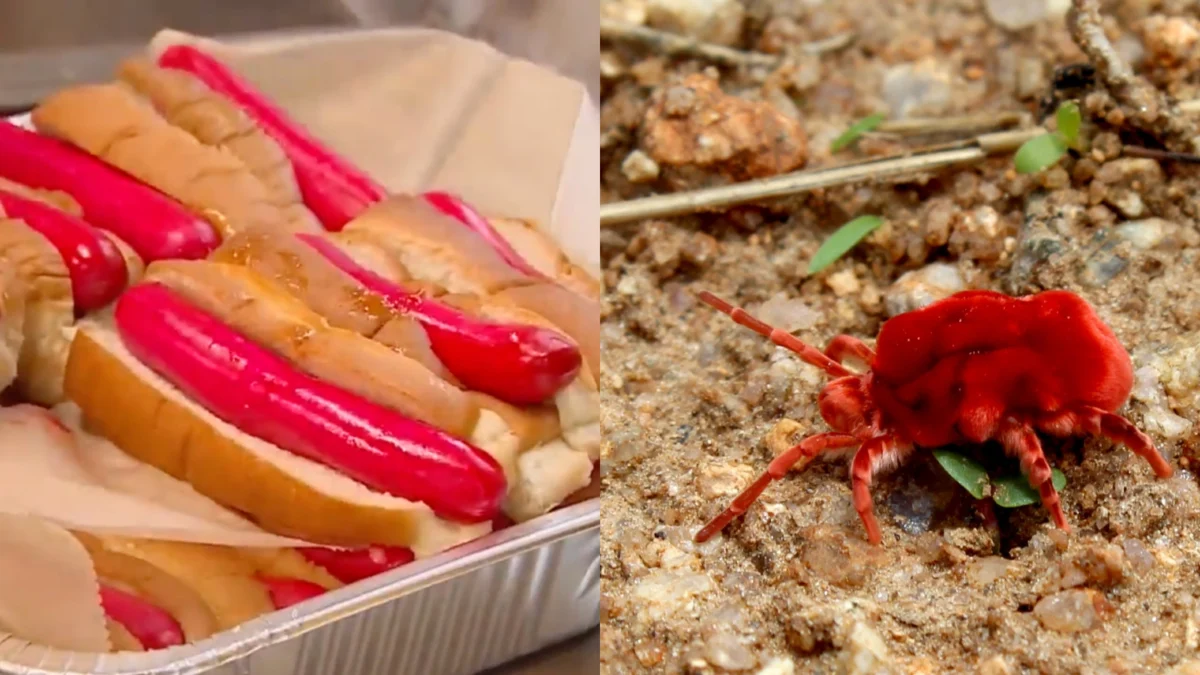
The solution for W.A. Bean lies in the cochineal insect (Dactylopius coccus). Carmine extract, often referred to as "natural red 4," is produced by drying and pulverizing these insects, which thrive on prickly pear cacti.
While the idea of "crushed bugs" in one’s lunch may sound jarring to the uninitiated, carmine has been a standard coloring agent in the food industry for decades. It is widely used in yogurts, fruit juices, jams, and even high-end confections. The pigment, carminic acid, provides a deep, rich red that is remarkably stable under high-heat processing—a crucial requirement for hot dog production, where the frankfurters are often smoked or boiled.
For W.A. Bean, the technical challenge was ensuring that the new dye did not alter the flavor profile or the structural integrity of the casing. According to internal testing, the switch has been seamless. The "snap"—a result of the natural sheep casing and the curing process—remains entirely unaffected.
Official Responses and Corporate Philosophy
The transition has been handled with a delicate touch by the leadership at W.A. Bean. Recognizing that loyal customers might be wary of changes to a "sacred" recipe, the company issued a statement emphasizing continuity.
"By making the switch to a natural red color, we’re continuing to evolve our products while staying true to the tradition, quality, and integrity that have defined our family business for more than six generations," the company noted in a recent press release. "The Maine Red Snapper is more than a hot dog—it’s a piece of Maine’s food heritage."
Sean Smith, the Director of Sales at W.A. Bean, has been instrumental in reassuring the public. In interviews following the announcement, Smith highlighted that despite the higher cost of sourcing natural carmine extract compared to synthetic Red Dye 3, the company has no intention of raising prices for the consumer. This decision reflects a commitment to the customer base, ensuring that the transition remains a behind-the-scenes adjustment rather than a financial burden for the average Maine family.
Implications for the Food Industry
The move by W.A. Bean is a microcosm of a much larger trend sweeping the American food system. As federal regulations tighten, the "natural" movement is shifting from a consumer preference to a legal necessity.
1. Consumer Sentiment vs. Scientific Reality
There is a lingering psychological hurdle for companies using carmine. While it is technically "natural," it is not vegan or vegetarian. For a product like a hot dog, this is rarely an issue for the primary consumer base, but it does highlight the complexity of ingredient sourcing in the modern era. Consumers are increasingly asking, "What is in my food?" and companies must decide whether the "natural" label is worth the potential "ick factor" of insect-based ingredients.
2. Economic Stability in Niche Manufacturing
The fact that W.A. Bean is absorbing the increased costs of carmine extract demonstrates the thin margins and high value placed on brand loyalty in the craft food sector. For a legacy brand, the cost of losing market share due to a subpar product or a price hike is far higher than the cost of a more expensive raw ingredient.
3. Regulatory Cascades
The 2027 deadline is expected to force a cascade of similar announcements across the United States. Many smaller regional brands that rely on Red Dye 3 are currently in the same position as W.A. Bean. We can expect to see a wave of "new and improved" labels hitting grocery store shelves over the next 18 months, as manufacturers navigate the final phase-out of synthetic dyes.
Conclusion: A Legacy Preserved
The Maine Red Snapper is a testament to the idea that some things, even in a rapidly changing world, are worth keeping. By adapting to the requirements of the FDA, W.A. Bean has ensured that the next generation of Mainers will continue to enjoy the same iconic hot dog that their parents and grandparents did.
While the source of the red color has changed from a laboratory-synthesized chemical to a naturally occurring pigment, the soul of the product remains intact. In the world of food manufacturing, where recipes are often altered by corporate acquisitions or cost-cutting measures, W.A. Bean’s careful navigation of this regulatory change stands as a model for how legacy brands can evolve without losing their identity. As the 2027 deadline approaches, the "Red Snapper" will remain red—just a little more naturally so.

 Rifan Muazin
 Suro Senen