Azzam Bilal Chamdy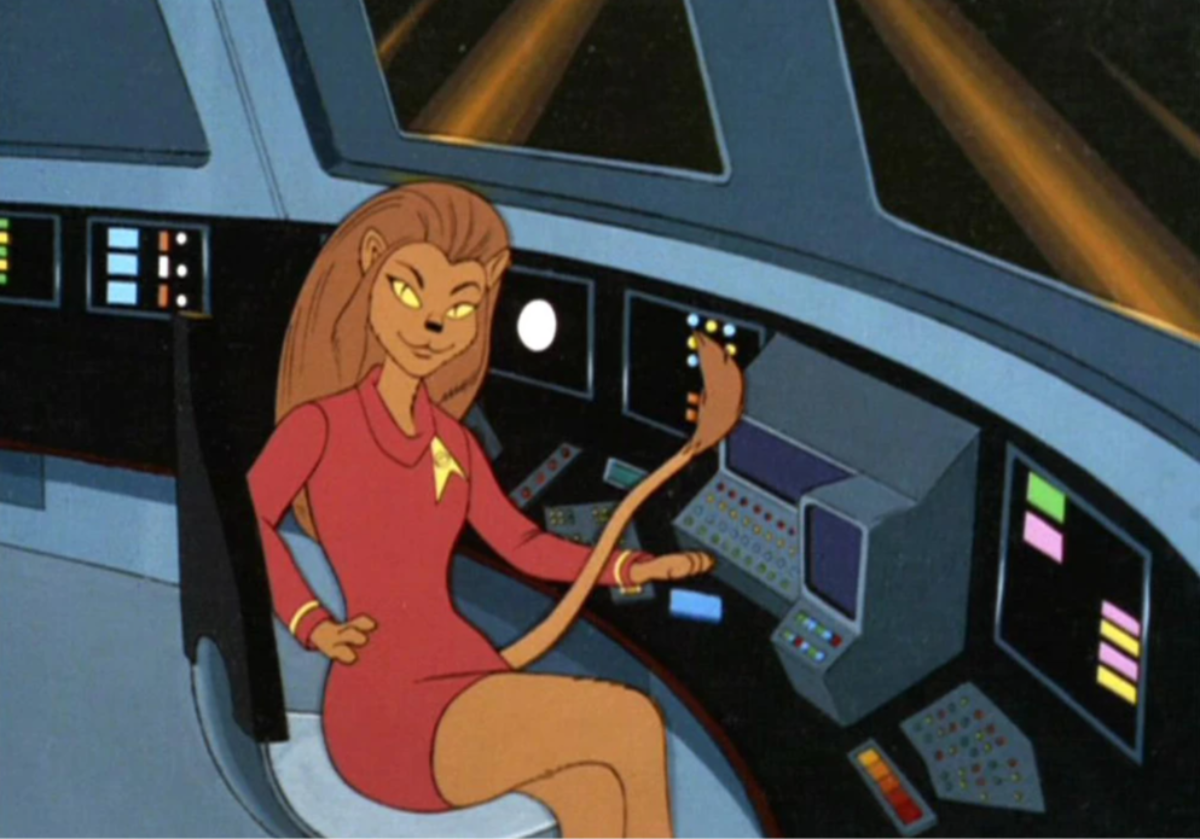
The latest episode of Star Trek: Strange New Worlds has left the fandom buzzing, not just for its ambitious narrative structure, but for the intricate layers of "Easter eggs" embedded within its production design. While the episode—titled "Tomorrow’s Enterprise"—tackles the franchise’s penchant for temporal anomalies, branching timelines, and high-stakes "what-if" scenarios, the eagle-eyed viewer has uncovered something far more specific: a nostalgic nod to the golden age of Star Trek animation.
Among the various callbacks and narrative chicanery, the brief, background appearance of a feline humanoid resembling Lieutenant M’Ress has captured the imagination of long-time fans. As the Strange New Worlds team continues to weave the past and future of the franchise together, this cameo serves as a perfect case study for how the show balances deep-cut lore with modern, high-budget spectacle.
The Blink-and-You-Miss-It Appearance: M’Ress Returns
The sequence in question unfolds during the high-tension preparations for Lieutenant Uhura’s spacewalk. As the camera tracks through the bustling shuttle bay, a distinct silhouette stands out amidst the human and humanoid crew members. For a fleeting moment, viewers can spot a giant, bipedal cat clad in the unmistakable gold-and-black aesthetic of a Starfleet uniform.
The consensus among the fandom is that this is M’Ress, a Caitian communications officer who first appeared in the 1973 Star Trek: The Animated Series (TAS). Since her departure from the animated screen, the character has been relegated to the periphery of Star Trek literature and niche reference books. Her inclusion in a live-action series, even in a non-speaking, background capacity, marks a significant milestone for fans who have long argued that the animated show deserves a more prominent place in the official canon.
In the original animated series, M’Ress was more than just a background character; she was a vital component of the Enterprise crew, frequently serving as a relief officer for Uhura at the communications console and occasionally filling in for Commander Spock as the science officer during away missions. To see her standing on the deck of a live-action Enterprise is a profound, if quiet, acknowledgement of that history.
Chronological Conundrums: A Timeline Analysis
The appearance of M’Ress has sparked a vigorous debate regarding the show’s internal chronology. The events of Strange New Worlds are generally situated around 2263, while the primary adventures of The Animated Series—which documented the latter years of Captain Kirk’s five-year mission—are typically dated to 2269.
This six-year discrepancy has led to the "Comic Book Guy" observation that M’Ress should not technically be serving on the Enterprise during the timeline of Strange New Worlds. However, in the world of Star Trek, timelines are notoriously fluid. There are several ways to interpret this inclusion:
- The "Visitor" Theory: The most straightforward explanation is that M’Ress, a member of a species known for their investigative and diplomatic curiosity, was simply visiting the Enterprise or undergoing a brief exchange program.
- The "Glass Cannon" Canon: Star Trek canon has often been described as a "glass cannon"—fragile and easily shattered by contradictory dates. Showrunners have historically brushed aside strict adherence to obscure dates to prioritize fan service and aesthetic cohesion.
- The Reality of Anomalies: Given the episode deals with time-travel mechanics, it is entirely possible that this M’Ress is an iteration of the character displaced by temporal shifts, effectively rendering the chronological debate moot.
Beyond the Feline: The Mystery of Aleek-Om
While M’Ress has stolen the headlines, she is not the only resident of The Animated Series to make a cameo in this episode. A secondary, arguably more obscure character, has also been spotted: a tall, yellow, bird-like creature. This character is widely believed to be an Aurelian, potentially Aleek-Om, who appeared in the famous TAS episode "Yesteryear."
Aleek-Om’s inclusion is particularly provocative because of his specific role in the franchise’s wider literature. In the Star Trek novels, Aleek-Om is not just a background alien; he is an operative for the Department of Temporal Investigations. If this is indeed the same character, his presence in an episode revolving around a time-travel anomaly is far from coincidental. It suggests that the Strange New Worlds production team is not just dropping random visual references, but is actively engaging with the "expanded universe" of Star Trek lore.
Implications for Future Storytelling
The inclusion of these characters serves as a bridge between the disparate eras of Star Trek production. By incorporating elements from the 1970s animation into a 21st-century live-action format, the showrunners are effectively legitimizing The Animated Series as a cornerstone of the franchise’s history, rather than a "lesser" offshoot.
This approach has several implications for the future:
- Canon Consolidation: The showrunners are signaling a desire to consolidate the various threads of the Star Trek multiverse. By bringing in characters like M’Ress and Aleek-Om, they invite viewers to look at the franchise as a single, cohesive entity.
- The "Easter Egg" Economy: In an era of prestige television, the inclusion of "deep-cut" lore is a currency all its own. It rewards long-term viewers while remaining unobtrusive enough that new fans are not alienated by the presence of a background cat-person.
- Fan Engagement: The viral nature of these discoveries ensures that the show remains a topic of conversation long after the credits roll. By leaving these visual clues, the creators are inviting the audience to participate in the "detective work" of analyzing the background details of every frame.
Official Stances and Industry Perspective
While Paramount has not released an official statement confirming the identity of the background characters, the creative team behind Strange New Worlds has consistently expressed a deep reverence for the franchise’s history. Executive producers have previously hinted that they view the entire Star Trek library—from The Original Series to the animated ventures—as fair game for inspiration.
From an industry perspective, this is a calculated creative choice. In the highly competitive landscape of streaming, maintaining the loyalty of a legacy fan base is as important as attracting new subscribers. By paying homage to the animated series, the showrunners demonstrate that they are "one of us"—fans who care about the minor details as much as the grand narrative arcs.
Conclusion: The Joy of the "What-If"
The genius of Strange New Worlds lies in its willingness to be "a lot" in a good way. It embraces the absurdity of the Star Trek universe—the time-traveling, the bizarre aliens, and the shifting timelines—without losing its emotional core.
Whether M’Ress and Aleek-Om are intended to be permanent fixtures in the current timeline or simply a fleeting tribute to a bygone era, their presence enriches the episode. They serve as a reminder that the Enterprise is a vast ship, filled with untold stories and characters whose histories extend far beyond the main bridge crew. As the series moves forward, fans can only hope that the production team continues to look back, mining the rich, animated past of the franchise to build an even more detailed and immersive future.
In the final analysis, these cameos are a testament to the enduring power of the Star Trek mythos. They prove that even in a galaxy of infinite possibilities, the most rewarding moments are often the ones hidden in the shadows of the shuttle bay, waiting for a fan to look just a little bit closer.

 Raul Delapena Setiawan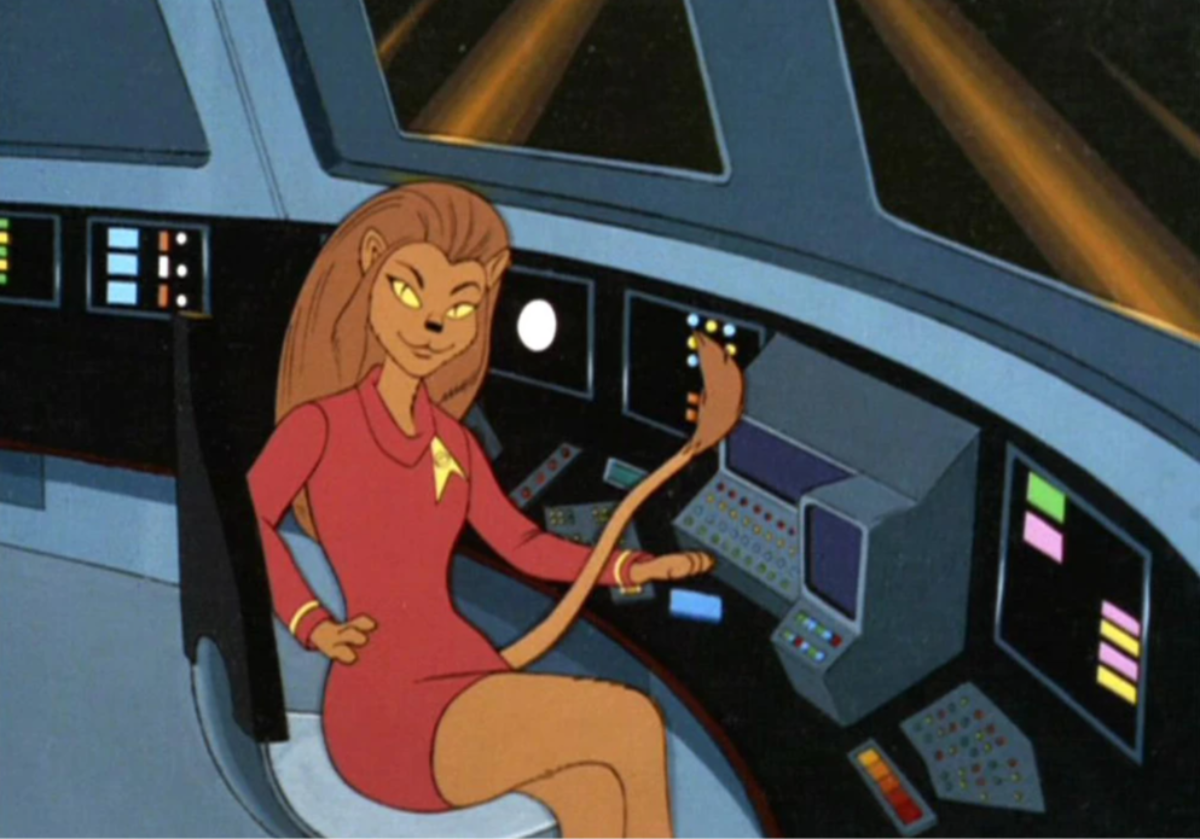
 Laily UPN