
 Evan Lee Salim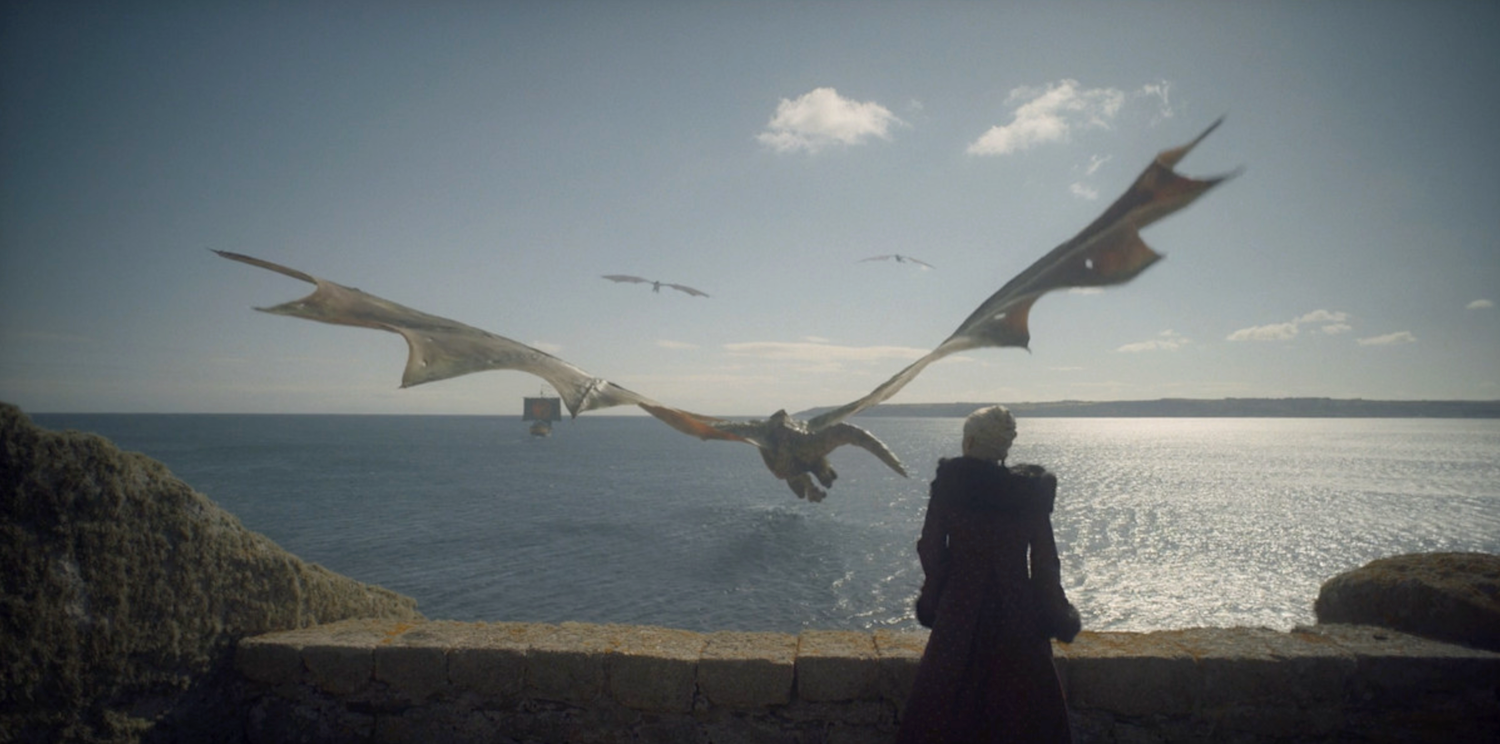
The expansive world of Westeros is set to undergo its most significant expansion yet, as Warner Bros. and HBO officially confirm that the Game of Thrones franchise is making the high-stakes leap from television to the theatrical big screen. The highly anticipated spinoff feature, Game of Thrones: Aegon’s Conquest, has been officially penciled in for a global theatrical release on June 1, 2029.
This strategic move marks a pivot in the franchise’s distribution strategy, signaling that the network is looking to leverage the cinematic spectacle of George R.R. Martin’s source material to capture a broader audience beyond the subscription-based model of HBO. While the 2029 release date may feel distant to fans currently immersed in the political maneuvering of the Small Council, the announcement underscores a long-term, meticulously orchestrated plan to maintain the cultural dominance of the A Song of Ice and Fire universe.
The Strategy: A Decade of Westeros
The decision to bring the Targaryen origins to the cinema is far from a random selection. As reported by Entertainment Weekly, Warner Bros. and HBO have established an ambitious internal roadmap that aims to deliver a high-quality Game of Thrones project to fans every single calendar year.
This rhythmic release schedule is designed to minimize the “content fatigue” that plagues many large franchises, instead opting for a steady, reliable drip-feed of lore. The current pipeline is already locked in: fans can look forward to the second season of A Knight of the Seven Kingdoms in 2027, followed by the highly anticipated fourth—and final—season of the flagship prequel, House of the Dragon, in 2028. By situating Aegon’s Conquest in the 2029 slot, the studio has effectively plugged a potential content gap, ensuring that the momentum generated by the television series carries directly into the multiplex.
The Creative Engine: A Proven Team
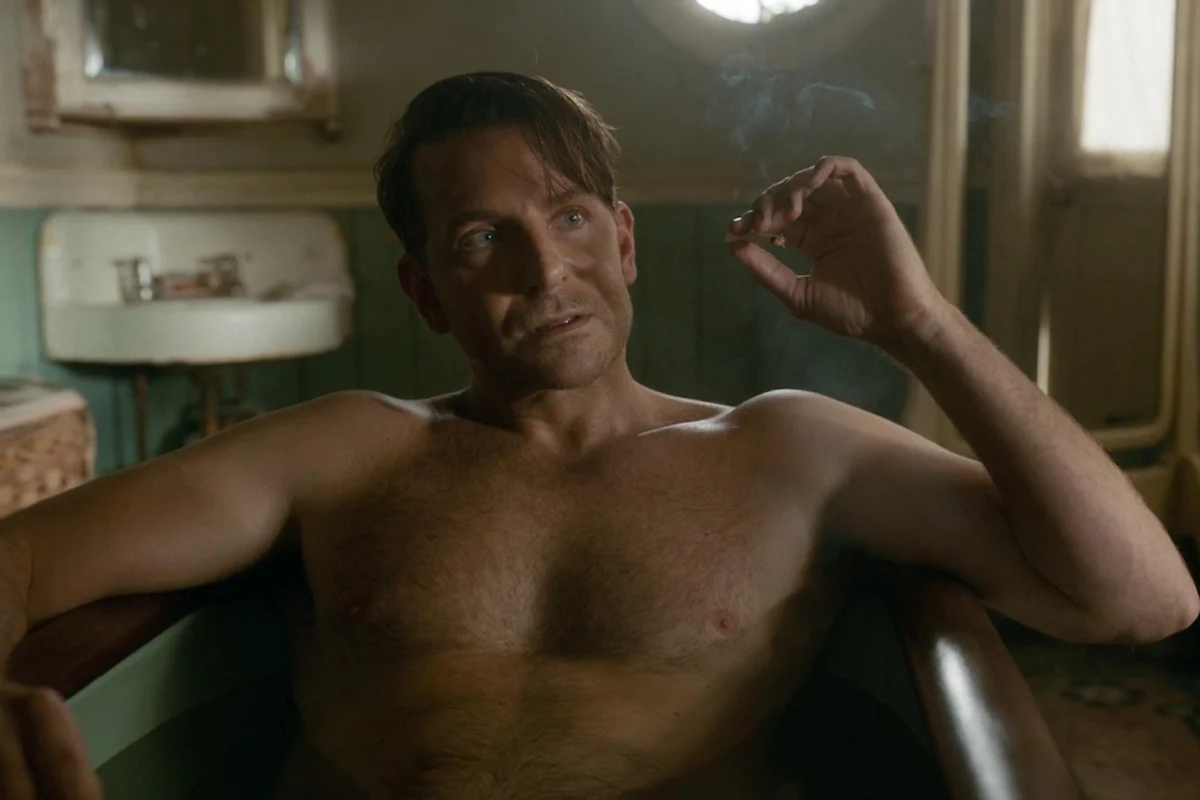
The project has secured top-tier talent to helm the transition to film. Owen Harris has been tapped to direct the feature. Harris is a visionary with a deep understanding of complex narrative structures, having garnered critical acclaim for his work on the genre-bending series Mrs. Davis and his contribution to the A Knight of the Seven Kingdoms television adaptation.
The screenplay is currently in the capable hands of Beau Willimon, a writer synonymous with political intrigue and high-stakes power dynamics. Willimon’s resume—which includes his work on the critically lauded Andor and the foundational political drama House of Cards—suggests that Aegon’s Conquest will prioritize the brutal, Machiavellian chess game that defined the original series, rather than relying solely on the spectacle of dragon fire. For fans who felt that later seasons of the franchise drifted too far from the grounded political tension of earlier installments, the involvement of Willimon is a promising indicator of a return to form.
Chronology: The Foundation of the Seven Kingdoms
While official plot details remain under strict embargo, the title Aegon’s Conquest leaves little room for ambiguity. The film is widely expected to chronicle the pivotal era in Westerosi history when Aegon I Targaryen—accompanied by his sister-wives, Rhaenys and Visenya—launched his invasion from the ancestral seat of Dragonstone.
This period, known in the annals of Westerosi history as the "War of Conquest," is the cornerstone of George R.R. Martin’s worldbuilding. It was this campaign that saw the subjugation of the disparate kingdoms of the continent and the subsequent forging of the Iron Throne from the melted blades of defeated enemies.
A History of Fire and Blood
To understand the gravity of this film, one must understand the stakes of the Conquest:
- The Arrival: Aegon lands at the mouth of the Blackwater Rush with a small force and three dragons: Balerion the Black Dread, Vhagar, and Meraxes.
- The Field of Fire: The decisive battle that broke the power of the Reach and the Westerlands, cementing Targaryen dominance.
- The Unification: The strategic use of diplomacy and terror to bring the North, the Vale, and the Stormlands under a single banner.
- The Iron Throne: The final act of the conquest, representing the transition from the era of Seven Kingdoms to the era of the Seven Kingdoms under one crown.
The film is expected to serve as a prequel to the entire television saga, effectively functioning as the "Genesis" chapter of the franchise. It replaces the previously rumored television series centered on the same subject, which had been in development with Mattson Tomlin (The Batman Part II). The pivot to a feature-length film suggests that the studio views the Conquest not as a slow-burn television narrative, but as an epic cinematic event that requires the scope and scale of a theatrical budget.
Supporting Data: Why Now?
The shift to the big screen is supported by clear market indicators. Despite the mixed reception of the final season of the original Game of Thrones, the prequel series House of the Dragon has proven that the audience’s appetite for Westeros remains insatiable.
Internal data from Warner Bros. suggests that viewers are increasingly migrating toward "event cinema"—films that provide a reason for audiences to return to theaters. By positioning the story of the first Targaryen king as a standalone or franchise-launching film, HBO is essentially rebranding the Game of Thrones IP. They are no longer just a television network; they are the architects of a cinematic universe capable of rivaling the biggest superhero franchises in the world.
Implications for the Future
The announcement of Aegon’s Conquest has significant implications for the future of the brand:
- Standardization of Quality: By hiring directors like Owen Harris and writers like Beau Willimon, HBO is signaling that they are prioritizing high-end creative talent over franchise assembly-line tactics. This is a direct response to criticism that the franchise was becoming diluted.
- The End of the "Small Screen" Limitation: For years, the Game of Thrones world was confined to the aesthetic of television. A 2029 film budget will allow for a level of visual fidelity that, until now, was only hinted at in the show’s biggest battle episodes. The depiction of Balerion the Black Dread—a dragon large enough to swallow a horse whole—will finally be realized on a screen size that does the creature justice.
- Expansion of the Canon: With a film, the creators have the opportunity to canonize specific events from Fire & Blood that were previously open to interpretation. This will likely spark renewed interest in Martin’s literary works, further driving the synergy between the books and the screen.
Conclusion: Waiting for the Dragon
As we look toward 2029, the industry will be watching this project closely. Casting rumors are already beginning to circulate in trade circles, though no official announcements have been made. Given the sheer scale of the project, it is likely that the studio will seek a mix of seasoned character actors and rising stars to portray the legendary figures of the Targaryen conquest.
For the casual viewer, Aegon’s Conquest offers a clean slate—a story of origins, dragons, and the birth of a nation. For the die-hard fan, it is the realization of a decades-long dream to see the most important event in the history of Westeros played out on the grandest stage possible. While 2029 is still several years away, the gears of the machine are turning. The dragons are coming to the cinema, and if the pedigree of the creative team is any indication, the wait will be well worth it.

 Nana Wu
 Ali Ikhwan





