
 Iffa Jayyana
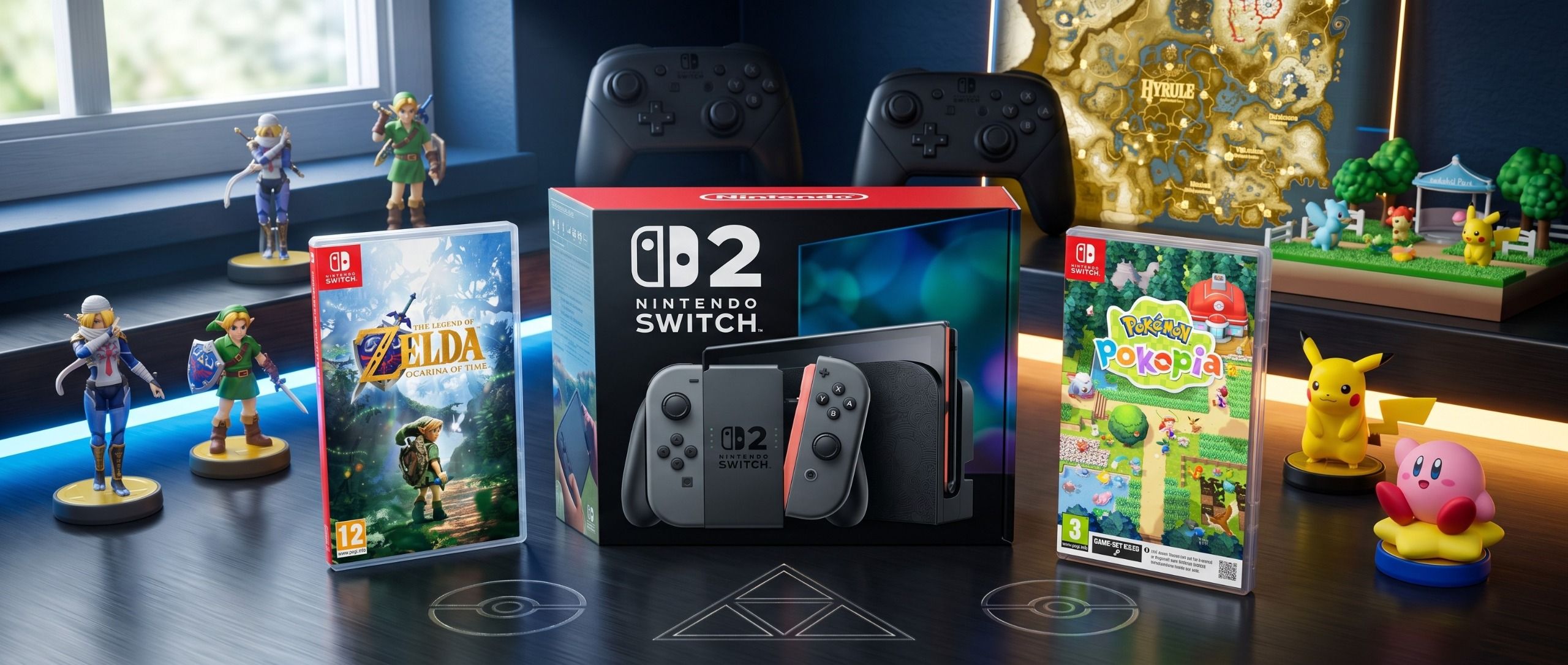
The landscape of the video game console market is notoriously resistant to aggressive discounting, particularly regarding Nintendo hardware. For decades, Nintendo has maintained a rigid pricing strategy that prioritizes brand value and hardware longevity over the rapid, seasonal price-slashing seen in the smartphone or PC component sectors. However, a significant shift has occurred this week: Amazon UK has launched a 15% discount on the Nintendo Switch 2, effectively lowering the barrier to entry by £64.
This development is not merely a routine retail promotion; it serves as a fascinating case study in how global supply chain pressures, currency fluctuations, and consumer demand intersect in the current fiscal year. For gamers who have been waiting for the right moment to transition to the latest generation of Nintendo hardware, this represents a rare window of opportunity.
Main Facts: The Anatomy of the Deal
The current promotion on Amazon UK offers a 15% reduction on the Nintendo Switch 2. This price adjustment is particularly noteworthy because the console has recently seen a base-price increase in several regions, driven by the escalating costs of semiconductors and the strengthening of the US dollar against local currencies.
For the savvy consumer, this £64 saving is substantial. In the context of the gaming ecosystem, this amount is often sufficient to cover the cost of a premium, first-party Nintendo title or a high-quality accessory bundle. Unlike the standard "bundle deals" that often require the purchase of unwanted software to achieve a perceived discount, this is a direct price reduction on the hardware itself, providing buyers with the flexibility to choose their own software library.
Chronology: From Launch to Price Sensitivity
To understand the significance of this discount, one must look at the trajectory of the Switch 2 since its inception.
Phase 1: The Anticipation and Launch
The launch of the Switch 2 was met with unprecedented demand. Nintendo’s strategy centered on high-fidelity performance upgrades and a more robust ecosystem. Initial stock was snapped up by enthusiasts, and retailers maintained the manufacturer’s suggested retail price (MSRP) with little variation for the first several months.
Phase 2: The Supply Chain Crisis
Mid-way through the console’s early life cycle, the global electronics industry faced a "perfect storm." Logistics bottlenecks, compounded by a shortage of specialized microchips and rising logistics costs, forced manufacturers to reconsider their pricing models. Throughout this period, Nintendo was forced to adjust the base MSRP upward to protect margins. This made the console feel increasingly expensive for the average consumer, leading to a temporary cooling of mass-market adoption.
Phase 3: The Retail Correction
As we move into the current quarter, inventory levels have stabilized. Retailers like Amazon are now navigating a period of consumer caution. With the cost-of-living crisis impacting discretionary spending, the "high price" barrier became a friction point. The current 15% discount is a calculated response by retail channels to stimulate velocity—moving inventory during a period where consumer wallets are tighter than usual.
Supporting Data: Why This Deal Matters
When analyzing console hardware pricing, it is helpful to contrast Nintendo’s approach with that of its competitors.
- Nintendo’s Historical Resilience: Historically, Nintendo hardware rarely sees discounts of more than 5-10% during the first 24 months of a console’s life. A 15% discount is an outlier, suggesting that retail partners are taking a hit on their margins to hit volume targets.
- The £64 Differential: By saving £64, the consumer isn’t just buying a console; they are lowering their Total Cost of Ownership (TCO). When factoring in the cost of a standard Switch 2 game (often retailing between £50 and £60), the discount effectively makes the first game "free."
- Supply Chain Resilience: Recent industry reports indicate that the semiconductor market is beginning to see a surplus in certain components, which has allowed for more flexible pricing. While inflation remains a concern, the stabilization of shipping costs has provided the "headroom" necessary for retailers to offer these types of incentives without losing money on every unit sold.
Official Responses and Market Sentiment
Nintendo has maintained a characteristically quiet stance regarding the specific promotion. Historically, the company focuses on the value proposition of their proprietary intellectual property—such as Mario, Zelda, and Pokémon—rather than engaging in the "console wars" of aggressive hardware pricing.
However, industry analysts suggest that Nintendo is likely aware of the retail-led discount. By allowing third-party retailers like Amazon to manage these promotions, Nintendo maintains the "premium" perception of its brand while still benefiting from the increased unit movement that comes with a lower price point.
Retailers, meanwhile, are focused on "ecosystem lock-in." A user who buys a Switch 2 at a discount is a user who will, by default, purchase digital games, online subscriptions, and physical accessories. The lifetime value of a customer (LTV) far exceeds the small margin lost on the initial console sale.
Implications: The Future of Hardware Pricing
What does this mean for the future of the Nintendo Switch 2? There are three primary implications to consider:
1. The Threshold of Elasticity
This discount serves as a market test. If the 15% drop results in a massive spike in sales, it signals to Nintendo that there is significant latent demand that was previously being stifled by the higher price tag. This could lead to more frequent, targeted promotions during holiday windows or "Black Friday" events in the coming years.
2. The Pressure on Competitors
The console market is a zero-sum game for many households. When a high-profile device like the Switch 2 becomes more affordable, it puts pressure on the competitive pricing of handheld PCs and secondary home consoles. Other retailers may feel forced to match this price point to remain competitive, potentially sparking a broader wave of hardware discounts across the board.
3. A Strategic Shift for Consumers
For the consumer, the takeaway is clear: the era of "fixed pricing" for new consoles is beginning to soften. While gamers should not expect the aggressive, rapid devaluation seen in the Android tablet market, they can expect a more dynamic pricing environment. Savvy buyers will now be more inclined to wait for "retail corrections" rather than purchasing at the day-one MSRP.
Conclusion: Is Now the Time to Buy?
For those who have been holding off on the Switch 2, the current Amazon deal represents an intersection of timing and value that is rarely seen in the Nintendo ecosystem.
The console has already proven itself as a powerful, versatile piece of hardware, and the current library of software is reaching a level of maturity that justifies the investment. When you combine the technical prowess of the Switch 2 with a 15% price reduction, the value proposition is hard to ignore.
As we look toward the end of the year, it is unlikely that we will see a deeper, official price cut from the manufacturer. Therefore, for those who value the ability to game on the go while enjoying high-fidelity Nintendo titles, this current offer provides the most cost-effective path to entry currently available on the market.
Advice to the Consumer: When browsing for these deals, ensure you are utilizing authorized retailers. While the £64 saving is the headline, the peace of mind that comes with a full warranty and official support is equally valuable. Whether you are a long-time fan of the brand or a newcomer looking to experience the latest in Nintendo innovation, this is, by all metrics, a rare and justified opportunity to upgrade your gaming setup.


 Dwi Wanna
 Lina Irawan




