
 Nana Muazin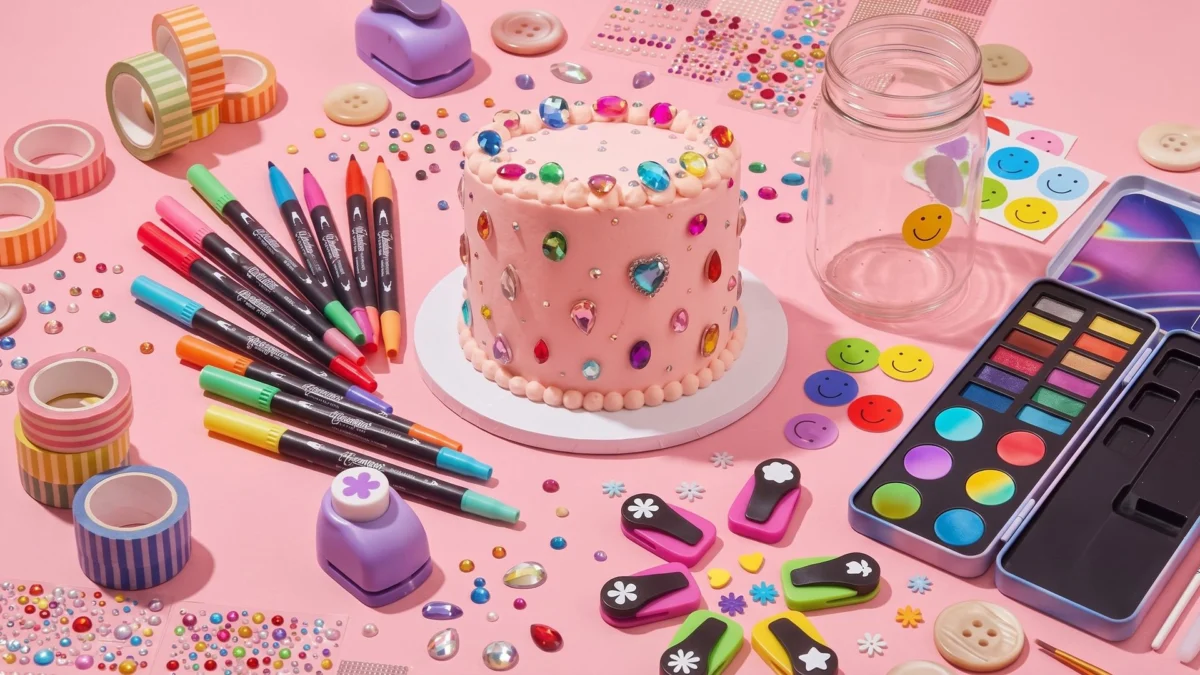
As the golden hues of late summer fade into the shorter, grey-skied days of autumn, a palpable shift occurs in the collective creative consciousness. For many, the transition into the colder months brings with it a sense of lethargy—a seasonal malaise that often stifles the urge to create. However, a vibrant, unapologetically joyful movement is rising to challenge the melancholy: "whimsymaxxing."
Far from being a mere fleeting social media trend, whimsymaxxing is a philosophy of excess, playfulness, and radical self-expression. It is the art of reclaiming the unbridled joy of childhood and injecting it into every facet of our daily lives. As we pivot toward the winter season, this aesthetic provides a necessary counter-narrative to the minimalist "clean girl" trends that have dominated the last few years.
The Core Tenets of Whimsymaxxing
At its heart, whimsymaxxing is a maximalist approach to personal style and interior design. It is defined by an accumulation of color, texture, and nostalgia. If minimalism is about paring back to the essentials, whimsymaxxing is about filling the space—and the soul—with items that spark genuine, immediate delight.
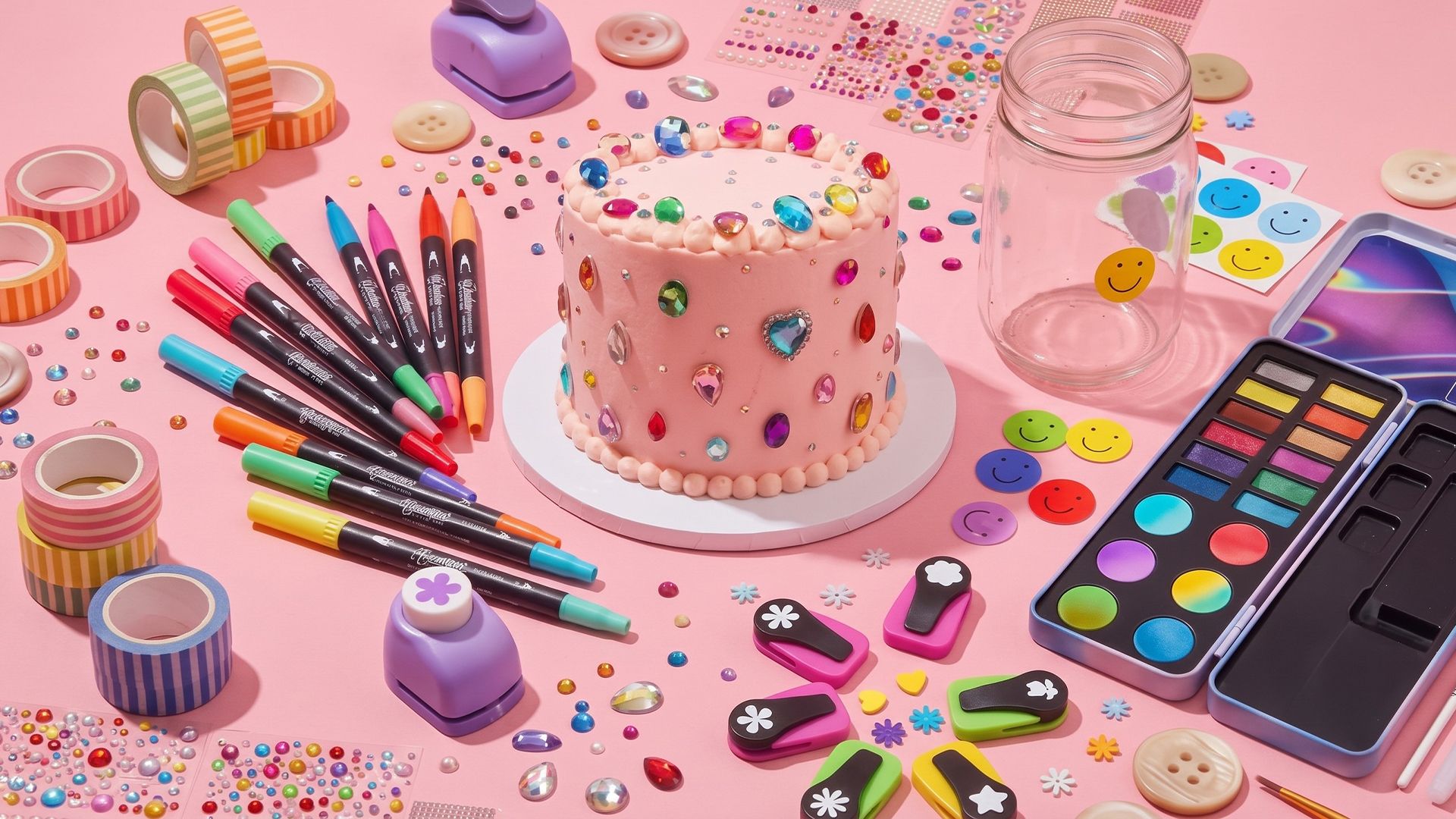
The aesthetic draws heavily from the "kidcore" movement, incorporating elements such as primary colors, cartoonish motifs, stickers, charms, and an abundance of sparkle. It is the visual equivalent of a sugar rush, providing a dopamine hit in an otherwise drab environment. For the creative community, this movement has translated into a resurgence of hands-on crafting, where the "more is more" philosophy is applied to everything from bespoke phone cases to personalized denim jackets.
Chronology of a Movement: From Niche Subculture to Mainstream Design
While the term "whimsymaxxing" has gained significant traction on platforms like TikTok and Pinterest in 2024, the roots of this movement run deep within the history of DIY culture.
1. The Pre-Digital Roots (1990s – Early 2000s)
The precursors to whimsymaxxing can be found in the 90s craft culture—the era of friendship bracelets, glitter pens, and bedazzled accessories. This period emphasized a personalized approach to mass-produced items, reflecting a desire to reclaim agency over one’s belongings.
2. The Digital Acceleration (2020 – 2023)
The isolation necessitated by the global pandemic served as a catalyst for "dopamine decor" and "cluttercore." As people spent more time in their homes, the focus shifted from showroom-ready interiors to spaces that felt deeply personal and comforting. This laid the foundation for the current whimsymaxxing craze.
3. The 2024 Peak
Throughout 2024, the aesthetic matured into a cohesive design language. It is no longer just about clutter; it is about curated chaos. Influencers and professional artists alike have begun integrating these elements into professional branding and high-end design, signaling that whimsymaxxing has moved beyond the hobbyist sphere.
The Psychology of Craft: Why We Need "Whimsy"
Psychologists have long argued that the act of "making" is a powerful tool for emotional regulation. The specific nature of whimsymaxxing—which focuses on bright colors, tactile materials, and nostalgic themes—offers unique mental health benefits.
Supporting Data: The Impact of Creative Expression
Recent studies in creative arts therapy indicate that engaging in repetitive, colorful, and low-stakes creative projects can significantly reduce cortisol levels.
- Tactile Engagement: Working with beads, sequins, and various textiles provides sensory stimulation that acts as a grounding technique.
- Nostalgia as a Buffer: By channeling the aesthetics of childhood, crafters are often able to access a "play state," which is associated with increased cognitive flexibility and reduced anxiety.
- Community and Validation: The digital nature of the trend allows crafters to share their work globally, creating a feedback loop of encouragement that is essential for maintaining motivation during the darker months.
Professional Perspectives: Is Maximalism Here to Stay?
Design experts are noting a clear bifurcation in the market. While high-end minimalist design remains a staple for luxury aesthetics, there is a growing demand for "personalized maximalism" in the retail sector.
"We are seeing a massive shift in consumer behavior," notes Sarah Jenkins, a trend forecaster in the lifestyle sector. "Consumers are tired of the ‘bland’ aesthetic. There is a hunger for personality. Whimsymaxxing allows people to showcase their internal world on their external belongings. It’s an act of defiance against the homogenization of style."
However, not every professional believes the trend will last in its current form. Critics argue that the reliance on mass-produced plastic charms and adhesives may be at odds with the growing focus on sustainability. The challenge for the whimsymaxxing community moving forward will be to integrate its core philosophy—joy and excess—with eco-conscious materials.
The Implications for the Future of Art and Design
The rise of whimsymaxxing has significant implications for how we view the intersection of professional art and amateur craft.
1. The Blurring of Boundaries
The "professional artist" is no longer the sole gatekeeper of creativity. Whimsymaxxing highlights the validity of the "hobbyist creator." As these creators gain influence, traditional brands are beginning to pivot their product lines to cater to this aesthetic, offering more DIY-friendly kits and modular accessories.
2. Economic Shifts in the Craft Industry
We are witnessing a shift in the craft supplies market. Retailers are reporting an uptick in demand for items that were previously considered "childish"—neon beads, iron-on patches, and fabric markers. This shift is forcing art supply retailers to reconsider their inventory, moving away from purely professional-grade materials to include more accessible, playful, and versatile kits.
3. Sustainability Challenges
The environmental impact of "maxxing" is an unavoidable conversation. The abundance of small, often plastic-based components poses a challenge for those concerned about the climate. Future iterations of this movement will likely see a shift toward "upcycled whimsy"—where the goal is to bedazzle and transform pre-existing items rather than buying new, disposable components.
How to Start Your Whimsymaxxing Journey
If the prospect of a full-scale aesthetic overhaul feels daunting, remember that the spirit of the movement is in the process, not the product. Here are a few ways to start small:
- Curate a "Joy Desk": Instead of a full room, focus on one corner of your workspace. Add items that bring you joy—a collection of stickers, a bright lamp, or a tray of colorful supplies.
- The "One-Item" Rule: Choose one item—perhaps an old pair of headphones, a phone case, or a tote bag—and commit to transforming it using whatever supplies bring you the most pleasure.
- Focus on Process over Perfection: Whimsymaxxing is the antithesis of the "perfectionist" craft. If a bead is slightly off-center or a patch is crooked, it only adds to the charm.
Conclusion: Embracing the Light
As we head into the winter, the "whimsymaxxing" movement serves as a vital reminder that creativity is not a seasonal luxury; it is a necessity for emotional resilience. By embracing color, sparkle, and the uninhibited joy of creation, we can curate our own light. Whether you are a seasoned artist looking for a new source of inspiration or a complete beginner seeking a creative outlet, there is space for you in this maximalist world.
For those who prefer a more traditional approach to their artistic practice, remember that our comprehensive guide to the best art supplies for painting remains a foundational resource. Whether you choose the path of the minimalist painter or the whimsy-maximalist crafter, the most important step is simply to begin.
In a world that often demands we be serious, productive, and muted, perhaps the most rebellious thing we can do is to be colorful, excessive, and—above all—joyful.


 Dwi Wanna
 Lina Irawan




