
 Dwi Wanna
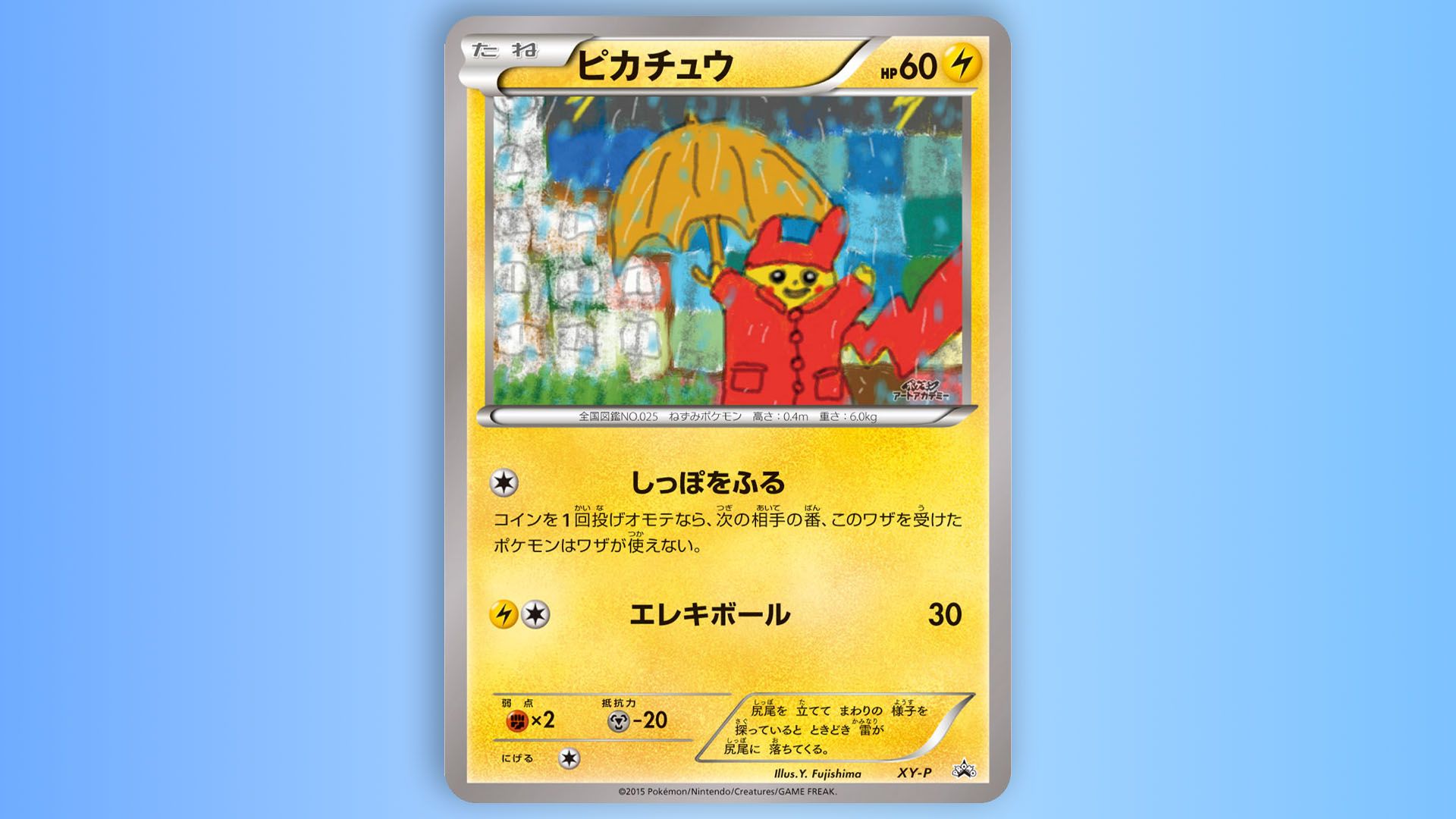
The world of trading card games (TCGs) has transcended its origins as a pastime for hobbyists to become a formidable asset class, rivaling traditional commodities like fine art, vintage automobiles, and rare coins. At the center of this financial revolution sits a franchise that has defined the cultural zeitgeist for over three decades: Pokémon. While collectors have long coveted high-grade cards, the recent sale of a “Raincoat Pikachu”—officially known as the 2015 Pokémon Japanese XY Promo Art Academy Fujishima Pikachu—for a staggering $8.4 million has sent shockwaves through the hobbyist community and the investment world alike.
This transaction serves as a stark reminder that in the modern era of high-stakes collecting, unassuming cardstock can hold more value than luxury real estate. As the Pokémon brand continues to evolve, its rarest artifacts have solidified their status as blue-chip investments, drawing in institutional interest and record-breaking capital.
A Chronology of Rarity: From Competition Prize to Auction Legend
To understand the astronomical valuation of the “Raincoat Pikachu,” one must first look back to its inception. The card was not a product of a mass-market booster pack or a promotional event available to the general public. Instead, it was born from a creative initiative: the Pokémon Art Academy competition.
The Art Academy Competition (2015)
In 2015, The Pokémon Company launched a digital drawing competition via the Nintendo 3DS game Pokémon Art Academy. Aspiring artists across the globe were invited to submit their best illustrations of iconic Pokémon. The winner of the "Dress-Up Pikachu" category was a fan artist known simply as Y. Fujishima.
The prize was unique: a limited print run of the winner’s artwork transformed into an official Pokémon trading card. Only 100 copies of this specific design were ever produced, distributed solely to the artist and a select few associated with the project. This scarcity is the bedrock of its current market value.
The Rise to Infamy
For years, the card remained a "holy grail" for high-end collectors, largely known only within the deepest circles of the TCG community. However, as the pandemic-era surge in trading card collecting saw values skyrocket, attention turned toward these ultra-limited promotional cards. The recent auction held by Fanatics Collect saw 64 aggressive bids, culminating in an $8.4 million final price—a figure that includes the buyer’s premium. This sale solidifies the card as the second most expensive Pokémon card ever sold, sitting only behind the legendary Pikachu Illustrator.
Supporting Data: The Economics of the TCG Boom
The $8.4 million price tag is not an anomaly, but rather the latest data point in a broader trend of exponential growth. The market for high-grade, "Gem Mint" cards—specifically those graded PSA 10—has seen a compound annual growth rate that outpaces many traditional investment vehicles.
The PSA 10 Benchmark
Professional Sports Authenticator (PSA) 10 represents the pinnacle of condition. A card must be virtually flawless, featuring perfect centering, sharp edges, and a pristine surface to earn this designation. The "Raincoat Pikachu" sold at auction was a PSA 10 Gem Mint, a critical factor in its valuation. In the world of rare collectibles, a single grade difference can represent a six-figure variance in price.
Comparative Market Analysis
To put the $8.4 million sale into perspective, one must look at the current hierarchy of card valuations:
- 1st Place: The Pikachu Illustrator PSA 10 (Purchased by Logan Paul for approximately $16.5 million).
- 2nd Place: The 2015 Pokémon Japanese XY Promo Art Academy Fujishima Pikachu ($8.4 million).
- The "Big Three" Staples: Charizard 1st Edition Shadowless Base Set cards, which historically held the crown, have now been eclipsed by these ultra-rare promotional variants that possess a "provenance" or a unique story.
The data suggests that rarity, rather than nostalgia alone, is driving these prices. While a 1999 Charizard is rare, there are hundreds in existence; there are, by design, only a handful of PSA 10 copies of the "Raincoat Pikachu."
The Human Element: Artist Recognition and "Hand-Drawn" Appeal
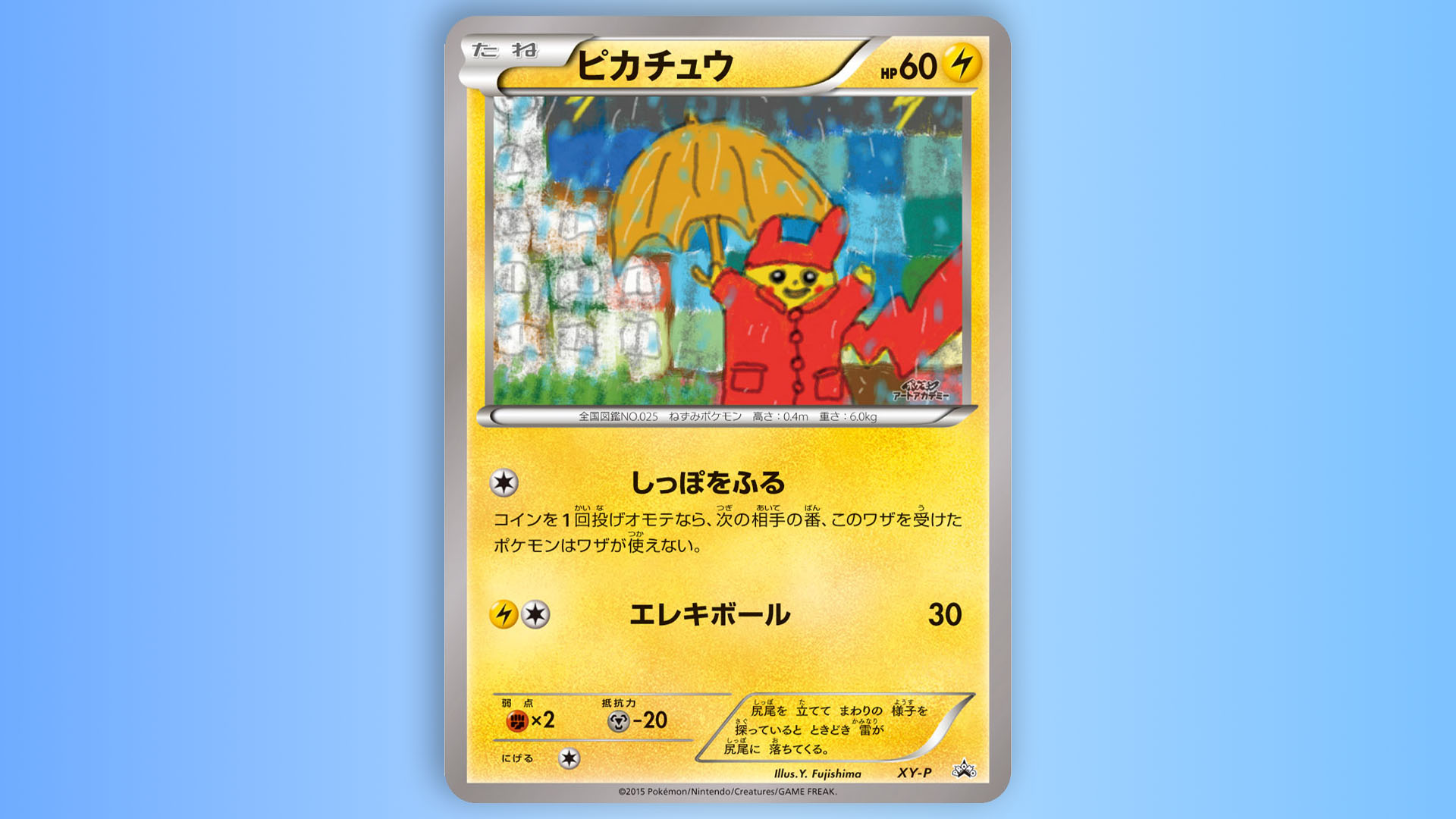
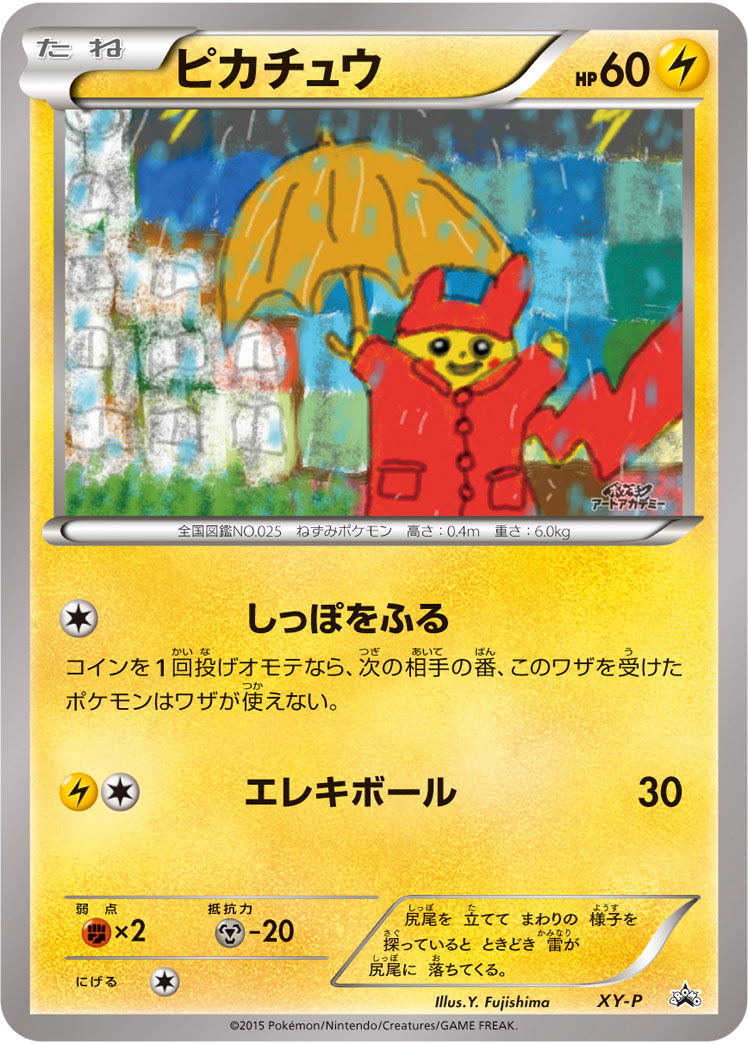
The "Raincoat Pikachu" possesses a charm that mass-produced holographic cards lack. Its design—a Pikachu grinning under a red umbrella during a storm—captures a whimsical, hand-drawn aesthetic that differentiates it from the corporate, slick designs of standard sets.
Critics and collectors alike have noted that the card’s value is bolstered by its "human" origin. In an era where AI-generated imagery and mass-produced digital content are saturating the creative landscape, the provenance of a fan-submitted, human-created design resonates deeply with the market. Collectors are effectively buying a piece of history—the moment when an ordinary fan became part of the official Pokémon canon.
Official Responses and Industry Implications
The Pokémon Company has remained relatively quiet regarding these secondary market explosions, maintaining a focus on the game’s core competitive and casual play. However, the sheer scale of these auctions has forced the industry to reckon with the professionalization of card collecting.
The Shift to Physical Media
Market analysts have noted an interesting correlation between the rise of the TCG market and the decline of the NFT (Non-Fungible Token) craze. As digital asset markets became increasingly volatile and perceived as intangible, high-net-worth investors pivoted back to physical "hard assets." The "Raincoat Pikachu" represents a "safe" asset: it is a tangible piece of pop culture history that can be verified, graded, and insured.
The Role of Auction Houses
Platforms like Fanatics Collect have transformed the landscape by implementing institutional-grade security, authentication, and bidding transparency. These auction houses have effectively turned the TCG market into a legitimate alternative asset class, complete with professional valuation services and data tracking, bringing a level of sophistication previously reserved for the world of Sotheby’s and Christie’s.
The Future: Where Does the Market Go From Here?
As the Pokémon franchise moves into its fourth decade, the challenge for the market will be sustainability. Can these prices continue to climb, or are we approaching a speculative ceiling?
The Preservation of Value
For the "Raincoat Pikachu," its value is tied to its extreme scarcity. With only 100 copies in existence, and fewer than that in high-grade condition, supply is effectively fixed. As long as the Pokémon brand remains a global juggernaut—which, given its recent expansions into gaming, cinema, and apparel, seems certain—the demand for these "trophy cards" will likely remain high.
A Cultural Milestone
Ultimately, the $8.4 million sale of a Pikachu card is more than a financial transaction; it is a cultural milestone. It signals that the generation that grew up with Game Boys and trading card binders is now the generation with the capital to reclaim their childhoods in the form of high-end investments.
Whether one views this as a brilliant asset allocation or a sign of an overheated speculative bubble, the "Raincoat Pikachu" stands as a testament to the enduring power of Pokémon. It is no longer just a game; it is a medium through which wealth is stored, history is written, and the boundaries between "toy" and "treasure" are permanently blurred. As the art world continues to embrace pop culture icons, one thing remains clear: the mouse in the raincoat has become a titan of the global financial stage.

 Lina Irawan
 Lina Hope




