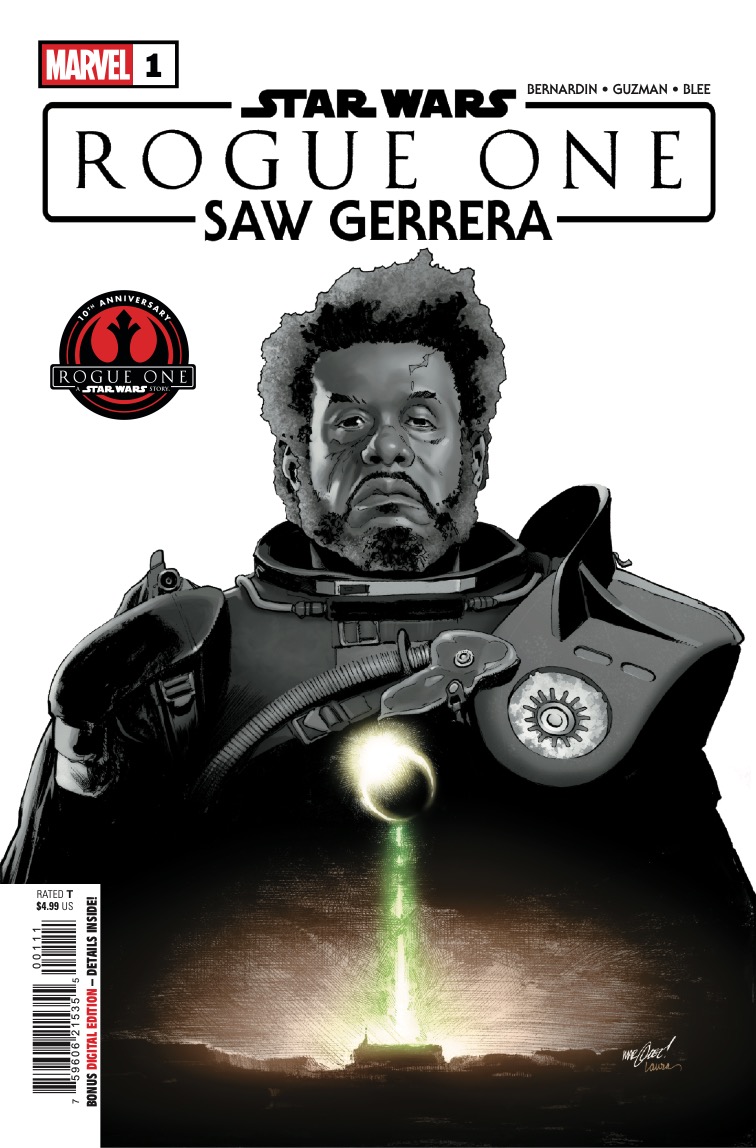
The Star Wars galaxy has always been defined by its binary morality—the Jedi versus the Sith, the Rebellion versus the Empire. Yet, few characters embody the gray, jagged edges of that conflict as effectively as Saw Gerrera. This July, Marvel Comics is set to peel back the layers of this complicated revolutionary in Star Wars: Rogue One – Saw Gerrera #1, a new one-shot that promises to challenge everything readers thought they knew about the cost of freedom.
As the galaxy prepares for this deep dive into the life of the Rebellion’s most controversial operative, fans and critics alike are bracing for a story that is as morally taxing as it is action-packed. With a creative team spearheaded by writer Marc Bernardin and artist Gabriel Guzman, the issue aims to explore the "act of revolution that was too much for the Rebellion."
The Main Facts: A Portrait of a Radical
Star Wars: Rogue One – Saw Gerrera #1 is a 32-page standalone issue scheduled for release on July 1, 2026. The narrative centers on Saw Gerrera, a veteran of the Clone Wars who evolved from a freedom fighter into a militant extremist.

The plot follows a high-stakes mission where Gerrera leads his partisans deep into Imperial-controlled territory. The objective is not merely sabotage or survival, but the acquisition of critical intelligence that could fundamentally shift the balance of power in favor of the Rebel Alliance. However, the premise teases a recurring theme in Gerrera’s life: the moral compromise. The solicitation poses a haunting question for the reader: "But is the price to be paid for that information too high?"
This issue arrives as a testament to the enduring fascination with the "Rogue One" era of the Star Wars timeline, proving that the stories happening in the shadows of the Galactic Civil War are often more compelling than the grand tales of the Jedi Knights.
A Chronological Perspective: From Clone Wars to Extremist
To understand the gravity of this upcoming comic, one must understand the trajectory of Saw Gerrera’s life. His story is one of gradual hardening, shaped by the trauma of war and the loss of everything he held dear.
The Foundation: The Onderon Insurgency
Gerrera’s journey began on the planet Onderon during the Clone Wars. Alongside his sister, Steela, Saw was trained by Ahsoka Tano, Anakin Skywalker, and Obi-Wan Kenobi. This formative period taught him the mechanics of insurgency—how to turn a civilian population into an effective fighting force. It was here that he learned the brutal reality that war rarely ends without significant loss.
The Transition: The Dark Years
Following the rise of the Galactic Empire, the optimism of the Clone Wars dissolved. Saw’s transition into a militant leader was marked by the loss of his sister and the occupation of his homeworld. Unlike Mon Mothma or Bail Organa, who favored diplomatic and systemic change, Gerrera believed that the Empire could only be dismantled through total, asymmetric warfare.
The Rogue One Connection
By the time of the events leading to the theft of the Death Star plans, Saw had become a man of broken parts—both physically and mentally. His presence on Jedha, as seen in Rogue One: A Star Wars Story, solidified his status as a "terrorist" in the eyes of the Empire and a pariah to the more moderate factions of the Rebellion. This new Marvel comic is expected to bridge the gap between his early radicalization and the hardened, weary warrior fans encountered in the film.

Supporting Data: The Creative Force Behind the Page
The success of a character study like this hinges on its creative execution. Marvel has assembled a team capable of balancing the kinetic energy of Star Wars combat with the somber, introspective tone required for a character like Saw.
- Writer: Marc Bernardin: Known for his sharp, character-driven storytelling, Bernardin is an ideal choice to tackle the nuance of a character as polarizing as Gerrera. His history with complex narratives suggests that this comic will move beyond simple hero-villain tropes to explore the psychological toll of prolonged resistance.
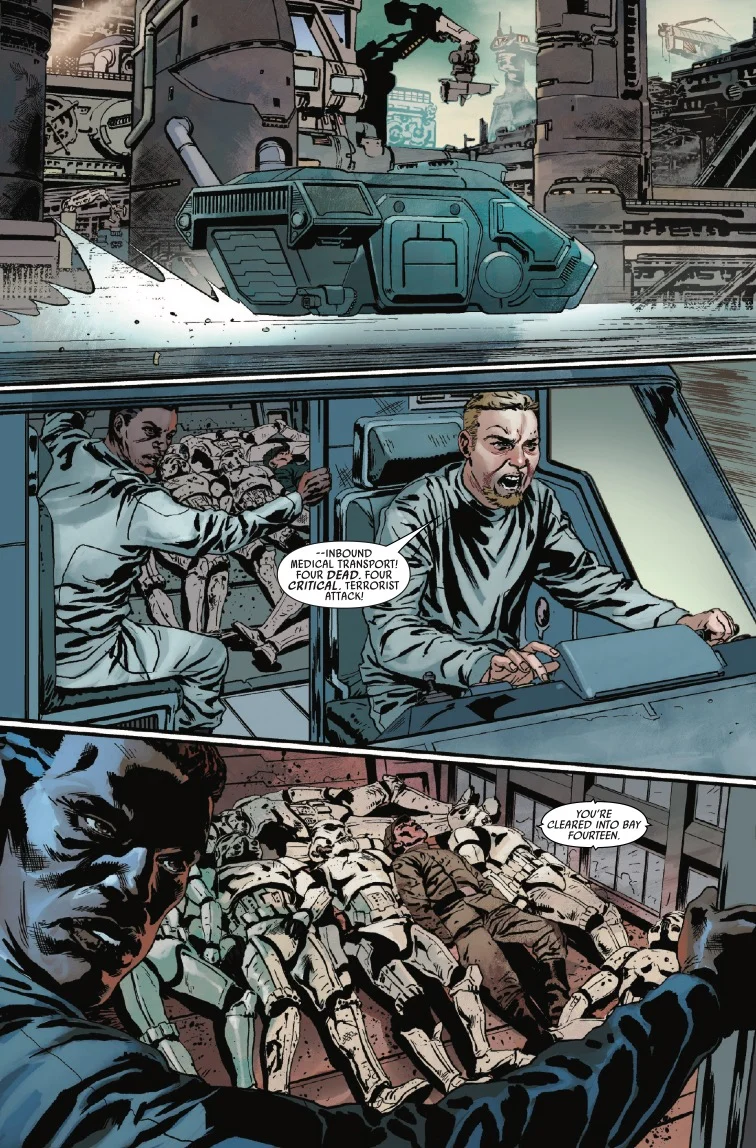
- Artist: Gabriel Guzman: The preview imagery provided by Marvel showcases a gritty, realistic aesthetic that matches the tone of Rogue One. Guzman’s work emphasizes the harsh conditions of Imperial environments and the tactical nature of guerrilla warfare, grounding the story in the "boots on the ground" reality of the Star Wars universe.
- Cover Art: David Marquez and Laura Martin have crafted a striking cover that captures the weight of command. The visual language suggests a man who is constantly looking over his shoulder, burdened by the ghosts of his past and the terrifying demands of his future.
Official Responses and Industry Buzz
While the formal press tour for the issue is just beginning, the response within the comic book industry has been overwhelmingly positive. AIPT and other outlets have highlighted the release as a "must-read" for fans of the Star Wars film canon.
"We are finally getting the ‘Gerrera’ story that feels necessary," notes one industry analyst. "For years, he has been the man who went too far, but we rarely got to see the ‘why’ in such granular detail. By focusing on a single, pivotal mission, Marvel is allowing us to judge him not by his reputation, but by his actions."

The release is also seen as part of a broader push by Lucasfilm and Marvel to flesh out the backstories of secondary characters. Following the critical acclaim of Andor, there is a clear appetite for stories that inhabit the darker, more espionage-heavy corners of the galaxy.
The Implications: Why Saw Matters
The publication of Star Wars: Rogue One – Saw Gerrera #1 has significant implications for the wider Star Wars narrative.
Defining "Rebel"
By contrasting Saw’s methods with those of the formal Rebellion, this issue forces the reader to confront the ethical spectrum of the fight against fascism. If the Empire is an absolute evil, does the end justify any means? Saw Gerrera is the personification of that dilemma. His existence challenges the "heroic" narrative of the Rebellion, suggesting that victory is often bought with blood that the history books choose to ignore.

The Legacy of the Partisans
The issue also provides an opportunity to explore the inner workings of the Partisans. We often see the heroes of the Rebellion as a unified front, but the reality of the galaxy was much more fragmented. Exploring how Saw managed his own decentralized network of fighters offers a masterclass in the logistics of rebellion.
Impact on Future Content
If this one-shot performs well, it could set a precedent for similar character studies. With an vast library of characters from the Rogue One and Andor eras, Marvel has a goldmine of potential stories that could bridge the gaps in the timeline. Fans are already speculating whether this could lead to a limited series or a recurring anthology focusing on other "shadow operatives."
Conclusion: A Necessary Dive into Darkness
As we look forward to the release of Star Wars: Rogue One – Saw Gerrera #1 on July 1, 2026, the excitement is palpable. This isn’t just another spin-off or a filler issue; it is an exploration of the human cost of war. Saw Gerrera is a reminder that the path to liberation is rarely paved with good intentions—it is paved with hard decisions, sacrificed lives, and the heavy burden of knowing that you might be the villain in your own story, provided it results in the destruction of the oppressor.

For readers, the question remains: are you prepared to witness the act of revolution that was too much for the Rebellion? On July 1, we will finally have our answer. Whether you are a long-time fan of the Star Wars comics or a newcomer drawn in by the gritty atmosphere of the Rogue One era, this issue is poised to be one of the most significant releases of the year.
Stay tuned to your local comic shop and digital retailers as we countdown to the release of what promises to be a definitive chapter in the life of the galaxy’s most tragic revolutionary. The Rebellion needed the heroes, but they also needed the man willing to be the monster—and this July, we finally get to see the man behind the mask.