In an era where generative AI threatens to homogenize the visual arts, rendering animation increasingly "slick," "perfect," and ultimately, devoid of soul, a refreshing wave of tactile artistry has emerged to reclaim the medium. Over the past few years, the animation industry has been locked in a quiet tug-of-war between the convenience of algorithmic generation and the enduring, gritty beauty of physical craftsmanship.
This weekend, that tension felt significantly eased. With the successful theatrical release of Laika’s Wildwood and the release of a stunning, frame-by-frame stop-motion opener for The Simpsons’ "Treehouse of Horror XXXVII," the industry is witnessing a powerful resurgence of the handmade. These works are more than mere entertainment; they are a manifesto for the value of the human touch in an age of automation.
The Chronology of a Craft Revival
The recent celebration of stop-motion began in earnest with the global theatrical debut of Wildwood, the sixth feature film from the lauded Laika studio. Laika has long positioned itself as the standard-bearer for stop-motion, a technique that requires immense patience, precision, and physical labor. By choosing to build tangible worlds rather than relying on digital shortcuts, Laika has consistently pushed the boundaries of what puppets and sets can achieve, creating a sense of weight and reality that CGI often struggles to replicate.
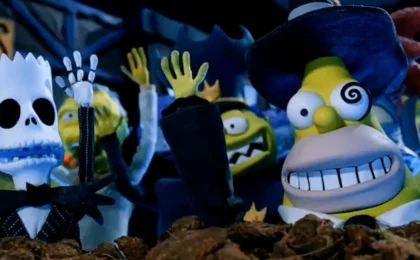
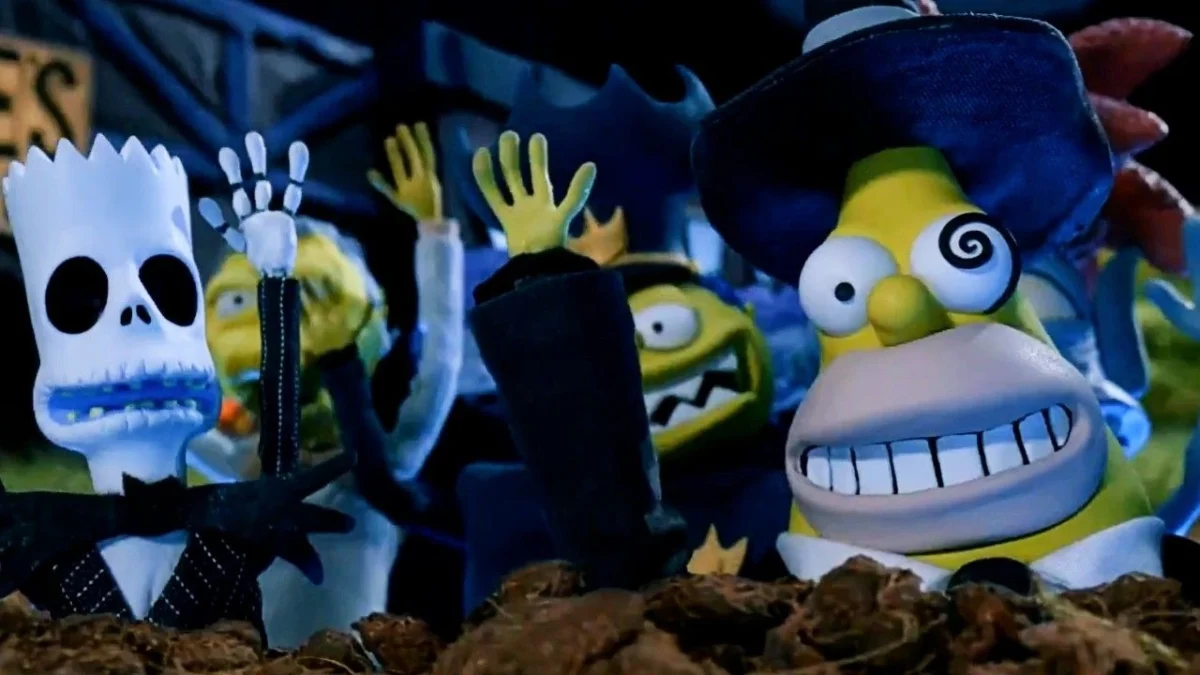
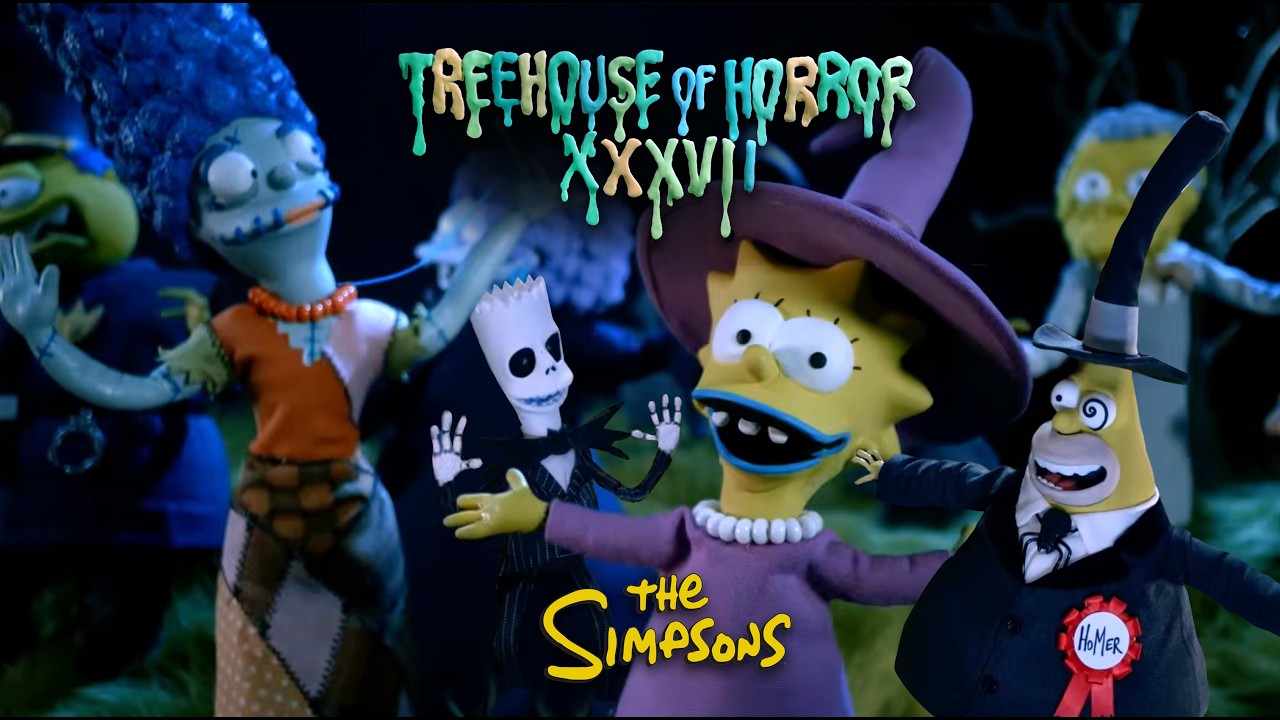
Hot on the heels of this cinematic milestone, The Simpsons delivered its own tribute to tactile artistry. The opener for the latest "Treehouse of Horror" episode—a beloved annual tradition that has operated outside the show’s rigid continuity since 1990—featured a meticulously crafted homage to Henry Selick’s 1993 classic, The Nightmare Before Christmas.
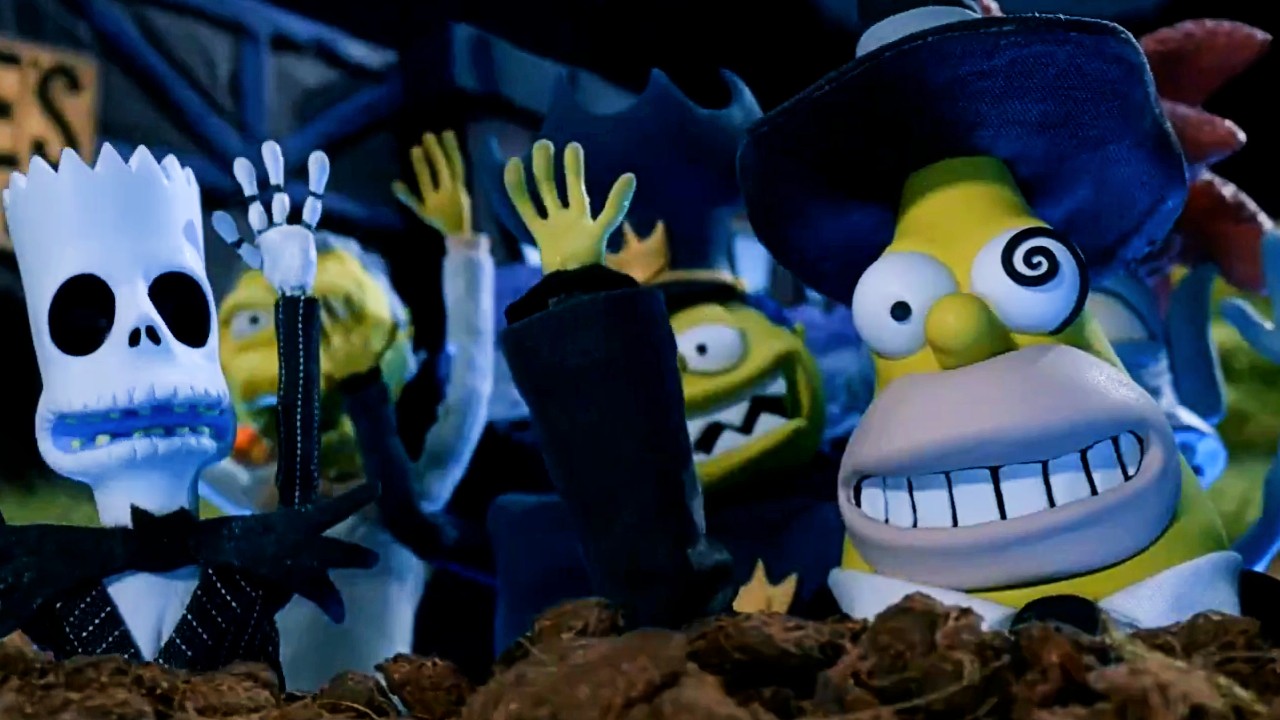
The sequence transformed Springfield’s iconic cast into gothic, claymation-style figures: Bart as Jack Skellington, Marge as Sally, Homer as the Mayor, and Ned Flanders as a terrifyingly detailed, bug-stuffed Oogie Boogie. The sequence, set to a parody of "This Is Halloween," served as a poignant reminder that even the world’s most famous 2D animated family can benefit from the charm of the third dimension.
Stoopid Buddy Stoodios and the Art of the Puppet
The Simpsons sequence was brought to life by Burbank’s own Stoopid Buddy Stoodios, an outfit renowned for their work on Robot Chicken. While modern studios often turn to 3D printing and digital prototyping to accelerate the production process, Stoopid Buddy Stoodios opted for a markedly different path for this project.
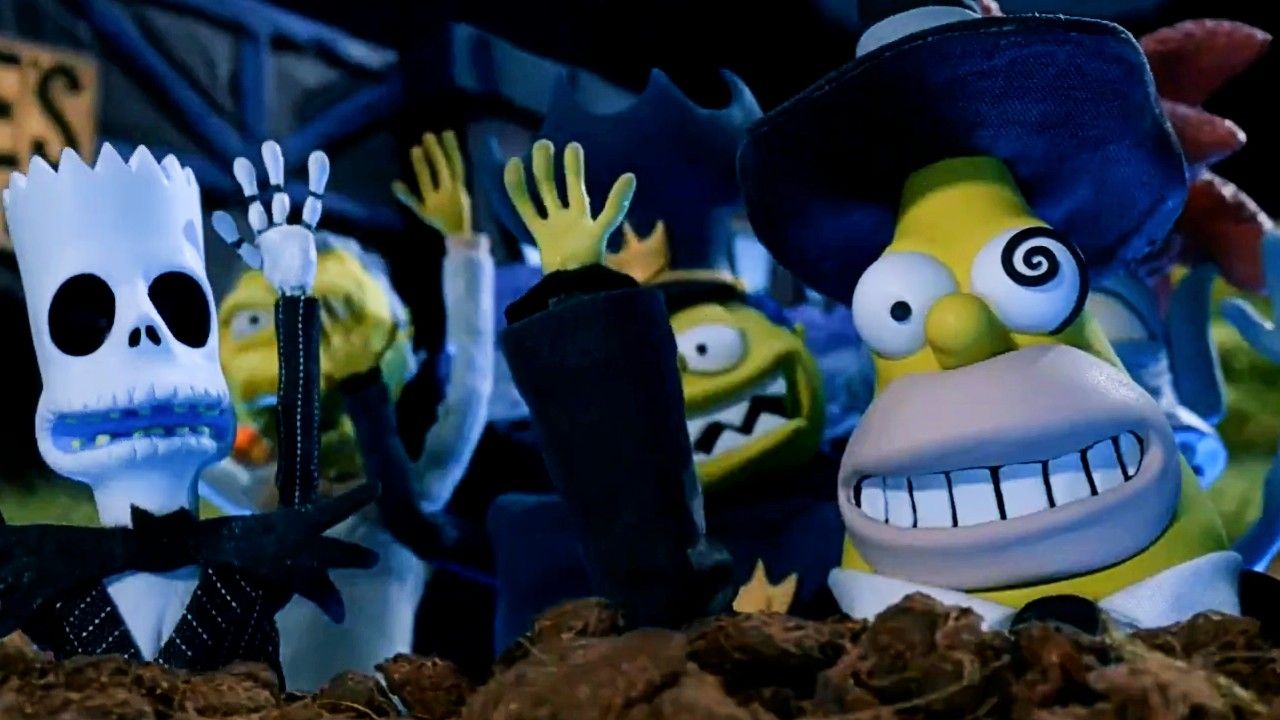
The decision to avoid shortcuts was intentional. John Harvatine IV, the studio’s co-founder, revealed in an interview with Animation World Network that the team prioritized traditional methods, stating, "We kind of just did old school the whole way, from sculpting by hand."
This "old school" approach carries a profound weight in the current technological climate. Sculptor Jim McKenzie, who worked on the project, echoed this sentiment in a conversation with Entertainment Weekly: "I think in a time of AI, to be involved with something that’s truly handmade, it’s very special these days."
This commitment to the craft is not merely nostalgic; it is a tactical choice to preserve the "imperfections" that define human art. When an animator moves a puppet by a fraction of an inch, the resulting micro-stutters and physical textures provide an authenticity that an AI, which strives for mathematical perfection, simply cannot replicate.
Supporting Data: The Cost of Craft vs. The Value of Vision
While AI tools are being marketed as the "future of animation"—promising to reduce production times and costs by automating in-betweening and character movement—the industry remains deeply divided. The argument for AI is rooted in efficiency: the ability to iterate faster and reach scale. However, the data surrounding audience reception suggests that viewers are becoming increasingly savvy, and perhaps fatigued, by the "uncanny valley" and sterile aesthetics of hyper-perfected digital animation.
Laika’s box office success with Wildwood serves as a critical data point. Despite the high overhead costs of stop-motion—which involves thousands of individual set pieces, costumes, and months of labor for a few seconds of footage—the studio continues to command a loyal, paying audience.
The economic model of stop-motion is notoriously difficult. A single puppet can take weeks to engineer, and a feature-length film can require years of continuous production. Yet, when compared to the short-term spikes often seen in AI-assisted content, the longevity of these physical films remains superior. They become cultural artifacts, preserved in museums and discussed in film history courses, whereas the lifespan of algorithmically generated content is often limited to the duration of a social media scroll.
Official Responses and the "Human" Philosophy
The shift back to the physical is not just about aesthetics; it is about identity. Throughout the industry, creators are beginning to speak out against the "Just Press Animate" culture.
The philosophy at Laika, for instance, is built on the belief that animation is a collaborative performance. When a lead animator touches a puppet, they are essentially acting. They are imbuing the inanimate object with the weight of a physical performance. In contrast, AI models are trained on existing human data, effectively creating a "shadow" of past performances rather than generating a new, unique moment of artistic expression.
As Lisa Simpson notes in the "Treehouse of Horror" special, "Halloween episodes are not canon." This statement serves as a meta-commentary on the freedom of the form. When creators step outside the rules, they find the space to experiment with style. By choosing stop-motion for a 2D-native show, the producers of The Simpsons signaled that they value the experience of the medium over the convenience of the established format.
Implications for the Future of Animation
The implications of this "handmade rebellion" are far-reaching. As AI tools become more prevalent in major studio pipelines, we are likely to see a bifurcation in the market. On one side, there will be the "perfected" content—fast, cheap, and visually slick, but likely to suffer from the same lack of personality that plagues mass-produced media. On the other side, there will be a growing "boutique" market for handmade works.
This mirrors the history of music. Even with the rise of digital streaming and perfectly quantized, auto-tuned audio, the demand for vinyl records and live, unpolished instrumentation has skyrocketed. People crave the human element, the crackle on the record, and the slight tempo fluctuations that signify a real person behind the instrument.
Animation is currently at a similar crossroads. The success of Wildwood and the viral popularity of the Simpsons stop-motion short demonstrate that audiences are not just willing to accept the handmade; they are actively seeking it out as an antidote to the sterile perfection of AI-generated imagery.
A Legacy of Innovation
It is fitting that The Simpsons chose to honor The Nightmare Before Christmas. When director Henry Selick released his masterpiece in 1993, he faced immense skepticism. At the time, stop-motion was widely considered a "dead" medium, a relic of the Harryhausen era that could not compete with the rise of modern blockbuster CGI.
Selick proved the naysayers wrong. The Nightmare Before Christmas did not just succeed; it became a cultural juggernaut, proving that a stop-motion feature could be a mainstream, global phenomenon. That success laid the groundwork for the formation of studios like Laika, which would go on to produce Coraline, Kubo and the Two Strings, and Wildwood.
Three decades later, the cycle has repeated itself. Stop-motion is once again being framed as an "old hat" technique in the face of new digital marvels. Yet, much like in 1993, it is proving to be the most resilient form of animation. It is a slow, painstaking, and deeply vulnerable way to create art. It requires the animator to be present, to be patient, and to be human.
Conclusion: Two Thumbs Up for the Human Touch
The "Treehouse of Horror" sequence may only last for a fleeting moment, but it represents a much larger movement. The industry is currently in a fight for the soul of animation. As AI companies push for the total automation of the creative process, the work of Stoopid Buddy Stoodios and the team at Laika stands as a bulwark against the tide.
These gruesome, beautiful, and tactile puppet caricatures are more than just a Halloween gimmick. They are a statement that art should be messy, that it should be difficult, and above all, that it should be a product of human labor. In a world of infinite, effortless content, the most radical thing an artist can do is slow down and build something with their own two hands. For that commitment to the craft, we can only offer two enthusiastic thumbs up. The future of animation doesn’t have to be perfect; it just has to be real.