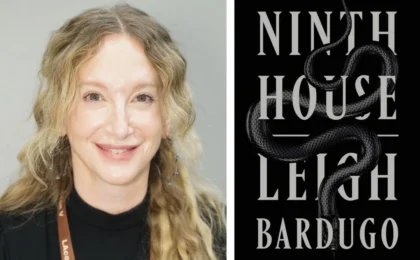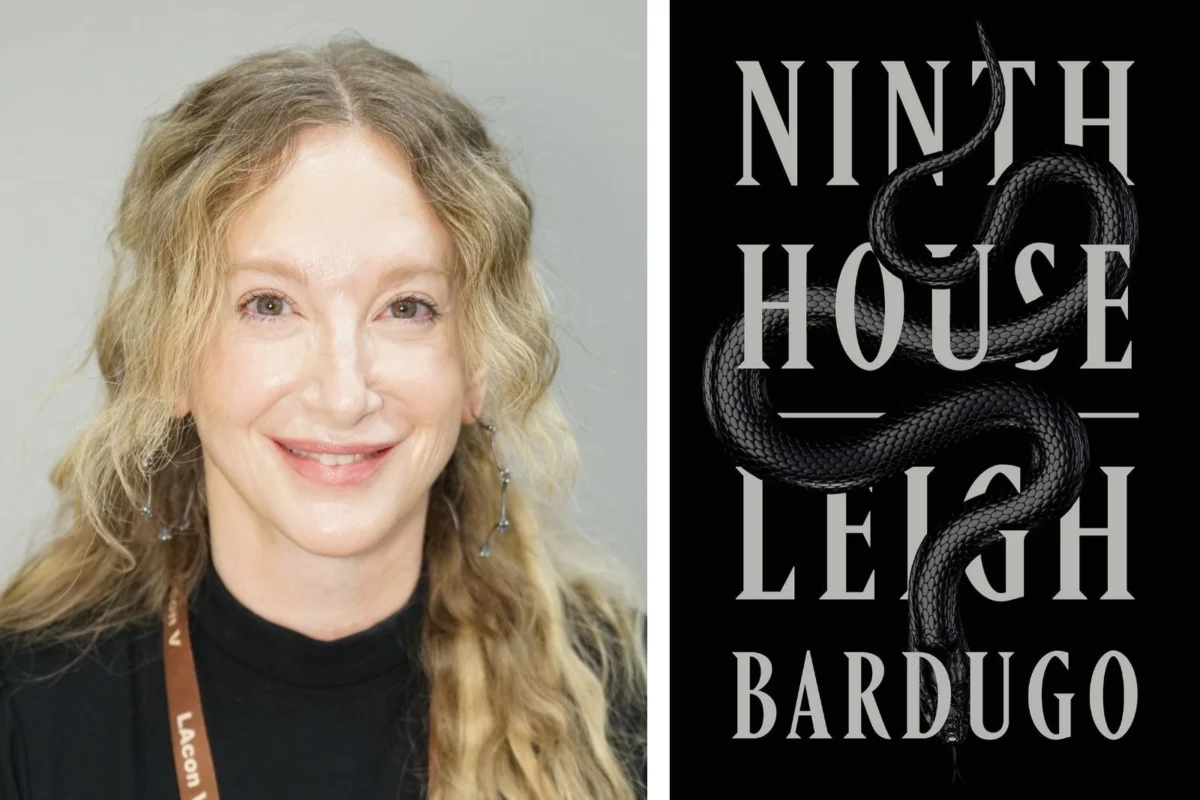
In a development that has sent ripples of disappointment through the literary and television communities, the long-gestating adaptation of Leigh Bardugo’s acclaimed dark fantasy novel, Ninth House, has officially been shelved. After seven years of uncertainty, speculation, and sporadic updates, Amazon MGM Studios has confirmed that the project is no longer moving forward.
For fans of Bardugo’s work—a fanbase that has grown exponentially since the global success of the Grishaverse—this news marks a definitive, if disheartening, conclusion to a project that once held immense promise. The decision to abandon the series leaves a void in the current landscape of adult fantasy television, where high-concept, grounded supernatural dramas are increasingly sought after.
A Chronicle of Stalled Momentum
The journey of Ninth House from the page to the screen has been characterized by long periods of silence punctuated by brief flickers of progress.
When Amazon Studios first announced they had optioned the rights to Leigh Bardugo’s adult debut in 2017—prior to the novel’s publication—expectations were sky-high. The book, which hit shelves in 2019, was an instant critical and commercial success, topping The New York Times Best Seller list and earning praise for its gritty, atmospheric depiction of Yale University’s secret societies through a lens of occult horror.
For years, the project remained in "development hell," a common industry purgatory where intellectual property is held by a studio without moving into active production. In 2023, the silence was briefly broken when Bardugo herself confirmed that a pilot script had been drafted and that she had been intimately involved in the creative process. This update provided a glimmer of hope that the series might finally be nearing a green light.
However, that momentum proved unsustainable. Following the lack of further official announcements, industry analysts and fans began to suspect that the project had lost its priority status within the massive, ever-shifting portfolio of Amazon MGM Studios. The final confirmation arrived this week via Matt Webb Mitovich of Matt’s Inside Line, who reported that internal sources at Amazon MGM Studios have confirmed the project is no longer an ongoing concern for the studio.
The World of Alex Stern: Why ‘Ninth House’ Mattered
To understand why the cancellation of Ninth House is being mourned by the literary community, one must look at the unique narrative landscape Bardugo constructed. The series follows Galaxy "Alex" Stern, a young woman who survives a horrific, unsolved homicide and is offered a full scholarship to Yale. The catch? She must monitor the university’s eight "Houses of the Veil," secret societies that engage in necromancy, blood magic, and, in the case of the Ninth House (Lethe), the policing of these illicit activities.
The trilogy—comprised of Ninth House (2019), Hell Bent (2023), and Dead Beat (2024)—is a rare example of adult dark fantasy that balances complex character work with a biting critique of institutional power. It is a story about privilege, trauma, and the literal ghosts of the past.
The aesthetic of the books—a blend of Ivy League prestige and grotesque, occult horror—offered a distinct visual language that television producers frequently attempt to capture but rarely execute with the level of nuance Bardugo provided. Unlike many young adult adaptations that skew toward sanitized romance, the Ninth House series is unapologetically violent, morally gray, and intellectually dense. Its failure to reach the screen is seen by many as a missed opportunity to push the boundaries of what fantasy television can look like in the streaming era.
The Streaming Landscape and the "Development Trap"
The cancellation of Ninth House serves as a case study for the current economic realities of streaming platforms. In the mid-2010s, services like Netflix and Amazon Prime Video were on a spending spree, optioning as many high-profile literary properties as possible to secure "the next Game of Thrones."
However, the post-pandemic landscape has seen a sharp pivot toward fiscal conservatism. Studios are now far more selective about which projects they move from the script stage to production. The "development trap" has become increasingly common: studios pay to keep rights, commission scripts to keep the option alive, but ultimately decide that the projected budget for a series—especially one requiring significant VFX and period-accurate location work—does not align with their current viewership metrics or financial risk profiles.
Furthermore, Amazon MGM Studios has been heavily invested in tentpole franchises like The Lord of the Rings: The Rings of Power and The Boys. With limited resources allocated to genre television, smaller, more niche-oriented adaptations like Ninth House often struggle to compete for funding against established blockbusters with built-in, global audiences.
Industry Implications and Future Prospects
While the news is undeniably a "huge bummer," it is not necessarily the final death knell for the story of Alex Stern. In the world of intellectual property, a project being dropped by one studio does not mean the rights are permanently surrendered.
Leigh Bardugo is a powerhouse author with a proven track record. Her previous adaptation, Shadow and Bone on Netflix, garnered a massive cult following and showcased the potential for her work to translate into high-end, visually stunning television. Despite its cancellation after two seasons—a move that similarly outraged fans—it proved that Bardugo’s world-building has the capacity to sustain a global audience.
Industry experts suggest that if the rights to Ninth House revert back to the author, there could be a competitive bidding war among other platforms. Potential homes for such a series could include networks or streamers looking to bolster their "darker" content rosters, such as HBO/Max, Apple TV+, or even a prestige cable network that could provide the budget and creative freedom required for such a dark, complex narrative.
What This Means for Fans
For the dedicated readers who have followed Alex Stern through three books, the loss of this adaptation is a reminder of the fragility of fandom-driven media. However, it also highlights the resilience of the books themselves. Unlike television shows, which are subject to the whims of algorithms and studio executives, the novels remain intact.
The completion of the trilogy with Dead Beat in 2024 provides fans with a satisfying conclusion that no cancellation can take away. The books have already achieved critical acclaim, and their legacy is cemented in the canon of contemporary fantasy. While an on-screen iteration would have provided a new way to experience the damp, haunted halls of New Haven, the source material remains a gold standard for the genre.
Ultimately, the lesson here is one of patience. Many beloved adaptations—from The Sandman to Good Omens—languished in development for decades before finally finding the right creative team and the right home. The Ninth House project may be dead at Amazon, but the story of Lethe and its reluctant guardian is far too compelling to be permanently buried. For now, fans will have to return to the pages of the trilogy, where the ghosts of Yale are still very much alive.