In the evolving landscape of 21st-century sequential storytelling, the traditional "direct market" of comic shops and monthly single-issue floppy comics is no longer the sole arbiter of success. For seasoned industry veteran Justin Jordan—known for his high-octane work on Luther Strode, Spread, and various DC Comics titles—the most significant audience engagement of his career has occurred entirely outside the brick-and-mortar storefront.
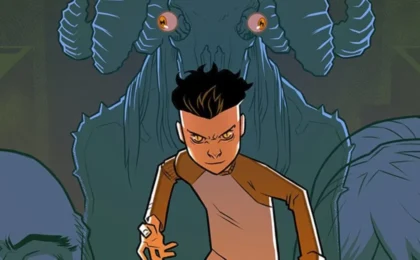
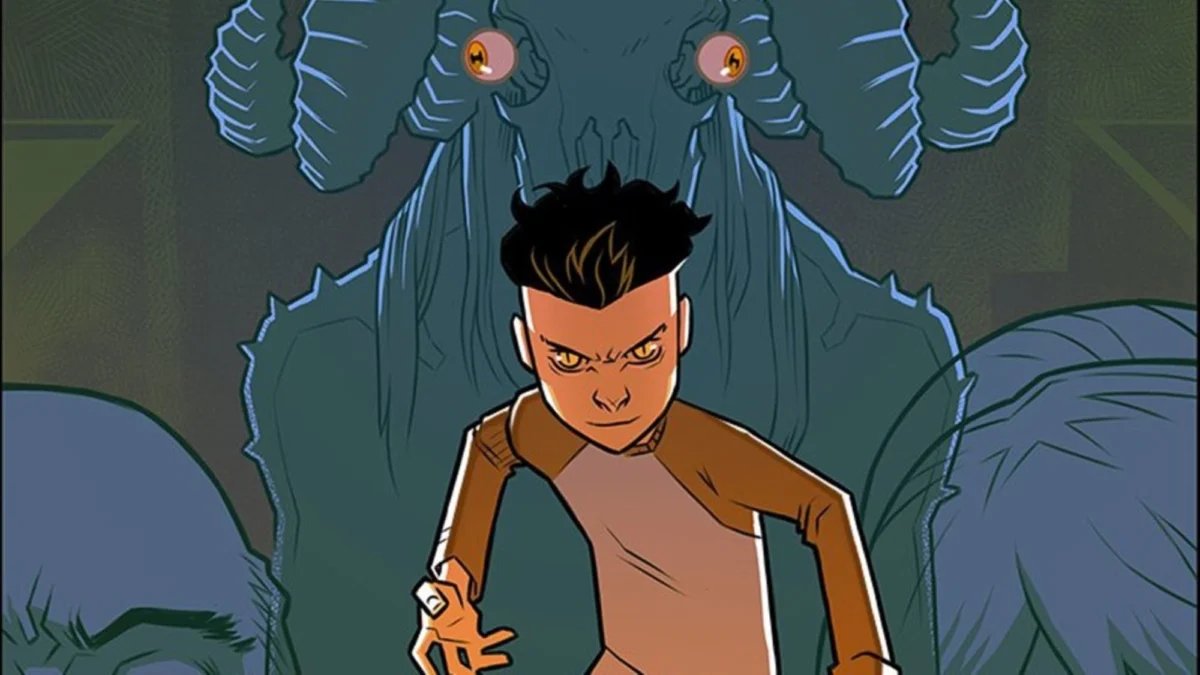
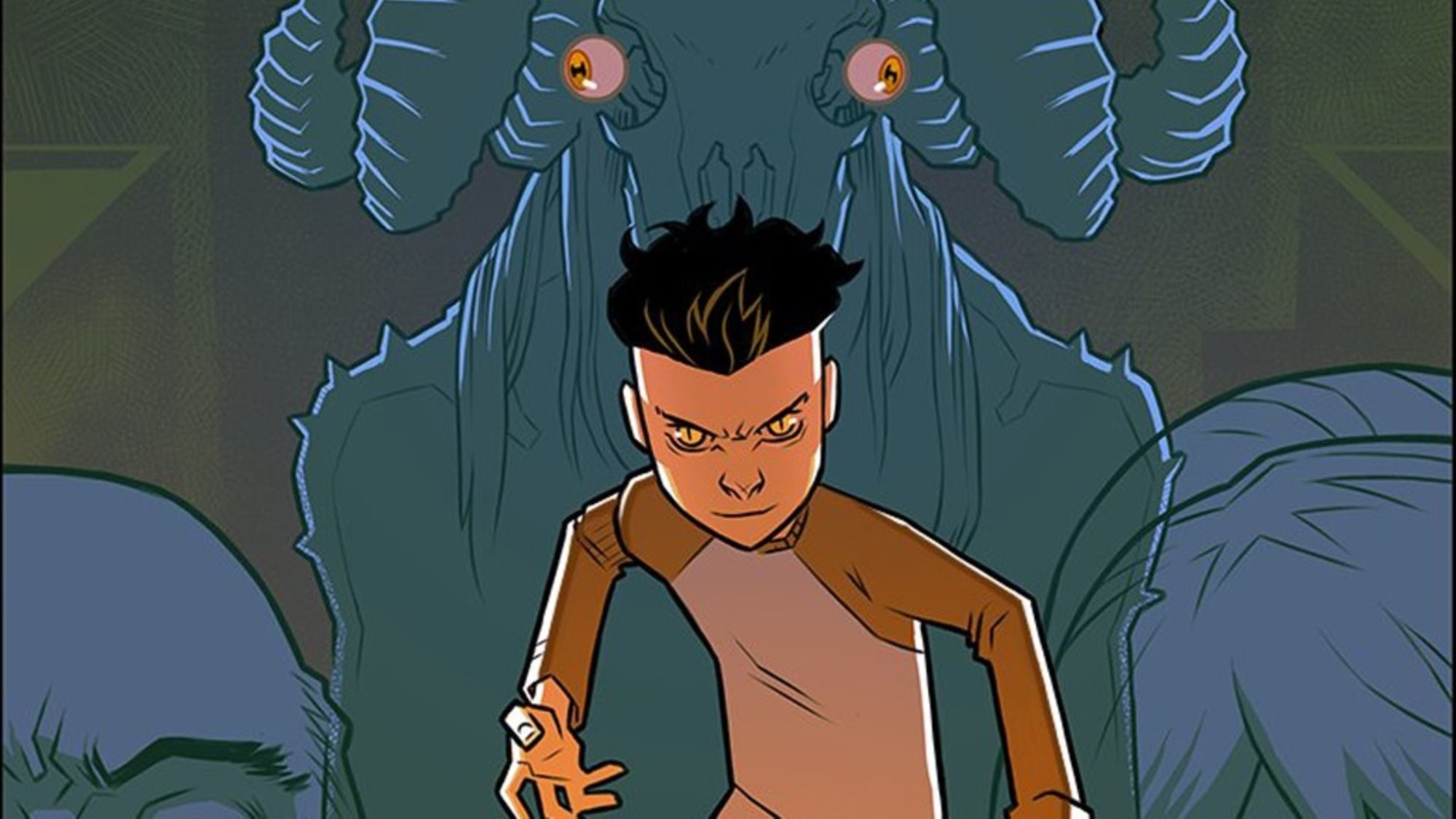
His series Urban Animal, created in collaboration with artist John Amor and letterer Micah Myers, has quietly amassed a staggering readership on the digital platform Webtoon. With nearly half a million subscribers and a consistent weekly readership hovering between 80,000 and 100,000, Jordan has found himself at the vanguard of a shift in how creators monetize their intellectual property.
The Disconnect Between the Direct Market and Global Readership
For years, the industry has relied on the "direct market"—the network of independent comic book stores—as the primary barometer for a comic’s health. However, as Jordan points out, this narrow focus often obscures the true scope of the medium’s popularity.
"I have a bad habit of saying ‘comics’ when what I am actually talking about is ‘direct market comics,’" Jordan notes. "We talk about comics being in trouble based on what’s happening in the direct market. But while the direct market has its ups and downs, comics—sequential storytelling—are enormously popular."
To illustrate this disparity, one only needs to look at the gargantuan sales figures of authors like Dav Pilkey, whose Dogman series commands print runs in the millions. Similarly, the manga industry in the United States routinely sees volumes selling tens of thousands of copies per release, figures that would be considered blockbuster hits in the domestic superhero market. The webcomic space, and specifically platforms like Webtoon, operates on a scale that defies traditional comic industry logic.
A Chronology of Success: From DC to Webtoon
Justin Jordan’s career serves as a bridge between the old guard of comics and the new digital wave. Having cut his teeth at DC Comics on titles like Superboy, New Guardians, and The Curse of Brimstone, and having revitalized Shadowman for Valiant, Jordan is no stranger to the constraints and rewards of work-for-hire publishing.
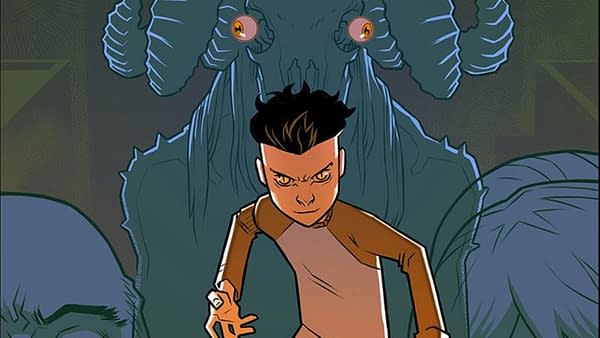
However, the transition to Urban Animal represented a fundamental shift in his business model. Since its launch on Webtoon, the series has undergone three seasons of growth. While a traditional monthly comic book might struggle to maintain consistent sales over a long period, Urban Animal has built a sustainable, long-term ecosystem. By late 2020, the series had already cemented itself as a cornerstone of the platform’s superhero category, proving that readers are more than willing to follow a serialized story across a digital interface for years rather than months.
Decoding the Data: The Economics of Free-to-Read
The most common criticism leveled at digital platforms is the "free-to-read" model. If the content is free, how does the creator pay the rent? The answer lies in a multi-tiered revenue strategy that combines licensing, advertising, and user-microtransactions.
The Licensing and Ad-Revenue Model
Urban Animal operates as a featured series on Webtoon. This status is critical; it provides the creator with a baseline license fee per episode, which provides a guaranteed income stream. On top of this, Jordan and his team receive a share of the platform’s advertising revenue, which scales with the number of views the series accumulates.

The Fast Pass System
The "Fast Pass" is the primary engine of monetization for the platform. It allows dedicated readers to pay a nominal fee—roughly 50 cents per episode—to access content before it is released to the general public.
"The minimum number of paying people, based on what we do make from Fast Pass and our split with Webtoons, is 4,000 people a week," Jordan explains. While he notes that this figure is likely much higher, even at a baseline, it provides a recurring revenue stream that mirrors the stability of a salaried position. When combined with licensing fees, Jordan reveals that his income from Urban Animal is often on par with, or exceeds, the page rates offered by major legacy publishers.
Implications for Creator Ownership
Perhaps the most significant departure from the traditional model is the nature of ownership. In the direct market, creator-owned books often involve a publisher who takes a stake in the intellectual property (IP). In contrast, the Webtoon model functions closer to a prose short-story license.
Jordan retains the rights to his work, with the platform holding an exclusive license for a specific window. Once that window expires, the creator is free to exploit the IP through other channels. This is a game-changer for creators looking to build long-term value. By the end of season three, Urban Animal will have produced enough content to fill roughly 30 standard-sized single issues. This sheer volume of material allows for a level of narrative depth and character development that is rare in the high-churn environment of the direct market.
The "Hustle": Bridging the Digital and Physical
With the digital success of Urban Animal firmly established, Jordan is now looking to bridge the gap between his online audience and the physical bookshelf. Partnering with Rocketship Entertainment—a publisher that specializes in bringing digital-first comics to print—Jordan is launching a Kickstarter campaign to collect the first season of Urban Animal.
"Part of the reason we went with [Rocketship] instead of trying to get it out through, say, Image or another primarily direct market publisher is time," Jordan explains. Reformatting a long-form, vertical-scrolling webcomic for a traditional print layout is a technical challenge that requires specialized expertise.

Crowdfunding has become an essential tool for this transition. By leveraging his massive digital audience to fund the print edition, Jordan is bypassing the traditional distribution gatekeepers. He views this as a growing trend, citing the success of major creators like Scott Snyder in the crowdfunding space. It is a strategic move that acknowledges a simple truth: the audience is already there; the publisher’s job is merely to facilitate the conversion from digital fan to physical book owner.
Conclusion: The Future of Sequential Storytelling
The story of Urban Animal is not just one of a successful comic; it is a case study in the democratization of the industry. By moving away from the narrow confines of the direct market and embracing the massive, global reach of digital platforms, creators like Justin Jordan are finding new ways to connect with readers and sustain their careers.
The combination of a free-to-read model that builds massive brand awareness, a paid "Fast Pass" system that generates reliable income, and a long-term strategy for physical print collections offers a roadmap for the future. As digital platforms continue to grow, the distinction between "webcomic" and "comic book" will continue to blur. For creators, the lesson is clear: the audience is no longer waiting in line at the comic shop on Wednesday morning—they are waiting for the next notification on their phone.

For those interested in the journey of Joe Gomez—a high schooler turned saber-toothed tiger—the Urban Animal saga continues to unfold, proving that with the right mix of creative quality and business acumen, the digital frontier is more profitable than ever.