

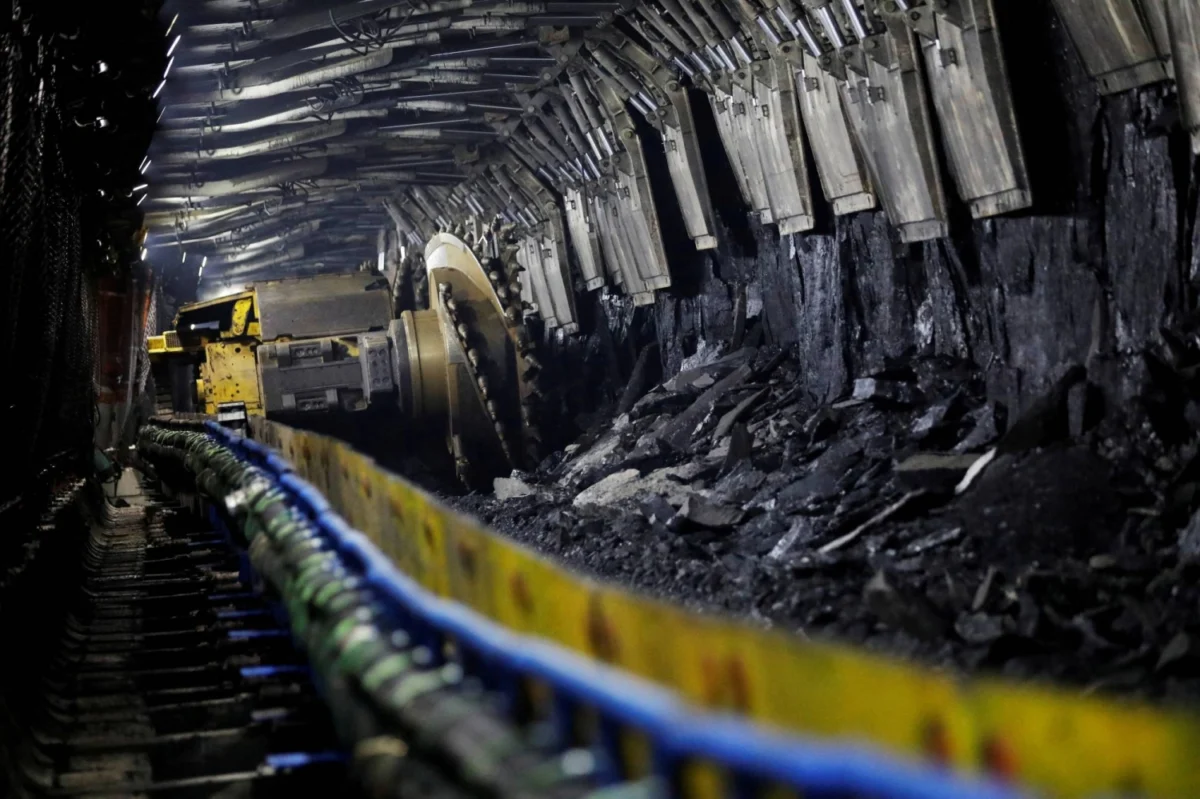
QINYUAN, China – A catastrophic gas explosion at the Liushenyu coal mine in northern China’s Shanxi province has left the nation in mourning, as authorities confirmed Saturday that the death toll has risen to 82. The disaster, one of the deadliest industrial accidents in China in the past decade, has triggered a massive emergency response and prompted direct intervention from the highest levels of the Chinese government.
With nine workers still unaccounted for, the search and rescue operation continues under harrowing conditions deep beneath the surface of Qinyuan County. The sharp escalation in confirmed fatalities—up from an initial report of eight—has sent shockwaves through the local community and raised urgent questions regarding safety protocols in one of the world’s most critical energy-producing regions.
Main Facts: A Scene of Desolation
The explosion occurred late Friday night, catching a full shift of 247 miners underground by surprise. While initial reports indicated that over 200 workers had been brought to the surface safely, subsequent recovery efforts in the volatile subterranean environment revealed a much grimmer reality.
As of Saturday morning, the official death toll stood at 82, with rescue crews working around the clock to navigate the debris-strewn tunnels. The local emergency management authority in Qinyuan confirmed that the site remains unstable, complicating efforts to locate the nine missing individuals.
State media agency Xinhua, which has been providing rolling coverage of the incident, did not immediately explain the sudden jump in the death toll, though industry experts suggest that the nature of gas explosions—often involving secondary collapses and the spread of toxic gases—frequently results in delayed casualty assessments as rescue teams reach deeper, previously inaccessible sections of the mine.
Chronology of the Disaster
The timeline of the Liushenyu tragedy highlights the rapid transition from a routine work shift to a full-scale national emergency.
- Friday Evening: The Liushenyu coal mine is operating with 247 personnel underground. Late in the shift, a violent gas explosion rocks the facility, compromising the integrity of the mine shafts and trapping workers in various sectors.
- Early Saturday Morning: Initial emergency dispatches reach the site. Early reports from Xinhua suggest a relatively contained incident, noting eight confirmed deaths and suggesting that the vast majority of the workforce had successfully evacuated.
- Saturday Mid-Day: As rescue teams penetrate further into the blast zone, the scale of the tragedy becomes clear. The death toll is revised upward to 82.
- Saturday Afternoon: Chinese leadership issues high-level directives. State media reports that executives of the company responsible for the mine have been taken into police custody as a formal investigation into the cause of the blast is launched.
- Ongoing: Rescue operations persist, with specialized teams utilizing thermal imaging and atmospheric monitoring to locate the remaining nine missing miners.
Supporting Data: China’s Industrial Safety Paradox
For decades, China has been the world’s largest producer and consumer of coal. Historically, the nation’s coal mines were notorious for having some of the highest mortality rates in the world, plagued by frequent gas explosions, flooding, and structural collapses.
However, since the early 2000s, the Chinese government has implemented a series of stringent regulatory overhauls. These include the forced closure of thousands of small, illegal, and unsafe "backyard" mines, the integration of advanced ventilation monitoring systems, and the implementation of mandatory safety training for all personnel.
These efforts have objectively succeeded; annual coal mine fatalities in China have plummeted from thousands in the 1990s to significantly lower figures in recent years. Yet, the Liushenyu incident serves as a painful reminder of the inherent risks that remain. Industry analysts point out that as mines go deeper to extract coal, the geological pressure and the concentration of trapped methane gas increase, requiring constant, high-level vigilance that human error or mechanical failure can easily compromise.
The Liushenyu disaster ranks as one of the most lethal mining incidents of the last ten years, marking a significant setback for the industry’s ongoing safety reforms.
Official Responses: From Beijing to Qinyuan
The scale of the disaster has elicited a swift and stern response from the highest echelons of the Communist Party of China.
The Directive from President Xi Jinping
President Xi Jinping issued an urgent mandate for local authorities to "spare no effort" in the search and rescue operations. Beyond the immediate humanitarian concern, Xi emphasized the legal dimension of the tragedy. He ordered a comprehensive, transparent investigation into the root cause of the explosion, demanding "strict accountability in accordance with the law." This signal suggests that local officials and corporate stakeholders will face intense scrutiny, with the potential for severe criminal penalties for those found to have bypassed safety regulations or ignored warning signs.
The Stance of Premier Li Qiang
Premier Li Qiang echoed the President’s sentiments, focusing on the importance of information integrity and institutional responsibility. Li stressed the necessity of a "timely and accurate release of information," a move seen as an attempt to maintain public trust and prevent the spread of misinformation during a time of national grief. He also reiterated the call for rigorous accountability, underscoring that the government will not tolerate negligence that leads to such a massive loss of life.
Local Enforcement and Corporate Detention
In compliance with central directives, local emergency management authorities have cordoned off the area to prevent further casualties and facilitate the investigation. Xinhua reported that executives from the mining firm responsible for the Liushenyu facility have been detained by public security bureaus. This immediate legal action is standard in high-profile Chinese industrial accidents, serving both as a way to preserve evidence and as a public demonstration of the government’s commitment to holding management accountable for safety breaches.
Implications: The Future of Mining Safety in China
The Liushenyu tragedy is expected to catalyze a massive wave of safety inspections across all coal-producing provinces, particularly in Shanxi, which serves as the heart of China’s coal industry.
Regulatory Tightening
The immediate implication will likely be a national "safety pause," during which mines may be ordered to suspend operations to undergo rigorous audits of their gas detection and ventilation systems. While this may cause temporary disruptions to China’s energy supply, the political pressure to prevent another headline-grabbing disaster will likely outweigh economic considerations in the short term.
Technological Upgrades
Industry experts argue that this incident will accelerate the push for "intelligent mining." This involves the deployment of more autonomous machinery, reducing the number of human workers required to be physically present in the most dangerous, deep-level zones of a mine. By moving miners away from the "face" of the coal seam, the risk of mass-casualty events can be further mitigated.
The Cost of Accountability
The detention of the mine executives highlights a shifting landscape in Chinese corporate governance. For decades, industrial accidents were often treated as "unfortunate costs of growth." Today, the political climate dictates that "safety is the foundation of development." The companies that fail to prioritize this foundation are facing not only financial ruin but also significant prison sentences for their leadership.
Social Impact
For the families of the 82 victims, the loss is immeasurable. The incident has once again turned the spotlight on the hazardous lives of the men and women who power China’s industrial engine. As the nation watches the rescue operations in Qinyuan, the tragedy serves as a somber reflection of the human cost behind the country’s rapid economic ascent.
As the dust settles on the Liushenyu mine, the focus remains on the nine souls still missing. The investigation into whether this was a failure of technology, a failure of management, or a failure of oversight is only just beginning. However, one thing is certain: the events of this past weekend will redefine the safety discourse in the Chinese mining sector for years to come.












No comments yet. Be the first to join the conversation!