

For most, a career in high-end event production in London is defined by the clinking of champagne flutes and the steady flow of fine wine. For Carl Hirschmann, however, this professional necessity was a source of constant physical distress. Suffering from chronic acid reflux triggered by the acidity and sulfites found in traditional wines, Hirschmann found himself at a crossroads: abandon the social demands of his career or find a viable alternative.
His solution did not come from a vineyard in Bordeaux or a cellar in Tuscany, but from the ancient, refined craft of Japanese brewing. Today, his venture, Heavensake, is challenging the conventions of a centuries-old industry by introducing a technique almost entirely foreign to the world of nihonshu (sake): assemblage.
The Genesis: A Discovery in Kyoto
The story of Heavensake begins not in a laboratory, but in the historic backstreets of Kyoto in 2010. Hirschmann, then a seasoned event director, was weary of the health impacts of his profession. His previous encounters with sake were limited to the "bottom-shelf" varieties often served as tepid, low-quality aperitifs in European restaurants—a common reality for many Western consumers at the time.
That changed when he sampled a premium junmai ginjo. Brewed without the addition of distilled alcohol and crafted from rice polished to 60% of its original size (a 40% removal rate), the sake offered a revelation. Beyond its crisp, clean profile and delicate floral notes, it provided a physiological relief that wine never could: no reflux.
"It was a moment of clarity," Hirschmann recalls. The lack of acidity and the purity of the ingredients suggested to him that sake was not just a drink, but a potential lifestyle upgrade for the modern, health-conscious consumer.
The Technique: Borrowing from the Champagne House
While the quality of sake in Japan is world-renowned, the industry has historically operated on a philosophy of "purity of batch." Master brewers, or toji, typically focus on the perfection of a single fermentation cycle.
Hirschmann, however, looked to the French tradition of assemblage. In the Champagne region, the most prestigious houses achieve consistency and complexity by blending different base wines—often from varying years, vineyards, or grape varieties—to create a signature house style. This practice is nearly nonexistent in the world of sake, where the focus remains on the specific characteristics of a single brewery’s output.
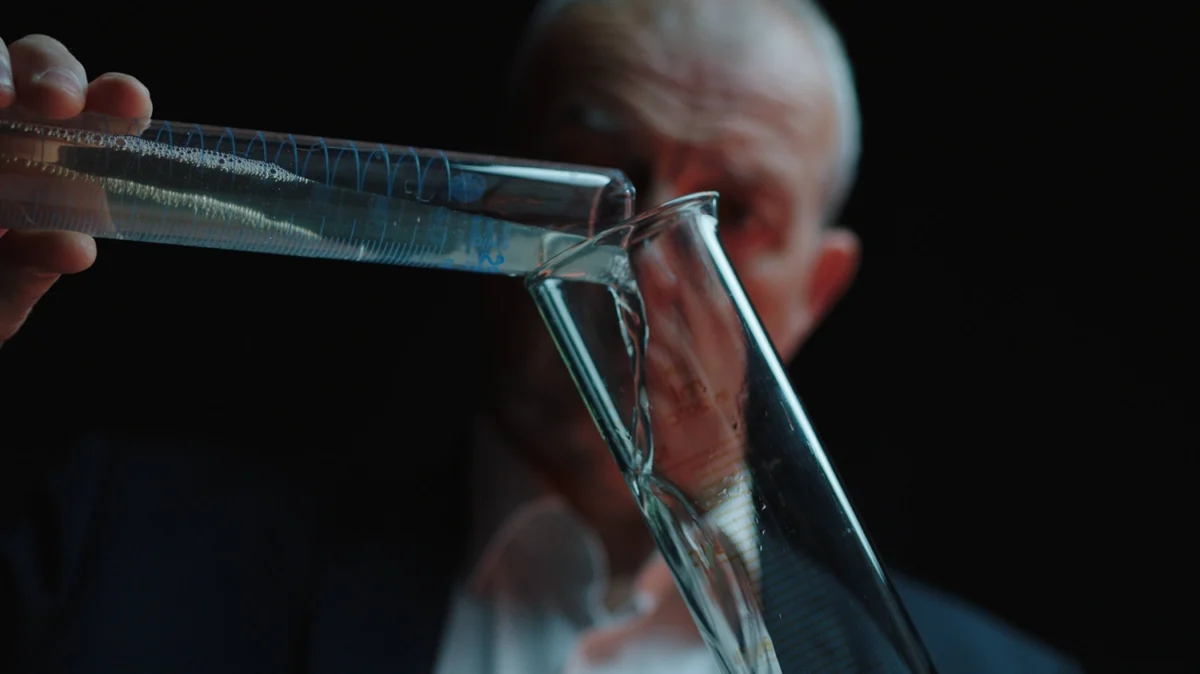
Heavensake operates as a bridge between these two worlds. By partnering with legendary Japanese breweries, the brand applies the French art of blending to Japanese rice wine. This process allows for the creation of a balanced, nuanced flavor profile that remains consistent while elevating the characteristics of the individual sakes used in the blend.
Chronology of a Disruption
- 2010: Hirschmann discovers the health benefits of premium sake during a trip to Kyoto, sparking the initial idea for a bridge between Japanese brewing and Western connoisseurship.
- 2012–2015: Hirschmann spends years studying the intricacies of sake production, navigating the rigid, traditional hierarchies of Japanese breweries.
- 2017: The official launch of Heavensake. The brand debuts its inaugural Junmai Ginjo and Junmai Daiginjo, crafted in collaboration with award-winning Japanese breweries.
- 2018–2020: Expansion into key luxury markets in the United States, France, and the United Kingdom. The brand begins to gain traction in high-end gastronomic circles.
- 2023–2025: Heavensake cements its reputation as a "lifestyle" brand, moving beyond the traditional sushi-bar niche and into mainstream luxury cocktail programs and premium retail spaces.
Supporting Data: The Global Sake Landscape
The sake industry has faced a complex demographic shift over the last two decades. According to data from the Japan Sake and Shochu Makers Association, while domestic consumption in Japan has seen a gradual decline as younger generations pivot toward spirits and wine, exports have reached record highs.
The value of sake exports has increased consistently, driven largely by the "premiumization" of the category. Consumers in the West are increasingly viewing sake as a versatile beverage that pairs not only with Japanese cuisine but with a broad spectrum of global culinary traditions.

| Metric | 2015 (Est.) | 2024 (Est.) | Trend |
|---|---|---|---|
| Global Export Value | ¥14.5 Billion | ¥47.5 Billion | +227% |
| Premium Sake Demand | Low | High | Rapid Growth |
| Average Bottle Price | $25 USD | $65 USD | Significant Increase |
The rise of brands like Heavensake mirrors this data. By positioning sake as a luxury, artisanal product rather than a niche cultural curiosity, companies are capturing a demographic that previously ignored the sake aisle.
Official Responses and Industry Perspectives
The introduction of assemblage has been met with both curiosity and skepticism within the traditional Japanese brewing community. The role of the toji is sacrosanct, and the idea of "blending" the work of multiple breweries is viewed by some as an encroachment on the brewer’s artistic intent.
However, many established breweries have begun to embrace the partnership model. In an interview, one lead brewer noted, "While we take pride in our single-origin approach, the collaboration with Heavensake allows us to reach a global audience that values the ‘house style’ approach common in Europe. It is a different way of appreciating the craft."
For Hirschmann, the response from the market has been the ultimate validator. "The goal was never to replace the traditional sake experience," he explains. "It was to create a gateway. When a consumer recognizes the blending technique—a language they already understand through Champagne—they are much more likely to explore the deeper, more complex world of pure sake."
Implications: The Future of the "Sake Lifestyle"
The implications of Heavensake’s success are twofold: first, it marks a shift in how Japan markets its national beverage; second, it reflects the growing global demand for low-acidity, artisanal alcohol alternatives.
1. The Marketing of Heritage
By packaging sake with a aesthetic that appeals to the "modern luxury" consumer, brands are effectively removing the "barrier of intimidation." Many Western consumers feel they need a degree in brewing to understand the classification of junmai, ginjo, and daiginjo. Heavensake simplifies this by focusing on the flavor profile and the experience, effectively demystifying the category.
2. A Health-Conscious Pivot
As the global alcohol market sees a decline in consumption among Gen Z and Millennials, those who do drink are looking for higher-quality, "cleaner" options. Sake, with its lack of sulfites and lower acidity, is perfectly positioned to capitalize on this trend. Hirschmann’s personal journey from acid reflux to brand founder is a narrative that resonates with a growing segment of the population that is increasingly scrutinizing the ingredients in their glass.
Conclusion: A New Chapter for Rice Wine
Carl Hirschmann’s venture represents more than just a business; it represents a cultural translation. By applying the French principle of assemblage to the Japanese tradition of nihonshu, Heavensake has managed to do what many thought impossible: make a 2,000-year-old tradition feel fresh, modern, and—perhaps most importantly—accessible to those who had previously been forced to walk away from the table.
As the industry continues to evolve, the challenge for sake will be maintaining its authenticity while scaling to meet global demand. If the success of this cross-cultural collaboration is any indication, the future of sake may not be found in sticking strictly to the past, but in the bold, deliberate act of blending it with the new.












No comments yet. Be the first to join the conversation!