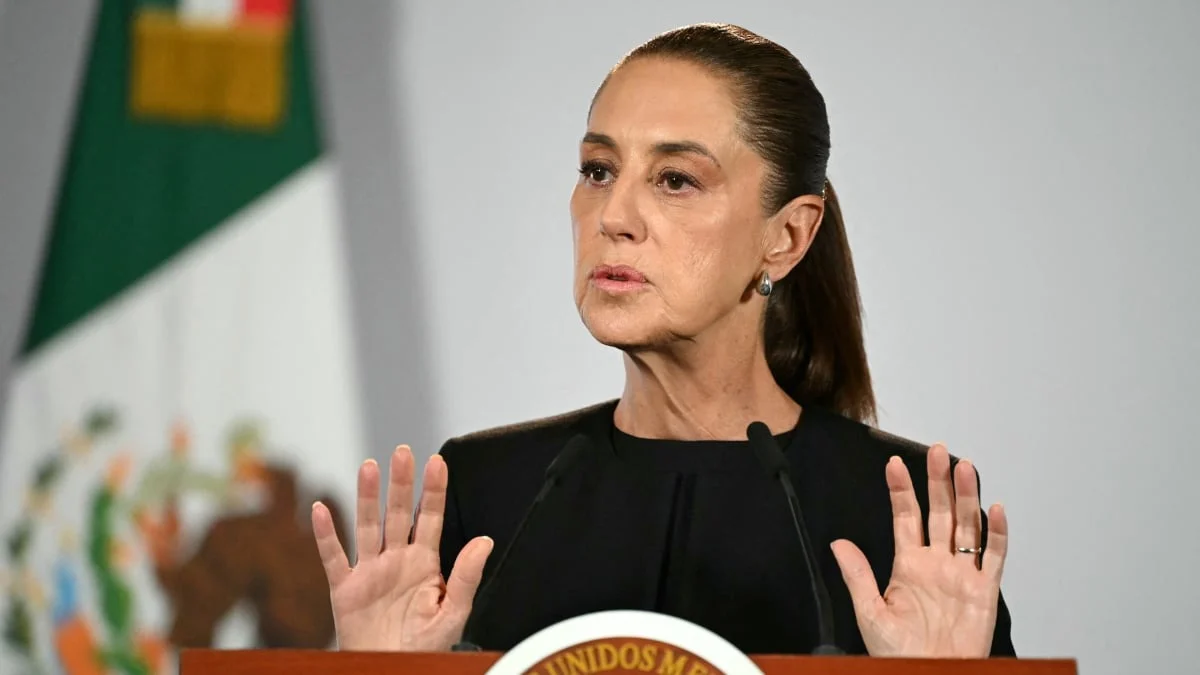
In a landmark move that signals a paradigm shift in how Latin American nations approach digital governance, Mexican President Claudia Sheinbaum signed a sweeping presidential decree on October 14, 2026, aimed at curbing the exposure of minors to harmful content on social media and streaming platforms. The move follows a harrowing tragedy earlier this month in Torreón, Coahuila, where two former students at a secondary school murdered a vice principal and launched a violent assault on their peers.
Investigations into the incident revealed a chilling motivation: the perpetrators were allegedly radicalized and inspired by violent, extremist content disseminated across digital platforms. This incident, which sent shockwaves through the Mexican education system and the public at large, acted as the final catalyst for the government to move beyond advisory warnings and into the realm of legally binding executive action.
The Decree: A Crackdown on Digital Toxicity
The presidential decree, which takes effect immediately, places the onus of child safety squarely on the shoulders of the tech giants. Under the new mandate, social media companies and streaming platforms are strictly barred from displaying or recommending content deemed detrimental to the mental and physical well-being of minors.
The scope of the prohibited content is extensive. It includes material that "generates or promotes" hate speech, extremist ideologies, sexual exploitation, content encouraging suicide or self-harm, material glamorizing eating disorders, and documentation of cyberbullying or other illegal conduct.
Mandatory Compliance and Enforcement
The decree does not merely request voluntary moderation; it establishes a firm regulatory framework. Tech companies have been granted a narrow window of 30 days to bring their platforms into compliance with the new standards. The requirements are twofold:
- Robust Age Verification: Platforms must implement rigorous systems to confirm the ages of their users to ensure minors are not accessing restricted content.
- Enhanced Parental Controls: Platforms must provide parents and guardians with intuitive, effective tools to monitor and restrict the digital environment of their children.
President Sheinbaum has adopted a "comply or face consequences" stance. She has explicitly stated that should platforms fail to meet the one-month deadline, she is prepared to fast-track a second, more punitive piece of legislation that would outline significant legal and financial repercussions for non-compliant entities.
Chronology: From Classroom Tragedy to Federal Mandate
To understand the urgency behind President Sheinbaum’s actions, one must look at the timeline of events that led to this historic legislative pivot:
- Early October 2026: A violent school shooting occurs in Torreón, Coahuila. Initial forensics and digital investigations identify a direct link between the attackers’ online consumption habits and their radicalization.
- October 10, 2026: Mexican authorities begin public discussions regarding the responsibility of global tech companies in preventing the proliferation of extremist content.
- October 12, 2026: Government officials hold closed-door consultations with representatives from major digital conglomerates, including Meta, TikTok, and Google.
- October 14, 2026: President Sheinbaum signs the presidential decree, marking a major turning point in national policy regarding digital safety.
This executive action did not occur in a vacuum. It builds upon a series of policy adjustments initiated just last month, when Sheinbaum announced strict new nationwide education rules. These included a comprehensive "bell-to-bell" cellphone ban and significant restrictions on tablet usage in public schools. By removing digital distractions and potential vectors for bullying during school hours, the government signaled its intent to reclaim the physical and mental space of the classroom.
The Global Context: A Growing Movement
Mexico is far from alone in its skepticism regarding the current safety standards of major tech platforms. Across the globe, governments are increasingly viewing the digital landscape as an unregulated "Wild West" that requires urgent intervention.
The Australian Precedent
Australia recently made international headlines by becoming the first nation to pass a total ban on social media for children under the age of 16. The policy represents the most aggressive stance taken by a Western democracy to date. While the Australian model focuses on access, the Mexican model focuses on content-specific restriction, yet both share the same fundamental premise: the current business models of social media companies are fundamentally incompatible with the developmental needs of children.
The United States: A Patchwork Approach
In the United States, the response has been markedly different. While states like New York and California have taken individual steps to implement phone bans in classrooms and regulate data harvesting for minors, the federal government has yet to enact a singular, sweeping piece of legislation. The U.S. approach remains a fragmented patchwork of state laws and school district policies, leaving the burden of safety largely to individual school boards and parents rather than federal mandate.
Supporting Data and the Mental Health Crisis
The drive for these regulations is backed by an increasing body of research linking excessive social media consumption—particularly algorithmic feeds that prioritize engagement through shock and negativity—to the decline of adolescent mental health.
According to psychological studies cited by proponents of the decree, the rapid-fire nature of algorithmic content delivery can exacerbate anxiety, depression, and body dysmorphia in developing brains. Furthermore, the ease with which extremist groups can "micro-target" vulnerable youth through recommendation engines has been identified as a significant national security threat. By mandating that platforms purge such content, Mexico aims to disrupt the feedback loops that lead to the type of radicalization seen in the Torreón tragedy.
Official Responses and Industry Silence
The reaction from the tech sector has been conspicuously muted. Reports from Reuters and other major news outlets confirm that officials held high-level meetings with representatives from Meta, TikTok, and Google prior to the signing of the decree. However, in the days following the announcement, none of the companies involved have issued a formal public comment or a roadmap for compliance.
This silence suggests that the industry is currently in a state of calculation, weighing the legal and logistical challenges of modifying their global algorithms to comply with a country-specific mandate. Tech platforms have long argued that they are merely "platforms" and not publishers, a defense that is increasingly being rejected by international courts and legislative bodies.
Implications: The Road Ahead
The long-term success of the Mexican decree remains a subject of intense debate among policy experts, tech analysts, and child safety advocates.
The Efficacy of Age Verification
One of the most persistent critiques of such laws is the technical difficulty of verifying age. Critics point out that "age gates" are easily circumvented by tech-savvy minors using VPNs or falsified identification data. There is also the significant privacy concern: if platforms are required to verify the identity and age of every user, they must collect even more sensitive personal data, potentially creating a new risk vector for identity theft and data breaches.
The "Stop-Gap" Argument
Child safety advocates argue that regardless of the technical imperfections, government intervention is a necessary "stop-gap." They argue that relying on platforms to self-regulate has proven to be a failure. By setting a legal standard, the government creates a baseline expectation of safety, even if that standard is initially difficult to enforce perfectly.
Economic and Diplomatic Ramifications
Mexico is a critical market for global tech firms. If the government follows through with its threat to impose punitive measures, it could set a precedent for other developing nations to follow suit. This could force a "Splinternet" scenario, where global companies are forced to create "walled garden" versions of their platforms for specific countries to meet local regulatory requirements, fundamentally changing the economics of the internet.
Conclusion
The events in Torreón, while tragic, have galvanized a national conversation in Mexico that is now reverberating globally. By signing this decree, President Sheinbaum has placed Mexico at the vanguard of a movement seeking to hold the digital world accountable for its real-world consequences. Whether this decree succeeds in creating a safer digital environment for Mexican youth or becomes a case study in the challenges of regulating global technology, one thing is clear: the era of unchecked digital expansion is drawing to a close. The coming month will be critical, as the world watches to see if the titans of Silicon Valley choose to adapt or resist the new reality of the digital age.