

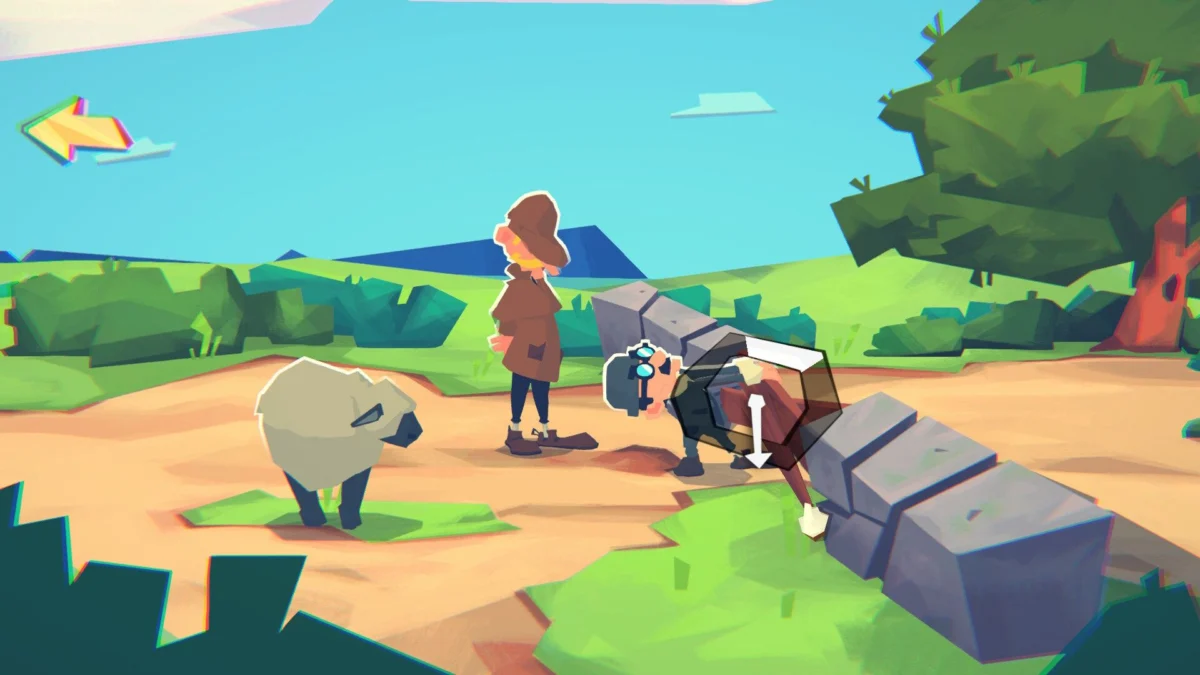
A revolutionary new puzzle adventure from Draw Me A Pixel challenges conventional gaming norms by placing players directly inside a failing fictional game, tasking them with debugging its very existence alongside a comically inept Sherlock Holmes and Dr. Watson. Crushed In Time promises a uniquely tactile experience, blending physics-based puzzling with a rich, meta-narrative and distinctively British humor, setting it apart in the evolving landscape of adventure games.
Main Facts: Unraveling the Game Within a Game
Crushed In Time, the latest offering from the acclaimed indie studio Draw Me A Pixel, creators of the BAFTA-winning There Is No Game: Wrong Dimension, is poised to redefine the puzzle adventure genre. This highly anticipated title thrusts players into a meta-narrative where they are not merely playing a game, but rather, they are a "visitor" inside a broken game that has just launched to a flurry of negative reviews. The core objective? To deduce and rectify the myriad glitches and narrative inconsistencies plaguing this fictional creation.
At the heart of this digital quandary are none other than Arthur Conan Doyle’s iconic detective duo, Sherlock Holmes and Dr. Watson. However, in a radical departure from their traditional portrayals, these versions are gloriously incompetent. This Holmes is described as "a bit dingy," and Watson "isn’t much better," with both bumbling through even the simplest daily tasks. This intentional absurdity draws immediate comparisons to the beloved animated antics of Wallace and Gromit, a parallel the developers openly embrace.
The gameplay itself is a marvel of intuitive yet unconventional design. Eschewing traditional inventories, players interact with the game world through a unique "poke and pull" mechanic, manipulating objects and characters with satisfying physics-based interactions. This direct, almost physical engagement with the environment forms the backbone of its clever, tongue-in-cheek puzzling. The recently released demo has garnered significant buzz, leaving players clamoring for more of its deliciously tactile puzzles and exquisitely balanced comedic timing. It signals a bold new direction for adventure games, aiming to transcend the genre’s niche appeal through innovation and humor.
Chronology: The Evolution of a Meta-Masterpiece
The journey of Crushed In Time began, much like its predecessor, with a deep dive into meta-narrative, a genre Draw Me A Pixel has effectively made its own. Developer Cammisotto’s vision was clear: to build upon the success of There Is No Game: Wrong Dimension‘s fourth-wall-breaking humor and player-game relationship, but to explore an entirely new dimension—time travel, specifically through the production timeline of a game.
The Genesis of an Idea: Cammisotto explains that the initial spark for Crushed In Time was born from the desire to tell a story where the player isn’t just interacting with a finished product, but actively engaging with its creation and flaws. The concept of a game in distress, besieged by poor reviews right after launch, provided a compelling, humorous, and relatable starting point for both developers and players. This narrative framework naturally led to the idea of a player character who exists within the game, rather than simply controlling it.
Character Conception: The decision to feature Sherlock Holmes and Dr. Watson, albeit in a highly parodic form, was a deliberate choice to ground the absurd meta-narrative in familiar, yet subverted, archetypes. Cammisotto sought to create a duo that was "both funny and endearing, a bit like Wallace and Gromit in terms of tone and lightness." This meant reimagining Holmes as a detective whose deductions are "among the worst imaginable" and Watson as his equally hapless companion. This comedic subversion provided fertile ground for the game’s British-style humor, allowing for exaggerated reactions to "inexplicable situations" driven by the meta-aspect of the game. The voice actors, according to Cammisotto, had "a lot of fun with these two oddballs," further cementing their endearing, if incompetent, personalities.
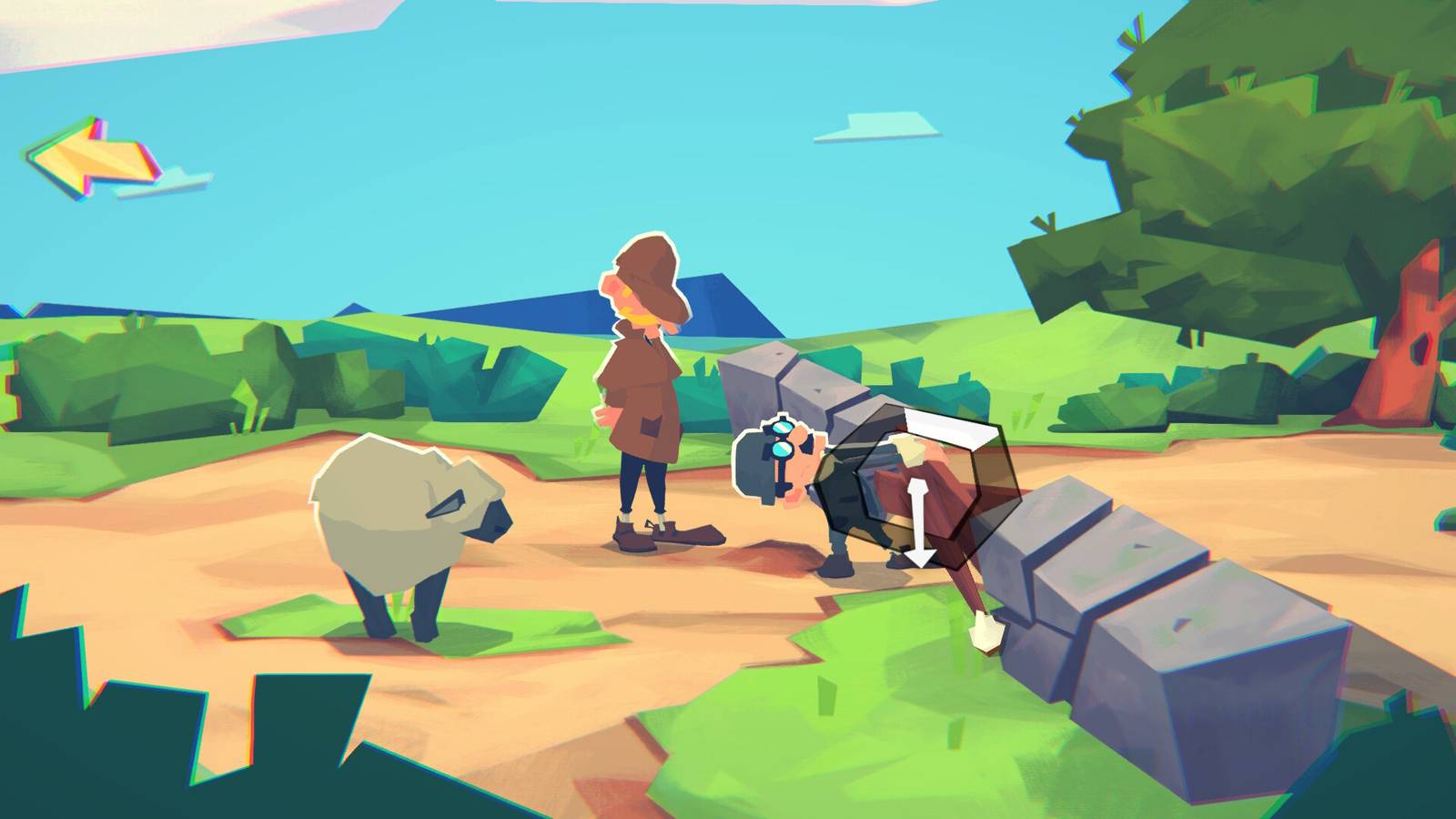
Gameplay Innovation: The Nintendo Approach: A pivotal moment in the game’s development was the team’s re-evaluation of adventure game mechanics. "How would Nintendo’s teams approach the creation of a point-and-click game if their goal was to reach a broader audience?" This guiding question led to the rejection of the traditional "austere and old-school" point-and-click interface. The solution that emerged was the innovative "elasticity mechanic"—the "poke and pull" system. This mechanic was conceived to be "very visual," incorporating sound, and simple to understand, yet offering profound physical interactions. What seemed simple on paper, "Stretching pixels, how hard could that be?", quickly proved to be a significant technical challenge, requiring a full year of iteration to perfect.
Narrative Layering and Meta Time-Travel: With the core mechanics in place, the team delved deeper into the meta-narrative. The idea of traveling through the game’s own production timeline, rather than just fictional historical periods, was a unique angle Cammisotto realized hadn’t been widely explored. This approach offered an "incredibly rich narrative angle," presenting not challenges, but rather a wealth of creative choices. The freedom afforded by this concept allowed even the "most delirious situations" to be incorporated into the final game, promising an adventure that pushes the boundaries of meta-fiction.
Demo Release and Feedback: The release of the initial demo served as a crucial validation point for Draw Me A Pixel. Player reception confirmed the appeal of the tactile gameplay, the quirky humor, and the intriguing meta-premise. The demo’s brevity, as noted by many, including the reviewer, created a strong desire for more, providing invaluable feedback and reinforcing the team’s design choices as they moved towards subsequent demos and the full launch. The anticipation generated underscores the game’s potential to resonate with a broad spectrum of players.
Supporting Data: The Mechanics of Meta-Comedy
Crushed In Time masterfully weaves its narrative, gameplay, and humor into a cohesive and engaging experience. The premise of a "game inside a game" is not merely a stylistic choice but a fundamental driver of the plot and puzzle design.
The "Game Inside the Game" Concept: The narrative kicks off moments after the fictional game’s disastrous launch, with a flood of negative reviews sending its unseen development team into a panic. This immediate crisis provides the player’s motivation: to become the ultimate debugger, venturing into the game’s broken logic to understand and mend its flaws. This setup allows for a constant stream of self-referential jokes and commentaries on game development, player expectations, and the nature of interactive media itself. The comedic tension arises from the contrast between the urgent need to fix the game and the utter incompetence of its in-game protagonists, Holmes and Watson.
Deep Dive into the "Poke and Pull" Mechanic: The "poke and pull" interaction is arguably the game’s most distinguishing feature. Unlike traditional point-and-click adventures where players might collect items in an inventory or combine them in abstract ways, Crushed In Time forces a more direct, physical engagement. As a "visitor" to the game world, the player operates under its logic, meaning no inventory and no abstract interaction menus. Instead, "Anything is pokeable and pullable." This means objects behave according to a robust physics engine, requiring players to think creatively about momentum, leverage, and spatial relationships. The elasticity mechanic, which Cammisotto described as a technical "nightmare" to implement, allows players to stretch, pull, and deform objects in a visually and audibly satisfying way, making each interaction feel impactful and responsive. This tangible connection to the environment makes the solutions feel earned and deeply intuitive once the player grasps the underlying physical rules.
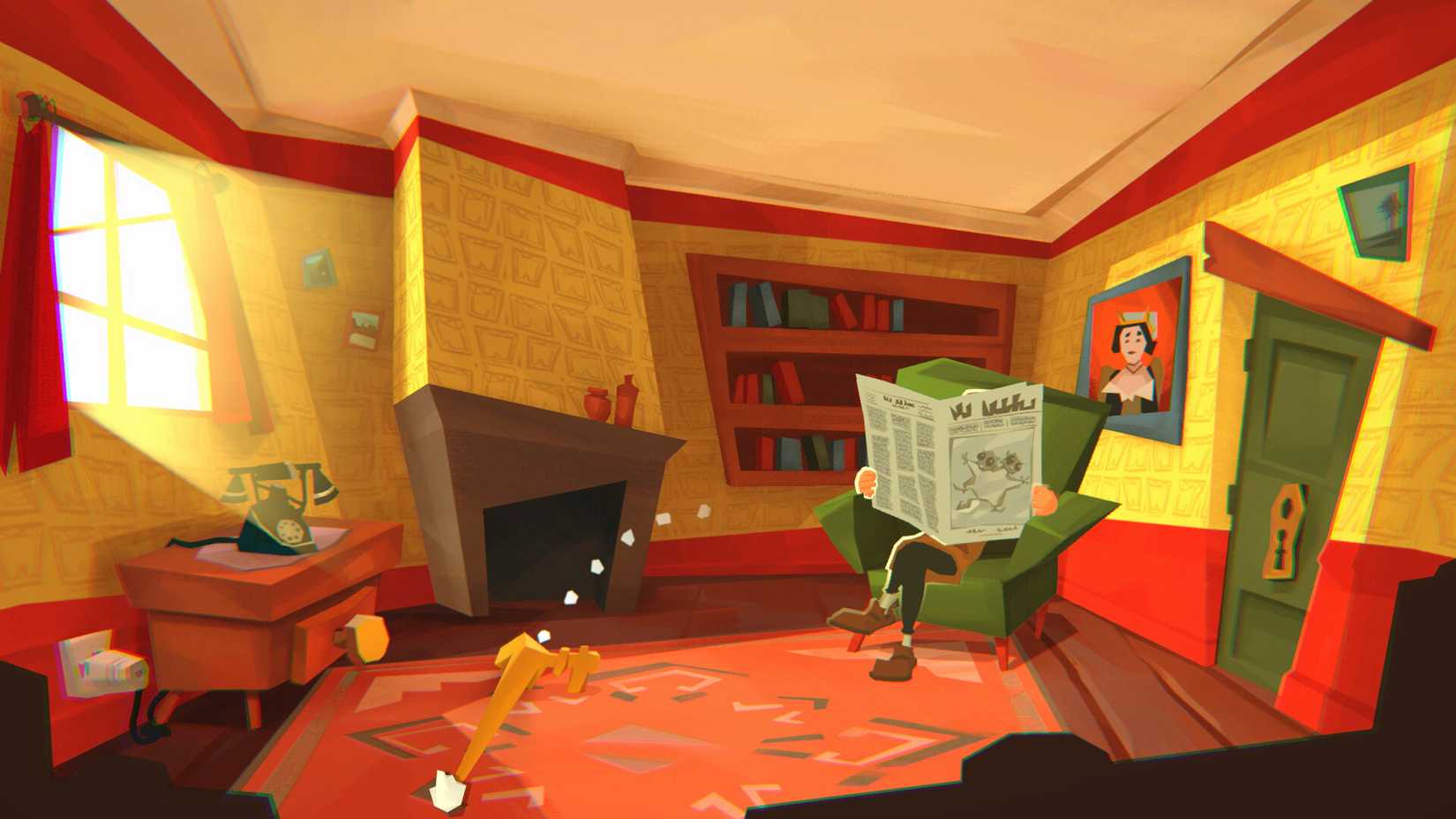
Example Puzzle Breakdown: Waking Holmes: The demo offers a perfect illustration of this tactile puzzling. To wake Holmes from his nap, a seemingly simple task, players must orchestrate a complex chain of physical manipulations. The phone is the key, but its cord is trapped in a drawer missing a knob. The solution involves an ingenious sequence:
- Borrowing the door’s handle: A nearby door provides the missing knob.
- Angling a lob across the room: Players must physically aim and "throw" the handle across the room to attach it to the drawer.
- Opening the drawer and slapping the phone: Once the drawer is opened, the phone can be "slapped" to make it ring, which should wake Holmes.
- The unexpected twist: Realizing the door is now locked without its handle, and Holmes is blocking the cubby where the key resides.
- The final solution: To get Holmes to move, players must "tug on his newspaper to annoy him," causing him to shift his head and reveal the cubby. This sequence highlights the game’s layered puzzles, where one solution often creates a new problem, requiring further creative physical interaction. It’s a delightful blend of intellectual deduction and physical dexterity, making the solutions feel both challenging and immensely rewarding.
Humor Analysis: The game’s humor is its undeniable charm. Cammisotto explicitly identifies it as "very British," echoing the absurdism and finely tuned dialogue found in classics like P.G. Wodehouse’s Blandings Castle or Jeeves stories, and the physical comedy of Wallace & Gromit. One might also draw parallels to the deadpan wit of Monty Python or the farcical situations of Fawlty Towers. The humor arises not from crude jokes, but from the inherent ridiculousness of the situations, the exaggerated incompetence of the protagonists, and the constant meta-commentary on game development. The writing maintains "excellent comedic timing and a lightness of touch," ensuring that "jokes never cross into being obnoxious," but rather enhance the player’s enjoyment and engagement with the eccentric world.
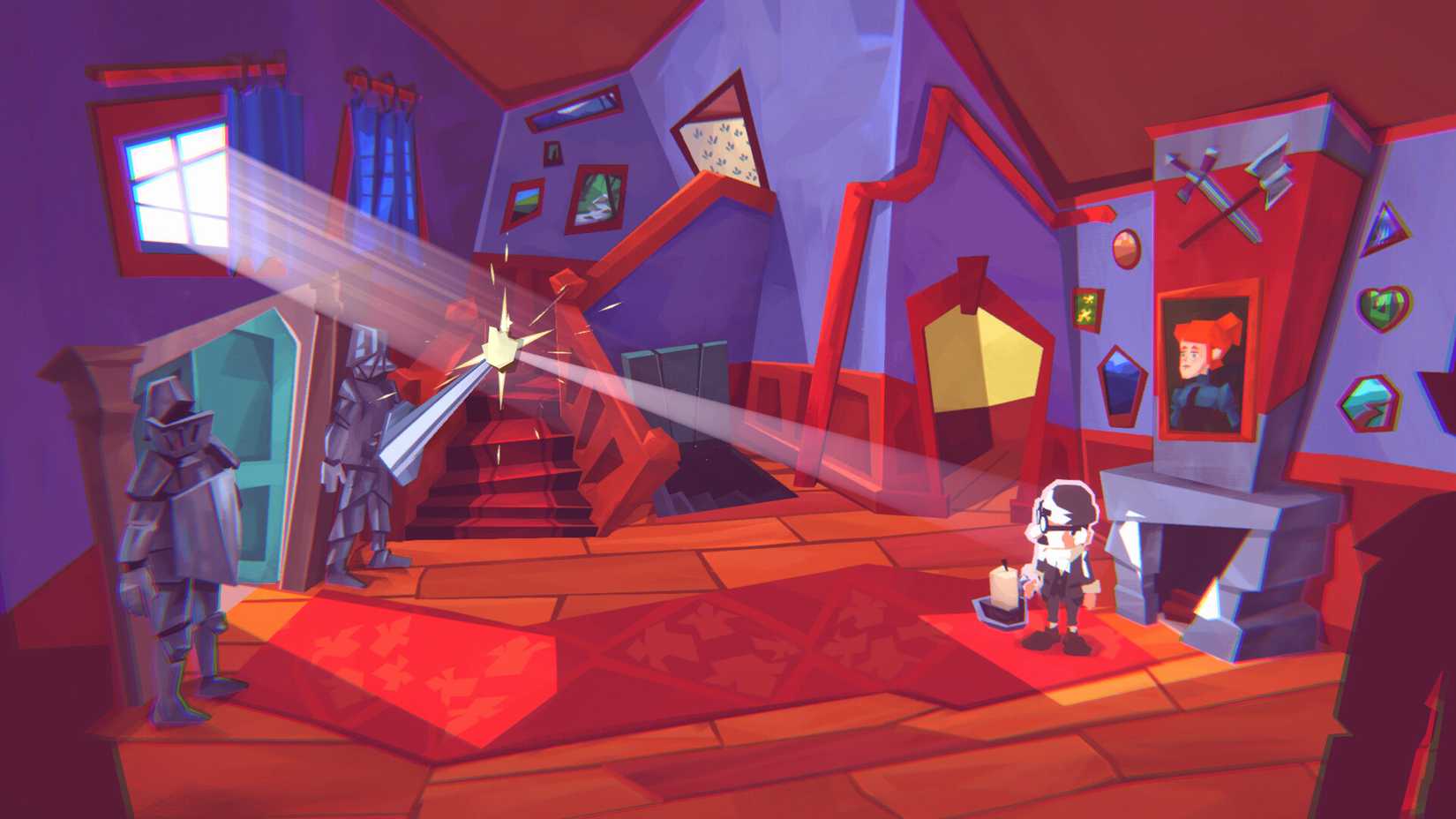
Visual Style Detail: The striking visual style of Crushed In Time is a deliberate homage and evolution of classic adventure game aesthetics. Cammisotto cites LucasArts’ legendary Day of the Tentacle as his "number one point-and-click game" and a clear inspiration. This manifests in the game’s wonderfully twisted, exaggerated character designs and environments. While There Is No Game: Wrong Dimension paid tribute to this artistic direction, Crushed In Time pushes it further, rendering it in 3D. This choice, however, introduces its own challenges: "placing cinematic cameras in an environment with completely broken perspectives is an absolute nightmare," Cammisotto admits. Yet, this distinctive, almost cartoonish style serves a crucial narrative purpose. It helps to "clearly separate the world of the Sherlock Holmes game from the other meta ‘worlds’ we will visit," visually reinforcing the game’s layered reality and its journey through different developmental stages.
Official Responses: The Developer’s Vision
In an exclusive exchange, Cammisotto provided deeper insights into the creative philosophy behind Crushed In Time, elaborating on the decisions that shaped this unique adventure.
On Character Design: Cammisotto articulated his desire to radically re-envision the classic detective duo: "Our version of Sherlock Holmes and Dr. Watson is very different from what we are used to seeing in general. Here, we are dealing with a comedic and parodic version of the famous detective. You could even say that his deductions are among the worst imaginable. And Dr. Watson is hardly any better." He emphasized the goal of creating a "duo that is both funny and endearing, a bit like Wallace and Gromit in terms of tone and lightness." This departure allowed for rich comedic opportunities, with Cammisotto particularly enjoying "putting them into inexplicable situations through the very meta aspect of our two games, and writing their reactions is a real treat." The enthusiasm was shared by the cast, as "The voice actors also had a lot of fun with these two oddballs."
On Gameplay Innovation: The genesis of the game’s signature interaction mechanic was a quest for broader appeal. Cammisotto revealed the guiding question: "How would Nintendo’s teams approach the creation of a point-and-click game if their goal was to reach a broader audience?" This led to the innovative "elasticity mechanic." He acknowledged the technical hurdles: "Stretching pixels, how hard could that be? Big mistake." This candid admission highlights the extensive development and iteration required to bring such a novel concept to life, ultimately taking "a good year" to refine.
On Puzzle Design Challenges: The lack of an inventory, a core tenet of Crushed In Time‘s design, presented significant challenges for puzzle construction. Cammisotto explained, "The biggest obstacle in designing the puzzles, however, was the player’s lack of an inventory. It was both a design choice and a matter of narrative coherence." He elaborated on the player’s unique role: "You are not playing the game, you are inside a video game, acting directly on its elements. You have no bag, no pockets, and you do not control the characters. You are a human player who has entered the game." This design philosophy mandated that "if an object needs to be carried from one screen to another, it has to be physically and logically planned for within the environment," necessitating ingenious environmental puzzle solutions.
On Meta-Narrative Appeal and Challenges: Building on the success of their previous title, Cammisotto underscored the importance of meta-writing: "The main strength of our previous production, There Is No Game: Wrong Dimension, was its meta writing… And that meta aspect is something I absolutely love exploring." For Crushed In Time, he sought a fresh meta angle: "I wanted to tell a time-travel story, and I realized that, as far as I know, no one had really played with the idea of traveling through the production timeline of the game itself." This concept offered a creative bonanza: "It is an incredibly rich narrative angle. I did not really find myself facing challenges so much as choices, because there were so many possibilities. And I am quite happy because everything I wrote, even the most delirious situations, made it into the final game. And I can tell you, we go pretty far with the meta time-travel idea!"
On Comedic Inspirations: Reinforcing the game’s humorous core, Cammisotto stated, "It is indeed a comedy. I spent a lot of time working on the situations and the dialogue to make sure they were interesting, funny, and served either the story or the gameplay." He confirmed the British flavor: "The humor in the game is very British. At least, that is what I hope. I am a huge fan of that kind of humor, often playing with the absurd, and of finely written, well-paced dialogue." The overarching comedic vision is clear: "when I look at the game as a whole, it makes me think of a Wallace & Gromit-style animated film: a burlesque adventure comedy that can make everyone laugh and feel something."
On Visual Inspirations: The distinctive art style is a direct homage: "I am a huge fan of Day of the Tentacle. To me, it is my number one point-and-click game, and the inspiration behind its wonderfully twisted design is obvious." He acknowledged the technical difficulties in translating this 2D aesthetic into a 3D environment: "We had already paid tribute to that artistic direction in Chapter 2 of There Is No Game, but here we pushed it further, and in 3D. And placing cinematic cameras in an environment with completely broken perspectives is an absolute nightmare." This visual distinction also serves the narrative: "This very distinctive visual style also helps clearly separate the world of the Sherlock Holmes game from the other meta ‘worlds’ we will visit."
On Adventure Game Niche and Crushed In Time‘s Standout: Despite a perceived resurgence, Cammisotto remains pragmatic about the adventure game genre’s market position: "Apart from a few exceptions, I do not really feel that the genre has truly ‘broken out.’ To me, it still feels very niche, far, far, far behind roguelikes and other farming simulators." This perspective directly informed the game’s core innovation: "That is the main reason why we developed a new interaction mechanic. We hope it will allow the game to naturally move beyond the somewhat narrow ‘point-and-click’ label and reach a broader audience." His ultimate goal is inclusivity: "Because I believe many players do not realize they might actually enjoy this kind of game. We just need to help them into the saddle and take them on a lovely ride."
Implications: Reshaping the Adventure Game Landscape
Crushed In Time stands as a testament to the enduring creativity within independent game development and holds significant implications for the future of the adventure game genre. By daring to break away from established norms, Draw Me A Pixel is not just creating an entertaining game, but potentially charting a new course for how players interact with and perceive interactive narratives.
Impact on Adventure Game Genre: The game’s innovative "poke and pull" mechanic and its fundamental rejection of a traditional inventory could serve as a blueprint for future adventure titles. It demonstrates that innovation in core mechanics can broaden appeal beyond the traditional point-and-click fanbase, potentially attracting players who might find older genre conventions restrictive. By making interaction more physical and intuitive, Crushed In Time removes barriers, proving that complex puzzles don’t require complex interfaces. This approach could inspire a new wave of adventure games focused on tactile engagement and environmental storytelling.
Player Experience: The unique immersion created by being a "visitor" within the game, actively manipulating its elements rather than controlling a character, offers a novel sense of agency. This meta-layer, combined with the blend of intellectual deduction, physics-based problem-solving, and constant comedic relief, promises a deeply engaging and memorable player experience. Players will not only laugh but also genuinely feel clever when they solve one of its delightfully convoluted puzzles, fostering a unique connection to the bumbling Holmes and Watson and the struggling game world they inhabit.
Future of Draw Me A Pixel: Crushed In Time further solidifies Draw Me A Pixel’s reputation as a studio unafraid to experiment with meta-narratives and unconventional gameplay. Following the success of There Is No Game: Wrong Dimension, this new title positions them as pioneers in a niche that they are actively expanding. Their ability to deliver innovative concepts with polished execution and a strong sense of humor suggests a bright future for the studio and a growing expectation for their next boundary-pushing creations.
Anticipation and Broader Industry Trends: The overwhelmingly positive response to the demo underscores the high anticipation for Crushed In Time. It resonates with a broader industry trend where indie developers are increasingly pushing the boundaries of genre, narrative, and interaction, often out-innovating larger studios. Crushed In Time is not just a game; it’s a statement that ingenuity, humor, and a willingness to challenge conventions can lead to truly original and widely celebrated interactive experiences. As players eagerly await the full release and the promised second demo, Crushed In Time is poised to deliver a lovely, ludicrous, and utterly unique ride.









No comments yet. Be the first to join the conversation!