In the hyper-connected landscape of social media, digital borders are often porous, allowing for cross-cultural exchange and the sharing of global pop culture. However, in October 2026, those borders have turned into battle lines. A volatile, high-stakes "beef" has erupted on the platform X between French and Japanese users, transforming a niche debate about anime iconography into a sprawling, toxic confrontation over immigration, national identity, and the disillusionment of the "idealized" nation-state.
What began as a localized dispute over the use of a One Piece flag during student protests in France has devolved into a broader, uglier meme war. This clash is not merely a transient internet trend; it is a profound collision of two distinct societal crises, highlighting how the "soft power" of global media can mask, and eventually exacerbate, deep-seated domestic tensions.
The Catalyst: A Flag and a Protest
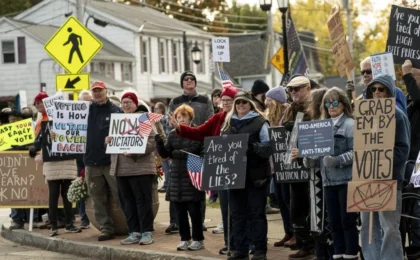
The genesis of this digital conflict lies in the "Act III" protest movement currently gripping France. Since mid-September 2026, French students, educators, and union members have taken to the streets to protest a dire shortage of school resources, rising living costs, and the general degradation of public services. As the demonstrations intensified—culminating in massive marches involving tens of thousands of people in Paris—the visual language of the protests began to shift.
Among the protest signs and banners, demonstrators increasingly hoisted the "Straw Hat Pirates" Jolly Roger from the globally beloved manga and anime series One Piece. For the protesters, the flag served as a potent symbol of rebellion against corrupt authority and a rallying cry for the marginalized. However, when images of these protests reached Japan via social media, the reaction was not one of solidarity. Instead, a vocal subset of Japanese X users expressed profound irritation, viewing the use of the flag—a symbol of Japanese cultural pride—in the context of violent street riots as an act of desecration.
Chronology of a Digital Collapse
The escalation from a debate over cultural appropriation to a full-blown national feud followed a rapid, predictable trajectory:
- Mid-September 2026: Protests begin in Créteil, France, quickly spreading to major cities. Students, heavily influenced by anime culture, adopt imagery from One Piece, Naruto, and Jujutsu Kaisen.
- October 6, 2026: Protests intensify, with over 56,000 marchers in Paris. Footage of the demonstrations goes viral globally.
- October 19, 2026: The account "Anime Spotlight" compiles and broadcasts the frustration of Japanese users regarding the use of the One Piece flag. This acts as the "match in the powder keg."
- October 20–22, 2026: The discourse shifts rapidly from anime to demographics. Japanese posters begin attributing the French unrest to Black and Arab populations in France, utilizing racist tropes and imagery to mock the protestors.
- October 23–26, 2026: French users respond in kind, launching a counter-offensive that targets Japanese societal vulnerabilities, including the "karoshi" (death by overwork) culture, widespread loneliness, and the controversial sexualization of minors in certain media genres.
The Clash of Two "Perfect" Narratives
To understand the vitriol, one must examine the "mythology" each nation holds of the other. For decades, France has been the destination of the Japanese imagination—a city of romance, art, and high culture. Conversely, the Western world—and France in particular—has long maintained an idealized, almost sanitized view of Japan.

Influenced by the "Cool Japan" soft-power initiative, many foreigners view Japan as a crime-free, polite, and efficient paradise. When Japanese users see images of tear gas and burning dumpsters in Paris, it shatters the "Parisian dream." Simultaneously, the French counter-attacks are effectively "shattering the mirror," exposing the dark realities of a country that many Western fans previously refused to acknowledge.
Supporting Data: The Reality Beneath the Pop Culture
The intensity of the insults flying between these two groups is grounded in the real, quantifiable crises both nations are facing.
The French Economic Struggle
The protests are not merely "unruly behavior," as some international observers have labeled them. They are a response to a genuine systemic failure. With inflation stripping away the purchasing power of the middle and lower classes, and the education sector facing severe austerity, the French youth are acting out of a sense of economic desperation. The presence of anime imagery is not a sign of frivolity; it is a sign of a generation that finds more resonance in the themes of anti-establishment struggle found in fiction than in the promises of their current government.
The Japanese Social Crisis
Conversely, the "Japanese First" rhetoric surfacing on X reflects a genuine shift in Japanese politics. Under the leadership of Prime Minister Sanae Takaichi, Japan has adopted a more nationalist, isolationist stance. Stanford University surveys indicate that opposition to foreign labor has spiked to 53 percent.
Furthermore, the Japanese societal indicators are grim:
- Suicide Rates: While the 2025 total dropped to 19,097, the alarming rise in child suicides—reaching a record 532—suggests a deep, unresolved trauma within the school system.
- Work Culture: Despite a decade of government reporting, the "overwork" epidemic remains rampant. Nearly 23 percent of companies surveyed continue to demand hours that exceed the threshold for high-risk health outcomes, including death.
The Role of Nationalism and Media
The involvement of nationalist political parties, such as Japan’s Sanseito, has emboldened a base of users who view any international criticism of Japan as a personal attack. This creates a feedback loop: as the Japanese right-wing promotes a more exclusionary national identity, their supporters on X become increasingly prone to using slurs and anti-immigrant rhetoric to "defend" their country’s reputation against perceived Western chaos.

On the other side, French users, feeling patronized by Japanese critics who ignore the nuances of the French social struggle, have weaponized the darkest aspects of Japanese reality to silence their detractors. The result is a race to the bottom where legitimate grievances are lost in a storm of xenophobia and cultural stereotypes.
Implications for Global Discourse
This incident serves as a cautionary tale for the era of globalized social media. The "beef" is a manifestation of what happens when the cultural export of a nation becomes disconnected from its political reality.
- The Erosion of Soft Power: Japan’s "Cool Japan" strategy was designed to generate positive sentiment. This incident proves that soft power is fragile; it can be used to build bridges, but when those bridges are used to project national superiority, they can collapse under the weight of reality.
- The Rise of the Digital Echo Chamber: Both sets of users have utilized the platform’s algorithm to amplify the most extreme voices, ensuring that moderate perspectives are drowned out. The conflict demonstrates that "globalization" on X does not mean "understanding"; it often means "increased proximity to conflict."
- A New Era of "Cultural War" Diplomacy: As citizens of different nations increasingly bypass official diplomatic channels to settle scores on social media, governments may find it harder to maintain international relations. The sight of Japanese and French citizens trading racist tropes is a long way from the diplomatic photo-ops of April 2026, where leaders were seen posing in Dragon Ball stances.
Conclusion: Beyond the Postcards and the Anime
The feud between French and Japanese users is as absurd as it is tragic. It highlights the inherent danger of defining a nation by its art. France is not merely the beautiful, historic city of postcards, and Japan is not the polite, quirky utopia of anime. Both are complex, struggling nations dealing with the heavy burden of 21st-century survival.
As the smoke clears on this specific digital skirmish, the underlying issues—French social inequality and the Japanese crisis of identity and mental health—remain unresolved. The irony is that by focusing on their differences and engaging in a war of stereotypes, both groups have only succeeded in proving that the pressures of modern life are universal, regardless of the language in which they are expressed. The "Otakus" may have once claimed they would save the world, but in the trenches of X, they have, for the moment, simply added to the noise.