The internet is no longer just a library of human knowledge; it is increasingly a hall of mirrors. Whether you are scrolling through a social media feed, clicking a headline that promises a "once-in-a-lifetime" deal, or interacting with a seemingly authoritative news source, the digital landscape is actively trying to fool you.
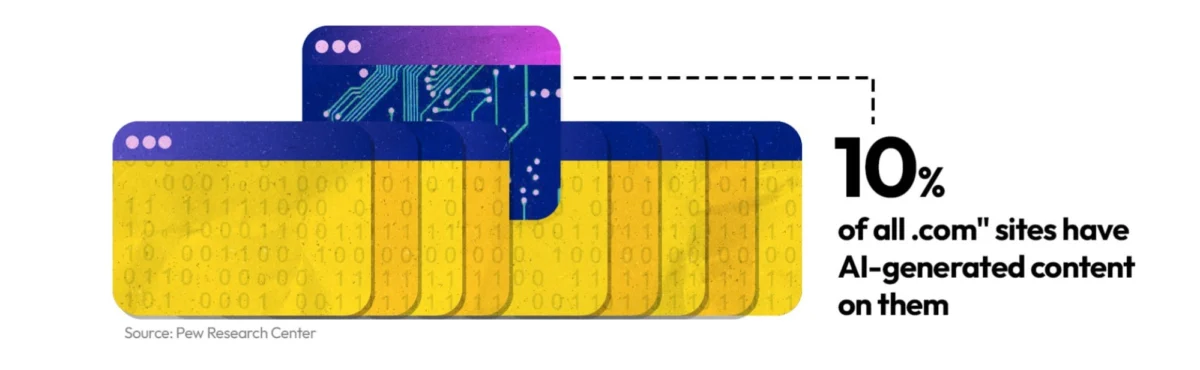
According to recent data from the Pew Research Center, nearly one-third of all web content is now AI-generated. Even more concerning, approximately 10 percent of ".com" domains now show clear signs of automated "fingerprints." We have entered an era where misinformation—often referred to as "pink slime"—outnumbers verified, local journalism. As AI lowers the barrier to entry for bad actors, the digital environment has become a playground for phishers, propagandists, and scammers.
In this environment, skepticism is no longer just a healthy habit; it is a vital survival skill. Here is how you can verify whether a website or social media account is legitimate, or merely a sophisticated digital trap.
The Evolution of the Digital Scam: Why Old Advice Fails
To understand how to protect yourself, you must first understand why the old "rules of thumb" are failing. A decade ago, verifying a source was relatively straightforward: you looked for a weirdly spelled URL, pixelated images, or the robotic, unnatural cadence of a poorly written article.

"The traditional signals of authenticity are fading," says Eyal Elazar, head of market intelligence for the e-commerce security firm Riskified. "Today, AI can effortlessly clean up misspelled URLs, sharpen blurry images, and generate human-like video voices that pass the smell test for even the most vigilant users."
The Rise of "Scam Kits" and Typosquatting
The current landscape is described by experts like Zohaib Ahmed, CEO of the deepfake detection firm Resemble.AI, as the "Wild West." Bad actors no longer need technical expertise to launch a campaign. For a few hundred dollars on the dark web, they can purchase "scam kits"—all-in-one software packages that handle everything from website spoofing and automated social media engagement to the creation of convincing fake video calls.
One of the most persistent threats is "typosquatting." This involves registering domains that are nearly identical to legitimate news or banking sites—such as abcnews.com.co instead of the actual outlet. These sites are designed to siphon off personal information or trick users into entering payment details. Because these pages often use the same branding and color palettes as the sites they mimic, users rarely look close enough to notice the deviation in the address bar.
The Anatomy of Modern Deception: A Chronology of Risk
The rapid proliferation of these threats follows a clear timeline of technological shifts:

- 2015–2019: The Era of Manual Misinformation. Deception was largely the domain of well-resourced groups and nation-states. It required significant manual labor to create fake websites and social media bot networks.
- 2020–2023: The Advent of Large Language Models (LLMs). With the release of accessible AI, the cost of generating high-quality text dropped to near zero. Fake local news sites began to multiply, mimicking the look and feel of community newspapers to peddle propaganda.
- 2024–2026: The "Agentic" Shift. We are currently in a phase where AI agents can operate independently. They can monitor social media trends, inject themselves into conversations, and adapt their tone to fit specific demographics, making them nearly indistinguishable from human influencers.
Supporting Data: The Scale of the Problem
The statistics underscore the urgency of the issue. A report by NewsGuard has confirmed that "pink slime" sites—fake news outlets masquerading as local journalism—now officially outnumber legitimate local newspaper sites in the United States.
Furthermore, the integration of generative AI into mainstream browsers and search engines, while convenient, has been shown to reduce critical thinking. When an AI summarizes a page for you, it removes the context and the "lateral reading" opportunities that human users once used to judge credibility. As Pew Research suggests, the internet is becoming a feedback loop: AI creates content, users engage with it, and the algorithms prioritize that engagement, rewarding the very misinformation that the AI created.
Protecting Yourself: A Multi-Layered Verification Toolkit
Because traditional visual cues are no longer enough, you need a more robust, multi-layered approach to verify the authenticity of what you encounter online.
1. The "Zoning" Method
Chuck Salter, CEO of the News Literacy Project, advocates for "zoning" information. Before you read, share, or click, ask yourself:

- What is the purpose of this content? Is it news (to inform), opinion (to persuade), or a paid advertisement (to sell)?
- Who is the creator? If it is a social media account, look at their post history. Is there a consistent human voice, or is it a stream of viral, low-effort headlines designed to provoke a strong emotional reaction?
2. Lateral Reading
If you aren’t sure if a source is trustworthy, stop reading the page and open a new tab. Search for the name of the website or the account alongside words like "scam," "review," or "fact check." If the source is legitimate, you will find it mentioned or cited by other established, reputable organizations. If it is a fake, you will likely find forums or watchdog sites identifying it as a hazard.
3. The URL Audit
Despite the sophistication of modern scams, the URL remains the most important piece of evidence.
- Check the Protocol: Always ensure the site uses "https://" (the "s" stands for secure).
- Hover Before You Click: On a desktop, hovering your mouse over a link will reveal the actual destination URL in the bottom corner of your browser. If the link text says "nytimes.com" but the hover-text shows a long, randomized string of characters, do not click.
- Use Tools: Tools like Google’s Transparency Report or specialized link scanners (like Bitdefender’s Link Checker) can provide a second opinion on a domain’s safety.
Official Responses and Industry Implications
Tech giants and security firms are currently in a reactive arms race. While companies like Meta, X, and TikTok have implemented "verified" checkmarks, these have been compromised by subscription-based verification models, where anyone with a credit card can purchase a badge of authenticity.
The cybersecurity industry is pushing for better provenance standards—digital watermarks or cryptographic signatures that prove where a piece of content originated. However, until these standards are universally adopted, the burden of verification rests on the end-user.

Donnie Hasseltine, Chief Information Security Officer at Arkstone Defense, warns that we must change our psychological approach to the web: "You have to assume that any unsolicited link, any ‘too good to be true’ offer, and any inflammatory headline is an attempt to weaponize your attention."
The Bottom Line: Three Rules for Every Day
As you navigate the web, keep these three rules of thumb in mind:
- Never Trust a Screenshot: Screenshots are the primary delivery vehicle for fake news. They are easy to edit and impossible to verify. If a post claims a famous person said something shocking, search for the original video or transcript, not the screenshot.
- Beware the "Rage Bait" Trap: If a post makes you feel immediate anger, fear, or outrage, pause. Scammers rely on your emotional response to bypass your critical thinking. If it makes you want to smash the "share" button, it is likely designed to manipulate you.
- Stay On-Platform: If a social media user is aggressively trying to get you to move to a third-party website, a different messaging app (like WhatsApp or Telegram), or an external payment portal, that is a massive red flag. Most platforms have strict rules against off-platform traffic for this exact reason.
The internet is not inherently a "fake" place, but it is an increasingly hostile one. By moving from a mindset of passive consumption to one of active verification, you can continue to enjoy the benefits of the digital world without falling prey to the machines that seek to exploit it. When in doubt, verify, cross-reference, and remember: if you are the one being asked to provide the data, you are the product, not the user.