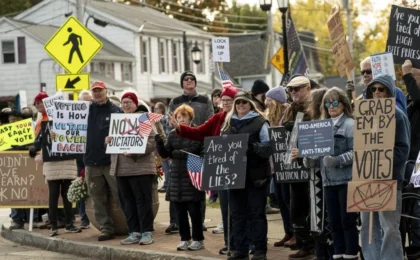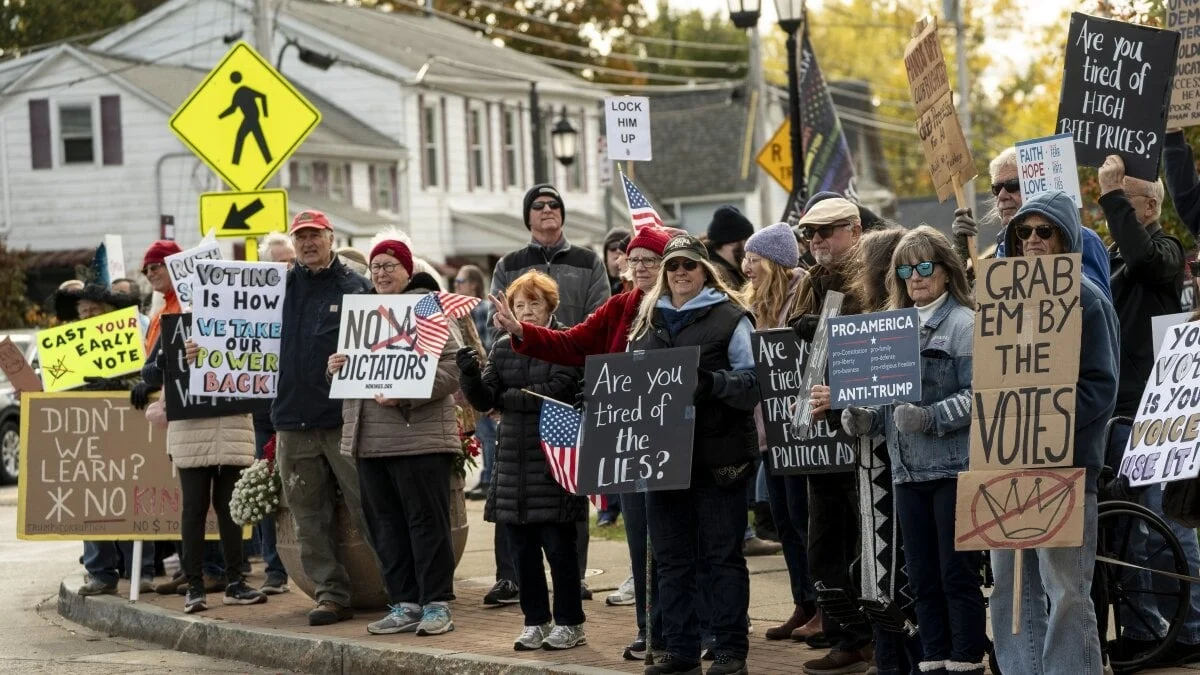
In the high-stakes landscape of modern civic engagement, social media platforms have become the town squares of the 21st century. However, the reliance on these private digital spaces comes with a precarious caveat: the power of the "delete" button. This week, Meta found itself at the center of a firestorm after the No Kings Coalition—a prominent social justice movement—saw its Instagram account shuttered during a critical series of nationwide demonstrations.
The incident, which Meta has officially classified as an "incorrect enforcement" of its automated moderation policies, highlights the growing tension between algorithmic safety measures and the fundamental right to digital assembly. As the No Kings Coalition navigated the fallout of their sudden, unexplained disappearance from the platform, the incident has reignited a broader conversation regarding Meta’s governance, its history of alleged censorship, and the consequences of delegating public discourse to black-box artificial intelligence.
The Incident: A Sudden Blackout
On October 17, as the No Kings Coalition mobilized supporters for a weekend of coordinated voter activation events and protests ahead of the midterm elections, their primary channel of communication vanished. For approximately 90 minutes, the coalition’s Instagram presence was completely wiped from the platform.
The timing could not have been more damaging. By cutting off the movement during a period of high-frequency organizing, the blackout effectively neutralized the coalition’s ability to coordinate logistical efforts, disseminate information about rally locations, and maintain momentum. Even after Meta restored the account, the situation remained dire; administrators reported that they were unable to regain access to their own page, effectively leaving the movement locked out of its own digital headquarters at the most critical juncture of their campaign.
Chronology of the Disruption
The events of October 17 unfolded with a speed characteristic of modern algorithmic intervention.
- 10:00 AM (Approximate): No Kings Coalition supporters begin reporting that the account is inaccessible.
- 10:30 AM: The coalition’s digital team realizes that the account has been disabled, with no prior notice or explanation from Meta.
- 11:00 AM: As public outcry mounts on X (formerly Twitter) and other platforms, the League of Women Voters and other allied organizations amplify the news, calling for immediate restoration.
- 11:30 AM: The account is restored to public view, but the original administrators are unable to bypass the login, suggesting a lingering backend error or security override.
- 1:00 PM: Meta spokesperson Andy Stone acknowledges the issue via a social media post, attributing the outage to "abrupt, high-volume" requests that triggered the platform’s automated bot-protection tools.
The Algorithmic "False Positive"
Meta’s explanation for the incident points toward the increasingly complex, yet flawed, nature of its automated moderation tools. According to the company, the outage was triggered by a third-party tool—specifically a Claude-powered integration—that was scraping the platform’s profiles, posts, and hashtags at a frequency that mimics malicious bot traffic.
"This activity caused our automated protections to incorrectly take the No Kings Instagram account offline," Meta spokesperson Andy Stone explained in a statement. "It unfortunately took additional time for us to straighten out the situation with admin access to the IG account. We want to reiterate our sincere apology for the error."
While Meta describes this as a technical glitch, the implications are profound. The incident underscores the "black box" nature of social media moderation. When an algorithm determines that a profile constitutes a threat or a nuisance, the enforcement is near-instantaneous, while the path to rectification—the "straightening out" of the situation—is notoriously slow and opaque. For grassroots movements that do not have the direct lines of communication available to corporate entities or political power players, a "false positive" can lead to the total erasure of their organizing power.
A Pattern of Discontent: Censorship and Systemic Bias
The No Kings Coalition is not alone in its grievances. Over the past year, Meta has faced a mounting wave of criticism regarding its content moderation policies, with various groups alleging that the platform is systematically suppressing specific political and social viewpoints.
The concerns are multifaceted:
- Content Suppression: Feminist organizations have recently accused Meta of suppressing content related to high-profile sexual assault cases, such as the Cornell University incidents, alleging that the platform’s algorithms are over-filtering sensitive discussions.
- Shadow-Banning: Reproductive health advocates and LGBTQ+ business owners have long claimed that their accounts are disproportionately targeted for "shadow-banning"—a process where visibility is restricted without the user being explicitly notified.
- Hateful Conduct Protections: Perhaps most controversially, critics point to Meta’s 2025 decision to walk back significant hateful conduct protections. This policy shift, viewed by many analysts as a concession to the anti-Diversity, Equity, and Inclusion (DEI) mandates of the Trump administration, has left many vulnerable communities feeling unprotected and exposed to increased harassment.
These incidents, taken together, paint a picture of a platform that is struggling to balance its role as a neutral town square with the pressures of political influence and the limitations of its own automated moderation infrastructure.
Implications for Civic Participation
The "No Kings" incident serves as a cautionary tale for the intersection of technology and democracy. When a movement’s primary tool for mobilization is susceptible to a 90-minute blackout due to an "incorrect enforcement" of automated tools, the very foundation of digital activism is called into question.
The League of Women Voters captured the gravity of the situation in an October 18 statement: "The timing matters. When people are gathering, organizing, and seeking information about civic participation, cutting off a movement’s primary communication channel—even temporarily—is deeply troubling."
The issue is not just about the outage itself, but the precedence it sets. If movements can be silenced—even by accident—by the automated whims of a private corporation, how can they trust these platforms to provide a secure space for dissent? This is particularly relevant as the nation heads into a midterm election cycle where the dissemination of accurate, timely information is paramount to voter turnout and civic engagement.
The Corporate Response and Future Challenges
Meta’s apology, while prompt by their standards, has done little to soothe the anxieties of those who believe the platform’s moderation strategies are fundamentally biased. The reliance on automated tools is a necessity for a platform with billions of users, yet the inability to provide human oversight or rapid appeal processes for accounts that are caught in the crossfire remains a glaring weakness.
Moving forward, Meta faces a two-fold challenge:
- Technical Resilience: The company must refine its bot-detection algorithms to distinguish between legitimate high-frequency engagement by activist groups and malicious botnets.
- Transparency and Accountability: Meta must provide more transparency into why accounts are flagged and create a dedicated, fast-track support channel for organizations involved in civic life to ensure that "incorrect enforcement" does not derail the democratic process.
Conclusion
The temporary erasure of the No Kings Coalition from Instagram is more than just a footnote in a long list of social media glitches; it is a manifestation of the inherent risks of modern political organization. As long as the digital infrastructure of our society is governed by opaque algorithms and profit-driven entities, the rights of movements and activists remain at the mercy of automated enforcement.
For the No Kings Coalition, the 90 minutes they lost will never be regained. As we look toward the future of digital discourse, the question remains: Can we rely on platforms that prioritize algorithmic efficiency over the nuanced, messy, and essential work of human democracy? The answer, based on the events of this week, remains firmly in the balance. Until Meta and its peers can demonstrate a robust commitment to protecting the platforms they provide for public debate, the specter of digital silencing will continue to loom over every protest, every rally, and every movement for change.