As the calendar turns toward November, the perennial "Thanksgiving price war" has officially begun. This year, however, the battlefield has expanded beyond traditional brick-and-mortar grocery chains. E-commerce giant Amazon has made a decisive move to capture the holiday market, announcing an aggressive $25 Thanksgiving meal bundle available through Amazon Grocery. With inflation and household budget constraints remaining a top-of-mind concern for American families, Amazon’s strategy offers a compelling—if utilitarian—solution for those looking to stretch their holiday dollar.
The Main Facts: What the Bundle Entails
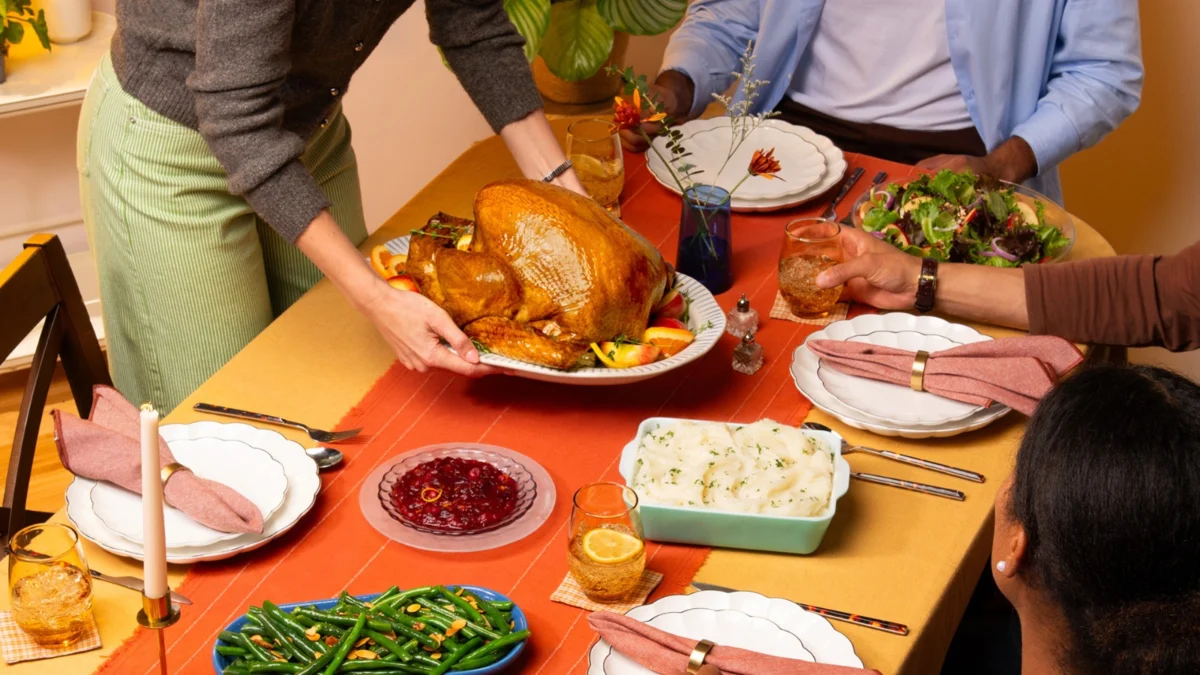
Amazon’s newly launched Thanksgiving initiative is designed to provide the core components of a traditional holiday feast at a price point that undercuts many local supermarket offerings. The bundle, priced at $25, is built around an eight-pound frozen Butterball turkey. While the price is certainly the headline, the utility of the package lies in its completeness.
The bundle includes:
- The Protein: One eight-pound frozen Butterball turkey.
- The Sides: Two boxes of Kraft Mac & Cheese, Stove Top stuffing, two packets of McCormick turkey gravy, and Ocean Spray cranberry sauce.
- Produce & Pantry: Five pounds of russet potatoes, fresh carrots, corn, and ingredients for a classic green bean casserole.
- Dessert: Everything required to bake a dessert, including pumpkin puree and pie crusts.
- Bread: Crescent rolls.
It is essential to clarify that this is not a "heat-and-eat" service. Unlike premium, pre-cooked catering options that have gained popularity in recent years, Amazon’s offering is a collection of ingredients. Customers are responsible for the labor-intensive process of preparation, cooking, and seasoning. Furthermore, while the bundle provides the essential components, households should be prepared to supply their own secondary pantry staples—such as butter, oil, milk, salt, and pepper—which are typically not included in such bulk bundles.
A Chronology of the Holiday Retail Race
The retail landscape for Thanksgiving has been evolving rapidly over the last decade. Historically, supermarkets used the turkey as a "loss leader"—selling it at a loss to entice shoppers to buy the rest of their holiday groceries in-store.
In early November 2026, the competitive landscape shifted significantly. Just days prior to Amazon’s announcement, wholesale giant Costco unveiled a luxury alternative: a massive 30-pound pre-cooked Thanksgiving dinner bundle priced at $200. While the Costco option targets families looking for convenience and volume, Amazon has positioned itself at the opposite end of the spectrum, appealing to value-conscious consumers who prioritize affordability and the ease of digital procurement.
Amazon’s rollout of the $25 meal began in early November and will run through November 26. This window is strategically chosen to capture both the "early planners" and the "last-minute shoppers." By leveraging its existing infrastructure—including over 2,300 cities and towns in the United States—Amazon is attempting to normalize the idea of purchasing a full holiday feast via a smartphone app.
Supporting Data: Economic Context and Consumer Behavior
The decision to offer a $25 bundle is not merely a charitable gesture; it is a calculated response to economic data. According to recent consumer sentiment surveys, the cost of Thanksgiving dinner has been a source of significant anxiety for households over the last three years.
Amazon’s move to offer turkeys as low as $0.79 per pound (for frozen) and $0.99 per pound (for fresh) serves as an anchor for their broader pricing strategy. By offering these base prices alongside the $25 bundle, the company is effectively creating a "price floor" that local retailers will feel immense pressure to match.
Furthermore, the integration of same-day delivery—provided the order meets the $25 threshold—addresses the modern consumer’s desire for convenience. In many urban centers, the logistical headache of navigating crowded grocery stores is a primary deterrent to traditional shopping. Amazon’s data suggests that by removing the friction of in-store shopping, they can increase the "basket size" of holiday purchases, as customers are likely to add non-food items, kitchen gadgets, or decorations to their orders while checking out for their turkey.

Official Responses and Strategic Positioning
In press statements, Amazon representatives have emphasized the company’s commitment to "affordability and access." The initiative is being promoted through their Grocery portal, highlighting that customers can complete their entire holiday shopping list without leaving their homes.
Industry analysts suggest this is part of a broader, multi-year effort by Amazon to solidify its presence in the grocery sector. By positioning itself as a reliable source for Thanksgiving staples, the company is attempting to change consumer habits, encouraging shoppers who might usually frequent Kroger, Walmart, or Publix to switch their loyalty to Amazon’s ecosystem.
"The goal is to be the utility player for the modern household," says one retail analyst. "By making the most stressful meal of the year accessible, affordable, and deliverable, Amazon is building a foundation of trust that extends far beyond the holiday season."
Implications for the Consumer and the Retail Market
The implications of this deal are twofold: for the consumer, it provides a much-needed relief from the inflationary pressures of the holiday season. However, there are logistical considerations that every shopper must weigh.
1. The "Thaw Time" Factor
The most critical takeaway for customers is the nature of the turkey. Because the turkey arrives frozen, the "convenience" of the deal is offset by the necessity of planning. A standard eight-pound turkey requires significant time to thaw safely in a refrigerator—typically 24 hours for every four to five pounds. Families who order this bundle on November 25th for a November 26th dinner will find themselves unable to safely cook the bird in time. Amazon’s marketing materials have been careful to remind users of these timelines, but the onus remains on the consumer to manage the kitchen logistics.
2. The Rise of "Hybrid" Holiday Shopping
This bundle represents a shift toward a hybrid model of holiday planning. Many families are choosing to supplement these low-cost, ingredient-based bundles with premium pre-made items. Amazon has anticipated this, offering a 40% discount on pre-made sides between November 15 and November 26. This allows a household to purchase the $25 "base" meal and then spend additional funds on pre-prepared sides, creating a customized, flexible holiday menu that balances cost with time-savings.
3. The Impact on Local Grocery Chains
Traditional brick-and-mortar grocers are now under immense pressure. By digitizing the Thanksgiving experience, Amazon has forced regional chains to rethink their own loyalty programs. Expect to see an increase in "digital-only" coupons and app-based holiday discounts as traditional retailers fight to retain their market share against the convenience of Amazon’s same-day delivery.
Conclusion: A New Era of Thanksgiving Procurement
Amazon’s $25 Thanksgiving meal is more than just a grocery promotion; it is a statement of intent regarding the future of retail. As digital infrastructure continues to mature, the barriers to delivering perishable, large-scale holiday meals are falling.
For the average consumer, the deal offers a rare opportunity to secure a high-quality holiday meal at a price point that reflects pre-inflationary costs. Provided that shoppers remain mindful of the logistical requirements—specifically the need for advance planning regarding thawing and the necessity of basic pantry staples—the Amazon bundle provides a viable and attractive alternative to the traditional supermarket trek.
As we approach November 26, the success of this initiative will likely be measured not just by the number of turkeys sold, but by how many new users were successfully converted to Amazon’s grocery platform. In the race for the holiday table, the winner will ultimately be the company that can best balance the competing demands of price, quality, and, most importantly, the logistics of the modern kitchen. Whether this becomes a new holiday tradition or a one-time disruption, the landscape of the American Thanksgiving has been permanently altered by the influence of e-commerce.