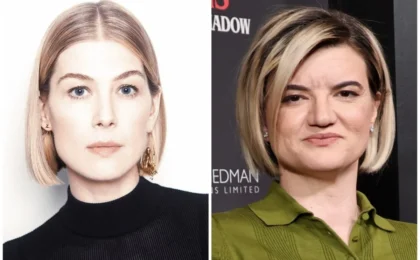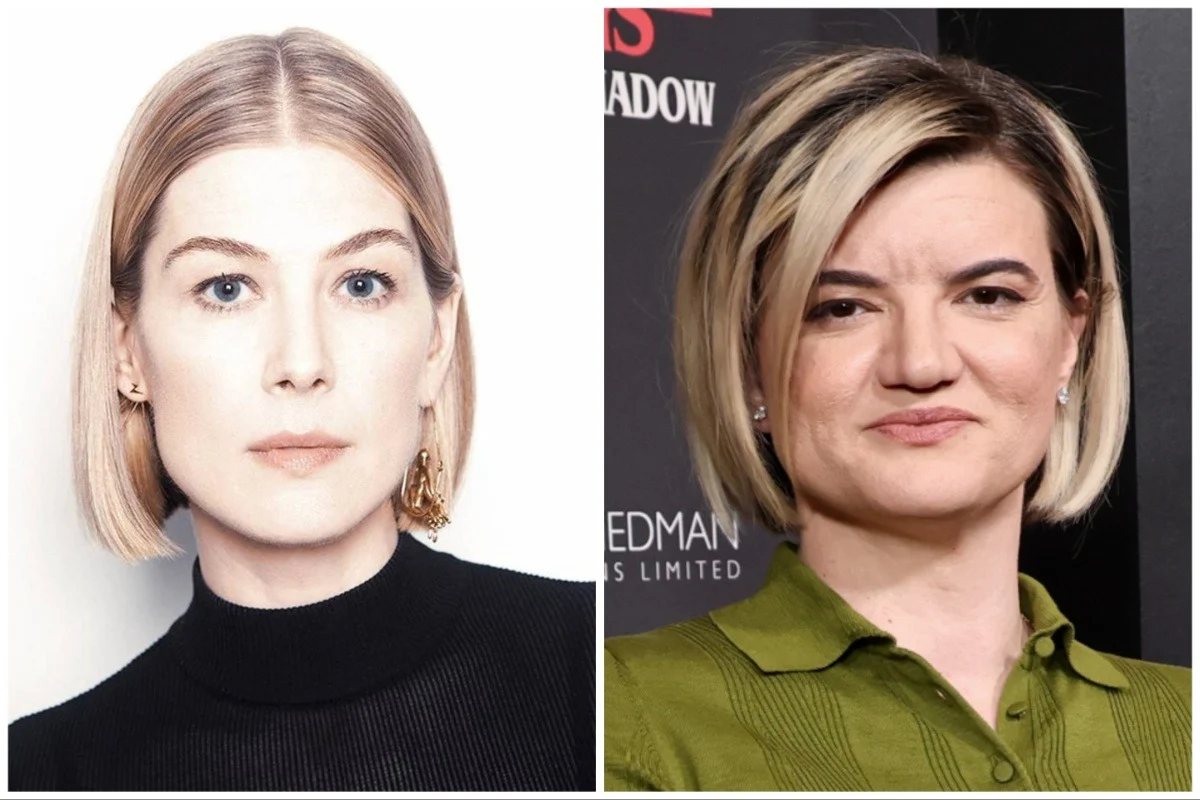
In an industry currently obsessed with the intersection of digital validation and biological autonomy, a new project is poised to push the boundaries of the body horror genre. Academy Award nominee Rosamund Pike, known for her chilling precision in films like Gone Girl and Saltburn, has announced she will star in and produce Feed, a visceral new feature film directed by Leslye Headland, the creative force behind the Star Wars series The Acolyte.
The project, which is set to launch international sales at the upcoming American Film Market, marks a high-profile collaboration between some of Hollywood’s most uncompromising creative voices. With a script penned by Daniella Isaacs, Feed is described as an audacious exploration of the dark side of internet fame, the toxic pressures of competitive athletics, and the grotesque evolution of the mother-daughter dynamic in the age of the influencer.
The Premise: When Ambition Turns Visceral
Feed takes its thematic inspiration from the acclaimed 2022 Finnish horror film Hatching, a movie lauded for its use of genre tropes to explore the psychological decay inherent in stifling domestic environments. While Hatching dealt with the repression of trauma, Feed pivots toward the externalization of vanity.
The official logline describes a narrative that is as timely as it is terrifying: "When a desperate mother discovers an obscure collagen supplement that promises to make her tween gymnast daughter an influencer star, the fame and success they crave come fast. But as her daughter goes viral, she begins a monstrous transformation."
The film serves as a cautionary tale about the lengths to which modern parents will go to secure their children’s success, and the literal price paid when the "beauty" of the digital world clashes with the reality of human biology.
Chronology of Development and Production
The path to Feed has been one of careful curation and strategic alignment. The project began with the development of Daniella Isaacs’ screenplay, a work that immediately caught the attention of industry veterans for its unflinching look at the "monstrosity of modern motherhood."
Following the script’s completion, the project began to assemble its core creative team. Rosamund Pike’s production banner, Primitive Streak, stepped in to spearhead the development, recognizing the film’s potential to become a definitive commentary on contemporary social ills. With Leslye Headland—fresh off her expansive work in the Star Wars universe—signing on to direct, the project moved from a promising screenplay to a "must-watch" production in the eyes of financiers.
The project is now fully financed for development by ZQ Entertainment. As the industry turns its gaze toward the American Film Market next week, the team is positioning Feed as a premier offering for international distributors. With CAA Media Finance overseeing the domestic rights and The Veterans handling the global sales, the film is expected to generate significant bidding interest.
Supporting Data: The Rise of Body Horror as Social Commentary
To understand the significance of Feed, one must look at the current landscape of the horror genre. Over the last decade, "elevated horror"—films that use the supernatural or the physically grotesque to mirror real-world sociological anxieties—has seen a massive surge in box office performance and critical reception.
Data from the last five years indicates a distinct trend: audiences are increasingly seeking narratives that deconstruct the "perfect" facade of modern life. From the critique of class struggle in Parasite to the examination of artistic obsession in The Substance, horror has become the preferred vehicle for exploring systemic trauma.
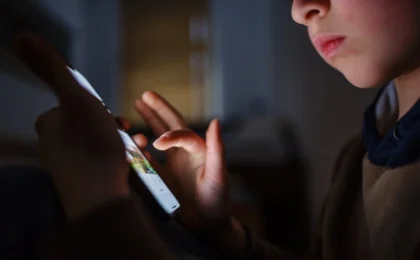
Feed fits neatly into this lineage. By focusing on the "tween gymnast" demographic, the film taps into a very real societal anxiety regarding the exploitation of minors in the social media era. The "collagen supplement" serves as the MacGuffin—a catalyst that represents the dangerous, unregulated wellness industry that targets women and girls. By framing this through the lens of body horror, Headland and Pike are not merely making a "scary movie"; they are creating a metaphor for the physical toll that unrealistic beauty standards and digital performance demand.
Official Responses and Creative Vision
The creative team behind Feed has been vocal about the necessity of this project in the current cultural climate. For Rosamund Pike, who has carved out a niche playing complex, often dangerous women, this film represents a deeply personal creative venture.
"Long have I wanted to make a film that plays anarchically with our obsession with social media and self-improvement, our desire for fame without notable admirable skill and, let’s put it out there, the monstrosity of modern motherhood," Pike stated in a recent press release. "‘Feed’ deals with all these things."
Leslye Headland, whose directorial versatility has been on full display throughout her career, expressed a similar sentiment regarding the strength of the script and the caliber of her collaborators. "Daniella’s script is audacious, disturbing and deeply human and Rosamund is among the boldest actors working today," Headland noted. "I couldn’t ask for better partners to take on the darker corners of this story and I feel incredibly lucky to be making this film with two women whose work I admire so much."
The mutual admiration between the director, the lead, and the screenwriter suggests a highly collaborative environment, one necessary to navigate the complexities of a film that promises to be both "disturbing" and "deeply human."
Implications: The Future of the Genre and Industry
The announcement of Feed carries significant implications for the film industry at large.
1. The Power of "Female-Centric" Horror
Historically, the horror genre was often criticized for its treatment of women as mere victims. Feed is part of a growing movement of films directed, written, and produced by women that reclaim the "body" as a site of power and horror. By focusing on the mother-daughter dynamic, the film promises to subvert traditional tropes and provide a visceral exploration of maternal ambition.
2. The Influence of the American Film Market (AFM)
The decision to debut the sales package at the American Film Market is a strategic move. It signals that the producers are looking for global reach, anticipating that the themes of social media obsession, influencer culture, and the dark side of youth sports are universal. In a globalized digital world, these themes resonate as strongly in Tokyo or London as they do in Los Angeles.
3. A New Direction for Leslye Headland
After her tenure in the world of high-budget franchise filmmaking, Headland’s return to a more intimate, character-driven, and genre-bending project like Feed is a testament to her creative range. It highlights a recurring trend where top-tier directors pivot back to "prestige horror" to exercise greater creative control and tackle more challenging, adult-oriented themes.
4. Rosamund Pike’s Producing Legacy
With Feed, Pike continues to solidify her reputation as not just an actor, but a producer who understands the marketability of the "transgressive." By choosing material that refuses to shy away from the grotesque, she is aligning her Primitive Streak banner with a specific brand of sophisticated, provocative cinema that appeals to both arthouse audiences and the wider genre-fanbase.
Conclusion: A Mirror to Our Own Reflections
As pre-production for Feed begins to ramp up, the industry will be watching closely. In a world where the line between the "authentic self" and the "digital avatar" is increasingly blurred, a film that explores the physical transformation caused by the pursuit of likes and fame feels like a necessary, if harrowing, mirror.
Pike, Headland, and Isaacs have set the stage for what promises to be a defining entry in the body horror sub-genre. Through the lens of a mother’s desperate ambition and a daughter’s monstrous metamorphosis, Feed is poised to force a conversation about the costs of vanity, the pressures of success, and the terrifying, often hidden, consequences of trying to curate a perfect life.
As the production team heads to the American Film Market, the message is clear: the horror of the future isn’t found in a haunted house or a masked killer—it is found in the palm of our hands, in the supplement bottle on the counter, and in the relentless, unblinking glare of the digital spotlight.