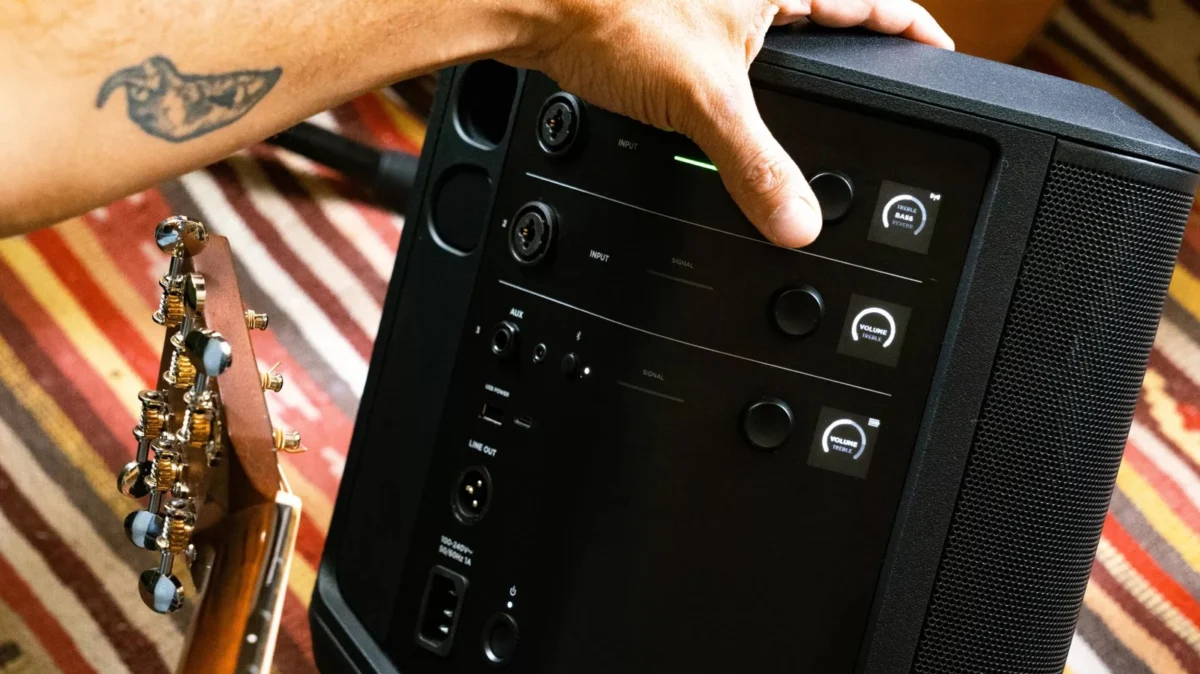
In a significant move affecting thousands of audio professionals, musicians, and casual users, Bose has initiated a massive voluntary recall of its lithium-ion battery packs designed for the S1 Pro and S1 Pro+ portable speaker systems. The recall, coordinated with the U.S. Consumer Product Safety Commission (CPSC) and Health Canada, underscores the growing vigilance regarding lithium-ion battery safety in consumer electronics.
The recall encompasses approximately 670,000 units across North America—635,000 in the United States and roughly 35,400 in Canada. Owners are being urged to immediately cease using the affected battery packs to prevent potential property damage or personal injury.
The Core Facts: Understanding the Recall
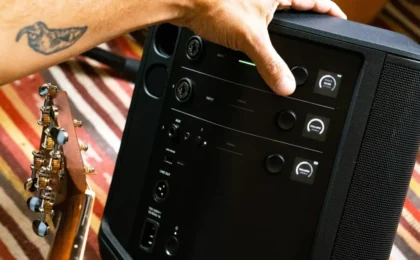
The Bose S1 Pro and S1 Pro+ are highly regarded in the professional audio industry for their versatility, serving as the go-to portable PA system for street performers, public speakers, and intimate live music venues. While the speaker units themselves are not subject to the recall, the removable, rechargeable lithium-ion battery packs that allow these units to function wirelessly are the specific point of failure.
According to the official notice, these battery packs are prone to overheating, which in turn can lead to the battery melting, smoking, or, in the most severe cases, igniting. This poses a significant fire and burn hazard.
Bose has confirmed that the recall specifically targets batteries sold between December 2017 and July 2026. These units were distributed through major retailers, including Amazon, Best Buy, and Walmart, as well as directly through Bose’s own retail and digital channels.
Chronology of the Incident
The path to this recall began with consumer reports surfacing regarding the performance of the battery packs. While the exact timeline of the internal investigations at Bose remains proprietary, the regulatory process reached its breaking point this week.
- 2017–2026: The period during which the affected battery packs were manufactured and sold as either integrated components of the S1 Pro system or as standalone accessories.
- Initial Incident Reporting: Bose received reports from the field indicating that a subset of these batteries was exhibiting abnormal thermal behavior.
- Investigation Phase: Bose initiated a technical review of the battery design and manufacturing batches.
- Formal Regulatory Filing: Upon identifying the pattern of risk, Bose worked in conjunction with the CPSC to finalize the safety parameters of the recall.
- The Official Announcement: On Thursday, the CPSC issued the formal recall notice, mandating that owners verify their serial numbers and discontinue use of the hazardous components.
Supporting Data and Safety Statistics
Safety regulators have emphasized the importance of this recall based on the documented history of the battery packs. To date, Bose has received seven verified reports of batteries malfunctioning. The nature of these malfunctions includes:
- Thermal Runaway Events: Instances where the battery pack melted or smoked.
- Combustion: Reports of the batteries catching fire.
- Property Damage: Six of the seven reports were linked to minor property damage, proving that the risk is not merely theoretical.
While the absence of reported human injuries is a positive development, both the CPSC and Bose are treating the situation with extreme urgency. The sheer volume of units involved—nearly 700,000—makes this one of the most significant electronics recalls in the audio industry in recent years.
How to Verify Your Equipment
Bose has provided a straightforward process for owners to determine if their hardware is impacted. The process is critical because not every S1 Pro battery is part of the recall.
Step-by-Step Verification:
- Remove the Battery: Turn off your S1 Pro speaker and remove the battery pack from the slot located at the bottom of the unit.
- Locate the Serial Number: Look for the 17-digit serial number printed on the battery’s label.
- Cross-Reference the Batches: Compare your serial number against the list of affected batches. The recall specifically targets batteries starting with the following sequences:
- 083723
- 078352
- 084105
- 078591
- 078592
- 084106
- 086409
If your battery’s serial number matches one of these prefixes, you are eligible for a free replacement. You can register your claim via the Bose official recall portal.
Implications for Users and the Industry
The implications of this recall extend beyond the inconvenience of replacing a hardware component.
Operational Continuity
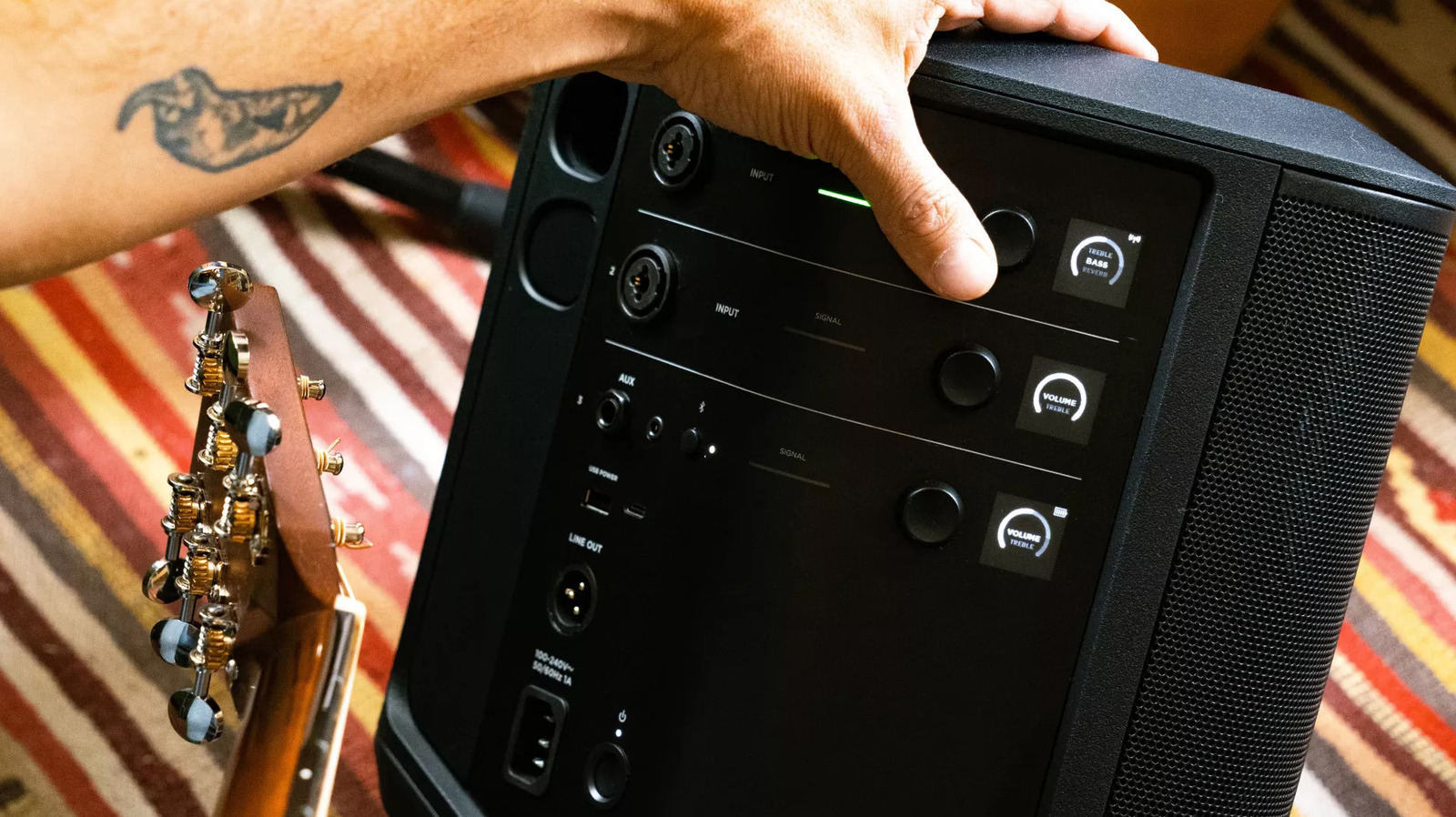
For professional musicians and event planners who rely on the S1 Pro for "busking" or mobile PA requirements, the immediate cessation of battery use is a significant operational hurdle. However, Bose has clarified that the speakers remain fully functional when plugged into a standard AC wall outlet. Users are advised to utilize wired power until their replacement batteries arrive.
Environmental and Disposal Responsibility
A critical aspect of this recall involves the disposal of the hazardous batteries. Lithium-ion batteries are classified as household hazardous waste. They should never be discarded in regular residential trash or recycling bins, as they can cause fires in waste management trucks or at processing facilities.
Owners are urged to contact their local municipal waste management department or visit a certified hazardous waste collection center to ensure the recalled batteries are disposed of safely and in accordance with local environmental laws.
Official Responses and Corporate Strategy
Bose has maintained a posture of transparency and cooperation throughout the regulatory process. By proactively partnering with the CPSC, the company aims to mitigate the long-term impact on its brand reputation, which is built on the premium quality of its audio products.
In their official statement, Bose emphasized that the safety of its customers is the primary priority. By providing a free replacement program and detailed support documentation, the company is attempting to ensure that the transition for affected users is as seamless as possible.
Broader Context: The "Lithium-Ion Reality"
This incident serves as a stark reminder of the challenges associated with modern portable electronics. As consumers demand more power in smaller, more portable form factors, manufacturers are pushing the limits of battery technology.
Lithium-ion batteries, while highly efficient, contain volatile electrolytes that can become unstable if manufacturing defects occur or if the internal battery management system (BMS) fails to regulate charging and discharging properly. The "thermal runaway" phenomenon—where a cell begins to overheat and triggers a chain reaction in neighboring cells—is a known industry risk.
As the industry moves forward, this Bose recall is likely to influence how audio companies vet their battery suppliers and implement safety testing protocols for future product generations. For the end-user, it serves as a valuable lesson in equipment maintenance: always pay attention to recall notices, keep track of serial numbers for high-value gear, and never ignore signs of abnormal heat generation in rechargeable electronics.
Summary of Actions for Owners:
- Stop: Immediately stop using the battery pack if it is among the listed serial numbers.
- Verify: Check the 17-digit serial number on your Bose S1 Pro battery.
- Register: Visit the Bose support website to initiate the free replacement request.
- Dispose: Safely recycle the old battery at a designated hazardous waste facility—do not throw it in the trash.
- Adapt: Continue using your S1 Pro system via AC power until your replacement arrives.
By following these guidelines, users can ensure their equipment remains a reliable tool for their audio needs while avoiding the risks associated with faulty energy storage technology.