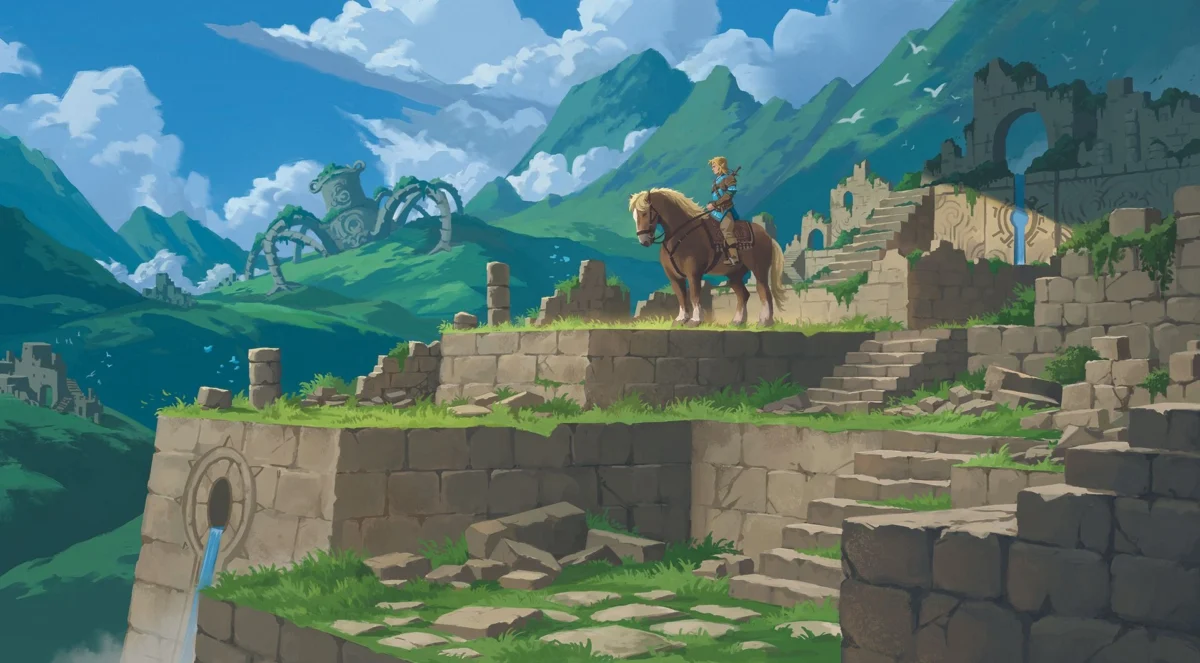
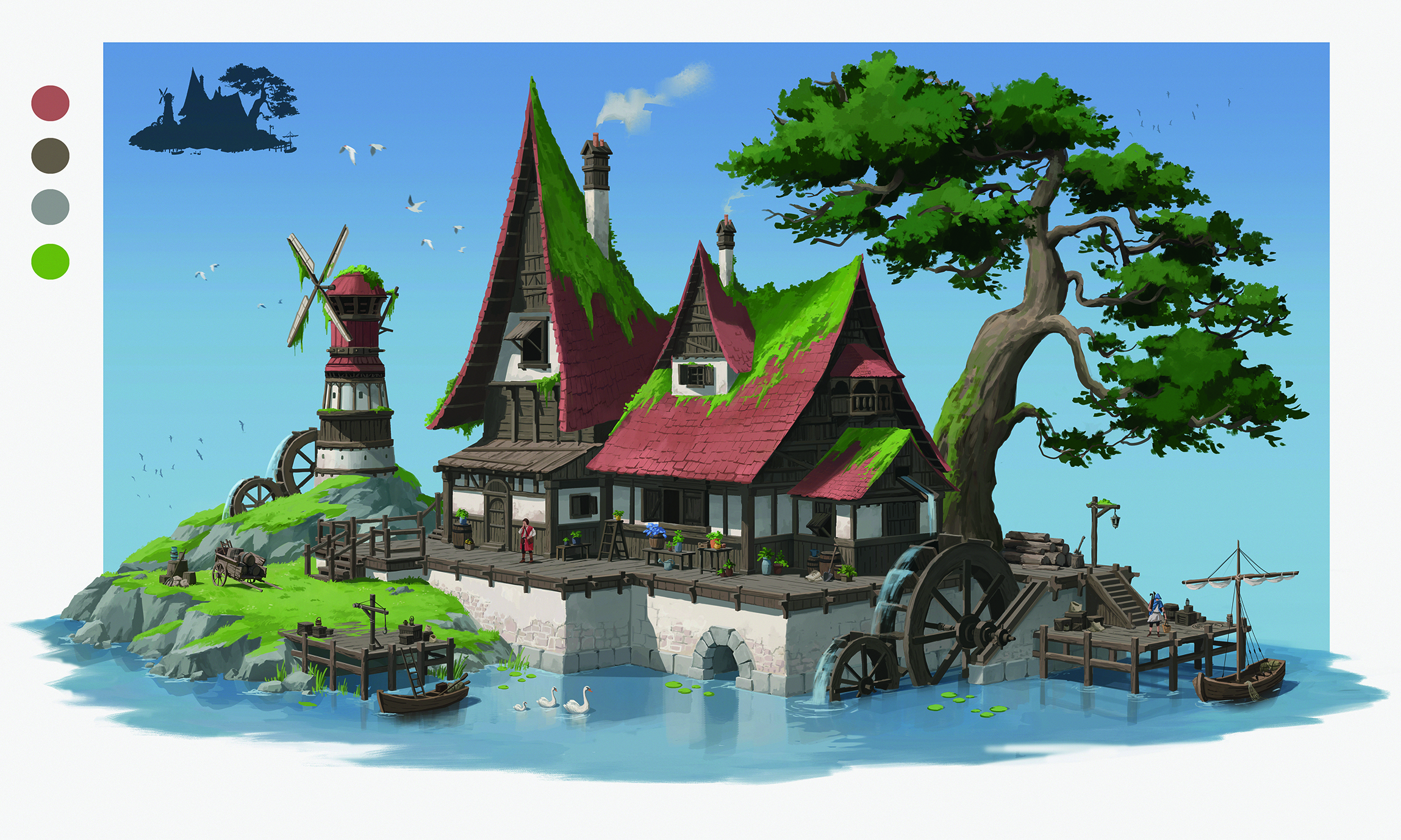
In the realm of concept art, the environment is frequently relegated to the status of a backdrop—a stage upon which characters perform. However, for veteran concept artist and illustrator Joris Halgand, this perspective is fundamentally flawed. To Halgand, an impactful environment is not merely a collection of textures and lighting effects; it is a character in its own right, possessing a history, a personality, and the ability to convey profound emotion without a single line of dialogue.
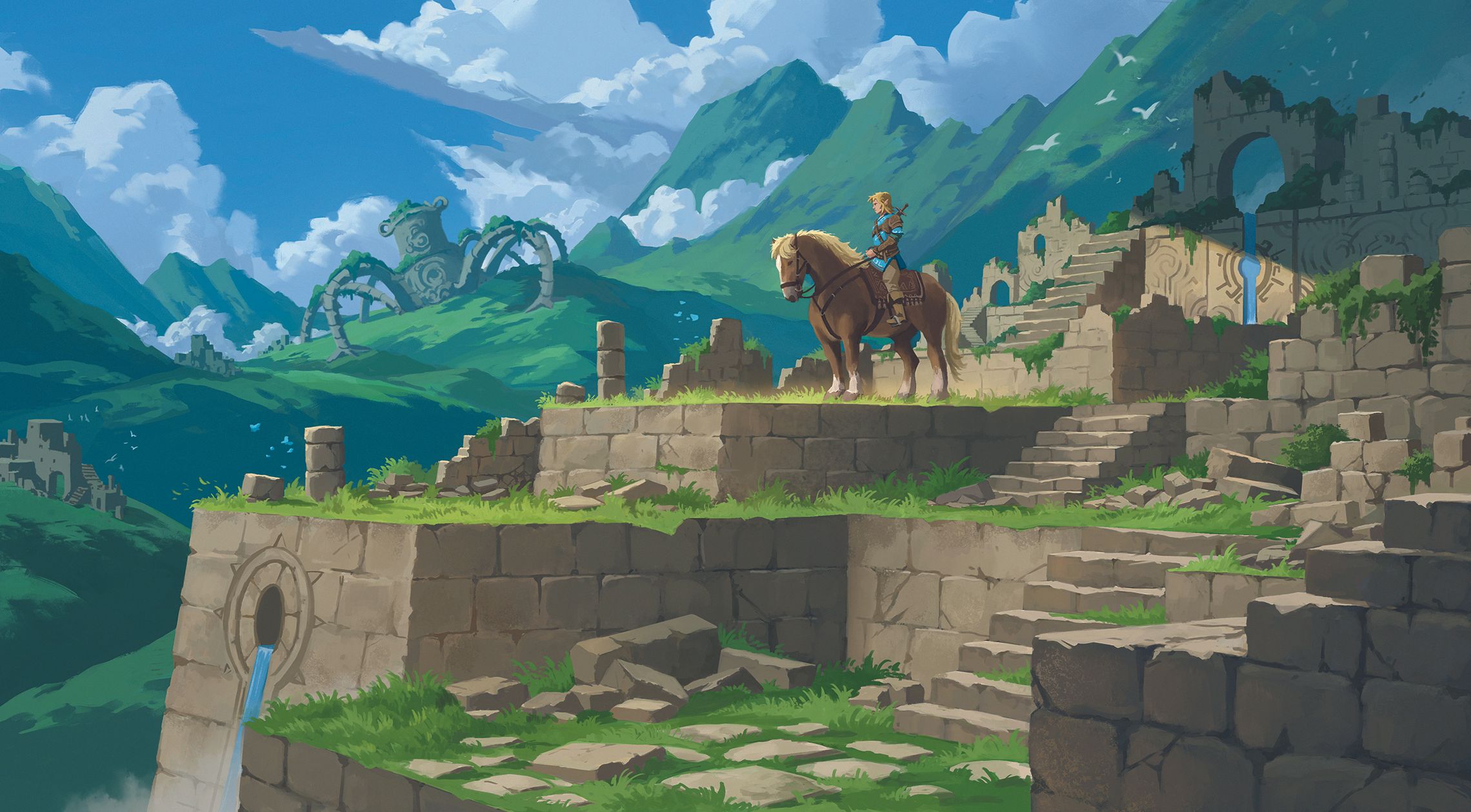
"I’ve learned that an impactful environment is about more than just a beautiful image or a spectacular landscape," Halgand explains. "Having started my career as a concept artist, I realized that environments don’t only serve as background for characters—they are a powerful narrative tool."
For artists looking to elevate their work, the transition from "painter of scenery" to "architect of narrative" is essential. This guide explores the methodologies behind Halgand’s process, offering a deep dive into the techniques required to build worlds that feel lived-in, credible, and emotionally resonant.
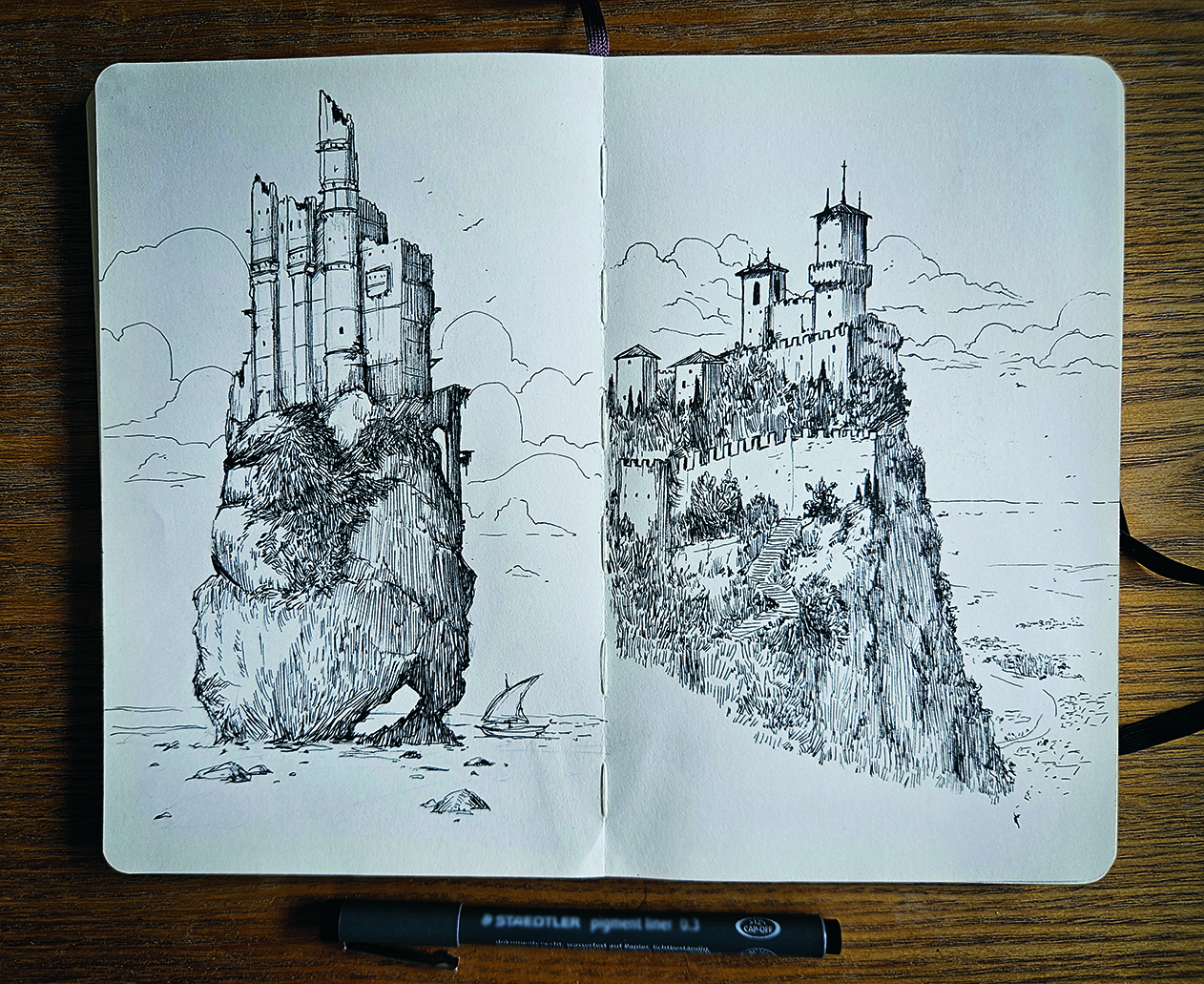
The Philosophy of Narrative Intent: "What Happened Here?"
Before a single stroke is placed on a digital canvas, the most critical step occurs in the mind of the artist. Halgand’s foundational question—"What happened here?"—serves as the catalyst for every subsequent design choice.
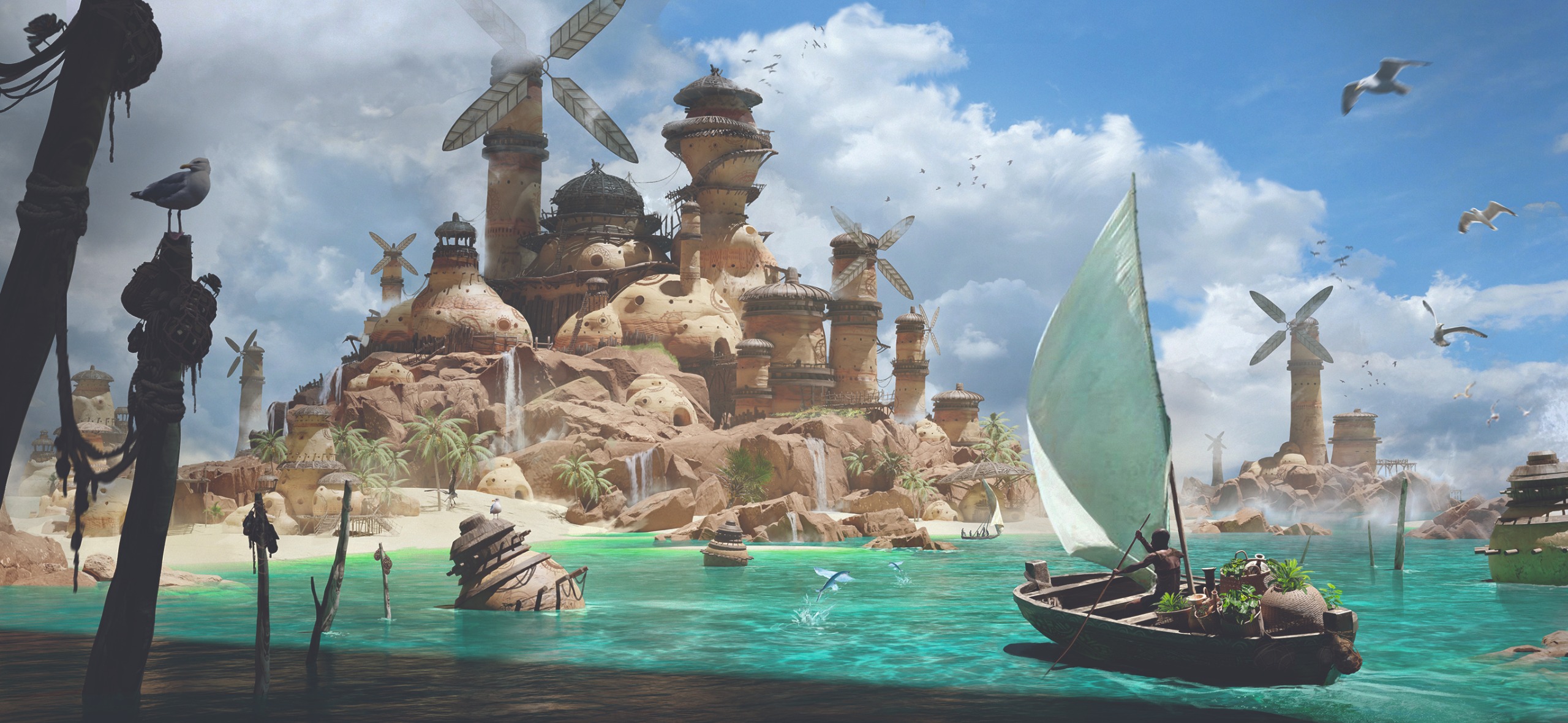
This inquiry is not merely philosophical; it is functional. By establishing a narrative intent, the artist creates a roadmap for composition, lighting, and color. Every visual element must serve the story by revealing the stakes, the history, or the identity of the location. Whether one is working on a high-fantasy vista or a gritty industrial corridor, the environment must suggest a past. A dented wall, a specific architectural style, or the way light filters through a window—these are the subtle indicators that inform the viewer’s perception of the scene.
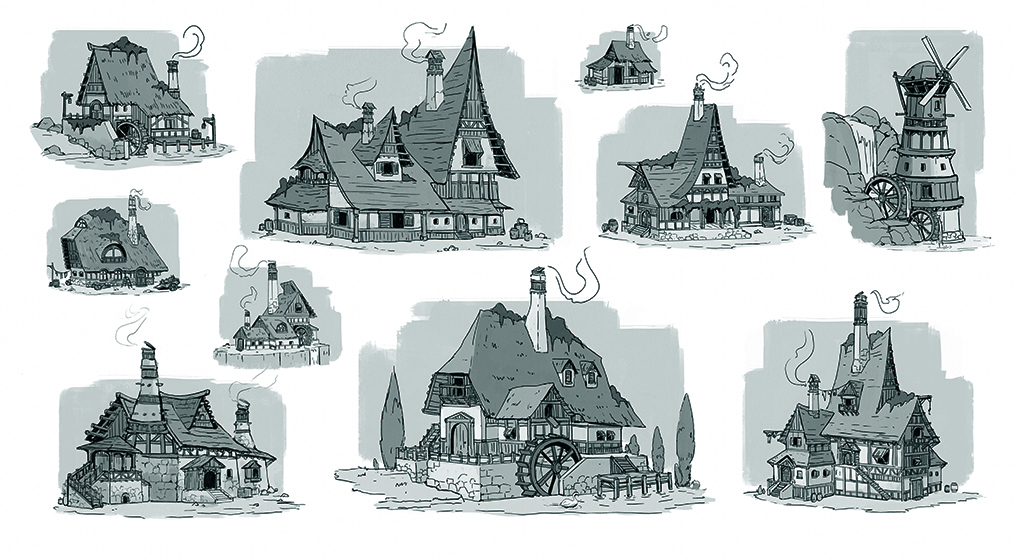
A Chronological Approach to World-Building
Creating a compelling environment is a methodical process that balances technical rigor with creative intuition. Halgand suggests a structured workflow that ensures the final image is not just visually appealing, but narratively coherent.
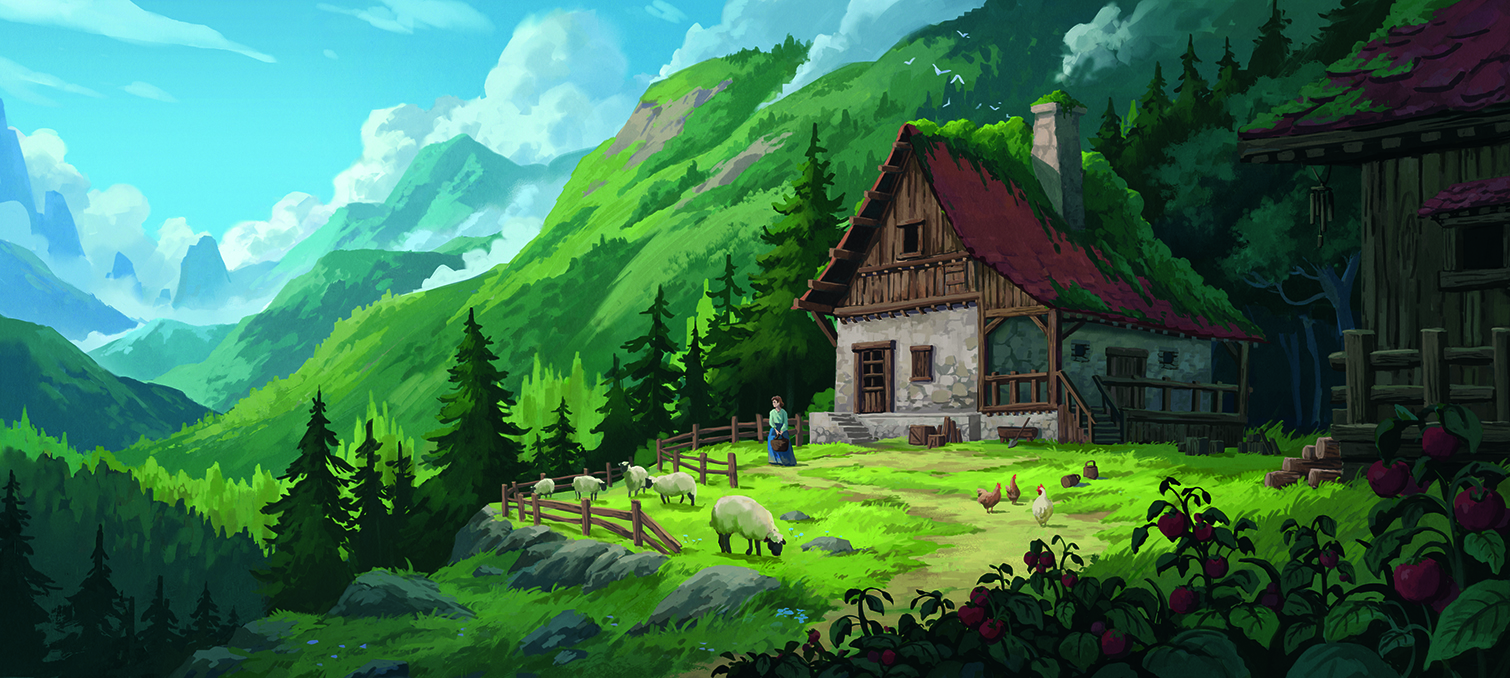
1. The Research Phase: The Real-World Foundation
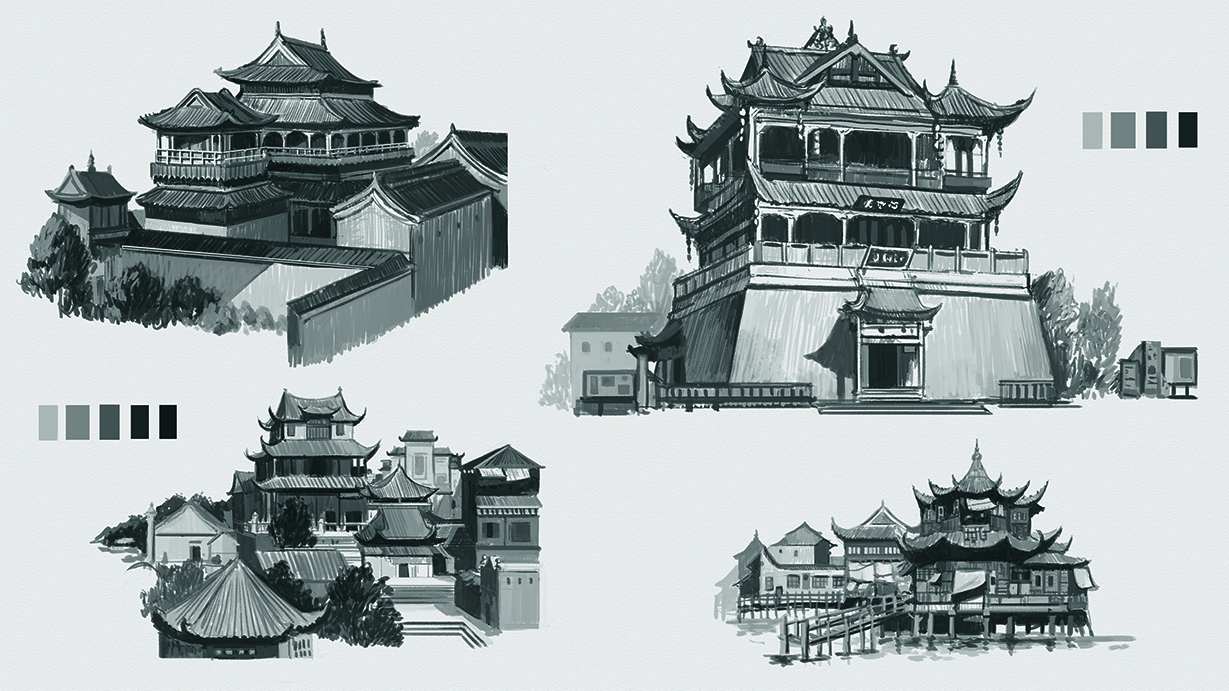
Before sketching, Halgand dedicates significant time to building a comprehensive library of references. "The world around us is an endless source of inspiration," he notes. His library includes landscape photography, architectural blueprints, historical documentation, and studies of nature and wildlife. By grounding fantasy in reality, the artist ensures that the resulting image possesses a "weight" and believability that pure imagination often lacks.
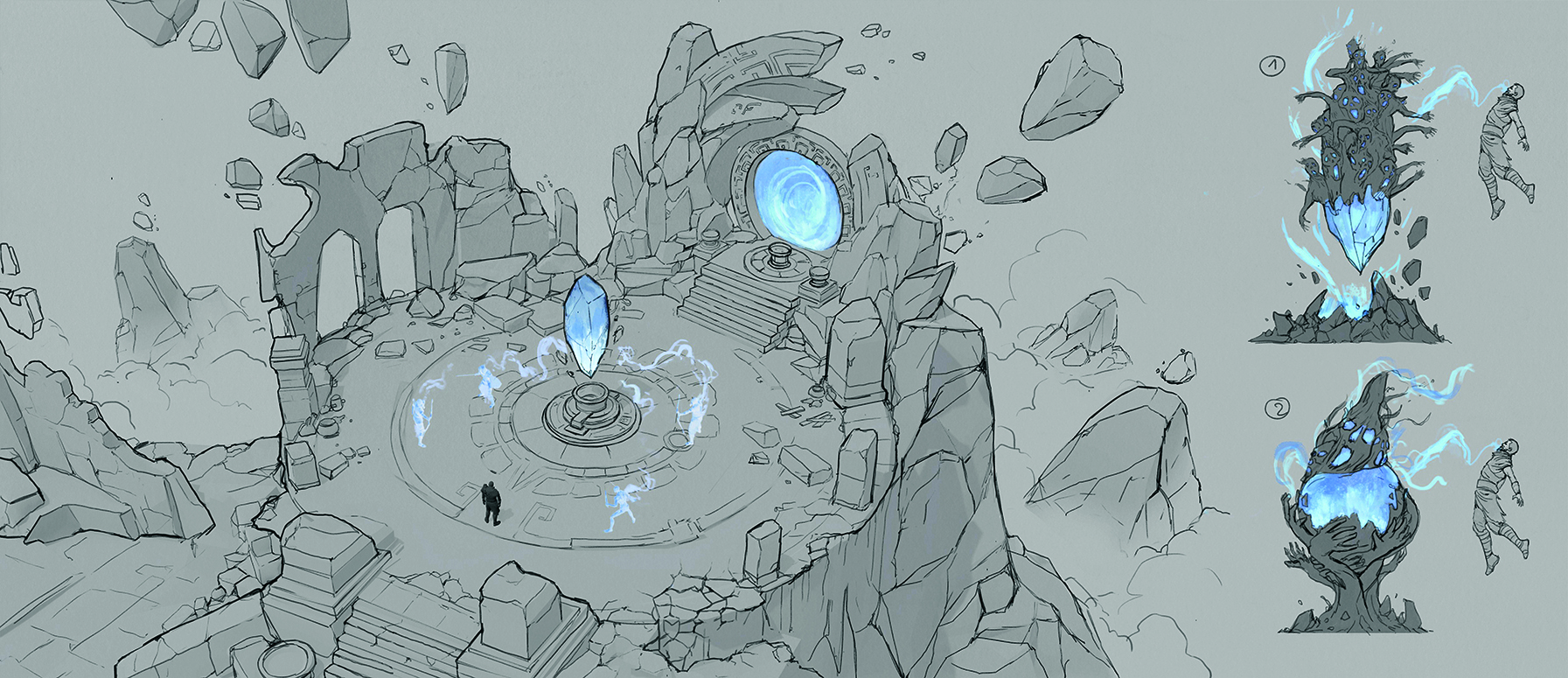
2. Silhouettes and Large Shapes
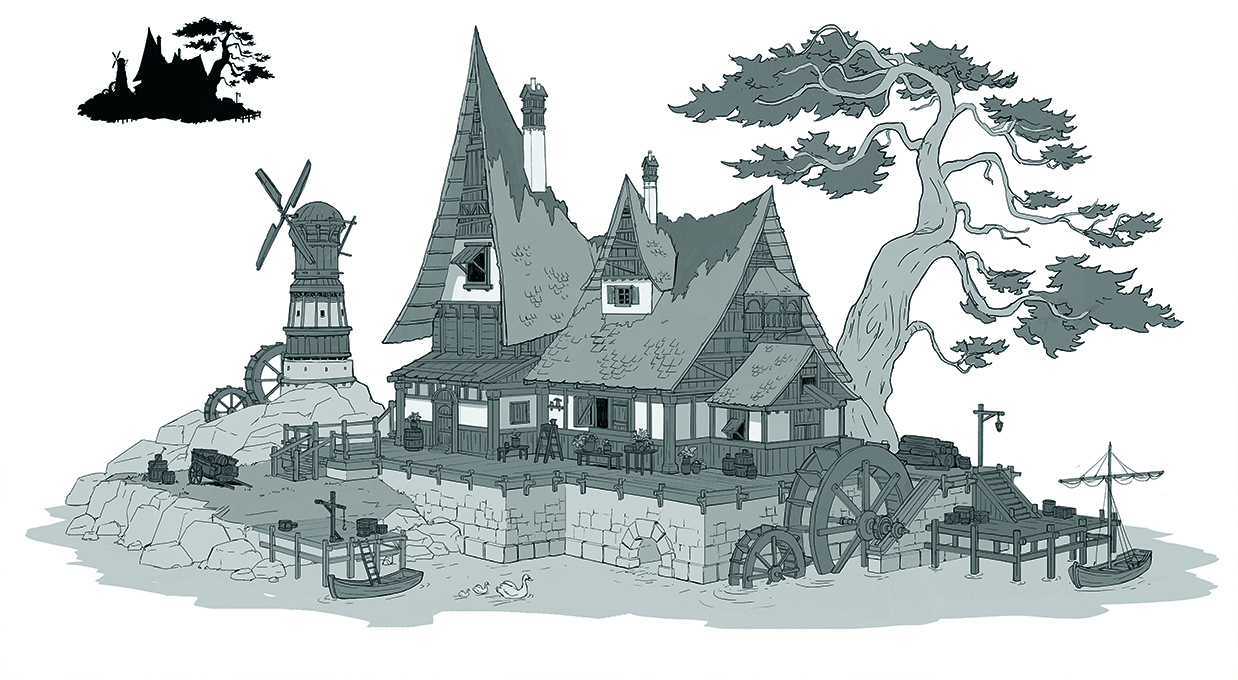
The initial design phase focuses on broad strokes. By exploring various silhouettes before diving into fine details, the artist ensures the design remains readable from a distance. "Finding strong, impactful silhouettes ensures the design is instantly recognizable," Halgand says. This stage is about generating as many iterations as possible to explore the "primary forms" of the environment.
3. The 3D Block-in
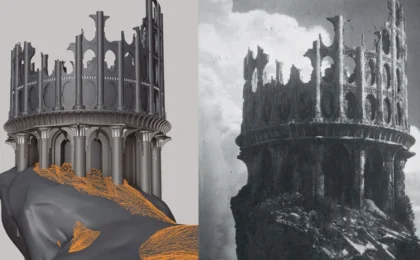
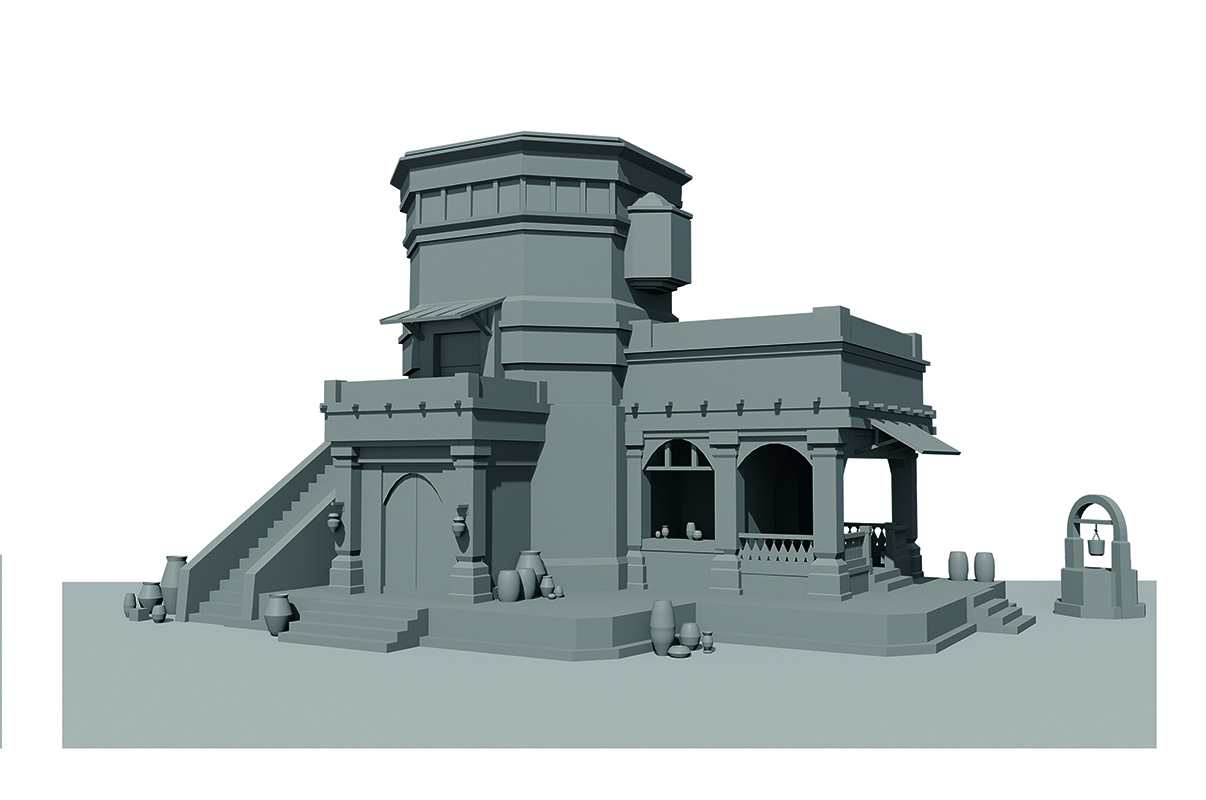
For complex environments, Halgand utilizes 3D software, such as Blender, to establish perspective and scale. By using simple primitives—cubes, cylinders, and spheres—the artist can set up a base that solves technical challenges before the "art" begins. This ensures that the final painting is built on a geometrically accurate foundation.

4. Precision Line Work and Detailing
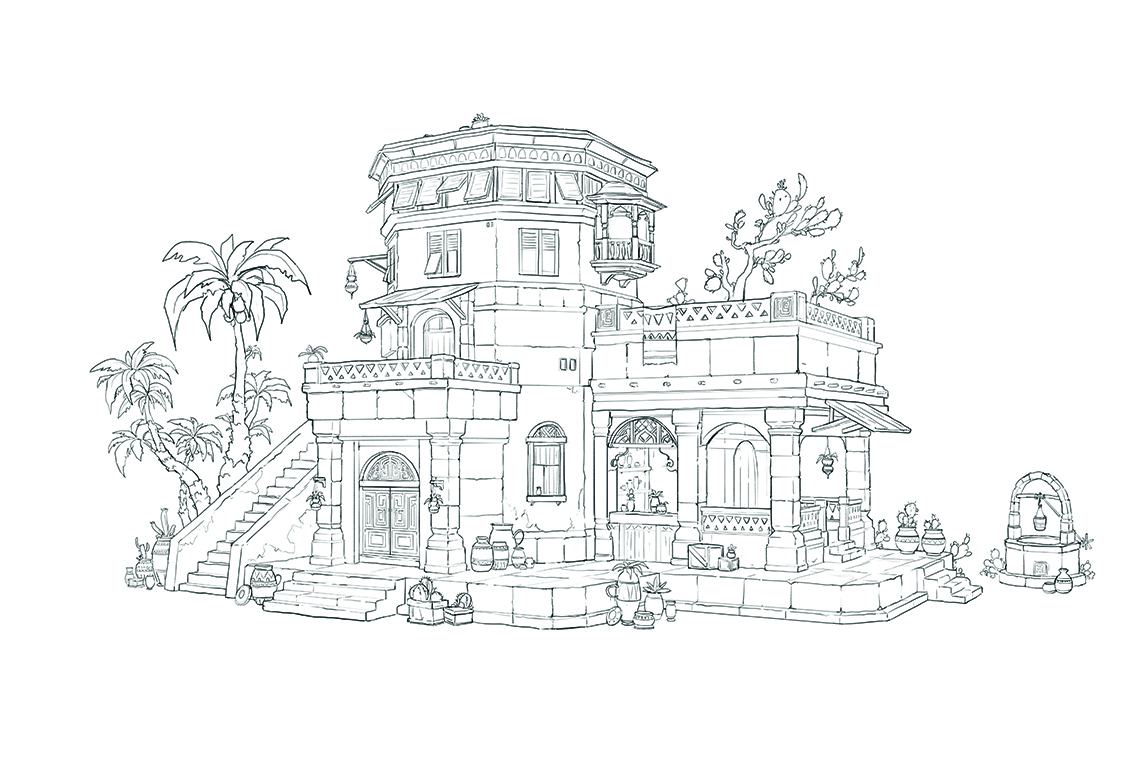
Once the masses are set, the artist layers in the detail. This is where the story is told through props, vegetation, and architectural flourishes. These elements add "imperfection"—dirt, stains, and wear—which are essential to making a place feel inhabited.
5. Lighting and Color Harmony
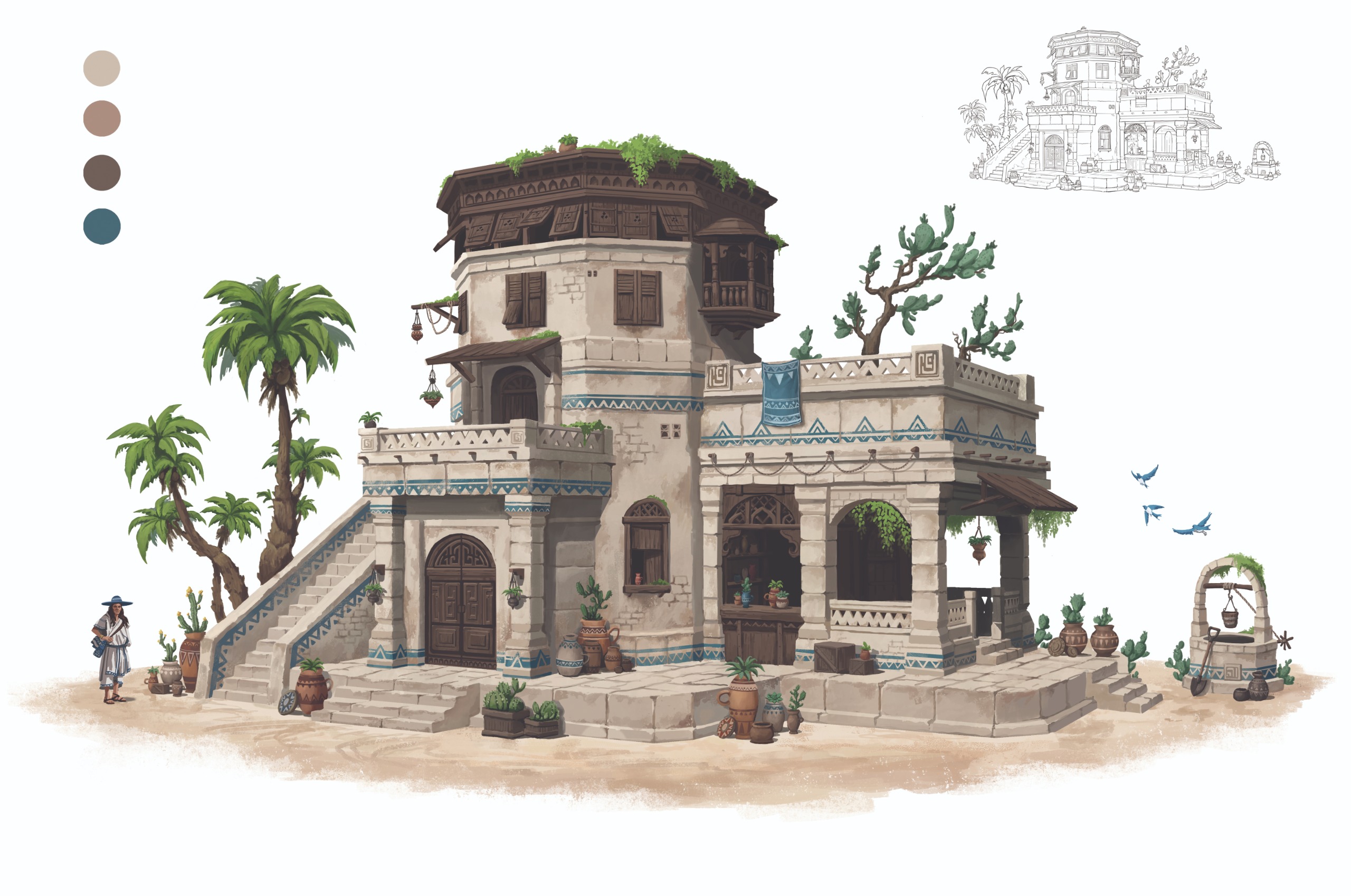
Light is the final, transformative tool. It guides the viewer’s eye to the focal point and establishes the emotional temperature of the scene. Through high-contrast lighting or soft, atmospheric diffusion, the artist dictates the viewer’s emotional journey through the image.
Supporting Data: The Role of Tools in Modern Art
While the artist’s eye is the most important tool, modern technology has significantly lowered the barrier to entry for high-quality environment design. According to industry standards in digital illustration, the shift toward portable, high-fidelity hardware has allowed artists to maintain a continuous creative workflow.
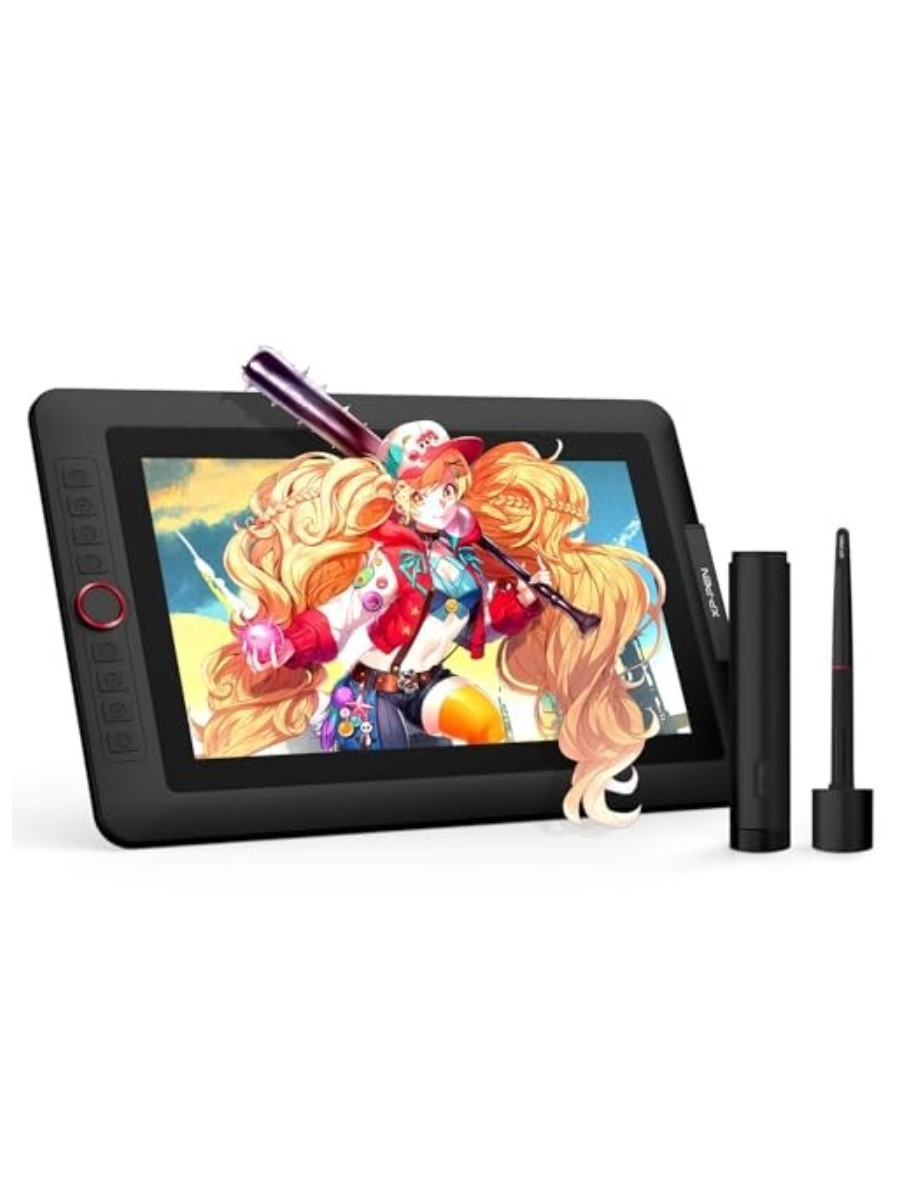
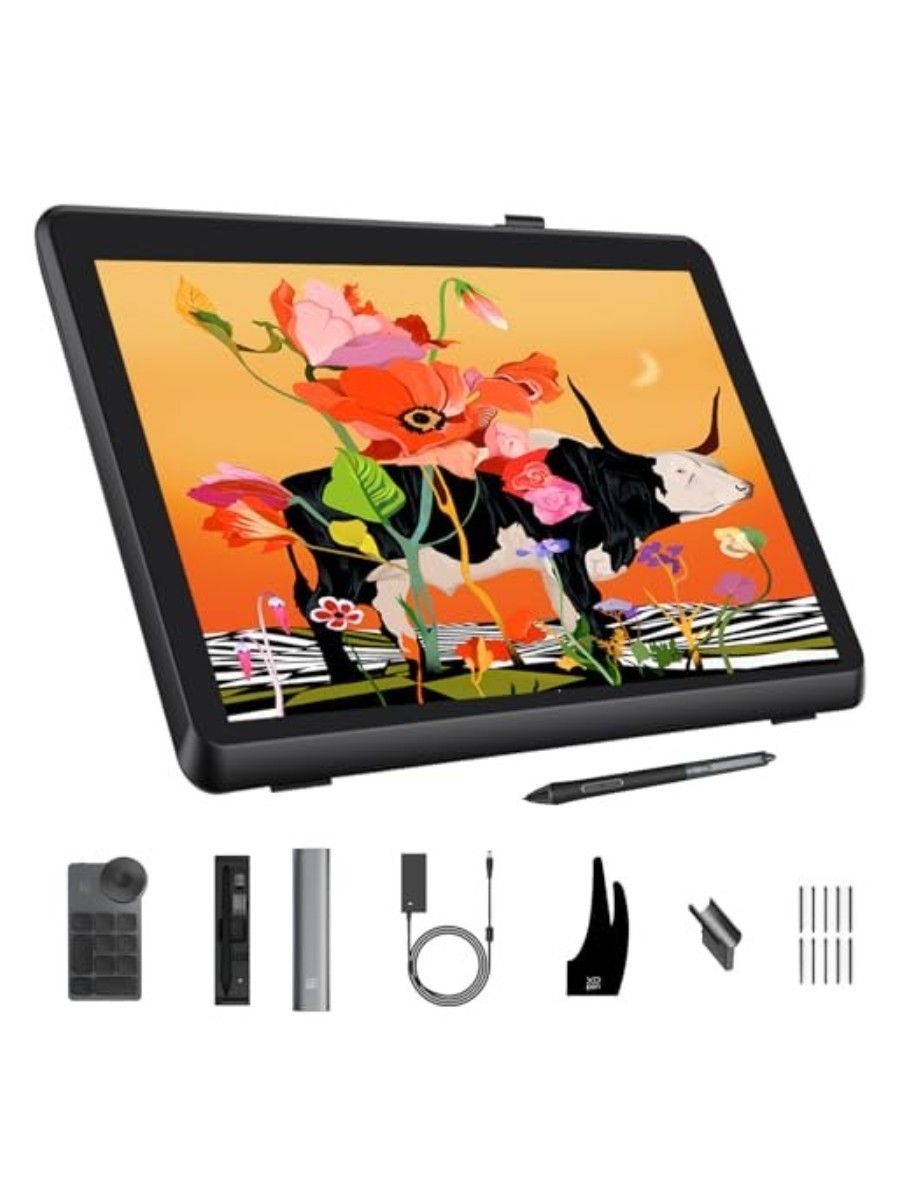
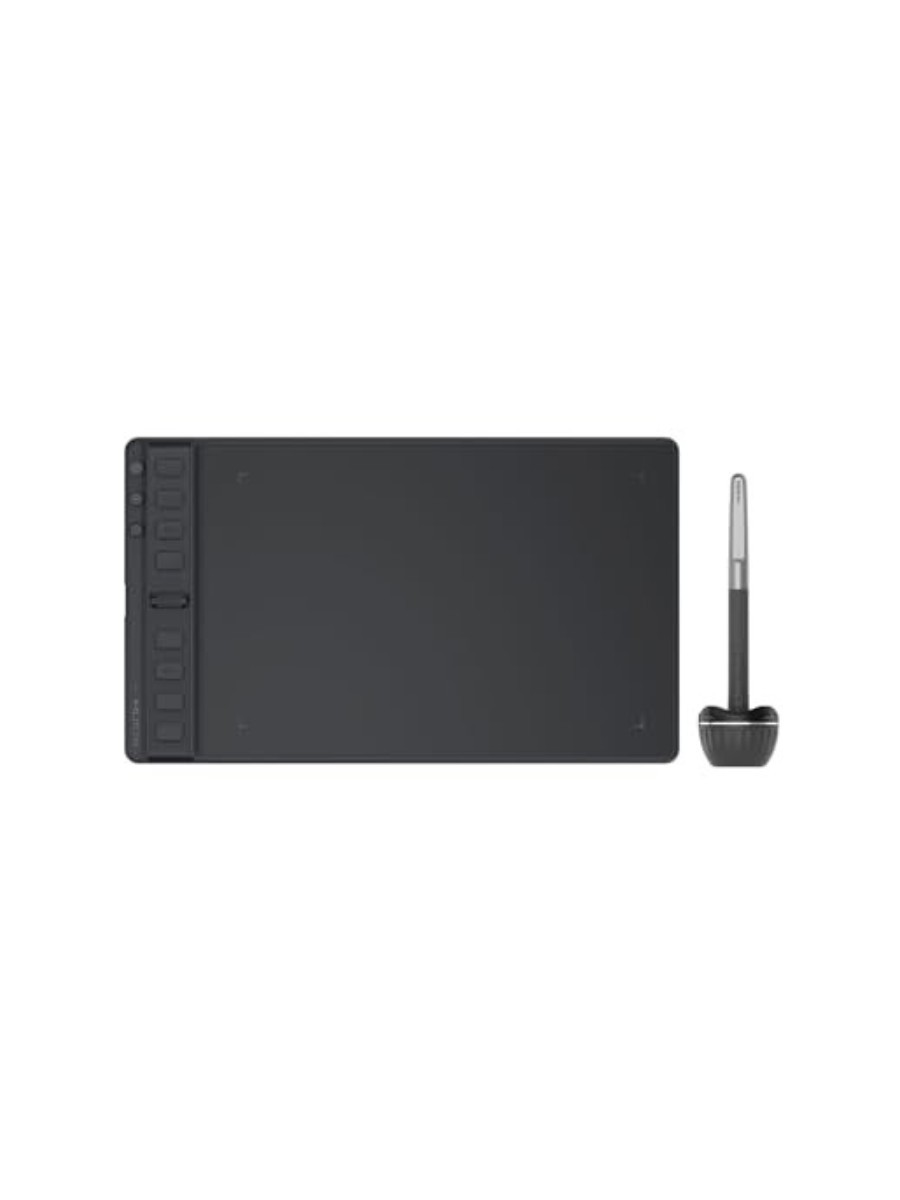
For those looking to update their technical setup, the market currently favors devices that offer high pressure-sensitivity and color-accurate displays. Tools like the XPPen Artist Pro 22 Gen 2 and the Huion Inspiroy 2 Medium are frequently cited by professional illustrators as essential hardware for achieving the precision required for complex architectural rendering. As Halgand notes, while the tool shouldn’t become the "ultimate goal," having a reliable, responsive tablet is crucial for translating vision to screen.
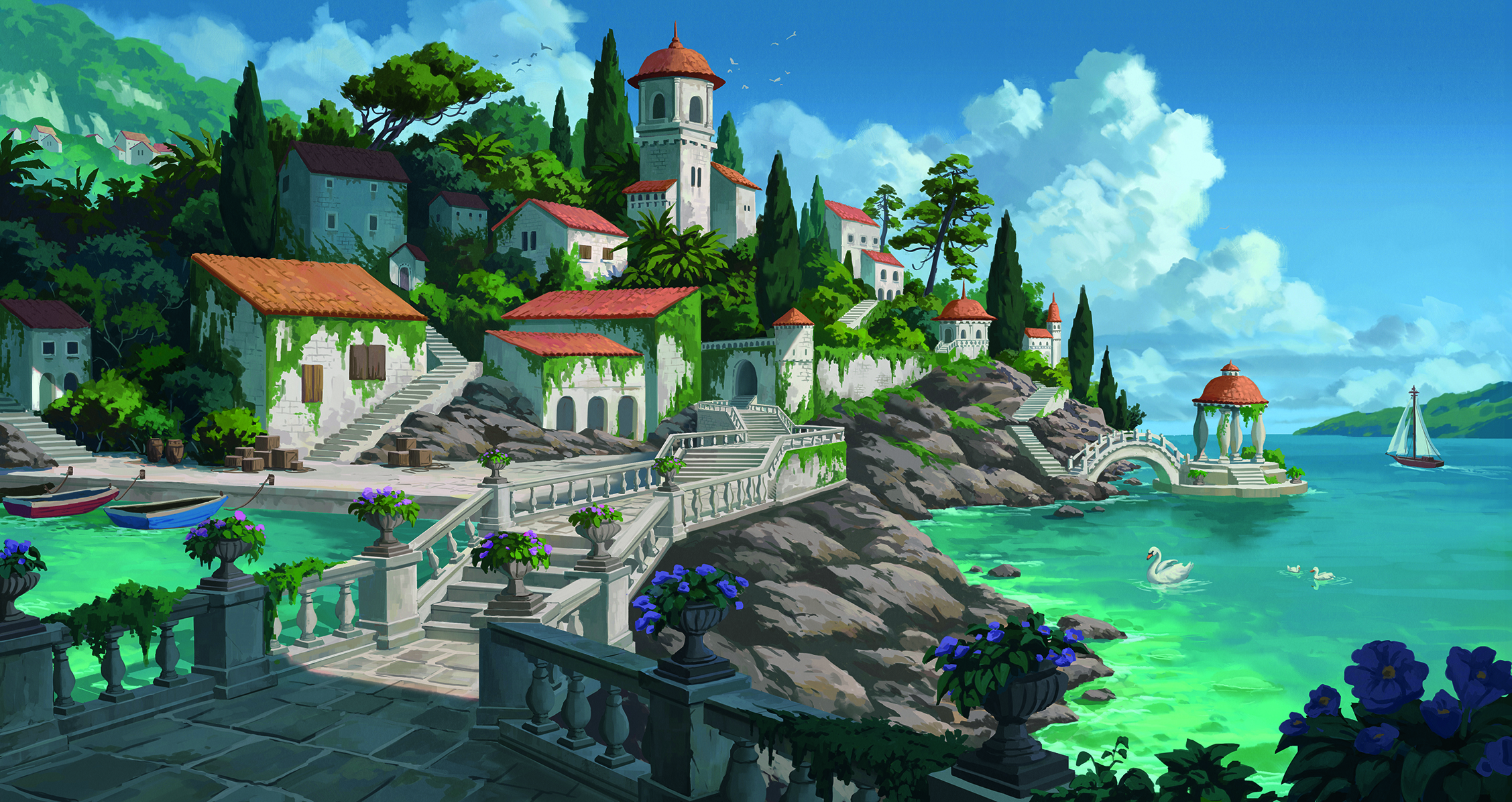
Official Perspective: The Psychology of Space
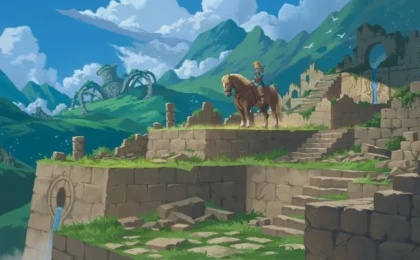
Joris Halgand’s approach aligns with contemporary theories in environmental psychology as applied to visual media. By intentionally using "scale contrast"—pairing gigantic structures with minute details—the artist triggers a sense of "awe" in the viewer. This is a common trope in successful video game design, where the environment is used to make the player feel both small (in the face of a grand structure) and curious (about the history of that structure).
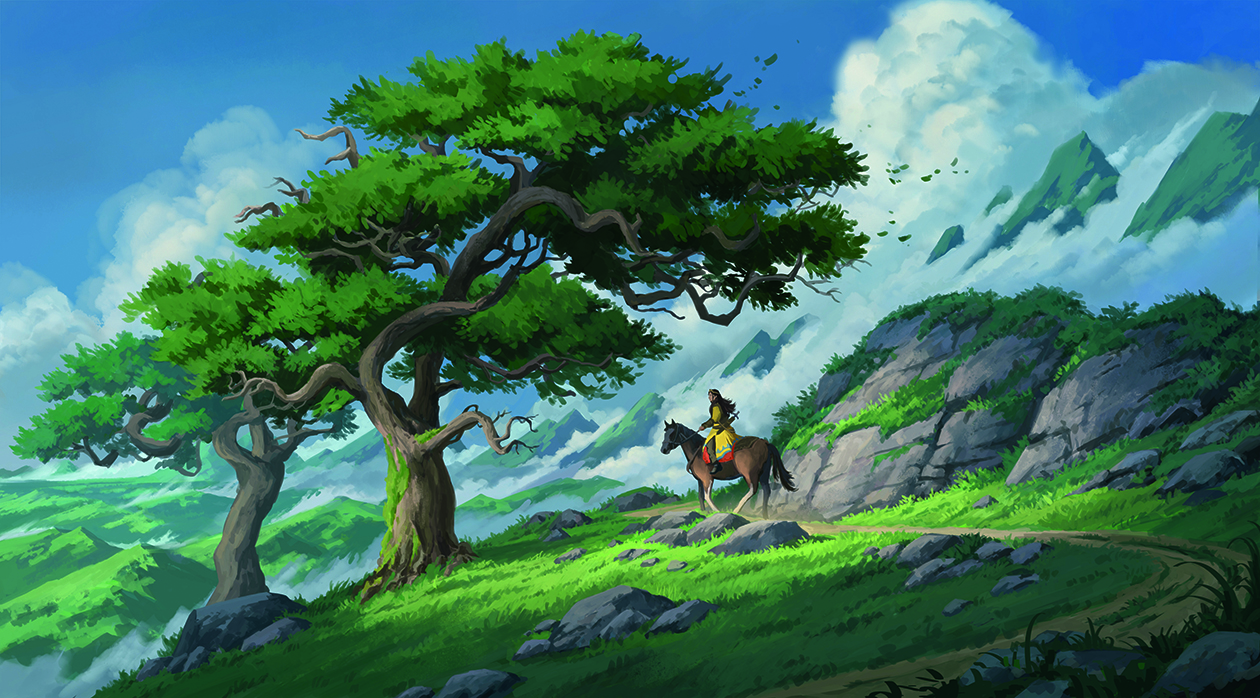
"I love the idea of the viewer imagining themselves exploring these places, much like they would in a video game," says Halgand. This "participatory viewing" experience is what separates a static image from an immersive, narrative environment.
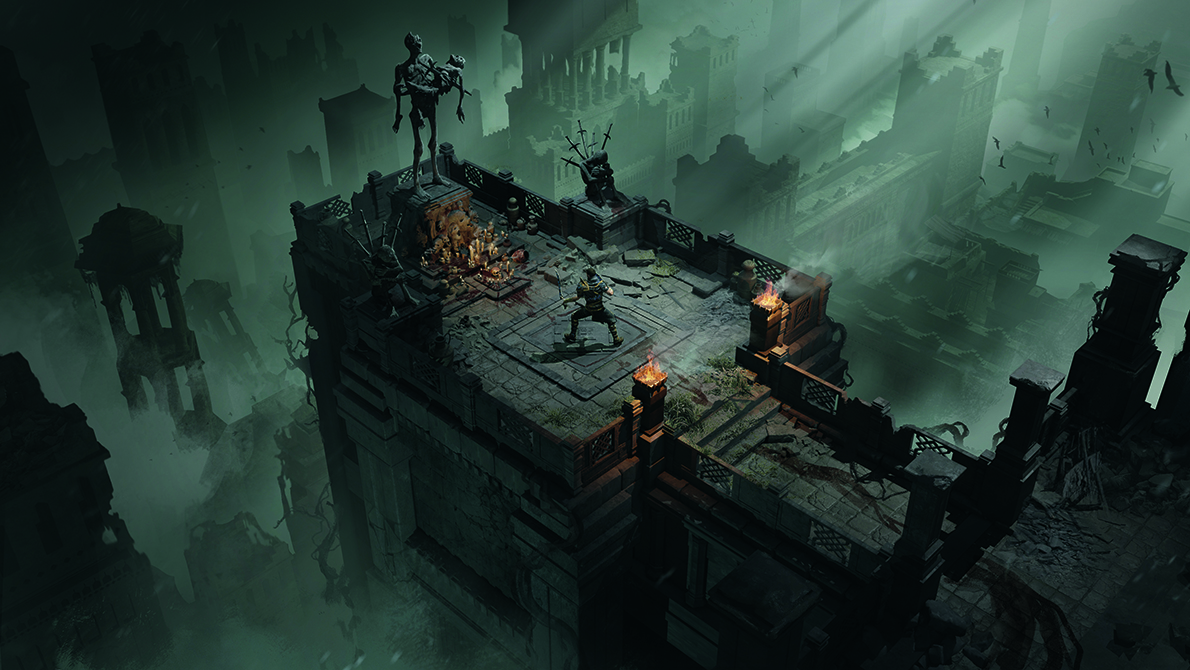
Implications for Future Artists
The shift in the industry toward more narrative-driven environments has profound implications for aspiring concept artists. As AI-generated imagery becomes more prevalent, the ability to imbue an image with intent and history becomes the defining trait of a human artist.
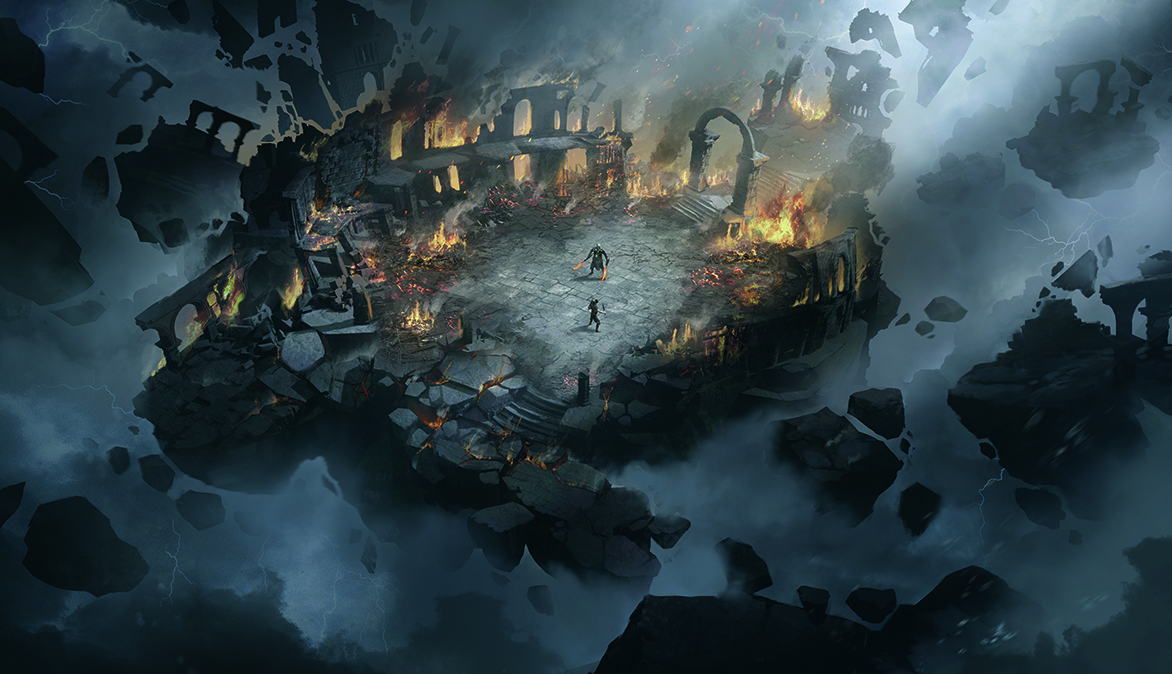
Adaptability as a Core Competency
In an ever-evolving field, adaptability is the artist’s greatest asset. "I strongly encourage exploring different mediums," Halgand advises. "Learning tools like 3D software proved to be a real asset early in my career." The ability to switch between traditional observational drawing and 3D modeling provides the versatility required to work in high-pressure industries like video games and film.
The Power of Mystery
Finally, Halgand emphasizes the importance of mystery. An environment that explains everything loses its power. By leaving gaps for the viewer’s imagination to fill—a half-open door, a mysterious light source, an unexplained ruin—the artist invites the viewer into the story. The viewer becomes a collaborator, forming their own interpretation of the scene.
Conclusion
The art of environmental design is not about creating a perfect landscape; it is about creating a perfect moment. By following a disciplined process of research, silhouette design, and narrative-focused lighting, artists can elevate their work from mere illustration to storytelling.
As Joris Halgand demonstrates, when you treat your environments as characters, the entire world you are building begins to breathe. For those just starting, remember: it begins with the question. Before you draw the next wall, the next tree, or the next mountain, stop and ask yourself, "What happened here?" The answer will define everything that follows.
For those looking to hone their craft, staying current with industry trends is vital. Regularly engaging with publications like ImagineFX and utilizing tools that support your creative vision is the best way to maintain a competitive edge. Whether you are using the latest XPPen hardware or mastering the nuances of Blender, the journey toward mastery is one of constant exploration and adaptation.