“Beautiful. Sweet. Powerful. You either have it or you don’t.”
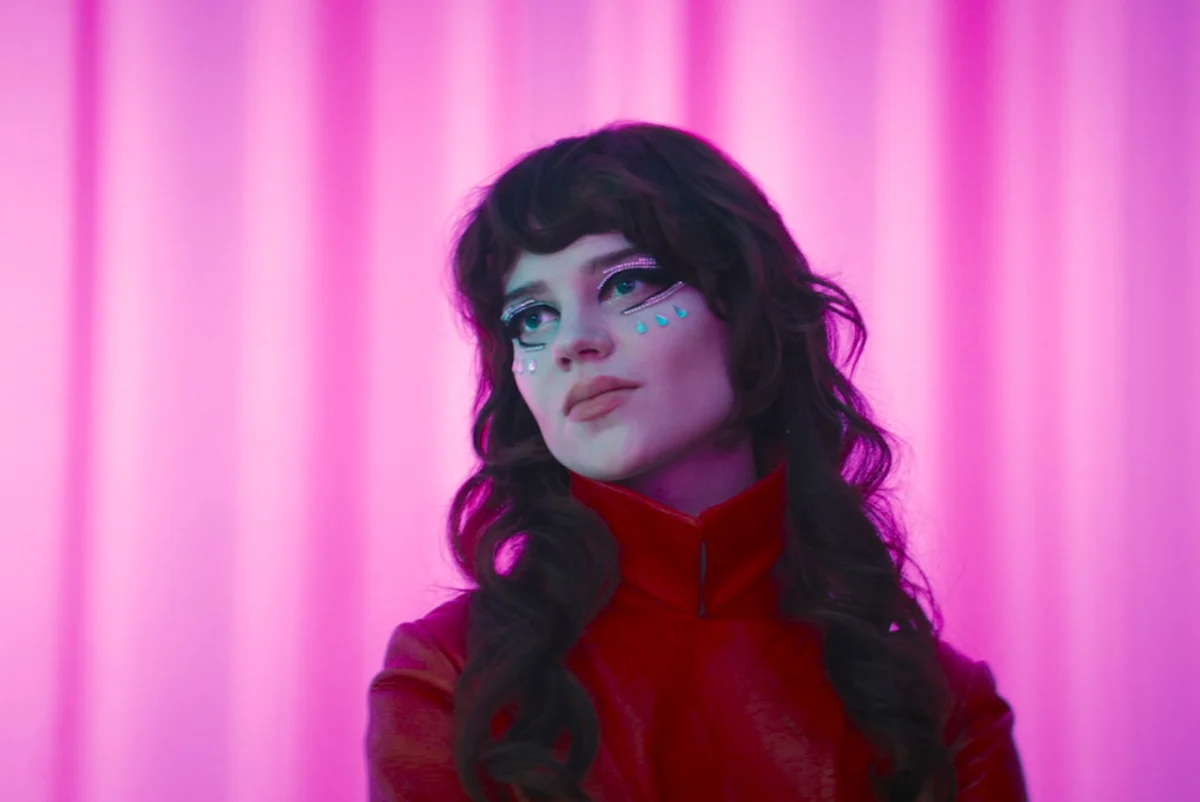
These haunting, minimalist lines—spoken with icy detachment by Sophie Thatcher (Yellowjackets)—serve as the opening gambit for the first trailer of Her Private Hell, the upcoming feature from visionary auteur Nicolas Winding Refn. If the initial footage is any indication, Neon has another stylistic juggernaut on its hands. With its signature blend of synth-drenched atmosphere, saturated neon lighting, and an undercurrent of visceral, high-fashion violence, the film promises to be one of the most polarizing and anticipated releases of the summer of 2026.
Main Facts: The Anatomy of a Neo-Noir Spectacle
Her Private Hell is positioned as a centerpiece of the 2026 summer blockbuster slate, scheduled for a wide theatrical release on July 24, 2026. Directed by Nicolas Winding Refn, known for his uncompromising visual language in films like Drive and The Neon Demon, the film represents a return to his roots in high-concept, stylized thriller territory.
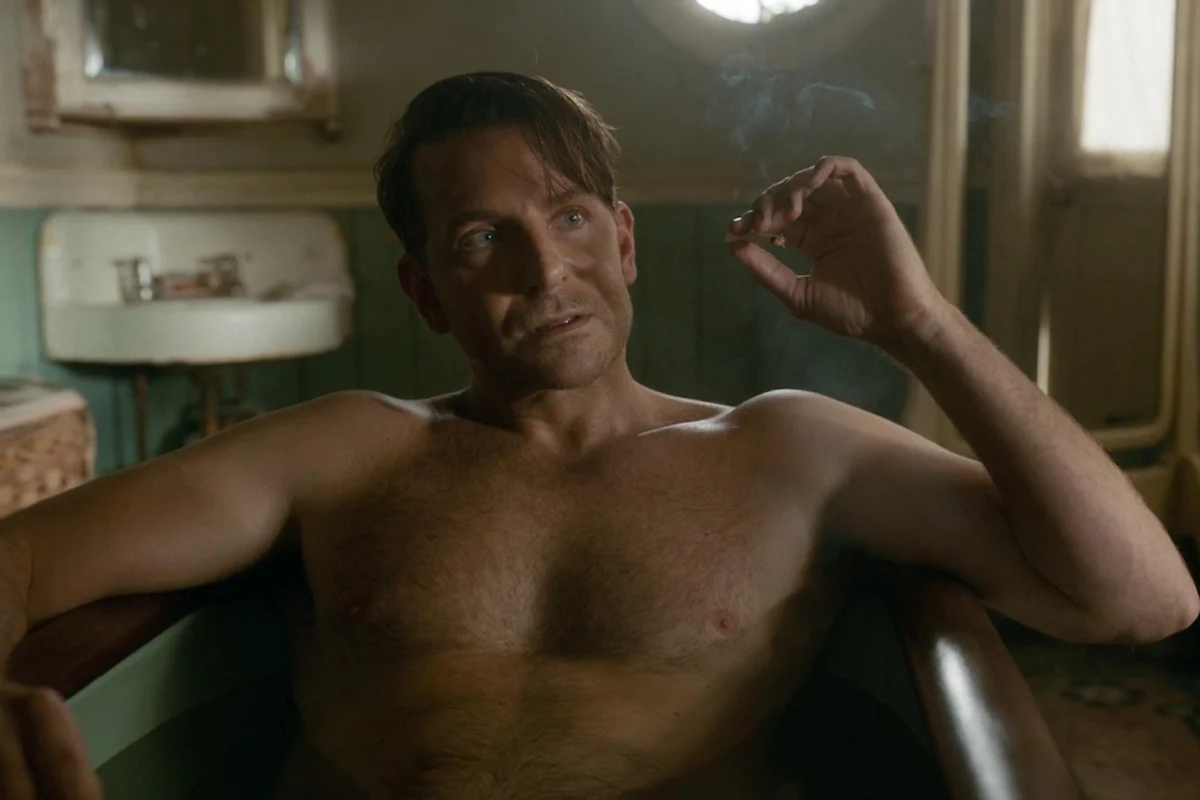
The screenplay, penned by Refn alongside frequent collaborator Esti Giordani, presents a narrative that transcends traditional genre boundaries, merging the existential dread of classic noir with the aesthetic excess of futuristic science fiction. The ensemble cast is formidable, headlined by Sophie Thatcher and Charles Melton (May December, Riverdale). They are supported by a diverse international roster, including Havana Rose Liu, Kristine Froseth, Shioli Kutsuna, Aoi Yamada, Dougray Scott, Diego Calva, and legendary Japanese actor Hidetoshi Nishijima.
At its core, the film is a story of pursuit and survival. The official logline states: “When a mysterious mist engulfs a futuristic metropolis, unleashing a deadly and elusive entity, a troubled young woman searches for her father. Her quest collides with an American G.I. on a harrowing odyssey to rescue his daughter from Hell.”
A Chronology of the Project’s Development
The journey of Her Private Hell from concept to screen has been shrouded in the kind of intentional secrecy that has become a trademark of Refn’s production cycles.
- Q1 2024: Initial whispers of a “secret project” involving Refn and a major production house began circulating in industry trades. Reports indicated that Refn was scouting locations in urban centers known for their brutalist architecture and neon-heavy nightlife.
- Late 2024: Casting announcements began to trickle out, signaling a shift in scope. The inclusion of Charles Melton, following his critically acclaimed turn in May December, signaled that the project would require high-caliber dramatic acting to ground its surrealist visuals.
- Mid-2025: Principal photography concluded under the codename "Project HPH." Reports from the set suggested a grueling production schedule characterized by night shoots and an intensive reliance on practical lighting effects rather than heavy CGI.
- May 2026: The official announcement of the title Her Private Hell coincided with the first teaser trailer drop, which sent shockwaves through social media, primarily due to the inclusion of the “Leather Man”—a terrifying, shadowy antagonist who appears to be the central threat of the film.
- July 24, 2026: The scheduled wide-release date, positioning the film as a late-summer counter-programming effort against the standard franchise fare.
Supporting Data: The Refn Aesthetic and Its Cultural Impact
Nicolas Winding Refn is not merely a filmmaker; he is an architect of atmosphere. To understand why Her Private Hell is generating such intense fervor, one must look at the specific visual and auditory components that define his work.
The Synesthetic Experience
Refn’s films function on a sensory level. The use of electronic, synth-heavy soundtracks (often collaborations with composers like Cliff Martinez or Julian Winding) is designed to induce a hypnotic state in the audience. In Her Private Hell, early reports suggest the sound design is more aggressive than ever, utilizing low-frequency oscillations to mirror the "mysterious mist" mentioned in the logline.
The Role of Color
The "hazy neon" described by early viewers is a deliberate choice. Refn utilizes color as a narrative device—typically vibrant reds, blues, and purples—to represent the internal moral decay of his characters. In a futuristic metropolis, these colors serve to highlight the artificiality of the setting, contrasting the "sweet and powerful" nature of his protagonists with the cold, unfeeling environment of the city.
The “Leather Man” and Genre Deconstruction
The trailer’s inclusion of the “Leather Man” is a bold move. It signals a shift from the psychological horror of The Neon Demon toward a more visceral, creature-feature intensity. The scene showing the entity "ripping a young woman apart like unshelled edamame" confirms that Refn is not shying away from extreme practical effects, a stylistic nod to 1980s body horror that is currently seeing a resurgence in popularity.
Official Responses and Industry Reception
The response to the trailer has been overwhelmingly positive among genre enthusiasts and critics who favor auteurs with a distinct "voice."
Neon, the distribution house behind the film, has leaned heavily into the mysterious nature of the project. A spokesperson for the studio stated, “Nicolas has crafted a world that feels both deeply familiar and utterly alien. We are not selling a story; we are inviting the audience into an experience. Her Private Hell is the kind of cinematic event that demands to be seen in the largest format possible.”
The cast has been equally tight-lipped but enthusiastic. Charles Melton, speaking briefly at a recent promotional event, noted, “Working with Nicolas is a test of your own boundaries. You don’t ask questions about the ‘why’; you focus on the ‘how.’ It’s the most demanding role of my career.”
Critics have noted that the film’s success will likely depend on whether the plot can keep pace with the visuals. Refn’s career has often been criticized for prioritizing style over substance, but supporters argue that in films like Drive, the style is the substance.
Implications for the Future of Cinema
Her Private Hell arrives at a pivotal moment for the film industry. With audiences increasingly wary of assembly-line franchise content, there is a clear appetite for high-budget "arthouse" cinema.
The Return of the Original Vision
If Her Private Hell achieves commercial success, it could embolden studios to invest more heavily in visionary directors who operate outside of established intellectual property (IP). It proves that a film doesn’t need to be based on a comic book or a previous franchise to generate massive pre-release buzz.
The "Aesthetic Film" Trend
The film is likely to accelerate the trend of "aesthetic-first" marketing. In the age of TikTok and Instagram, the visual language of a film is often its primary selling point. By creating a trailer that feels like a music video for a nightmare, Refn and Neon are perfectly positioning the film for viral success.
The Legacy of Neon Noir
The film also cements the place of neon-noir as a dominant genre for the late 2020s. By placing a traditional, almost classic "G.I. rescue mission" trope inside a futuristic, surrealist blender, Refn is paying homage to the genre’s roots while effectively mutating it for a new generation.
Final Reflections
As July 24, 2026, approaches, the discourse surrounding Her Private Hell is only going to intensify. Is it a straightforward thriller, or is it a metaphor for something deeper? Is the “mist” a physical threat, or is it a psychological construct representing the trauma of the lead characters?
Refn has built a career on leaving the audience with more questions than answers. Based on the haunting opening lines and the visceral, neon-soaked imagery of the trailer, Her Private Hell is poised to be more than just a movie—it is a sensory assault that will define the aesthetic landscape of the coming summer. Whether the narrative can sustain the weight of its own style remains to be seen, but one thing is certain: it will be impossible to look away.