Xiaomi has officially commenced the rollout of its latest operating system iteration, HyperOS 4, bringing a fresh aesthetic and performance optimizations to its ecosystem. However, as the update begins to permeate the Chinese market, a clearer picture of the company’s lifecycle management has emerged—one that highlights a widening gap between the latest flagship hardware and aging legacy devices. While early adopters of the Xiaomi 17 series enjoy the cutting-edge "Soft Light Glass" design, owners of older models, such as the Xiaomi 12T and Redmi Note 12, are finding themselves excluded from the latest software evolution.
The Core Facts: What You Need to Know
On October 15, 2026, Xiaomi initiated the first wave of its HyperOS 4 deployment in China. The update marks a significant shift in the company’s design language, moving toward a translucent, high-fidelity interface that industry observers have compared to the fluidity of Apple’s Liquid Glass.
The update is not merely cosmetic. Xiaomi claims it achieves a 27.2 percent reduction in memory consumption after eight hours of continuous use and a 17.5 percent increase in application launch speeds compared to its predecessor. Central to this update is "Super XiaoAI 2.0," an AI-driven assistant powered by Xiaomi’s proprietary MiMo model, capable of executing complex, multi-step tasks across different applications.
However, the hardware requirements for these features are stringent. The most advanced visual effects, including the dynamic transparency of the Soft Light Glass, are reserved exclusively for devices equipped with high-end chipsets such as the Snapdragon 8 Elite, the MediaTek Dimensity 9500, or Xiaomi’s own XRING O1 processor. Older devices, even if they theoretically could run a scaled-down version of the software, are largely being left in the cold.
A Chronology of the Rollout
Xiaomi’s update schedule is aggressive, spanning several months and covering a vast array of devices. The distribution is segmented by hardware tier and release date, reflecting the manufacturer’s prioritization strategy.
- Mid-October 2026 (The First Wave): The Xiaomi 17 series, Redmi K100, and K90 series, along with the Xiaomi Pad 8, became the primary recipients of the update.
- Late October to Mid-November 2026: Rollout expanded to the Xiaomi 17 Max, 17T/17T Pro, Redmi K90 Max, and the Redmi Turbo 5 series, followed shortly by the Xiaomi 15 series, MIX Flip 2, Civi 5 Pro, and the Redmi K80 series.
- Late November 2026: The focus shifted to the Redmi Note 17 and Note 15 product lines.
- December 2026: The largest deployment phase, encompassing the Xiaomi 14 and 13 series, the MIX Fold 3 and 4, the Redmi K70 series, and the Redmi Note 14 Pro/14 5G.
- January 2027: The final phase of this cycle is reserved for peripheral hardware, specifically smart TVs and wearable technology.
While the China-exclusive rollout is well-documented, the global picture remains murky. A global beta program for the Xiaomi 17, 17 Ultra, and the Leica Leitzphone commenced in September 2026, but official timelines for international markets—including India—have not been confirmed by the manufacturer.
The Hard Reality: Devices Facing Obsolescence
The most contentious aspect of the HyperOS 4 launch is the definitive end-of-support (EOS) list. Xiaomi maintains a security center portal that tracks the lifespan of its products. According to industry tracking, 19 devices have reached their end-of-life status throughout 2026.
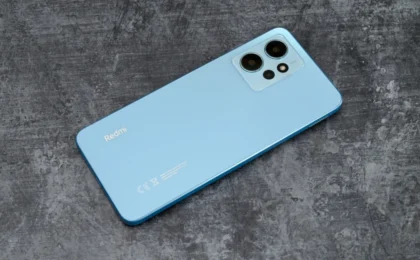
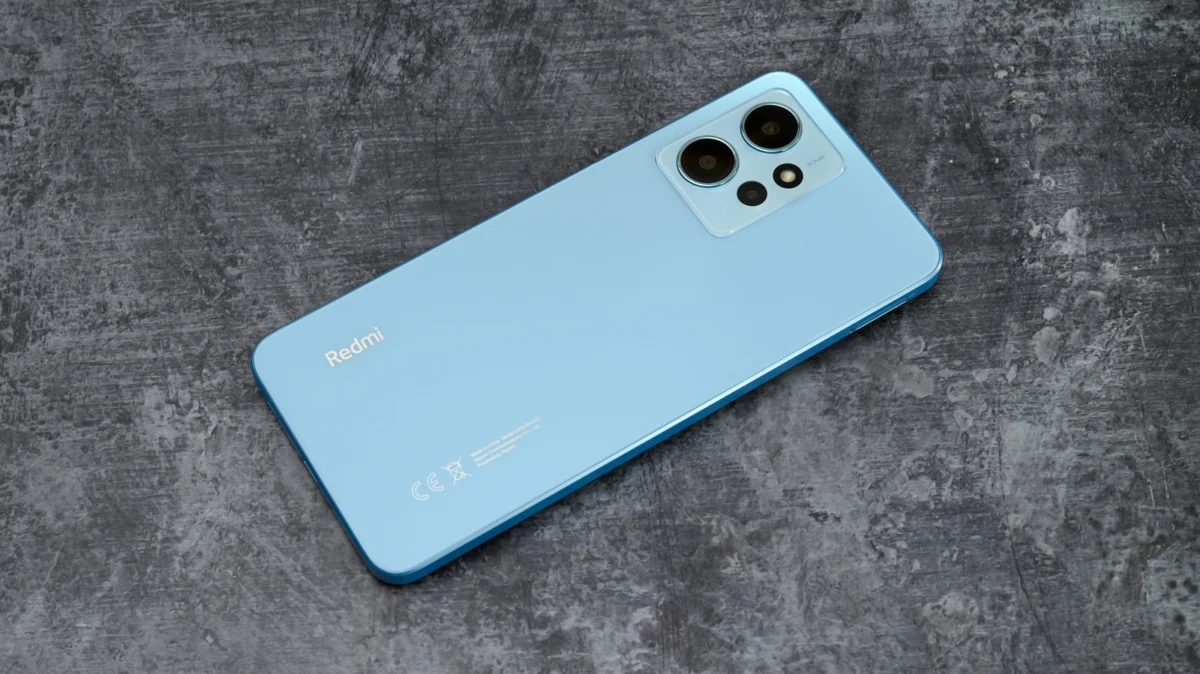
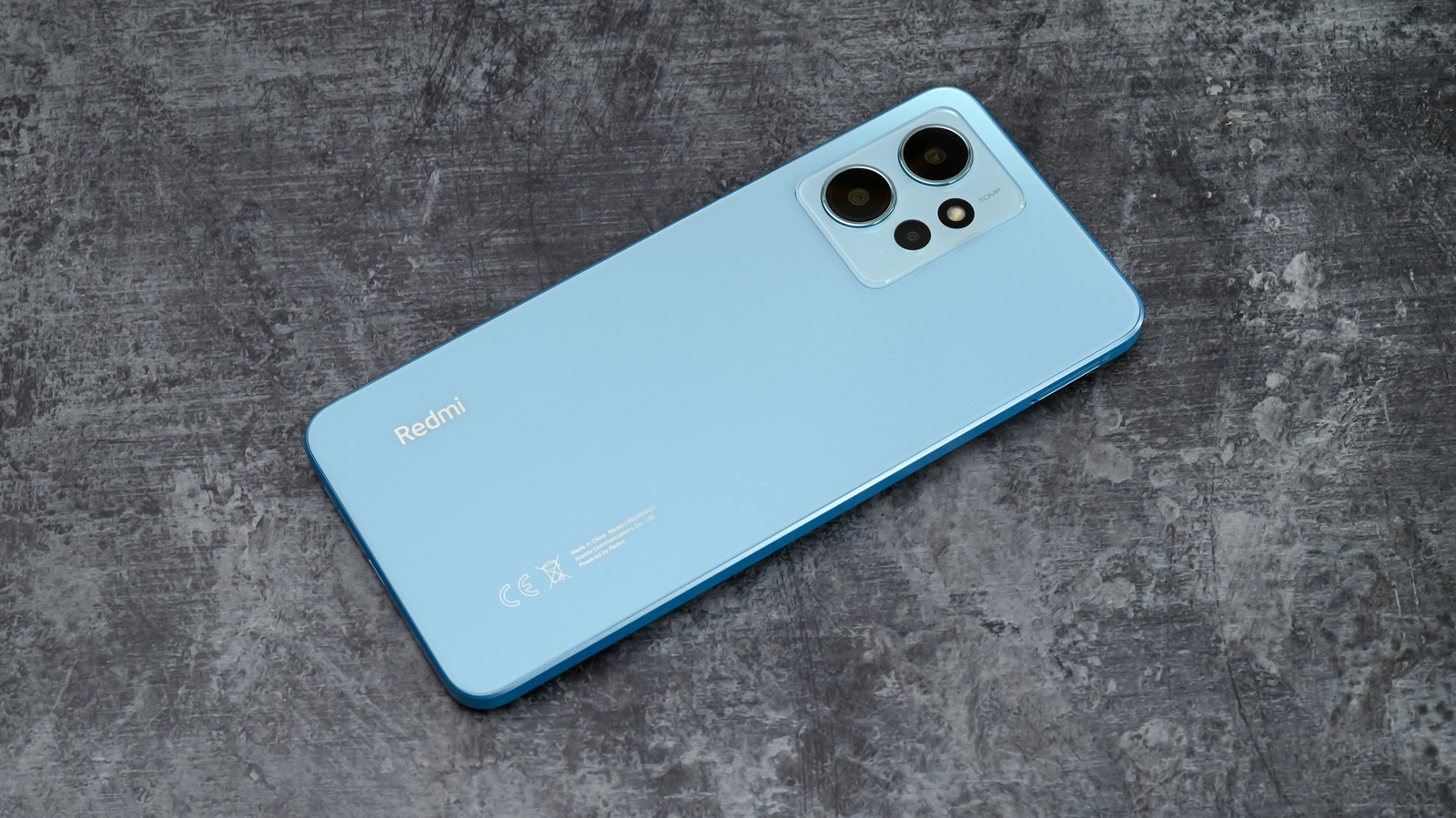
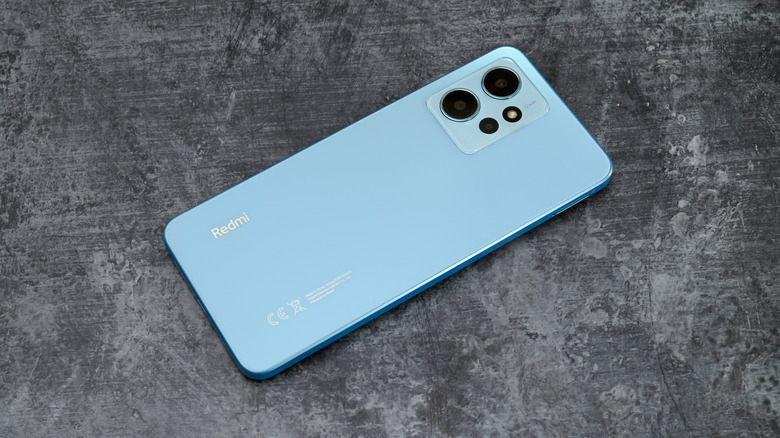
Devices like the Xiaomi 12 and 12 Pro, Redmi Note 12 5G, Redmi 12C, and the Poco F5/F5 Pro have already seen their support cycles terminated. The recent inclusion of the Xiaomi 12T and 12T Pro in the October EOS list means these devices will no longer receive OS updates, security patches, or feature enhancements.
The concern extends to mid-range and budget models as well. Firmware trackers at Ximitime have noted a lack of HyperOS 4 test builds for several devices, including the Redmi Note 13 Pro 4G, Redmi Note 14S, and the Poco X6 5G. While Xiaomi has not officially confirmed that these models are excluded, their absence from testing cycles suggests a potential limitation to the older HyperOS 3 environment.
Industry Comparison and Software Promises
Xiaomi’s approach to software longevity has long been a point of debate among tech enthusiasts. While the Xiaomi 15 series has made strides, promising four major OS updates and six years of security patches, this remains below the industry gold standard. Samsung and Google, the current leaders in mobile longevity, now offer seven years of software support for their flagship devices.
This discrepancy places Xiaomi in a difficult position. As the cost of premium smartphones rises, consumers increasingly expect devices that remain functional and secure for longer periods. When a device like the Xiaomi 13—a flagship released in early 2023—finds itself in its final year of support, it creates a "forced upgrade" cycle that can alienate brand-loyal customers.
Implications for the User
For the average consumer, the implications of these developments are twofold:
- Security Risks: Once a device reaches its end-of-support date, it no longer receives security patches. This leaves the device vulnerable to newly discovered exploits, making it a liability for users who store sensitive financial or personal data on their phones.
- Feature Stagnation: Users on older hardware will miss out on the performance optimizations and AI capabilities of HyperOS 4. While the phone will continue to function, the "smart" features that define the modern mobile experience will gradually degrade as apps are updated for newer APIs that the legacy hardware may not support.
Official Stance and Future Outlook
Xiaomi has remained relatively quiet regarding the specifics of its exclusion criteria. The company’s focus appears to be on optimizing the user experience for the "new generation" of hardware. By limiting the most resource-intensive features of HyperOS 4 to devices with specific high-end chipsets, Xiaomi is clearly prioritizing performance stability over backward compatibility.
However, the lack of transparency regarding the global rollout and the vague status of mid-range devices suggest that the company’s internal roadmap is subject to change. For users worried about their device’s status, the standard recommendation remains: check the official Xiaomi Security Center website regularly.
As the industry moves toward longer support cycles, Xiaomi faces a pivotal choice: continue with its tiered, shorter-lifecycle approach, or pivot toward the seven-year support model established by its primary competitors. Until then, the HyperOS 4 update serves as a reminder that in the fast-paced world of mobile technology, even flagship-level hardware has a strictly defined expiration date.
Quick Reference: Understanding Your Support Status
- Check the Security Center: Xiaomi provides an official list of devices that have reached the end of their support window.
- Understand the "Major OS" vs. "Security Patch" Distinction: Some devices may continue to receive security patches after they have ceased receiving major Android or HyperOS feature updates.
- Beware of "Abandonware": If your model is no longer receiving security updates, it is highly recommended to exercise caution when using it for sensitive tasks like mobile banking or storing sensitive personal data.