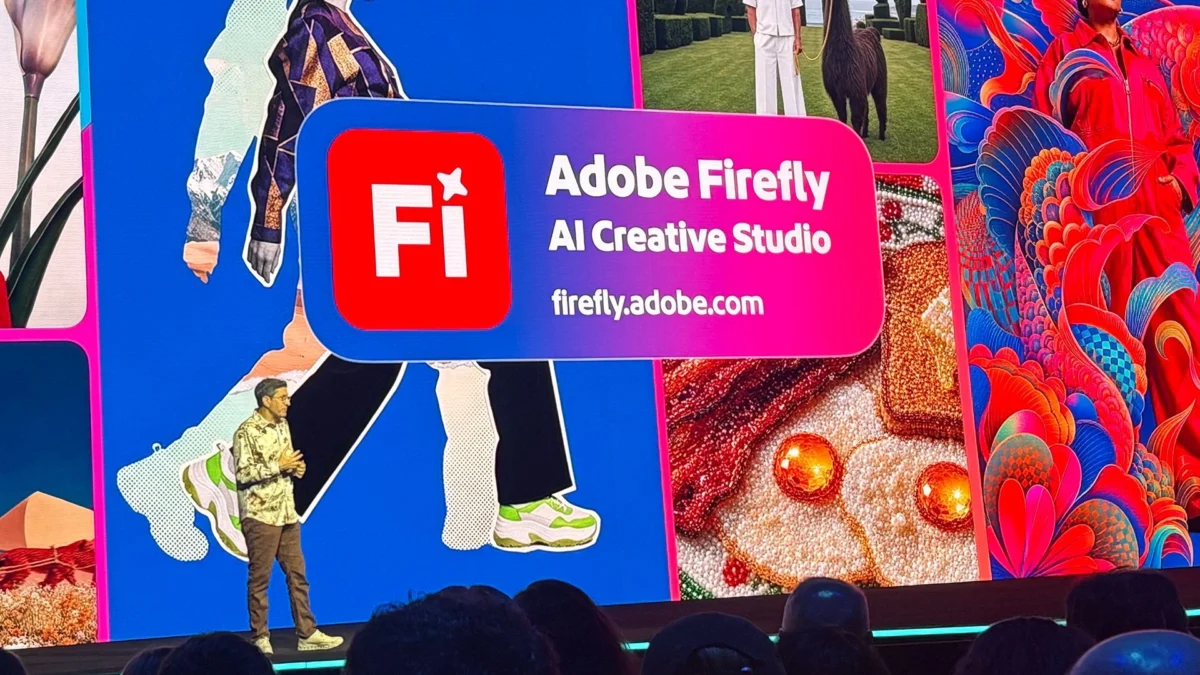
Adobe MAX 2026 has descended upon the creative community, serving as both a massive showcase of technological prowess and a philosophical touchstone for the industry. As the dust settles on the opening keynote, the consensus among attendees is one of complex, nuanced reflection. For a generation of designers, illustrators, and editors raised on the precision of the Adobe Creative Cloud, the aggressive pivot toward generative AI has been a source of profound existential anxiety. Yet, as Adobe leadership took to the stage, a different narrative began to emerge: one of partnership, safety, and a dedicated attempt to reconcile the machine with the artisan.
The State of Play: Adobe’s AI Evolution
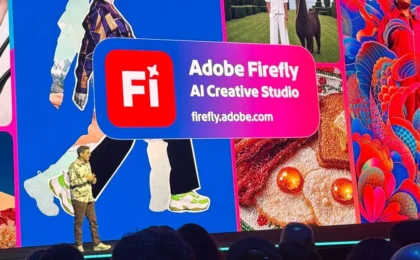
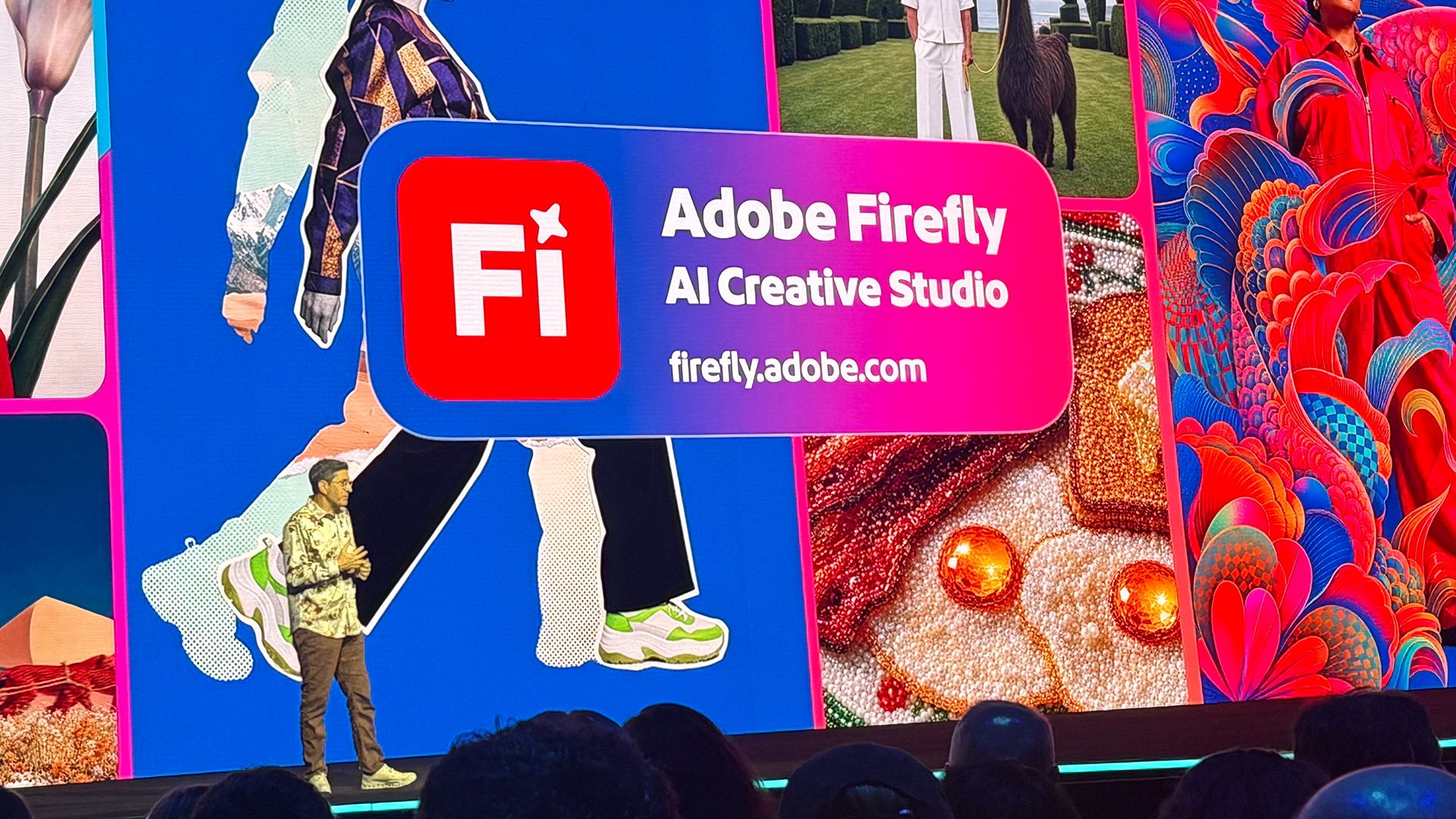
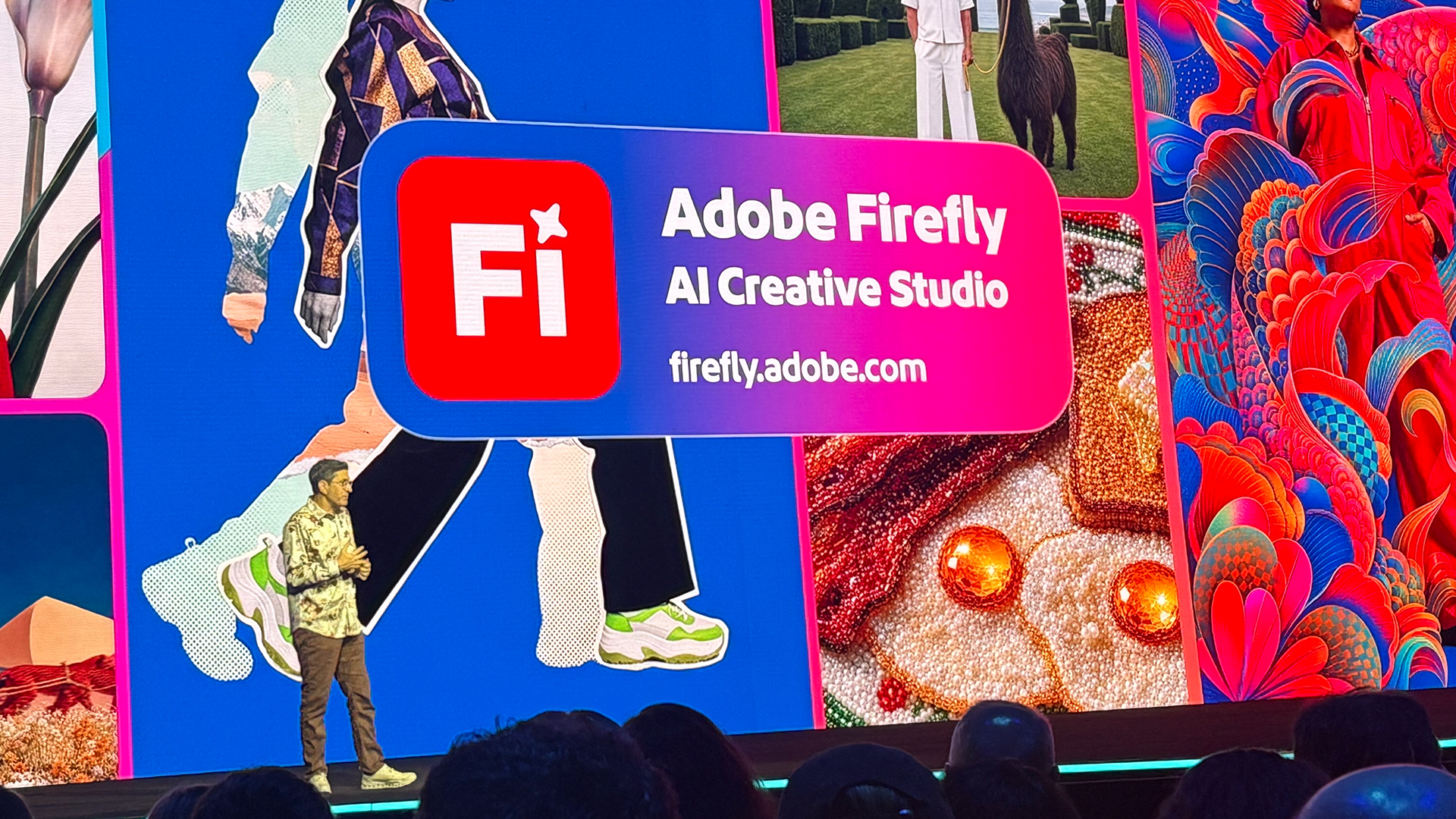
The transformation of Adobe from a suite of professional tools into a comprehensive, AI-driven creative ecosystem is no longer a forecast—it is a reality. The Firefly model, which began as an experimental generative feature, has effectively matured into a "full-fledged creative studio." This transition signals a paradigm shift in how digital content is conceived, rendered, and finalized.
For many professionals, this evolution feels rapid, perhaps even intrusive. The industry has watched as Adobe moved from simple content-aware fills to complex, text-to-image synthesis. At this year’s MAX, the focus shifted from "what the AI can do" to "how it integrates into the professional workflow." Adobe’s strategy is clear: they are attempting to lower the barrier to entry for complex tasks while simultaneously providing power users with shortcuts to bypass repetitive, non-creative labor.
Chronology of the Keynote: A Shift in Tone
The morning began with a palpable sense of apprehension in the room. The relationship between Adobe and its user base has been strained by concerns over data training, intellectual property, and the potential displacement of human labor.
The Opening Address
Future Adobe CEO Anil Chakravarthy opened the session with a mantra that felt specifically curated for the skeptical audience: "Adobe will meet you where you are." It was a deliberate attempt to pivot away from the "AI-replaces-all" narrative that has dominated tech discourse. The goal, according to leadership, is not to automate the human out of the loop, but to provide a digital canvas that reacts to the creator’s intent in real-time.
Addressing the Elephant in the Room
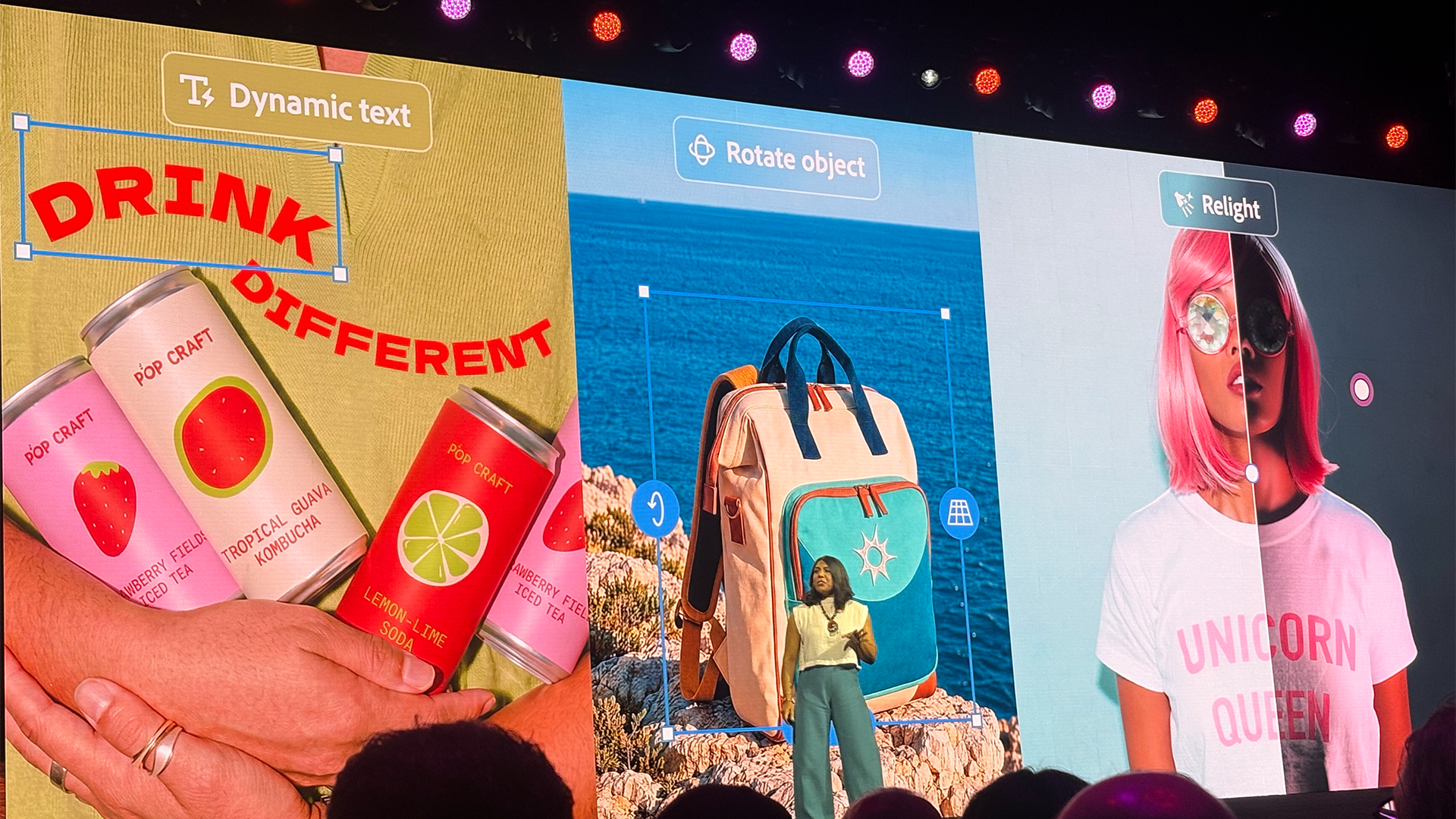
Following the initial high-level vision, Vice President Deepa Subramaniam delivered what many attendees felt was the most important segment of the day. She acknowledged that, in the wake of rapid AI development, "things feel uncertain." By explicitly validating the fears of the creative community—fears regarding job security, the value of craft, and the ethical implications of AI training sets—Adobe attempted to build a bridge of empathy. She emphasized that Adobe is still, at its heart, a company "built by creatives that care about the craft."
Supporting Data: The Modern Creative’s Burden
The impetus for this technological pivot, according to Adobe’s own research, is the "content crisis." We live in an era where the demand for high-quality assets is outpacing the human capacity to produce them.
The average creative professional is no longer a specialist. The modern graphic designer is frequently tasked with being a motion designer, a web developer, a social media strategist, and a copy editor simultaneously. This fragmentation of labor leads to burnout and a dilution of artistic focus. Adobe’s data suggests that:
- Time Constraints: 70% of creative professionals report that they are expected to produce more content than they were five years ago, often with the same or fewer resources.
- The "Context-Switching" Tax: The constant shift between disparate applications like Photoshop, Premiere Pro, and After Effects creates a cognitive load that stifles creative flow.
- The Skill Gap: There is an increasing demand for "multidisciplinary versatility," which places immense pressure on artists to master software ecosystems that are becoming exponentially more complex.
Adobe proposes that its "rich learning ecosystem" and integrated AI tools serve as the solution. By automating the "grunt work"—such as rotoscoping, color matching, and object removal—the company claims to be buying back time for the creative to focus on the high-level conceptual work that machines cannot replicate.
Official Responses and Ethical Frameworks
The recurring themes throughout the presentations were "reliability" and "safety." Adobe is acutely aware that its professional user base cannot afford to rely on tools that hallucinate, breach copyright, or provide inconsistent results.
The Ethics of AI
Adobe’s defense of its AI practices hinges on its curated training data. Unlike some competitors, Adobe has heavily emphasized that Firefly is trained on assets within their stock library and content that is out of copyright, or where they have explicit permission. This "safety-first" approach is their primary differentiator in a market saturated with AI tools of questionable provenance.
Leadership Perspective
When asked about the existential risk to the creative industry, leadership remained steadfast: "Creativity isn’t a side project; it’s a way of life." The implication is that Adobe views itself as a custodian of that way of life. By building guardrails into their AI, they hope to preserve the integrity of the creative process while acknowledging that the landscape of production has fundamentally changed.
Implications for the Future of Design
As the conference continues, the implications of these announcements are beginning to ripple through the industry. We are witnessing the birth of a hybrid workflow where the "human-in-the-loop" model becomes the standard.
1. The Role of the "Creative Director"
As AI takes on more of the execution, the role of the designer may evolve into that of a Creative Director—someone who directs the output of AI agents rather than manually constructing every pixel. This requires a new set of skills: prompt engineering, art direction, and sophisticated curation.
2. Radical Changes in Tooling
The partnership between Adobe and companies like Google signals that the software is becoming more interoperable. Photoshop is no longer a standalone silo; it is becoming a node in a larger, cloud-connected creative network. This will likely lead to faster iteration cycles and the potential for real-time collaboration that was previously impossible.
3. The Moral Dilemma
Despite the reassurances, the fundamental moral dilemma remains: where does the line get drawn? If an AI can generate a professional-grade illustration in seconds, what happens to the junior-level roles that historically served as the training ground for future masters? Adobe has yet to provide a complete answer to this, focusing instead on the potential for AI to act as a "creative partner" rather than a replacement.
Conclusion: A Cautious Path Forward
Leaving the keynote, the sentiment remains complex. Adobe has succeeded in acknowledging the tension that exists in the creative industry. They have moved past the "AI hype" phase and into a phase of integration.
The promise of "meeting you where you are" is a powerful one, but it comes with a caveat: the creative community must remain vigilant. While the tools for efficiency are welcome, they must not come at the expense of the human spirit that defines the work. Adobe has built a foundation for a new era of creativity, but it is up to the designers, photographers, and editors themselves to decide how these tools will be used.
As we look toward the future, one thing is certain: the conversation at Adobe MAX 2026 is not just about software. It is about the definition of creativity in the 21st century and who, exactly, gets to hold the pen. The company has extended an olive branch, but the creative industry will be watching closely to see if that branch is held by a human hand, or an algorithm.