

In the rapidly shifting landscape of modern hardware, few products arrive with as much narrative baggage as the Sony 27-inch Gaming Monitor with DualSense Charging Hook. Released in a market saturated with high-refresh-rate displays, this $349 monitor serves as a functional piece of kit, but its existence tells a far more poignant story. It stands as a physical artifact of a corporate pivot—a lingering vestige of a time when Sony aimed to bridge the gap between the living room console experience and the high-octane world of PC gaming.
Main Facts: A Competent Display with a Unique Hook
At its core, the monitor is a 27-inch IPS display offering a QHD resolution (2,560 x 1,440 pixels). It features a robust 240Hz refresh rate and support for Variable Refresh Rate (VRR), making it a formidable contender for competitive PC gamers. The color reproduction is vibrant, though with a peak brightness of 350 nits and an absence of advanced local dimming, it functions more as an SDR powerhouse than a true HDR cinematic experience.
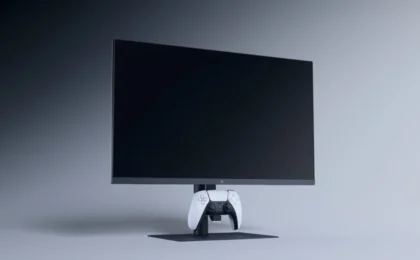
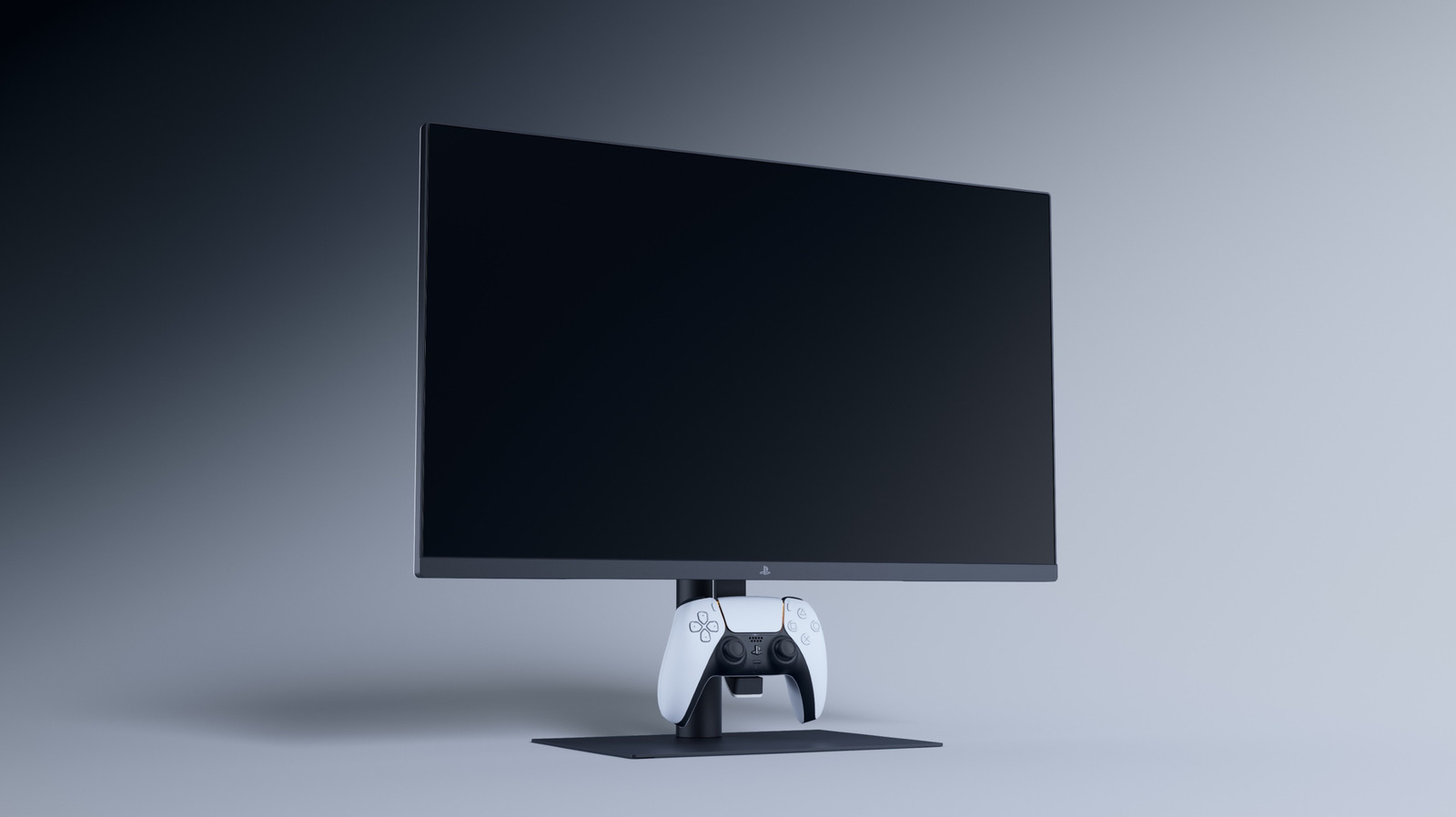
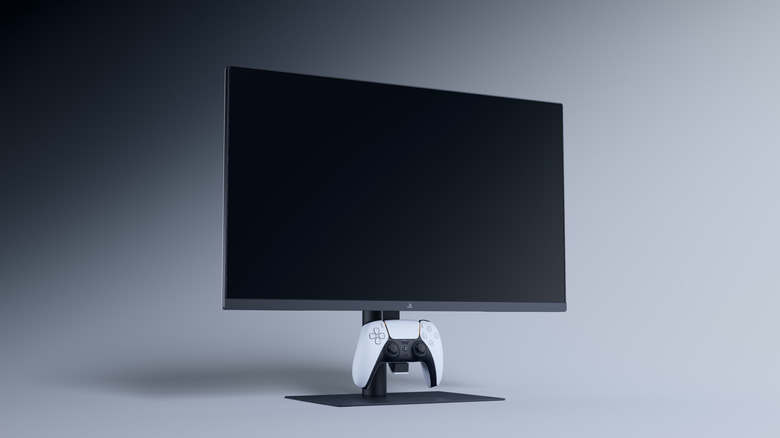
The defining feature, however, is the namesake "DualSense Charging Hook." This retractable, swing-down dock located behind the screen is more than a gimmick; it is an ergonomic triumph. For players who utilize a DualSense or DualSense Edge controller on their PC, it provides a dedicated, clutter-free home for their hardware. When paired with a sleek, minimalist industrial design and a sturdy metal stand that resists even the most persistent desk-shaking, the monitor makes a compelling argument for the $349 price point.
A Chronology of a Failed Strategy
To understand the monitor, one must understand the timing of its arrival. The release comes on the heels of a massive strategic reversal by Sony Interactive Entertainment.
- The PC Expansion (2018–2024): For six years, Sony pursued a strategy of bringing its most coveted first-party titles to the PC market. This era saw the successful ports of God of War, Horizon Zero Dawn, and Spider-Man, signaling a new commitment to the "desktop gamer."
- The Strategic Shift (March 2026): News broke in March that Sony would cease the release of its first-party games on PC. This abrupt pivot marked a return to a "console-first" philosophy, effectively slamming the door on the synergy Sony had spent half a decade building.
- The Product Launch (Present Day): The 27-inch DualSense Monitor was clearly designed during the "PC Expansion" phase. Its 240Hz refresh rate—far exceeding the 120Hz cap of the PS5 and PS5 Pro—betrays its original intent: to be the centerpiece of a Sony-branded PC gaming ecosystem.
Supporting Data: Technical Performance and Usability
The technical specifications of the display reveal a piece of hardware designed for enthusiasts who demand fluidity over resolution. While 4K has become the standard for many high-end displays, the 1440p resolution at 240Hz remains the "sweet spot" for competitive shooters like Overwatch or Valorant.
Connectivity and Ergonomics
Sony has equipped the display with a modern array of ports:
- Two HDMI 2.1 ports: Essential for current-gen console bandwidth.
- One DisplayPort 1.4: The gold standard for high-refresh PC connectivity.
- USB-C and USB-A slots: Facilitating peripheral management.
- 3.5mm Audio Output: A staple for those using dedicated wired headsets.
The cable management system is exceptionally well-thought-out. The ports are recessed into a rear divot, and a pop-out hook on the stand’s neck allows users to channel cables out of sight. During testing, the display’s eggshell-like coating proved highly effective at diffusing light from windows, maintaining image clarity in sun-drenched environments that would render other monitors unusable.
The "Pulse" Ecosystem
The monitor is intended to work in tandem with the broader PlayStation Link ecosystem, including the Pulse Elite wireless headsets and the delayed (and recently indefinitely sidelined) Pulse Elevate speakers. While the integration is seamless for those already invested in the PlayStation brand, the lack of support for non-Sony controllers highlights the "walled garden" approach that Sony has doubled down on since its exit from the PC software market.
Official Responses and Industry Context
Sony has remained relatively quiet regarding the "PC-legacy" aspect of the monitor’s design, positioning it instead as the "ultimate companion for the PS5 and PS5 Pro." However, industry analysts suggest that the monitor’s existence is a testament to the long lead times in hardware manufacturing.
"When you build a product, you are often committing to a vision three years in the past," says one industry observer. "This monitor is a ghost of a strategy that was abandoned in the boardroom, yet it remains a high-quality piece of hardware that consumers can enjoy today."
Sony’s representatives have emphasized the monitor’s versatility, noting its capability to handle everything from creative design work to high-frame-rate gaming. Yet, there is a palpable sense of irony in a product marketed for PC users by a company that has effectively retreated from the PC gaming platform.
Implications: The Ephemeral Nature of Gaming Hardware
The Sony 27-inch Gaming Monitor is more than just a piece of display technology; it is a cultural touchstone. It represents the "end of an era" for PC gamers who had hoped for a unified experience between PlayStation and their desktop rigs.
The "Last Echoes" of a Grand Scheme
The indefinite delay of the Pulse Elevate speakers further highlights the fragile nature of this ecosystem. As Sony consolidates its focus back onto the PlayStation 5, peripheral manufacturers and consumers alike are left to wonder what happens to the "PC-compatible" features of this hardware in the coming years.
Why It Still Matters
Despite the confusing corporate narrative, the monitor succeeds on its own merits. It is a robust, well-engineered display that manages glare exceptionally well and offers a level of build quality that often feels missing in the "gamer-centric" monitor market, which is frequently dominated by cheap plastics and RGB-heavy aesthetics.
For the consumer, the implications are twofold:
- Value: At $349, you are receiving a high-refresh, color-accurate monitor that holds its own against competitors from Alienware or Samsung.
- Longevity: You are buying into a system that may not receive future software support or complementary accessories.
Conclusion: A Worthwhile Purchase?
If you are a gamer who splits time between a PC and a console, the Sony 27-inch Gaming Monitor is, paradoxically, one of the best tools for the job. The DualSense hook is a genuinely useful innovation that solves the "where do I put my controller" problem with elegance and charm.
However, it is impossible to ignore the context. As we move further into a future where game preservation and platform accessibility are increasingly threatened, this monitor stands as a reminder of a time when the lines between console and PC were meant to blur. It is a piece of PC history—a high-performing, beautifully designed, and ultimately bittersweet reminder of what might have been. Whether or not that history matters to you, the display itself remains a stellar, if unintentional, monument to a dream that was cut short.