
For many, the transition into late October marks a shift in the cultural zeitgeist. While the traditional image of Halloween remains tethered to the suburban ritual of trick-or-treating—an activity historically centered on the youth—the holiday has undergone a profound metamorphosis. In 2024, Halloween has cemented itself as a premier stage for adult self-expression, professional-grade artistry, and viral digital performance.
Gone are the days when an adult’s participation in Halloween was limited to chaperoning duties or the occasional low-effort party ensemble. Today, the holiday serves as a high-stakes arena for creativity, fueled by social media platforms that turn individual costume choices into global spectacles. Whether through meticulous craftsmanship, nostalgic throwbacks, or meta-commentary on internet culture, Halloween has become a sophisticated barometer of the zeitgeist.
The Evolution of the Adult Halloween Experience
The demographic shift in Halloween participation is not merely anecdotal; it is a structural change in the holiday economy. According to data from the National Retail Federation (NRF), adult participation in Halloween activities has seen a steady uptick over the last decade. This evolution is driven by a desire for "participatory entertainment"—the idea that consumers are no longer satisfied with simply observing a holiday but want to curate their own immersive experiences.
This year, the trend towards high-concept costuming reached a fever pitch. Social media platforms, particularly X (formerly Twitter) and TikTok, have transformed from passive scrolling feeds into digital runways. For many, the planning phase for a Halloween costume now begins as early as August, echoing the professional preparation seen in the world of cosplay or high-fashion editorial.
A Chronology of Costume Trends: From Nostalgia to Meta-Commentary
The trajectory of this year’s most viral costumes followed a distinct pattern of cultural retrieval and digital irony.
The Nostalgia Wave (Early October)
As October dawned, social media feeds were flooded with "throwback" costumes. These were not generic superheroes or ghosts, but highly specific, niche references to children’s programming from the late 90s and early 2000s. The psychological driver here is clear: Millennials and older Gen Z cohorts are using the holiday to anchor themselves in the comfort of their formative years. By recreating the aesthetics of cult-classic animated series, users engaged in a form of "cultural curation" that rewards those who recognize the obscurity of the reference.
The Rise of the "Streamer Aesthetic" (Mid-October)
Mid-month saw a shift toward the "Streamer Era." Digital creators, who have become the new celebrities for a vast segment of the population, leveraged their platforms to debut costumes that were as much about branding as they were about the holiday. These costumes often featured high production values, utilizing professional lighting and stage-craft usually reserved for professional photoshoots. This signaled a blurring of lines between "real life" events and digital content creation.
The Meta-Modernist Homage (Halloween Weekend)
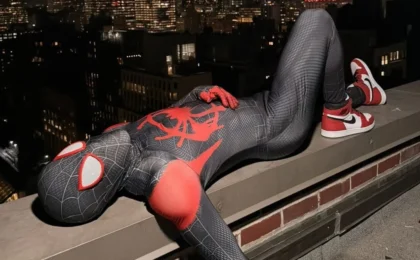
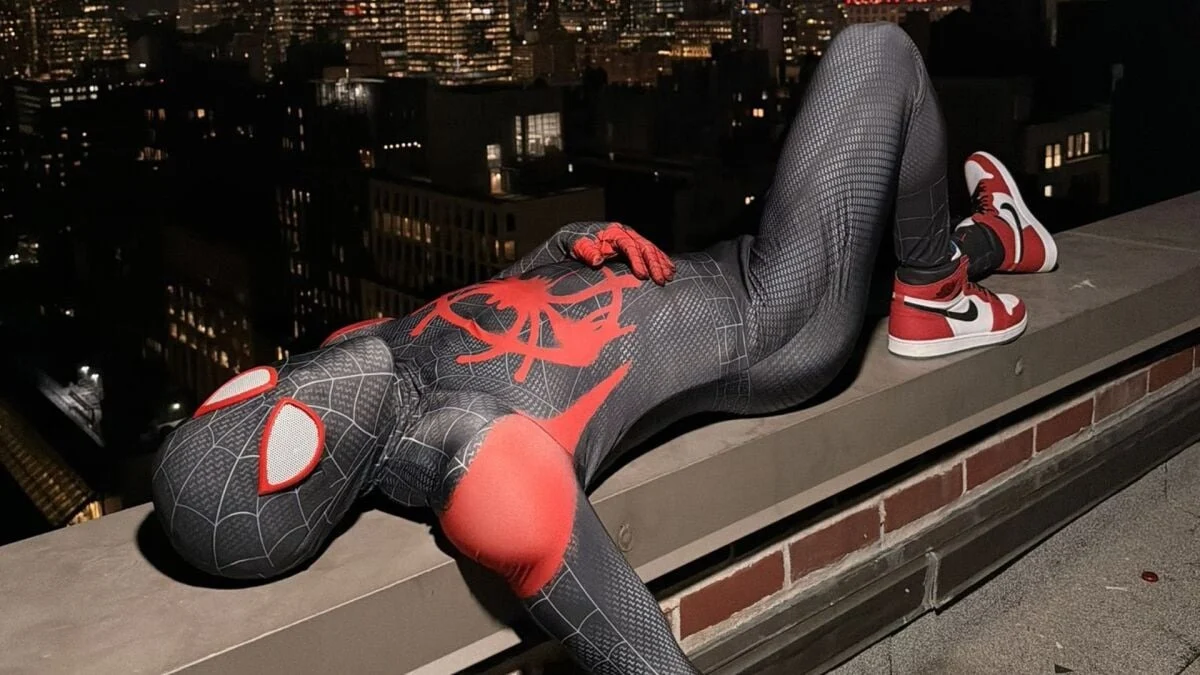
As the holiday approached, the trend moved toward the surreal. Homages to iconic actors—such as Willem Dafoe—and classic comic book characters, like the Silver Surfer, dominated the digital discourse. These were not merely "dressed up" individuals; they were performance artists utilizing prosthetic makeup, body paint, and intricate props to achieve a level of realism that approached the uncanny.
Supporting Data: The Economics of the Costume
The explosion of high-effort costuming is supported by an increasingly robust "Halloween Economy." Market research indicates that spending on costumes alone has reached historic highs in 2024.
- The Prosumer Shift: A significant portion of the Halloween budget is now directed toward "prosumer" materials—professional-grade theatrical makeup, 3D-printed armor, and high-end textiles.
- Social Media Impact: Analysis of engagement metrics suggests that users who post high-quality, "viral-ready" content during Halloween see a 40% increase in social media interaction compared to their annual average.
- The "Deal" Factor: Despite the luxury nature of some costumes, consumers remain highly price-sensitive. Data from retail analysts shows that "Halloween deals" and promotional discounts on food and apparel are essential in driving the volume of consumer participation, proving that even those spending hundreds on a costume still seek the "treat" of a bargain.
Official Perspectives: The Psychology of the Mask
Psychologists and cultural historians suggest that the rise of high-effort Halloween costuming is a response to the hyper-connected, yet increasingly isolating, nature of modern digital life.
Dr. Elena Vance, a sociologist specializing in modern ritual, notes: "The act of donning a mask—or a highly intricate costume—serves as a form of liberation. In a world where our digital identities are constantly monitored and curated, Halloween offers a ‘liminal space.’ For one night, the individual can transcend their daily professional or personal identity to become something else entirely. It is a necessary psychological release valve."
Furthermore, costume designers and influencers emphasize that the "hard work" behind these outfits is a form of creative expression that often goes unrecognized in the standard work-week. "It’s about showing what you can do when you have the tools," says one prominent costume creator who requested anonymity. "We aren’t just buying a bag at a party store anymore. We are building worlds."
Implications: The Future of the Holiday
The transformation of Halloween into a sophisticated, digital-first event has significant implications for both retail and social interaction.
The Retail Landscape
Retailers are being forced to adapt. Traditional costume retailers, which once relied on bulk sales of mass-produced, polyester-heavy outfits, are seeing a decline in favor of independent artisans and niche hobby shops. The "DIY" spirit has been commodified, with platforms like Etsy and niche makeup brands becoming the primary beneficiaries of the Halloween boom.
The Digital Divide
As the standard for costumes continues to rise, there is a growing divide between the "casual" participant and the "digital performer." This creates a new social hierarchy within the holiday, where clout and engagement numbers are as important as the quality of the costume itself. This shift risks alienating those who simply want to enjoy the holiday without the pressure of "content creation," though it simultaneously creates a vibrant community of makers and artists.
The Legacy of the "Viral" Costume
Ultimately, the most lasting implication of the 2024 Halloween season is the institutionalization of the "viral moment." When a costume is executed with enough creativity or humor, it ceases to be a personal choice and becomes a piece of public property—shared, discussed, and analyzed by thousands. The "Godfather of Soul" tributes or the "Total Drama Island" fits that dominated this year’s cycle were not just clothing choices; they were communal touchstones that allowed a fragmented digital population to share in a singular, joyful experience.
Conclusion
Halloween in 2024 has proven that the holiday is far from dead; it has simply evolved. It has migrated from the front porch to the digital feed, and from the plastic mask to the professional-grade prosthetic. While the candy may remain a staple of the evening, the true substance of the holiday now lies in the collective effort to dream, to create, and to share a version of ourselves that is, if only for a few hours, entirely magical.
As the sun sets on October 31st and the costumes are packed away, the lasting takeaway remains: whether you are a streamer, a student, or a professional, the hunger for shared, creative joy is a universal human need. Halloween provides the perfect mask for that need to be met, ensuring that no matter how much the world changes, we will always find a reason to play dress-up.