


In the landscape of modern independent cinema, few films manage to balance the heavy, visceral reality of post-traumatic stress disorder (PTSD) with the absurd, colorful escapism of niche subcultures. The Pirate King, the directorial debut of Josh Plasse, achieves this delicate equilibrium by anchoring its narrative in a deeply personal history. The film, which made its debut at the 2026 SXSW Film & TV Festival, follows the journey of Todd Gillis—a Marine veteran portrayed by Rob Riggle—as he navigates the wreckage of his life after serving in Afghanistan.
What begins as a story of descent into addiction and isolation shifts into a poignant exploration of healing when Gillis stumbles upon a community of pirate reenactors. By juxtaposing the harsh, grounded truth of military service with the whimsical levity of historical performance, the film serves as both a cinematic achievement and a cultural commentary on the importance of human connection.
The Genesis of a Personal Mission
The roots of The Pirate King lie in the life of Captain Todd Willis, the real-life uncle of director Josh Plasse. For Plasse, the project was never just a professional ambition; it was an obligation to the truth.
"I knew I couldn’t let this story down," Plasse told Den of Geek at SXSW. "It was so true to my uncle, true to myself, and true to my hometown that I would have been embarrassed if I hadn’t pushed myself to the absolute limit. It made me work harder."
Plasse faced the immense challenge of maintaining a tonal bridge between the dark, often unspoken struggles of veterans and the bright, theatrical costumes of the pirate community. He admits that the "difficult tone to capture" required significant preparation to ensure that the levity of the reenactment scenes did not undermine the gravity of Gillis’s psychological battle.
A Chronology of Advocacy and Research
The development of The Pirate King was not merely an act of creative imagination; it was a process of rigorous research and community immersion. Plasse’s path toward the film involved a profound commitment to veteran advocacy.
The Ruck Run and the "22" Statistic
Before a single frame was shot, Plasse aligned himself with Mission 22, an organization dedicated to preventing veteran suicide. To understand the physical and mental toll of the issues he was depicting, Plasse completed a "ruck run"—a 22-mile trek while wearing a 22-pound rucksack.
The number is symbolic and harrowing: at the time of the film’s development, it was widely cited that 22 veterans died by suicide every single day in the United States. "It’s a staggering statistic," Plasse reflects. "When you consider that 121 people die by suicide every day in this country, the fact that nearly a sixth of them are veterans is an overwhelmingly unacceptable number."
The Listening Tour
Understanding that a film about veterans could easily veer into cliché or misrepresentation, Plasse conducted interviews with over 100 veterans. These conversations revealed a stark divide in how former service members approach their trauma.
Plasse discovered that many veterans felt a profound stigma surrounding mental health. Some believed that discussing the struggles of post-service life only "propagates" the issue, while others argued that vulnerability is the only path toward recovery. Navigating this divide became a central theme of the screenplay. Plasse sought to create a narrative that honored the silence of those who don’t want to talk, while simultaneously advocating for the "real conversations" that he believes are necessary to end the cycle of isolation.
Rob Riggle: Bringing Authenticity to the Screen
The casting of Rob Riggle as Todd Gillis is perhaps the most significant creative choice in the film. While audiences recognize Riggle primarily for his work in Modern Family and various comedic roles, his background as a former Marine—who rose to the rank of lieutenant colonel before retiring in 2013—provided the necessary gravity to carry the role.
For Riggle, the film was an opportunity to bridge his professional life as an entertainer with his personal identity as a veteran. "I wanted to do the material justice, and also my fellow veterans," Riggle said. "Everybody brought such unique, specific storytelling to it that it made every day an awesome experience to watch, learn, and grow. The veteran part of it is very personal."
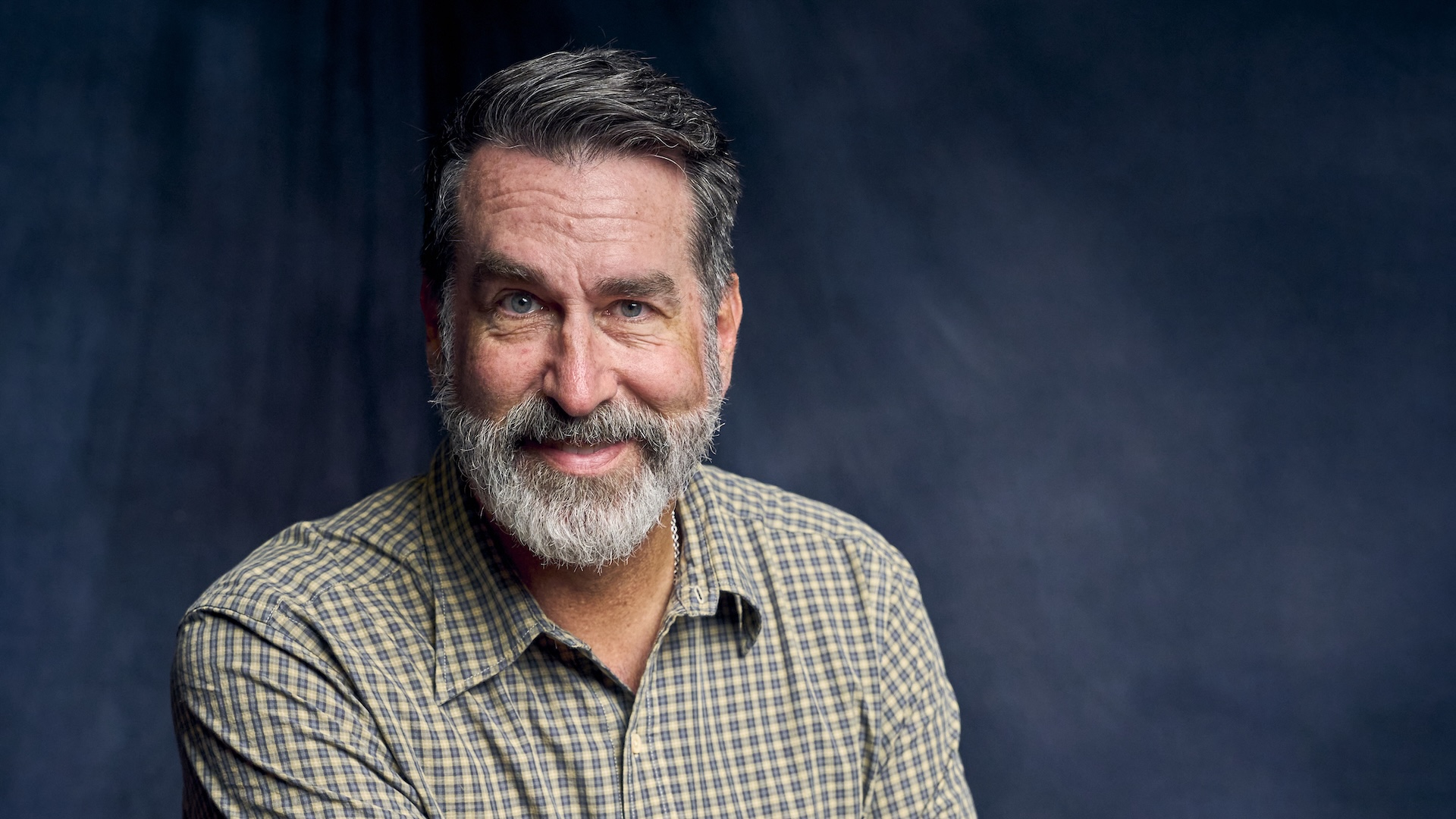
Riggle’s performance acts as the anchor for the film. By utilizing his own history of service, he provides a layer of subtext that elevates the script, turning Gillis from a mere character into a mirror for the collective experience of thousands of men and women returning to civilian life.
The Implications of Isolation
At its core, The Pirate King is a meditation on the dangers of isolation. The film’s narrative arc suggests that for many veterans, the transition to civilian life is not defined by a singular traumatic event, but by the slow, quiet erosion of community.
The Antidote to Solitude
Riggle emphasizes that the "pirate" aspect of the film is secondary to the universal need for belonging. "When people are hurting, they tend to isolate," he explains. "They don’t want to share that hurt. They don’t want to be vulnerable. And as they isolate, it gets worse and worse. That’s where people run into trouble—whether it’s suicidal thoughts, drugs, or alcohol. It’s not good to isolate."
The pirate reenactment community, with its shared rituals and collective identity, provides Gillis with a "third space." It is a place where he can temporarily step out of his own head, engage with others, and find a sense of purpose that does not revolve around his military past. The film argues that for the individual struggling with mental health, the cure is rarely found in total solitude; rather, it is found in the unlikely, messy, and often humorous company of others.
The Broader Impact: Why This Story Matters Now
The significance of The Pirate King extends beyond the boundaries of the screen. In an era where the conversation around mental health is becoming more open, yet remains fraught with systemic barriers, the film provides a necessary perspective.
Bridging the Cultural Divide
By using a subculture as idiosyncratic as pirate reenactment, the film avoids the "preachy" tone that often plagues issue-driven cinema. It suggests that community can be found in the most unexpected places. For the veteran community, the film serves as a validation of their struggles while offering a hopeful roadmap for reintegration.
For the civilian audience, it provides a window into the reality of the veteran experience that is stripped of the typical "heroic" or "tragic" tropes. Instead, it presents a human being in the process of rebuilding.
A Call to Action
Ultimately, the film acts as a call to action. By highlighting the work of organizations like Mission 22 and Stop Soldier Suicide, Plasse and Riggle hope to spark a national dialogue that extends well beyond the film’s credits. The film’s message is simple but profound: whether you are a veteran or a civilian, if you are hurting, do not suffer in silence.
"There’s always somebody you can reach out to," Riggle says. "Always."
Conclusion
The Pirate King stands as a testament to the power of film to facilitate healing. By combining the personal, the historical, and the theatrical, Josh Plasse has crafted a story that is as much about the endurance of the human spirit as it is about the specific challenges of the military veteran. As it moves from the festival circuit to broader audiences, the film serves as a reminder that even in the most turbulent seas, a community—no matter how unconventional—can provide the anchor necessary to stay afloat.
Through the story of Todd Gillis, we are reminded that recovery is not a solo endeavor; it is a shared journey, one that requires us to put down our defenses, embrace our vulnerabilities, and occasionally, pick up a costume and join the crew.











No comments yet. Be the first to join the conversation!