

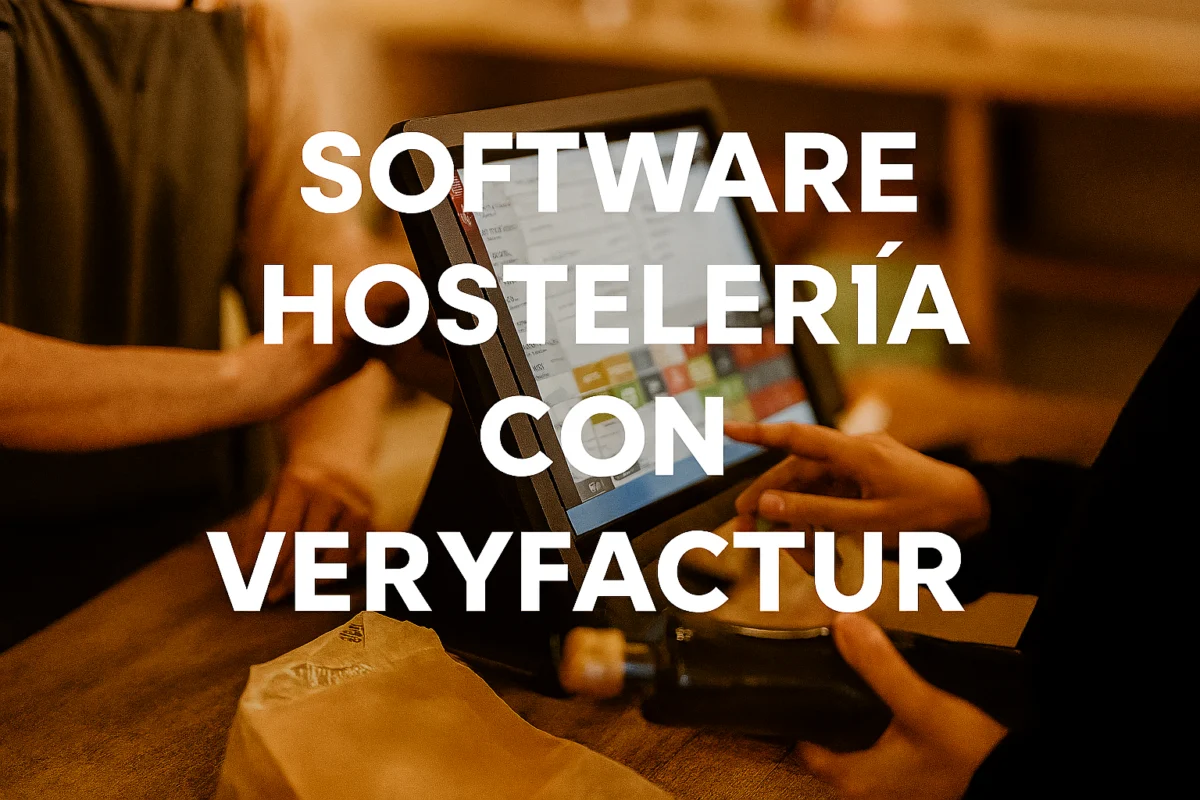
The landscape of the hospitality industry has undergone a seismic shift. Once characterized by paper tickets, manual ledger books, and the sheer memory of staff, the modern restaurant is rapidly evolving into a data-driven hub. Digitalization is no longer a luxury for high-end establishments; it has become a fundamental prerequisite for operational efficiency and competitive viability. As margins tighten and consumer expectations soar, the integration of advanced software—ranging from Point of Sale (POS) systems to automated billing solutions like Veryfactur—is defining the new standard for success.
A Paradigm Shift in Operational Strategy
The traditional restaurant model relied heavily on human intervention for every transactional step. This "manual" approach left little room for error correction and high potential for friction during peak service hours. Today, the industry is witnessing a paradigm shift where repetitive tasks are outsourced to intelligent software.
The primary advantage of this transition is the reduction of operational "noise." By centralizing data from sales, room orders, and inventory, businesses can achieve a state of flow that was previously impossible. Implementing a robust POS system is the cornerstone of this evolution. By digitizing the point of sale, managers can capture precise sales data, automate payment processing, and synchronize inventory levels in real time. This granular level of insight allows for informed decision-making regarding staffing levels and menu engineering, ensuring that resources are allocated where they generate the highest return on investment.
Chronology of the Digital Transformation
The adoption of technology in hospitality has not occurred overnight; it has followed a specific developmental trajectory:
- The Analog Era: Characterized by physical paper tickets (comandas) and manual cash registers. Communication gaps between the dining room and the kitchen were frequent, often leading to service delays and customer dissatisfaction.
- The First Wave of Digitalization: The introduction of electronic POS terminals that simplified calculations but remained siloed from back-office operations.
- The Integration Phase: The current stage, where cloud-based systems allow for seamless communication between the kitchen, the dining area, and the accounting department.
- The Future (Automation and AI): The ongoing integration of predictive analytics and automated fiscal compliance tools, such as Veryfactur, which remove the administrative burden from restaurant owners.
Supporting Data: The Cost of Inefficiency
Research consistently indicates that restaurants failing to embrace digital tools face a significant "inefficiency tax." Manual inventory management, for instance, typically results in a 3% to 5% variance in food costs due to waste, theft, or spoilage. By contrast, systems that track consumption against recipes in real time can slash these losses by up to 20% within the first six months of implementation.
Furthermore, labor costs represent the single largest expenditure for most hospitality businesses. Without automated scheduling and time-tracking tools, restaurants often suffer from "over-staffing" during slow periods and "under-staffing" during rushes. Data-backed scheduling tools allow managers to align workforce capacity with actual demand, optimizing payroll expenditure and improving employee morale by preventing burnout.
Enhancing Communication and Reducing Human Error
Perhaps the most visible benefit of digitalization is the mitigation of communication errors between the front-of-house and the kitchen. The traditional "hand-written note" is a relic that invites mistakes—misinterpreted handwriting, forgotten allergen notifications, or lost orders.
By transitioning to a digital ordering flow, where orders move directly from a tablet or terminal to a Kitchen Display System (KDS), the margin for error is reduced to near zero. This ensures that:
- Special Requests are Never Missed: Dietary requirements are flagged automatically, improving safety.
- Service Pacing is Managed: Kitchen staff can see the "time-in-service" for every ticket, allowing them to adjust preparation speed to match the rhythm of the dining room.
- Order Accuracy: Digitization eliminates the "lost order" phenomenon, ensuring that every plate requested is accounted for in the final bill.
Veryfactur: The New Standard in Fiscal Compliance
One of the most complex aspects of restaurant management is the intersection of sales and tax compliance. Regulations are increasingly strict, and manual accounting is a frequent source of audit risk. Solutions like Veryfactur have emerged as essential partners in this domain.
By integrating commercial management with accounting and fiscal reporting, Veryfactur automates the "last mile" of the sales process. The implications are profound:
- Automated Reconciliation: Sales captured by the POS are automatically reconciled with tax requirements.
- Audit Readiness: Digital logs provide an immutable trail of all transactions, satisfying regulatory bodies and simplifying the work of external accountants.
- Administrative Relief: By eliminating manual data entry, managers save hours of administrative labor each week, allowing them to focus on service quality rather than paperwork.
Implications for the Modern Restaurateur
The shift toward a fully integrated "ecosystem" (TPV + Kitchen Displays + Automated Billing) has three major implications for business owners:
1. Data-Driven Menu Engineering
With an integrated system, owners can see exactly which dishes provide the highest contribution margin versus which ones are "draining" profit due to high ingredient costs. This allows for a dynamic menu that evolves based on profitability rather than just guesswork.
2. Enhanced Customer Experience
Technology facilitates a faster, more accurate, and more personalized service. When a server knows exactly what is in stock and can process a payment at the table, the customer experience becomes seamless. A satisfied customer is more likely to return and leave positive reviews, which is the lifeblood of modern restaurant reputation management.
3. Scalability
A restaurant relying on manual processes is difficult to scale. Once operations are digital and standardized, adding a second location or expanding service hours becomes a matter of replicating the existing digital infrastructure rather than reinventing the management workflow.
Addressing Barriers to Adoption
Despite the clear benefits, resistance to change remains the primary barrier. Many long-standing restaurateurs fear the learning curve or the initial cost of implementation. However, industry experts suggest a "staged implementation" strategy:
- Phase 1: Adopt a cloud-based POS to standardize sales and reporting.
- Phase 2: Integrate digital ordering/kitchen displays to improve service speed.
- Phase 3: Automate back-office tasks and fiscal reporting with tools like Veryfactur.
By breaking the transition into manageable steps, the staff is given time to adapt, and the business can start seeing ROI (Return on Investment) before moving to the next level of complexity.
Conclusion: Investing in the Future
The digitalization of the hospitality sector is not merely a trend; it is the fundamental infrastructure upon which the future of dining will be built. By transforming repetitive, error-prone tasks into automated, data-driven processes, restaurateurs can recapture the time and energy needed to focus on the heart of their business: the food and the customer experience.
The integration of advanced POS software, intelligent kitchen displays, and robust billing automation creates a "virtuous cycle" of efficiency. As we look toward an increasingly competitive future, those who view technology as an investment rather than an expense will be the ones defining the next generation of culinary success. The transition requires a commitment to learning and a strategic approach to implementation, but the rewards—lower costs, higher margins, and improved service quality—are well within reach for any operator ready to embrace the digital revolution.









No comments yet. Be the first to join the conversation!