Raul Delapena Setiawan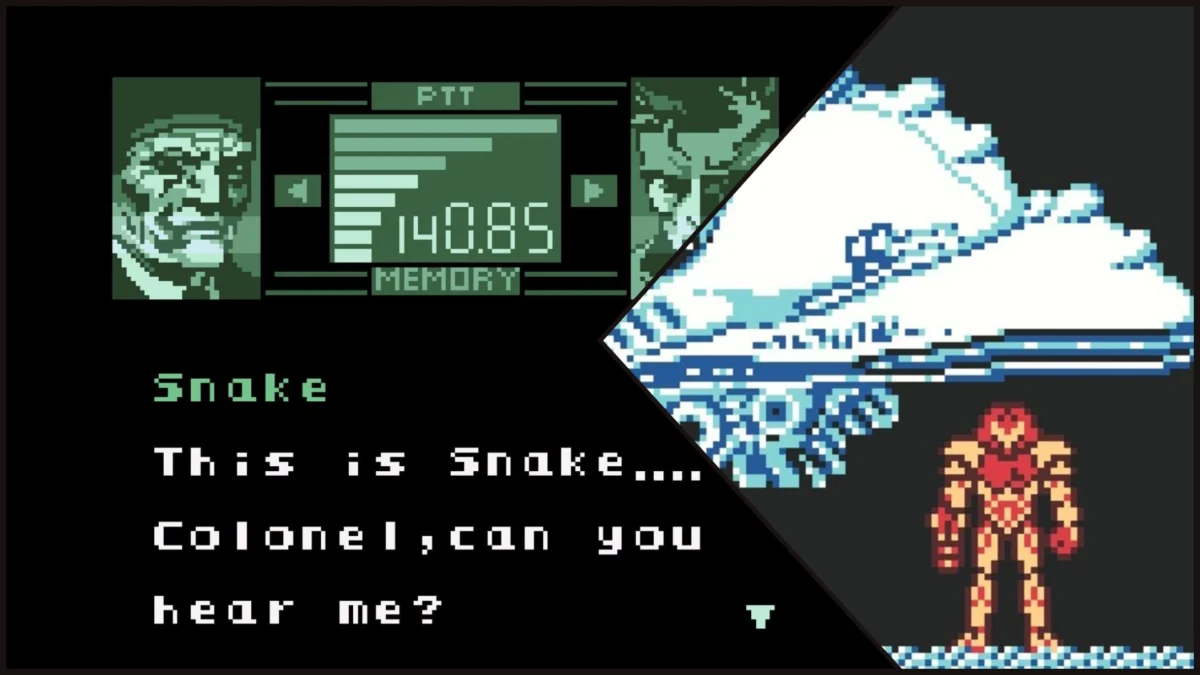
The original Nintendo Game Boy, a marvel of 1980s engineering, achieved staggering success despite its apparent limitations. Released in 1989, it boasted a monochrome screen that rendered visuals in shades of green, lacked the technological prowess of its competitors like the Sega Game Gear and Atari Lynx, and certainly wasn’t the first portable gaming device. Yet, it dominated the market. This triumph wasn’t solely due to its affordability and exceptional battery life, but critically, to the quality and innovation found within its game library, curated by Nintendo itself.
Beyond their status as beloved handheld experiences, many Game Boy titles transcended their platform, planting seeds of innovation that would blossom into the complex and diverse gaming landscape we know today. These games, often underestimated in their impact, introduced groundbreaking mechanics, popularized entire genres, and demonstrated the potential of portable gaming in ways that continue to resonate. This article delves into ten such Game Boy and Game Boy Color titles that, perhaps more than players realized at the time, fundamentally shaped the trajectory of modern video games.
The Enduring Legacy of Handheld Innovation
The Game Boy’s success story is a testament to Nintendo’s keen understanding of the market and its commitment to delivering compelling gameplay experiences. While more powerful hardware offered fleeting advantages, the Game Boy’s strength lay in its accessibility, durability, and, most importantly, its software. Nintendo didn’t just port existing console games; they crafted experiences specifically designed for the handheld format, pushing its boundaries and, in doing so, laying the groundwork for future innovations.
The following titles represent a curated selection of games that not only defined the Game Boy era but also left an indelible mark on the broader gaming industry. Their influence can be seen in the design philosophies of contemporary games, the mechanics players engage with daily, and the very genres that dominate our gaming landscape.
10 Game Boy Games That Shaped Modern Gaming More Than Players Realized
10. The Legend of Zelda: Link’s Awakening (1993)
The Paradigm Shift in Adventure Design
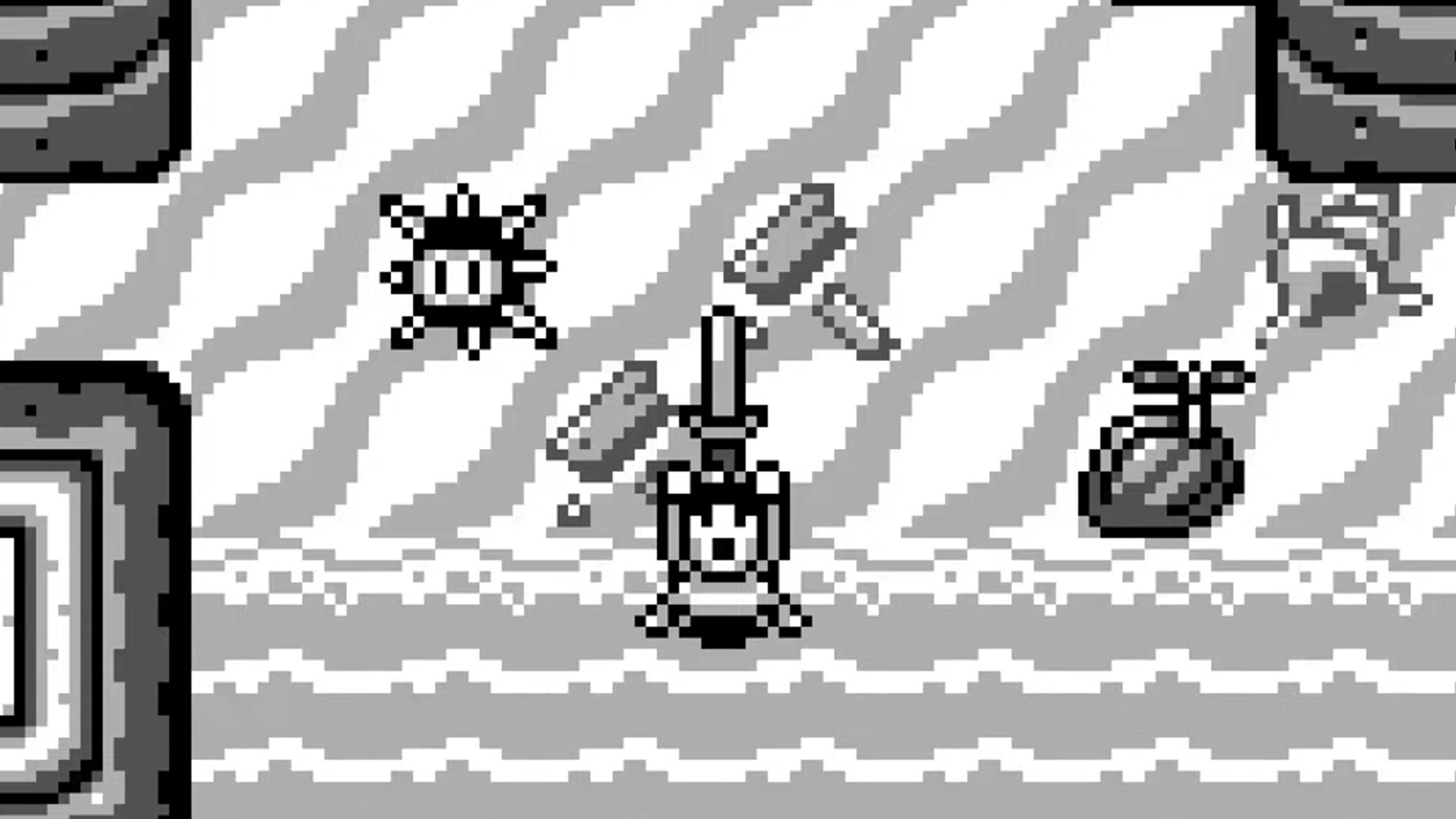
When The Legend of Zelda: Link’s Awakening arrived on the Game Boy in 1993, the series had already established its acclaimed formula on the NES and Super NES. Many might have expected a scaled-down, less ambitious iteration for the portable console. However, the absence of series creator Shigeru Miyamoto allowed director Takashi Tezuka to experiment, resulting in a title that subtly but significantly redefined the Zelda experience and, by extension, adventure game design.

Tezuka’s boldest move was deviating from the series’ established conventions. Link was no longer tethered to his sword as his primary offensive tool. Instead, players were encouraged to discover and utilize a diverse array of items, fostering a sense of emergent gameplay and creative problem-solving. This freedom to combine items in unexpected ways—using the hookshot to cross gaps, the bow for ranged attacks, or even the mysterious windfish’s egg for… well, you get the idea—introduced a layer of player agency rarely seen in action-adventure games of the era.
The game’s narrative, set on the surreal Koholint Island, was a departure from the traditional Hyrulean setting. It explored themes of dreams, memory, and the consequences of interfering with destiny. This narrative depth, coupled with the innovative item system, proved that handheld games could offer complex, engaging, and emotionally resonant experiences, akin to their console counterparts. Link’s Awakening demonstrated that innovation wasn’t confined to graphical fidelity but could be deeply embedded in gameplay mechanics and storytelling. Its influence can be seen in how modern adventure games encourage players to experiment with their toolkits and explore unconventional solutions to puzzles and combat encounters.
9. Pokémon Red / Pokémon Green (1996)
The RPG Revolution in the Palm of Your Hand

It’s impossible to overstate the cultural and commercial impact of Pokémon. What began as Pokémon Red and Pokémon Green (released as Red and Blue internationally) on the Game Boy was far more than just a successful game; it was a phenomenon that redefined the role-playing game (RPG) genre and introduced a new generation to its intricacies.
Nintendo had previously attempted to popularize RPGs in the West with titles like Final Fantasy and Dragon Quest on the NES, with limited success. The market for deep, narrative-driven RPGs was considered niche. Pokémon Red and Green shattered this perception. By combining accessible turn-based combat, a compelling collection mechanic, and a social element through link cable trading and battling, the game appealed to a massive audience, transcending age and demographic boundaries.
The success of Pokémon had a ripple effect across the industry. Developers began to see the immense potential of the RPG genre and started incorporating its elements into other game types. The idea of character progression, stat management, and strategic combat, once confined to dedicated RPGs, started appearing in action games, platformers, and even shooters. This hybridization of genres, largely fueled by Pokémon‘s overwhelming popularity, is a cornerstone of modern game design. The drive to collect, train, and battle, core to Pokémon‘s appeal, has inspired countless titles across various platforms, solidifying its place as a true titan of the gaming world.
8. Kirby’s Tilt ‘n’ Tumble (2000)
Pioneering Motion Controls on a Handheld
Long before the Nintendo Wii revolutionized home console gaming with its motion controls, Nintendo was quietly experimenting with the concept on its handheld systems. Kirby’s Tilt ‘n’ Tumble, released for the Game Boy Color, stands as a remarkable early example of this innovation, showcasing Nintendo’s forward-thinking approach to player interaction.
The game’s unique selling point was its cartridge, which contained a built-in accelerometer. Players controlled Kirby not by pressing buttons, but by physically tilting the Game Boy itself. This allowed Kirby to roll, tumble, and bounce through vibrant, puzzle-filled levels. The intuitive nature of the controls, coupled with Kirby’s signature ability-copying mechanics, made for a charming and engaging experience.
Kirby’s Tilt ‘n’ Tumble‘s success, selling over 1.2 million units worldwide, demonstrated a clear market appetite for motion-based gameplay. While not the sole catalyst, it undoubtedly contributed to Nintendo’s confidence in pursuing motion control as a central pillar of the Wii’s design. This early exploration on a portable device provided invaluable insights into how players would react to and engage with such intuitive control schemes, paving the way for a new era of interactive entertainment that emphasized physical engagement and player immersion.
7. Super Mario Land 2: 6 Golden Coins (1992)
Elevating Handheld Graphics and Introducing a Rival
Super Mario Land 2: 6 Golden Coins was a significant leap forward for the Super Mario Land series and demonstrated that the Game Boy was capable of delivering experiences rivaling those on home consoles, particularly in visual presentation. While its predecessor, Super Mario Land, was a charming game, its graphics were noticeably simpler than contemporary NES titles. Super Mario Land 2, however, pushed the Game Boy’s hardware to its absolute limits.

The game featured incredibly detailed sprites and environments, showcasing a level of graphical polish that was unprecedented for a Game Boy title. This visual fidelity wasn’t just for show; it contributed to a richer and more immersive gameplay experience. Nintendo R&D1, the development team, managed to squeeze an astonishing amount of detail and animation out of the Game Boy’s limited capabilities, proving that hardware limitations were not an insurmountable barrier to creating visually impressive games.
Beyond its graphical prowess, Super Mario Land 2 is notable for introducing Wario, Mario’s greedy, garlic-loving rival. Wario’s debut as the game’s antagonist laid the foundation for his future as a playable character and the star of his own successful franchise. This introduction of a prominent, distinct antagonist not only added depth to the Mario universe but also demonstrated the potential for spin-off titles and character-driven branding, a strategy Nintendo would continue to leverage with great success. The game’s success and its introduction of Wario highlighted the potential for character expansion and the creation of new, enduring gaming icons.
6. Wario Land: Super Mario Land 3 (1994)
The Trojan Horse of Character Branding

Following his memorable antagonist role in Super Mario Land 2, Wario was poised for stardom. Nintendo recognized the character’s potential and decided to grant him his own game. However, instead of launching a new IP outright, Nintendo employed a clever branding strategy that would become a hallmark of their approach to character-driven franchises.
Wario Land: Super Mario Land 3 was presented as the official sequel to Super Mario Land 2. This strategic decision allowed Wario’s debut title to leverage the established popularity and recognition of the Super Mario Land brand, ensuring a strong commercial reception. The game sold over 5 million units worldwide, a testament to the effectiveness of this "Trojan horse" method of introducing new characters and franchises.
This approach proved so successful that Nintendo replicated it with other beloved characters. Super Mario World‘s breakout star, Yoshi, received his own game, Super Mario World 2: Yoshi’s Island. In Japan, this title was even subtitled Super Mario Bros. 4, further emphasizing its connection to the core Mario lineage. This strategy not only ensured the immediate success of new ventures but also fostered a sense of continuity and familiarity for players, allowing them to embrace new characters and gameplay styles with a degree of confidence derived from their existing beloved franchises. Wario Land‘s success underscored Nintendo’s mastery of character development and strategic franchise expansion.

5. Donkey Kong (1994)
The Definitive Classic Remake
The original Donkey Kong arcade game, released in 1981, is a foundational title in video game history. It not only revitalized Nintendo’s arcade business but also introduced their most iconic character, Mario (then known as Jumpman). Given its monumental significance, the decision to bring Donkey Kong to the Game Boy in 1994 was met with anticipation. What players received was far more than a simple port; it was a masterclass in how to reimagine and modernize a classic.
While the initial stages of Donkey Kong (1994) faithfully recreated the arcade experience, the game quickly evolved. It introduced an astonishing 97 new levels, transforming the linear platformer into a sprawling adventure. Mario gained new abilities, including a double jump, the ability to carry items like his iconic hammer, and a more refined moveset that hinted at future platforming innovations. The inclusion of a world map further enhanced the sense of progression and exploration.

This 1994 iteration of Donkey Kong set a new standard for remakes. It demonstrated that a beloved classic could be expanded upon and modernized without sacrificing its original charm. The game’s thoughtful evolution of gameplay mechanics and its expansive level design influenced how developers approached updating older titles, proving that nostalgia could be powerfully combined with fresh gameplay. It provided a blueprint for how to honor the past while boldly stepping into the future of game design.
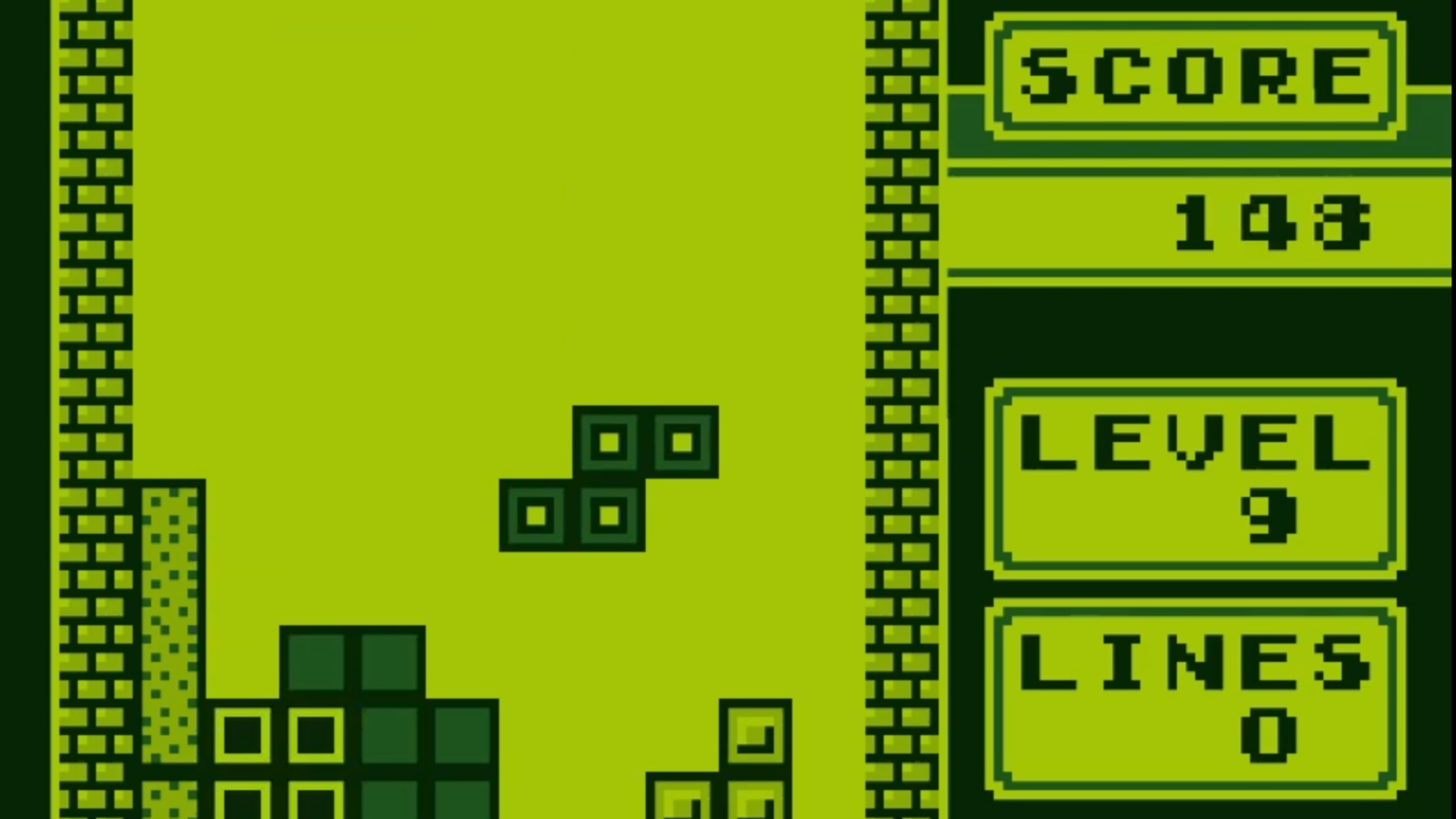
4. Tetris (1989)
The Killer App for a Generation
Tetris on the Game Boy was more than just a game; it was the system’s killer application, the primary reason many purchased the handheld console. Bundled with the Game Boy in North America and Europe, Tetris provided an instantly accessible and endlessly replayable experience that captivated players of all ages and backgrounds.

The game’s simple yet profound mechanics—fitting falling blocks together to clear lines—transcended language barriers and gaming demographics. It was played by business professionals on commutes, students during breaks, and families during gatherings. This widespread appeal demonstrated to Nintendo the vast potential of the handheld market and the importance of a universally understandable and addictive gameplay loop.
Tetris‘s success highlighted a crucial insight into player behavior: the desire for engaging, pick-up-and-play experiences. In an era where complex console RPGs were gaining traction, Tetris proved that a game didn’t need intricate narratives or advanced graphics to be a monumental success. It established the viability of a market segment focused on accessible, skill-based puzzle games, a segment that continues to thrive today in the mobile gaming landscape. The enduring popularity of Tetris on app stores worldwide is a direct testament to the foresight demonstrated by its inclusion with the Game Boy.
3. Metroid II: Return of Samus (1991)
Establishing a Series on a Handheld Platform

The Game Boy era was often characterized by games that were seen as "portable versions" of their console counterparts. However, Metroid II: Return of Samus defied this trend, proving that a handheld console could host full-fledged, critical entries in established franchises. For many, this game was the first indication that portable gaming could offer more than just bite-sized experiences.
Metroid II was a complete and ambitious installment in the Metroid series, not a watered-down port. Players stepped into the role of Samus Aran once again, exploring the alien planet SR388 in search of the Metroids. The game introduced new enemies, upgrades, and a darker, more atmospheric tone that would become synonymous with the series. Crucially, it expanded the narrative of the Metroid saga, demonstrating that handheld games could contribute meaningfully to ongoing storylines.
The game’s success and its faithful representation of the Metroid experience were pivotal. It validated the concept of developing full-scale franchise entries for handhelds, influencing future titles like The Legend of Zelda: Link’s Awakening and Kid Icarus: Of Myths and Monsters to be taken seriously as legitimate parts of their respective series. The fact that Metroid II received a critically acclaimed remake in Metroid: Samus Returns for the Nintendo 3DS further solidifies its importance, showing that its core design and atmosphere still resonate decades later.
2. Metal Gear: Ghost Babel (2000)
Stealth Gameplay on the Go, Redefined
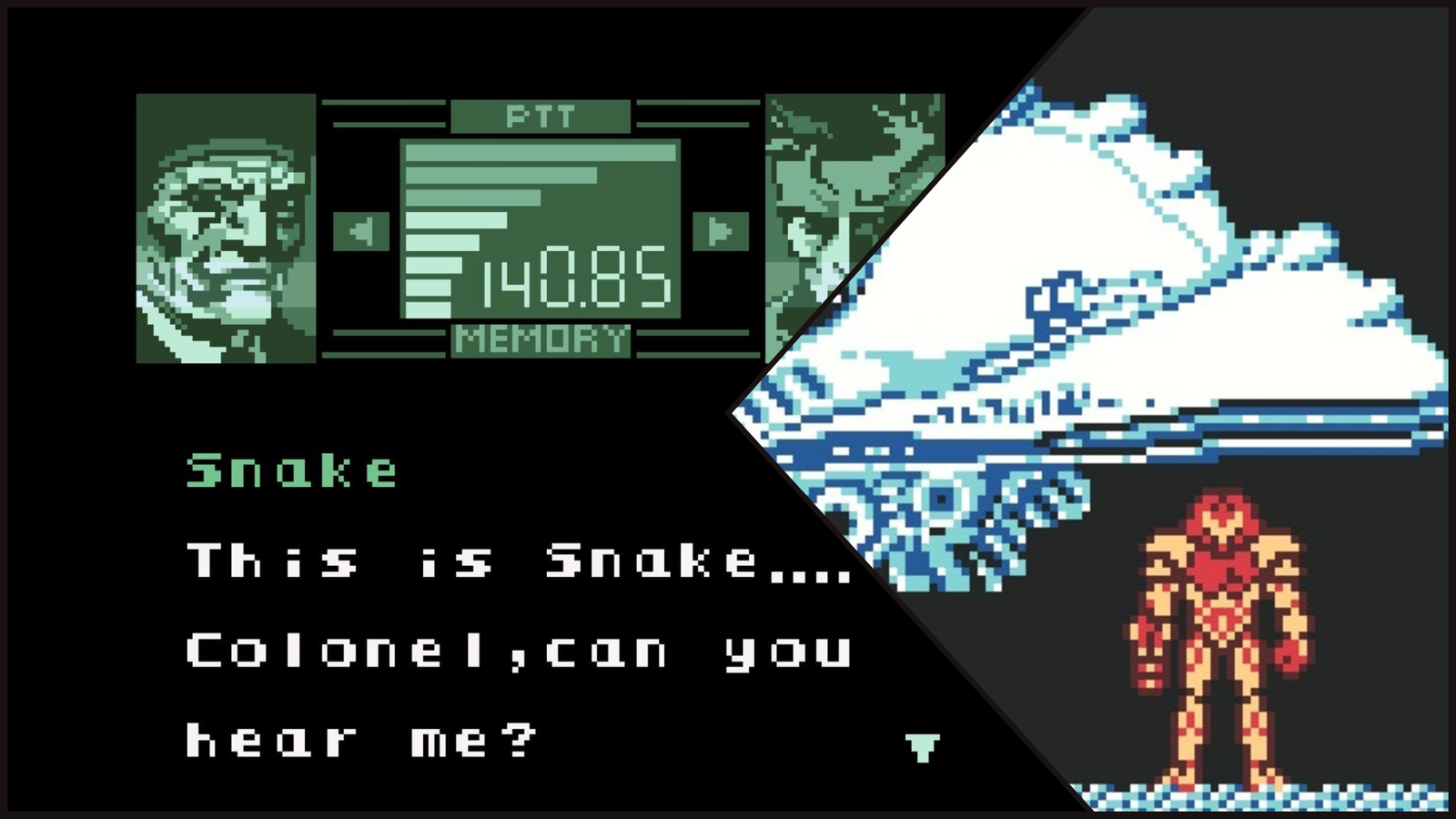
The Metal Gear Solid series, known for its cinematic storytelling and complex stealth mechanics, has its roots firmly planted in the 8-bit era. When Metal Gear Solid achieved massive success on the PlayStation, its transition to portable hardware was a logical next step. However, Metal Gear: Ghost Babel (released as Metal Gear Solid outside of the US) on the Game Boy Color wasn’t just a competent port; it was a surprisingly deep and engaging stealth experience that pushed the boundaries of what was thought possible on the platform.
Set in an alternate universe following the original MSX Metal Gear game, Ghost Babel utilized the "Metal Gear Solid" branding to capitalize on the franchise’s popularity. Despite series creator Hideo Kojima’s role being limited to producer, the game retained the intricate gameplay loops and strategic depth that defined the series. Players navigated complex environments, avoided enemy patrols, and utilized an array of gadgets and tools to achieve their objectives.

What made Ghost Babel particularly impressive was its ability to translate the core stealth gameplay into the monochrome (and later, Game Boy Color) environment. The game’s level design, enemy AI, and puzzle elements were all meticulously crafted to provide a challenging and rewarding experience that felt true to the Metal Gear lineage. It proved that complex, narrative-driven stealth action could thrive on a handheld, influencing the development of other stealth titles and demonstrating the potential for deep, strategic gameplay on portable devices.
1. X (1992)
Paving the Way for 3D Graphics
Our final entry, X, released in 1992, is a title many may have overlooked but whose impact on the evolution of 3D gaming is undeniable. Developed by Dylan Cuthbert, who would later go on to create the iconic Star Fox for the Super NES, X was a technical marvel that showcased early attempts at 3D graphics on a 2D-focused console.

X, along with Faceball 2000, represented astonishing technical achievements for their time. While the games themselves might not have reached the same heights of critical acclaim as other titles on this list, their groundbreaking use of polygons and wireframe graphics laid crucial groundwork for the burgeoning 3D gaming revolution. The development of X provided invaluable experience in programming and rendering in three dimensions, knowledge that was directly transferable to more powerful hardware like the Super NES.
The transition from 2D to 3D was a monumental leap in game development. Games like X served as essential proving grounds, allowing developers to experiment, learn, and refine the techniques necessary to create immersive 3D worlds. The skills honed and the lessons learned from these early 3D experiments on the Game Boy directly contributed to the development of landmark titles like Star Fox, and ultimately, to the widespread adoption of 3D graphics across the entire gaming industry. X‘s legacy lies not in its immediate commercial success, but in its pioneering role in shaping the visual language of modern video games.
Conclusion: The Enduring Echo of the Game Boy
The Game Boy was more than just a nostalgic relic of the past; it was a fertile ground for innovation that profoundly influenced the course of video game history. The titles highlighted here, from the narrative depth of Link’s Awakening to the genre-defining impact of Pokémon and the technical prowess of X, demonstrate the remarkable breadth and depth of experiences offered by Nintendo’s iconic handheld.

These games didn’t just entertain; they challenged, they inspired, and they fundamentally altered the landscape of interactive entertainment. They proved that compelling gameplay, innovative mechanics, and meaningful storytelling could thrive even on humble hardware. As we continue to explore increasingly complex and immersive virtual worlds today, it’s essential to remember the foundational contributions of these Game Boy gems, the unseen architects that quietly shaped the games we love. Their legacy is not just in the memories they created, but in the very fabric of modern gaming itself.


 Lina Irawan
 Sagoh
Sagoh