

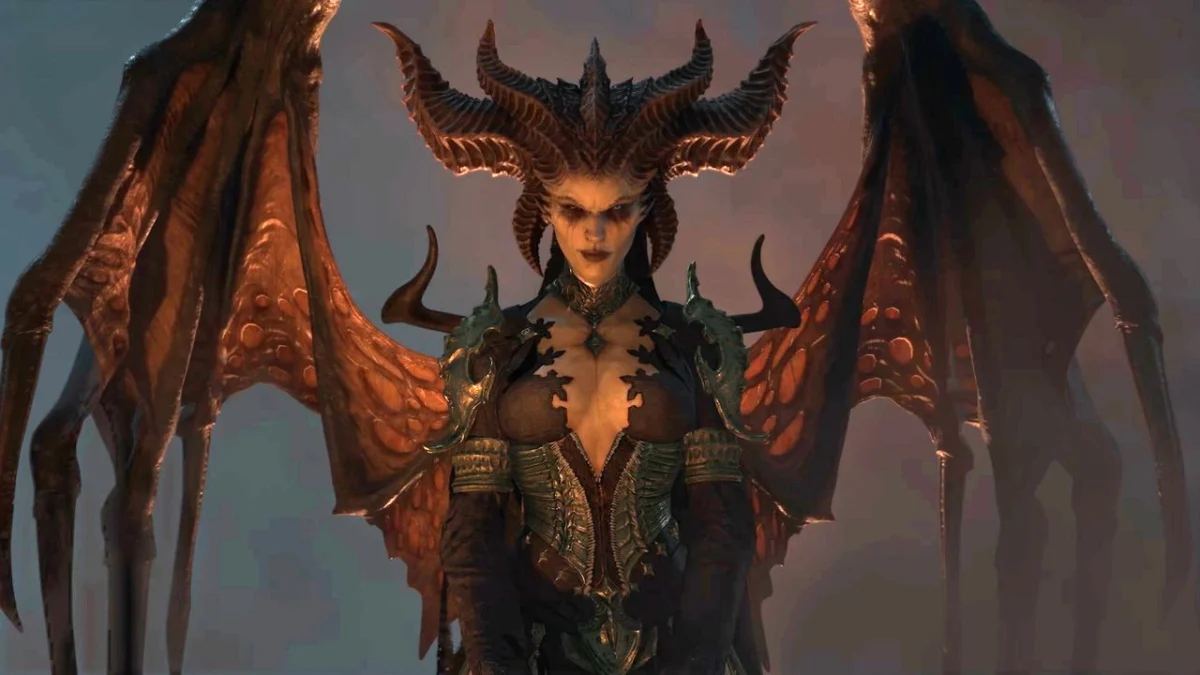
The landscape of Sanctuary is shifting once again. With the release of Diablo 4: Vessel of Hatred, Blizzard Entertainment has introduced a profound addition to the game’s meta-progression: the Warlock. While the franchise is no stranger to spellcasters—having featured the Necromancer and Sorceress since its inception—the Warlock arrives as a paradigm-shifting archetype that challenges the established power dynamics of the Burning Hells.
Moving away from the traditional tropes of static elemental casting or corpse-based resurrection, the Warlock introduces a kinetic, visceral approach to dark magic. By bridging the gap between summoner-based utility and high-octane frontline combat, Blizzard has crafted a class that is not only mechanically distinct but narratively disruptive.
The Genesis of the Warlock: A Philosophical Departure
To understand the Warlock’s place in the Diablo 4 ecosystem, one must look at the design philosophy that birthed the class. During the development of the Vessel of Hatred expansion, the team at Blizzard faced a recurring creative hurdle: how to introduce a new magic-user without cannibalizing the identities of the Necromancer or the Sorceress.
The solution, according to lead developers, was found in a seemingly simple, yet brutal question: "Who would win in a physical confrontation?"
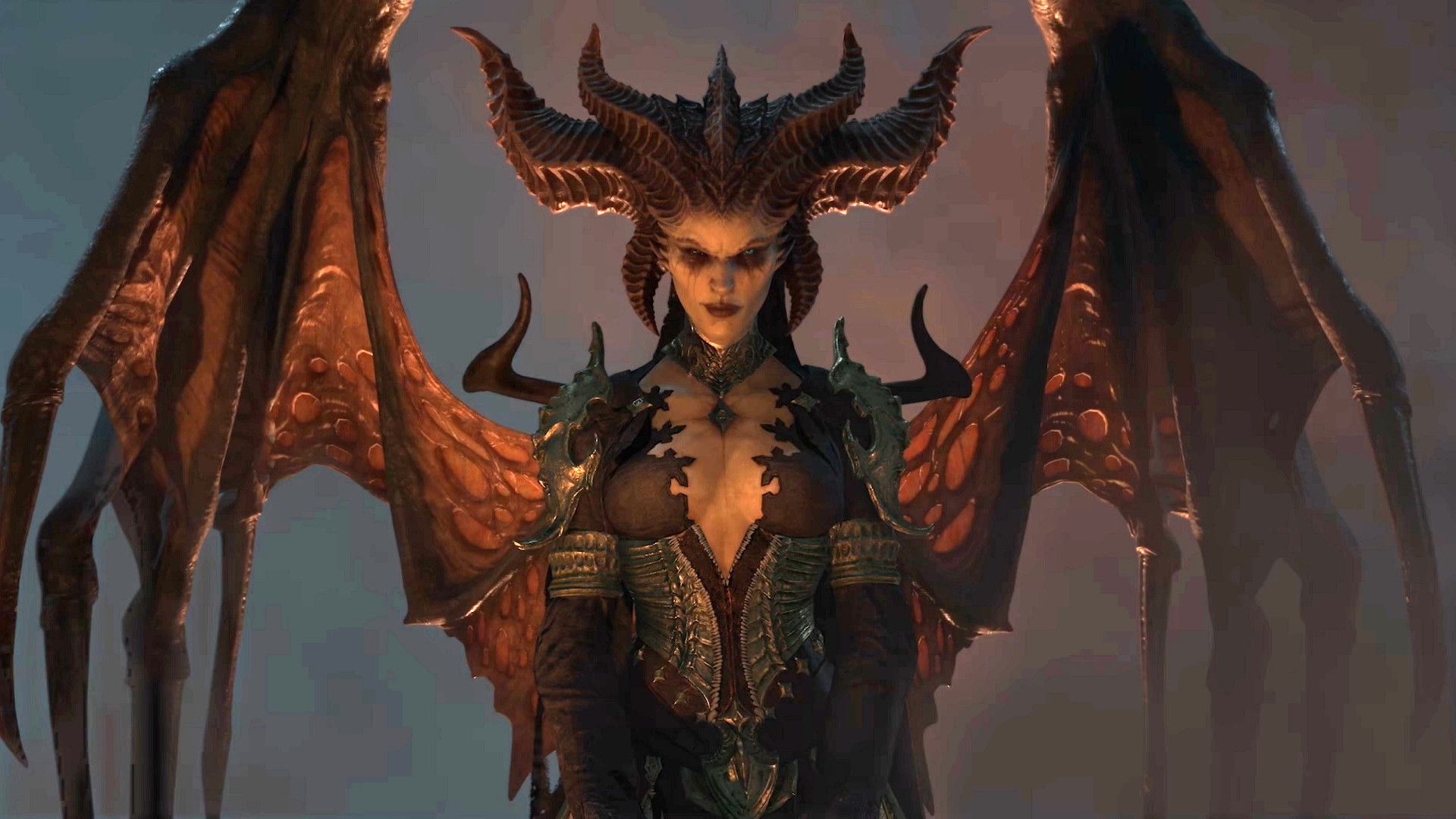
While the Necromancer relies on the calculated manipulation of death—reanimating the fallen to serve a master—and the Sorceress commands the laws of physics and elemental entropy, the Warlock acts as a violent conduit. They do not command the dead, nor do they merely channel ambient energy. Instead, they forcefully breach the thin veil separating Sanctuary from the chaotic realms of the Burning Hells to drag living, sentient demons into the fray.
Chronology of the Arcane: Evolution of the Spellcaster
The lineage of the Warlock in the Diablo universe is complex. Historically, practitioners of the dark arts were often relegated to the shadows or categorized under the broader, often misunderstood umbrella of "cultists" or "renegade mages."
- Pre-Vessel of Hatred: Players were largely restricted to the "Holy Trinity" of magic-users: the elemental-focused Sorceress, the life-and-death mastery of the Necromancer, and the divine interventions of the Spiritborn (introduced in the same expansion).
- The Announcement: When Blizzard first teased the Vessel of Hatred expansion, the community speculated on the inclusion of a "summoner-plus" class.
- The Reveal: Upon the official unveiling of the Warlock, it became clear that the developers intended to lean into the "abyssal" side of lore. Unlike the Necromancer’s bone-chilling methodical combat, the Warlock’s gameplay loop is defined by desperation, volatility, and the cruel exploitation of demonic entities.
Mechanical Nuances: Ripping Open Reality
The Warlock’s toolkit is fundamentally different from the current roster. Where a Sorceress might cast Blizzard to control the battlefield, a Warlock uses abilities that prioritize aggressive engagement.
The Abyssal Call
One of the class’s signature skills involves literally raining demons upon the battlefield. This is not a passive "summon" that follows the player; it is an active, damaging event. By creating a temporary rift, the Warlock forces demons out of their native environment and directly onto the heads of their enemies. The impact serves as a crowd-control mechanic, while the survivors are then left to fend for themselves—often being redirected by the Warlock to attack their own kin.
The Breathing Wall
Perhaps the most innovative defensive mechanic introduced in the expansion is the "Breathing Wall." By linking captured demons together through eldritch tethers, the Warlock creates a tangible, shifting barrier. Unlike a static shield or a wall of ice, this barrier is comprised of screaming, living entities. This serves two purposes: it absorbs incoming damage and provides a feedback loop that rewards the player for maintaining the tether. It is a grim, beautiful piece of design that perfectly captures the "at-all-costs" survivalist nature of the class.
Supporting Data: Why the Warlock Changes the Meta
In Diablo 4, efficiency is the primary metric by which a class is judged. Since the launch of the Vessel of Hatred, early data suggests the Warlock occupies a unique niche in high-level "Nightmare Dungeon" runs and boss encounters.
| Class | Resource Type | Primary Playstyle | Summoning Focus |
|---|---|---|---|
| Necromancer | Essence | Tactical/Control | Undead (Static) |
| Sorceress | Mana | Elemental/Burst | N/A |
| Warlock | Abyssal Flow | Aggressive/Frontline | Demons (Living) |
The introduction of the "Abyssal Flow" resource management system has forced players to rethink their gear optimization. Unlike Mana, which regenerates over time, or Essence, which is generated through basic attacks, Abyssal Flow is gained by damaging enemies with summoned entities. This creates an aggressive "push-pull" rhythm: you must spend resources to summon demons, and you must utilize those demons to fuel further summonings.
Official Responses and Developer Insight
Blizzard Entertainment has been vocal about the challenges of integrating the Warlock into the existing lore. In recent developer roundtables, the team emphasized that the Warlock is not a "hero" in the traditional sense.
"The Warlock is someone who has looked into the abyss and realized that the only way to stop the demons is to use their own brothers against them," a senior designer remarked. "They are essentially warlords of the hellish realms. They treat demons not as pets, but as ammunition. The ‘pain’ aspect of their magic—the idea that the demons are suffering as they are pulled into Sanctuary—is a core part of the aesthetic we wanted to highlight."
This narrative choice has resonated with the player base. The community feedback, largely gathered from the Vessel of Hatred beta tests, has been overwhelmingly positive regarding the "crunchy" feel of the Warlock’s spells. Players noted that while the class has a steeper learning curve than the Sorceress, the payoff for mastering the tether-and-summon loop is significantly higher in terms of raw damage output.
Implications for the Future of Sanctuary
The arrival of the Warlock signals a pivot in how Blizzard approaches expansion content. Rather than simply scaling numbers or adding new zones, the team is now looking at how to expand the Diablo fantasy.
Expanding the Dark Fantasy Aesthetic
The Warlock proves that the Diablo franchise can explore darker, more morally ambiguous themes. By forcing players to interact with the "ugly" side of demonic existence—the entities that are ripped from their homes and forced to act as shields—Blizzard is grounding the game in the grimdark roots that made the original titles famous.
Balancing the Ecosystem
The presence of the Warlock will inevitably force a rebalance of the Necromancer. With two summoner-style classes now in the mix, Blizzard must ensure that the "undead" fantasy remains distinct from the "demon-summoner" fantasy. Future patches are expected to refine the Necromancer’s utility to ensure they remain a viable alternative to the high-impact damage of the Warlock.
The Competitive Horizon
With the upcoming seasons in Diablo 4, the Warlock is poised to become a staple in team-based play. The ability to create a "Breathing Wall" while simultaneously providing crowd control via falling demons makes the class an essential asset for high-tier group compositions. We expect to see a surge in specialized Warlock builds designed specifically to maximize synergy with Barbarians and Spiritborns.
Conclusion: A New Chapter of Hatred
The Warlock is more than just a new character class; it is a testament to the evolving identity of Diablo 4. By embracing the chaos, the pain, and the sheer brutality of the Burning Hells, Blizzard has successfully breathed new life into the franchise.
As players continue to experiment with the Warlock’s kit—tearing open rifts and binding demons to their will—the Vessel of Hatred expansion feels less like a traditional content drop and more like a fundamental expansion of the Diablo experience. Whether you are a fan of the classic Necromancer or a newcomer to the series, the Warlock offers a visceral, unapologetic way to engage with the darkness. The demons are waiting, and for the first time in the series, they are coming to your side of the portal—whether they like it or not.











No comments yet. Be the first to join the conversation!