Siti Muinah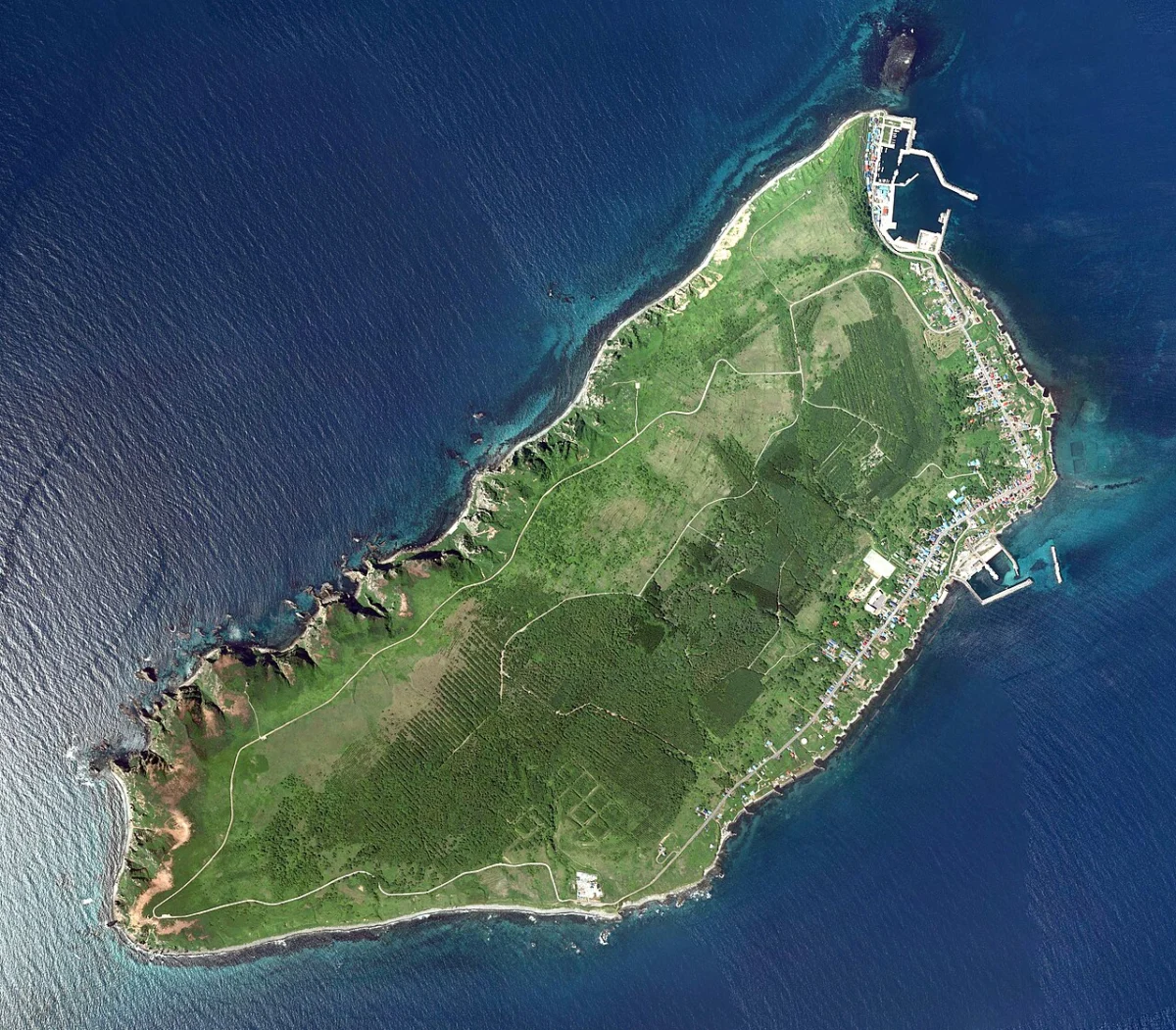
Halfway up the rugged Japan Sea coast of Hokkaido, approximately 200 kilometres north of the regional hub of Sapporo, lies the unassuming fishing town of Haboro. While it may appear to be a quiet, salt-sprayed outpost defined by its traditional maritime industries, Haboro serves as the terrestrial gateway to an ecological phenomenon of global significance.
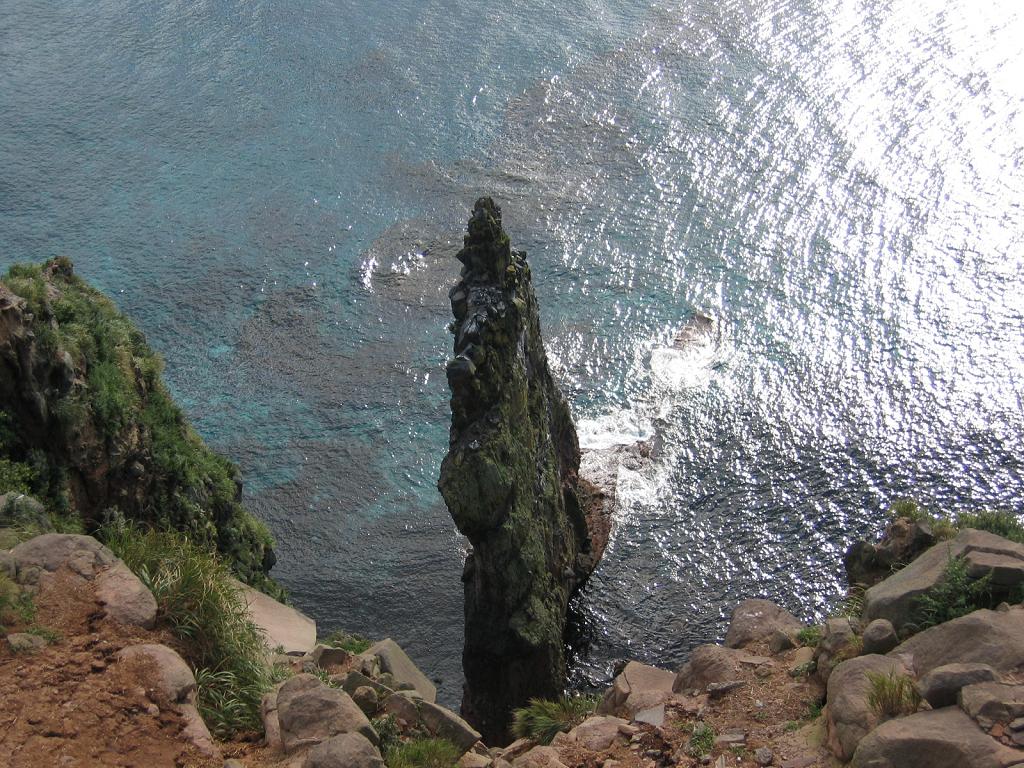
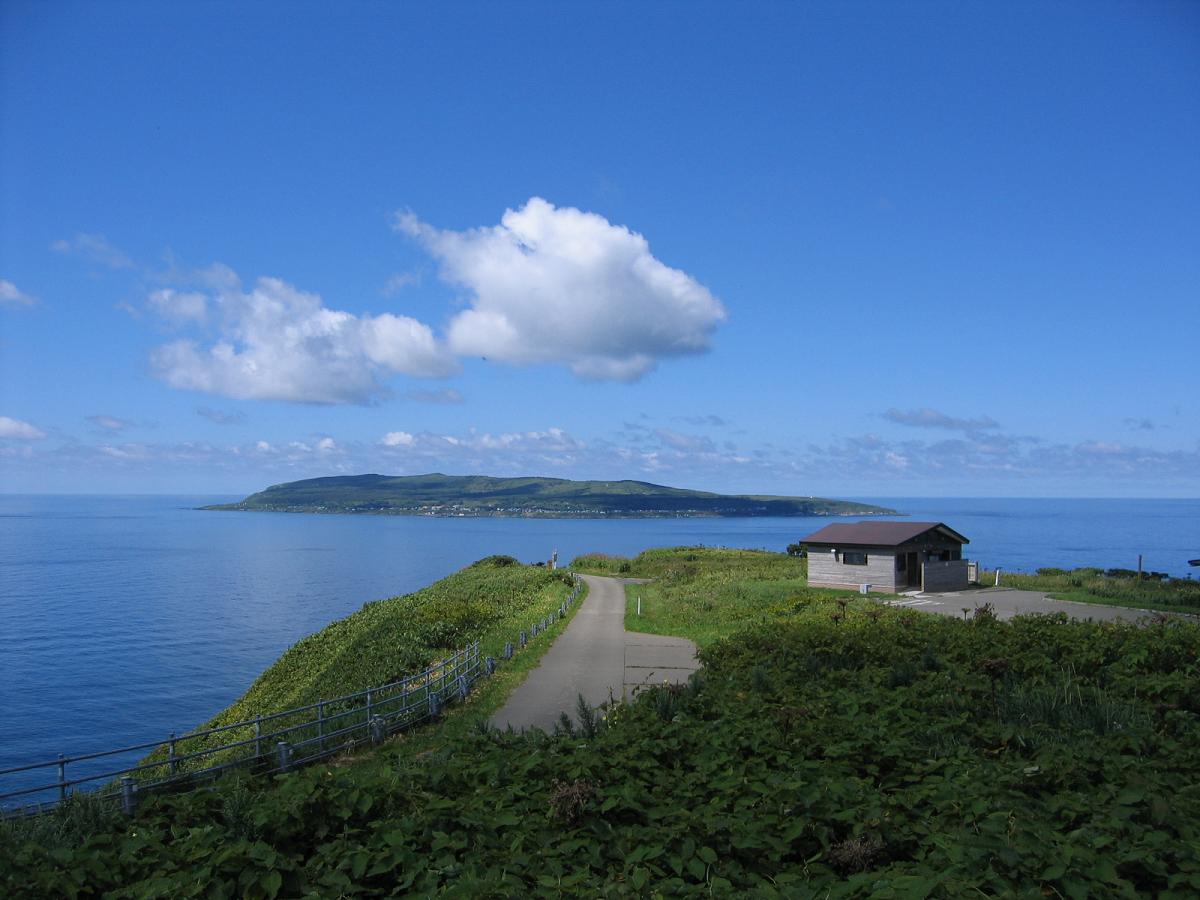
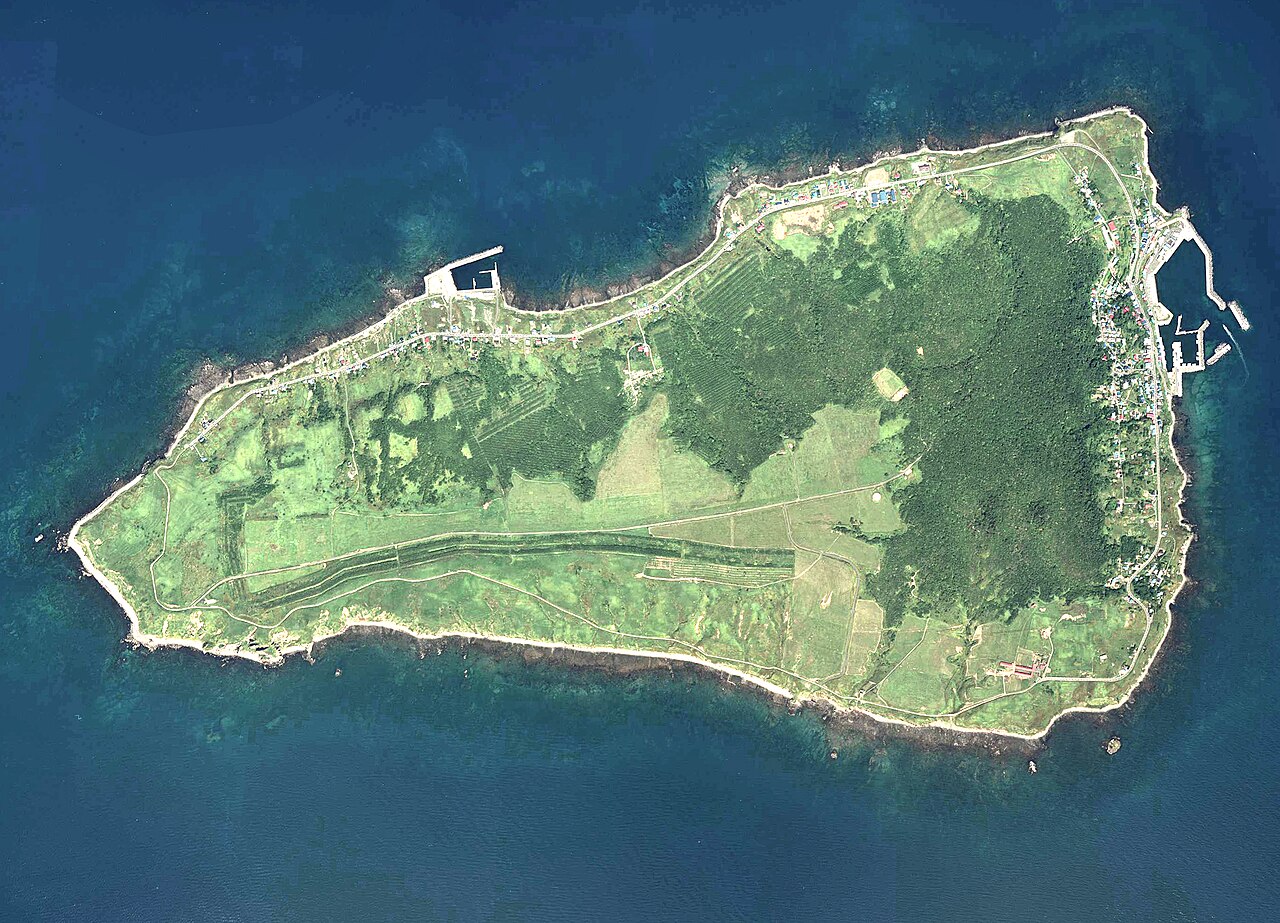
Twenty kilometres offshore, where the cold, nutrient-rich waters of the Tsushima Current collide with the continental shelf, two islands—Teuri and Yagishiri—host the largest concentrated seabird breeding colony in Japan. This is a region where the rhythm of life is dictated not by the pulse of the city, but by the seasonal migration of 800,000 rhinoceros auklets and a host of other avian species that return to these basalt cliffs every spring.
Main Facts: An Ornithological Hotspot
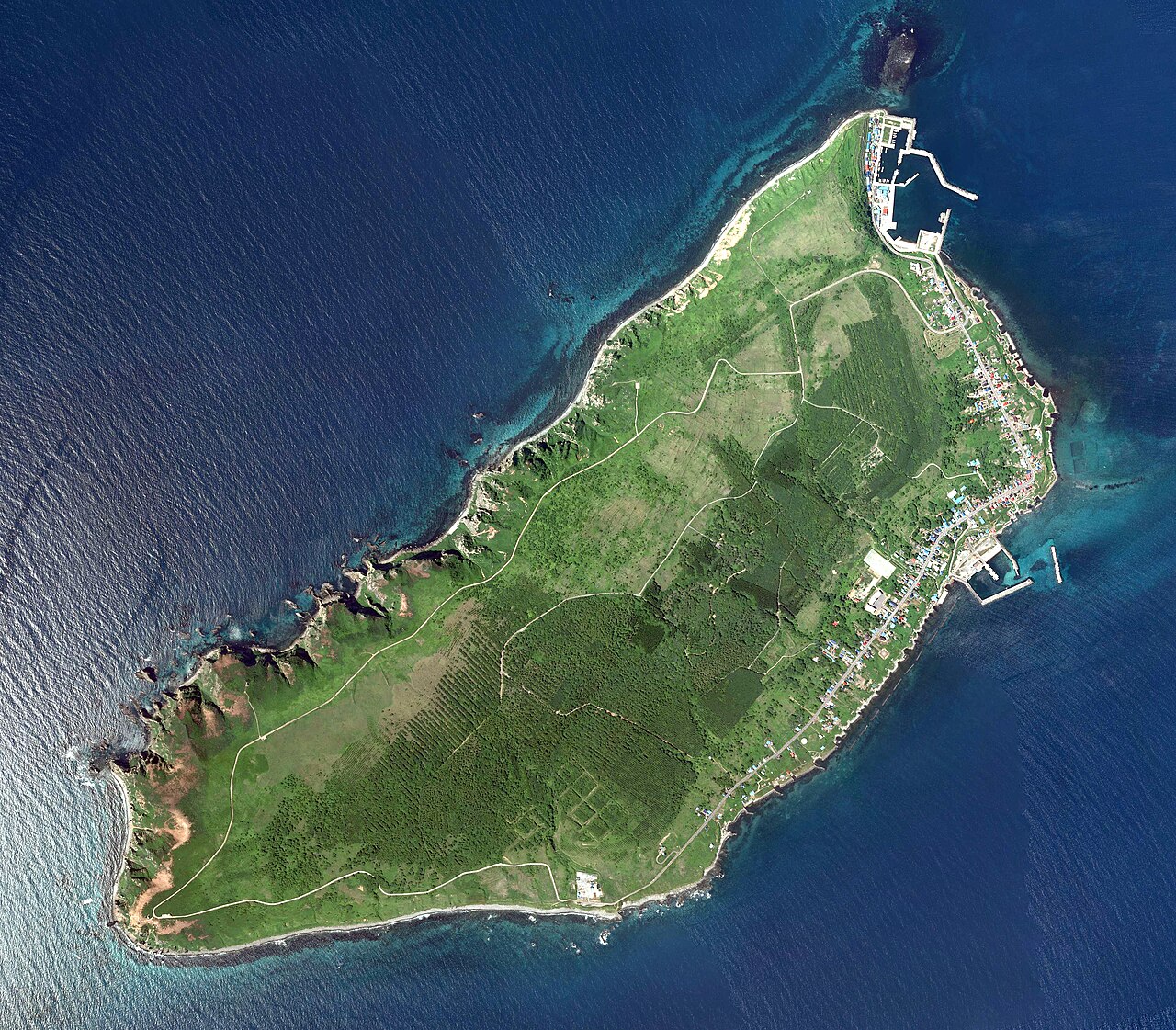
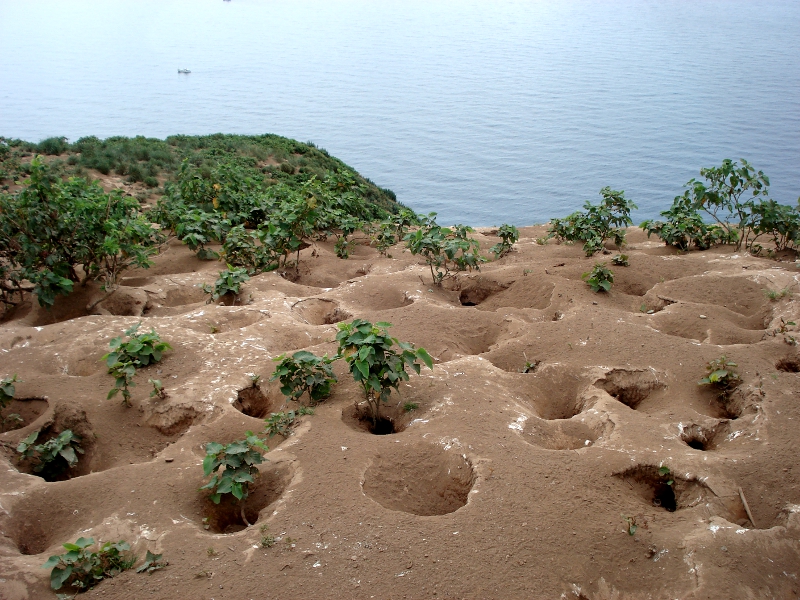
The Teuri and Yagishiri islands are more than just geographical markers; they are vital sanctuaries. Teuri Island, in particular, is an ornithological powerhouse. Roughly 800,000 rhinoceros auklets (Cerorhinca monocerata) nest within the island’s soft, cliff-top turf. Alongside them, eight other species—including common murres, pelagic cormorants, spectacled guillemots, and black-tailed gulls—create a cacophony of life that transforms the island into a living laboratory.
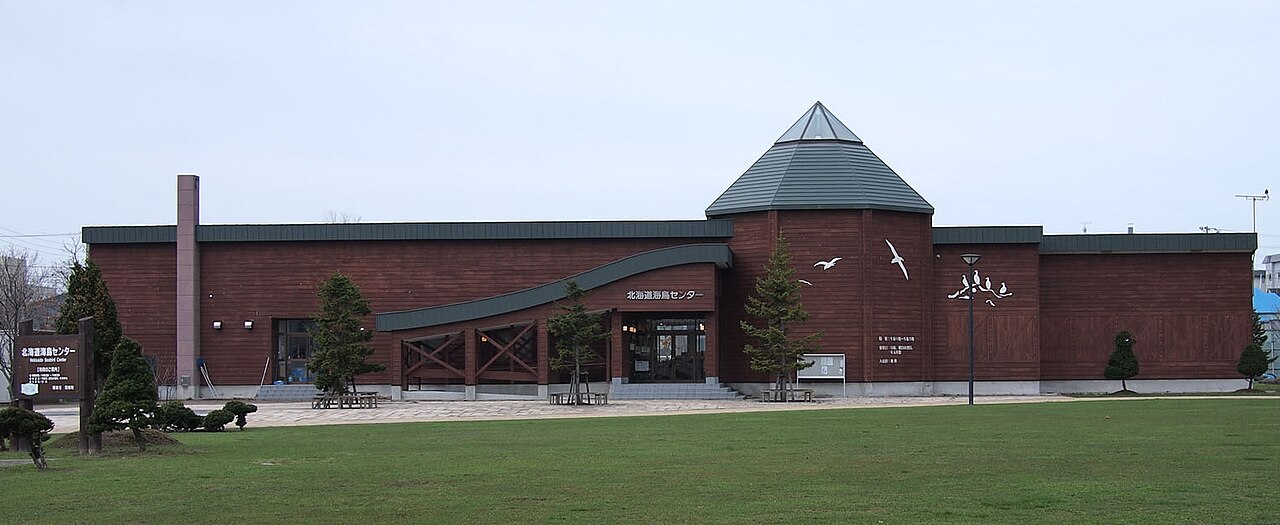
The anchor for this ecosystem is the Hokkaido Seabird Center in Haboro. Established in 1997, the center serves as a hybrid facility: a public education museum and the administrative headquarters for the Ministry of the Environment’s intensive monitoring programmes. It is the essential starting point for any visitor seeking to understand the delicate balance between the local fishing industry and the preservation of these protected colonies.
Chronology of Conservation
The history of these islands is a testament to the changing relationship between Japanese industry and environmental stewardship.
- 1970s–1980s: The region faced a stark ecological crisis. Historically, tufted puffins were a staple of the local avian landscape. However, due to accidental bycatch in longline fisheries and shifts in marine conditions, the population collapsed. By 2010, the last confirmed breeding pair was recorded, marking a tragic chapter in the islands’ natural history.
- 1997: Recognising the need for a coordinated scientific approach, the Hokkaido Seabird Center was opened. This shifted the local paradigm from passive observation to active, data-driven conservation.
- Present Day: The center now operates as a mediator between the local fishing fleet and conservationists. By documenting the intersection of hokke (atka mackerel), ikura (salmon roe), and uni (sea urchin) harvesting with seabird foraging patterns, the center works to implement bycatch mitigation strategies, turning the local fishing industry into an unlikely ally for the birds.
Supporting Data: The Logistics of "Deep Travel"
For the intrepid traveller, reaching this destination requires a logistical commitment that keeps mass tourism at bay. Foreign visitors to the region number in the low hundreds per year, offering a pristine experience for those willing to venture off the beaten path.
The Ferry Connection
The Haboro Enkai Ferry is the lifeline for the islands.
- Summer Operations (April–October): Three daily round-trips operate between Haboro, Yagishiri, and Teuri. Crossing times range from 55 minutes to Yagishiri to 90 minutes to Teuri.
- Winter Operations (November–March): Service is reduced to one or two daily trips, with a 25–40% chance of weather-related cancellation.
- Cost Efficiency: Standard return fares range from ¥3,040 for Yagishiri to ¥4,420 for Teuri. During peak summer, a fast jet-foil service is available for ¥6,440.
The Seabird Center Experience
The center’s exhibition hall is a triumph of efficient design. It features a life-size reconstruction of a Teuri cliff-face, complete with hollow plaster nests and bird carvings by Sapporo artist Kumiko Kitao. The center’s sound-and-light loop, which simulates the dawn-and-dusk activity of the colonies, allows visitors to grasp the intensity of the breeding cycle without disturbing the actual nesting grounds.
Official Responses and Conservation Strategy
The Ministry of the Environment views the Teuri-Yagishiri colony as a barometer for the health of the North Pacific ecosystem. Because the birds are highly sensitive to changes in water temperature and prey availability, the monitoring programs conducted here provide critical data on climate change and ocean health.
According to research staff at the Seabird Center, the "dusk return" is the most vital, yet vulnerable, period. During the breeding season (mid-April to late August), the rhinoceros auklets spend their days foraging at sea, returning to their burrows only under the cover of twilight. This 30-to-45-minute window is a spectacle of nature, as thousands of birds return in synchronized, high-speed flight. To protect this, the Akaiwa Observatory is kept intentionally unlit. The Ministry enforces strict regulations on noise and light pollution, and they encourage visitors to utilize guided tours—which cost approximately ¥1,500—to ensure that human presence remains non-intrusive.
Implications for the Future: A Delicate Equilibrium
The future of Haboro and its islands rests on a "sustainable coexistence" model.
The Economic Angle
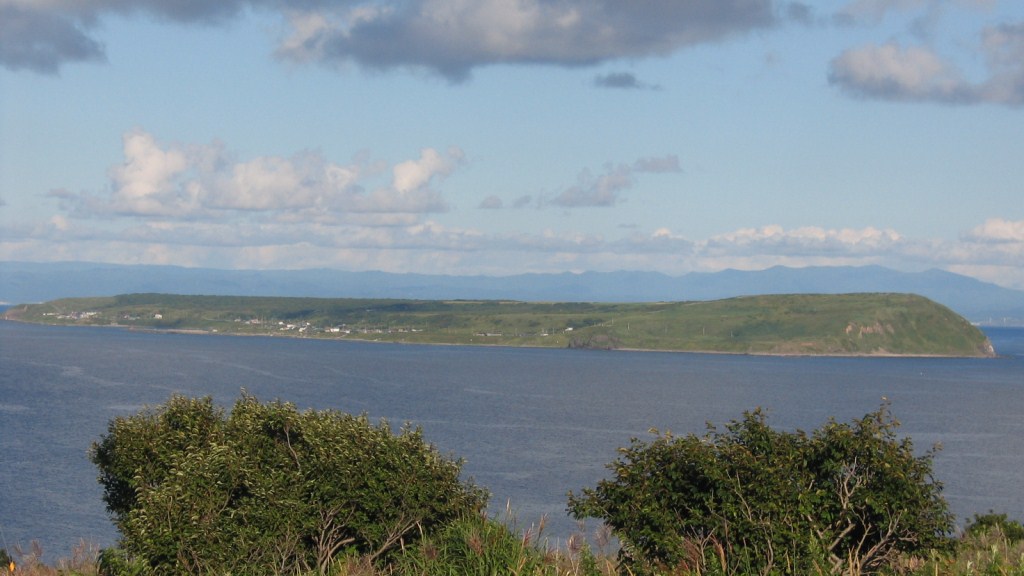
The islands are not merely bird sanctuaries; they are living communities. Yagishiri Island, for instance, is home to the only commercial sheep farm in Hokkaido. This farm produces a premium lamb export, bridging the gap between traditional pastoral life and modern tourism. When visitors stay in local minshuku (guesthouses)—typically costing between ¥8,000 and ¥11,000 per night—they are directly funding the local economy that supports these conservation efforts.
The Challenge of Awareness
The primary challenge moving forward is the language barrier. With limited English signage on the islands and most bookings still handled via phone in Japanese, the destination remains difficult for the casual international tourist. However, for the serious birder, photographer, or environmental researcher, this friction is part of the allure. It ensures that those who do make the journey are there with a genuine interest in the island’s ecology rather than a desire for superficial sightseeing.
Is the Journey Worth It?
For the general traveller, a trip to Haboro is a significant undertaking that requires a minimum of three days to do properly. It is best paired with a wider exploration of Northern Hokkaido, such as the Rishiri-Rebun islands or the scenic routes near Asahikawa.
However, for those who value the "peripheral landscapes" of Japan, the reward is unmatched. To stand on the cliffs of Teuri as the sun dips below the horizon, watching the sky fill with the silhouettes of thousands of returning auklets, is to witness one of the most raw and unfiltered wildlife spectacles on the planet.
As climate patterns continue to shift and the pressures on the Japan Sea fishing industry evolve, the Haboro Seabird Center remains a crucial sentinel. It stands as a reminder that even in an era of global connectivity, there are still corners of the world where nature holds the floor, and where our role is, above all, to observe with respect and preserve with caution.

For the visitor, the message is simple: bring a red-filtered headlamp, a sense of adventure, and the understanding that you are a guest in a home that has been managed by the rhythm of the tides and the flight of the birds for centuries.


 Neng Nana
 Asro
Asro