Asep Darmawan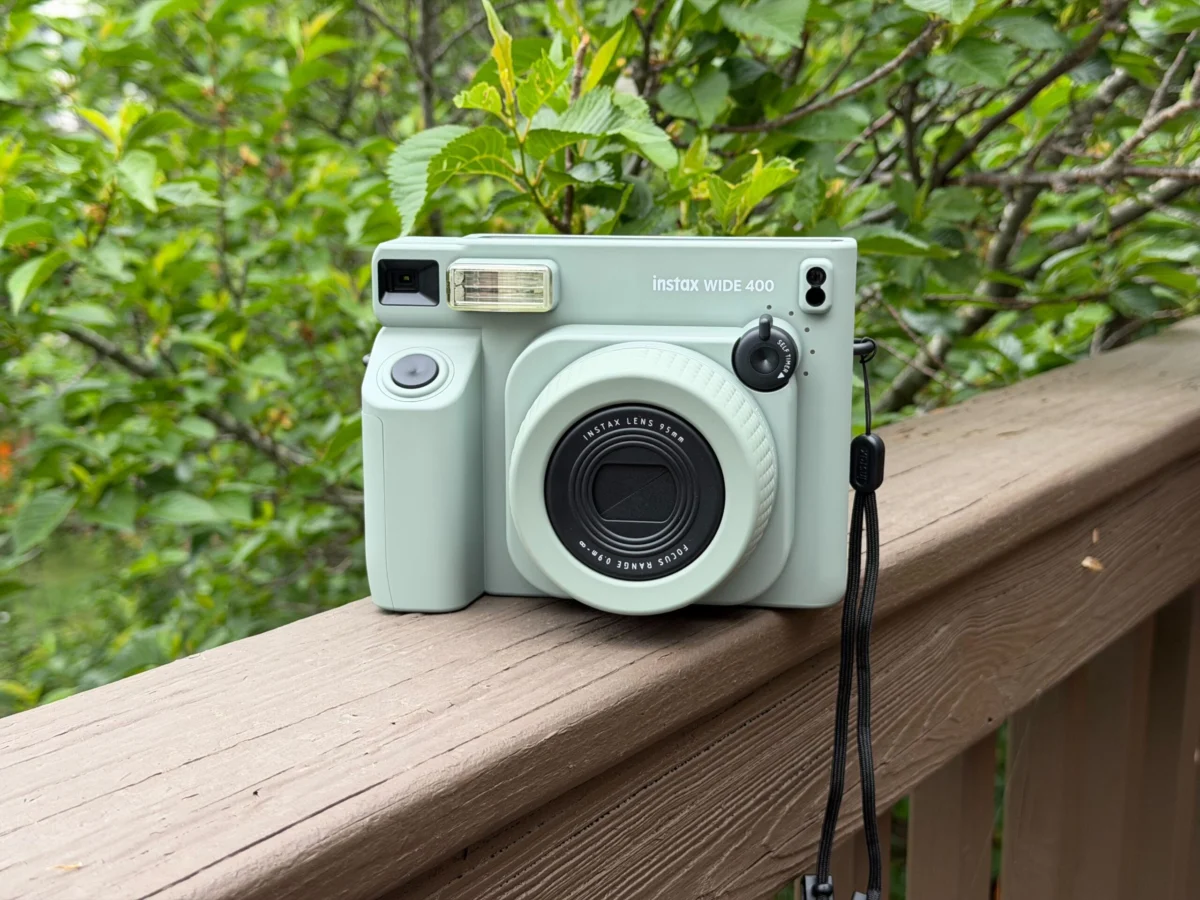
In an era dominated by hyper-realistic smartphone photography and ephemeral digital snapshots, the tactile allure of analog instant film has experienced a remarkable resurgence. As artificial intelligence continues to reshape the landscape of digital imaging, the simplicity of physical media offers a grounding, human-centric alternative. At the forefront of this analog revival is the $175 Fujifilm Instax Wide 400, a camera that marries the nostalgic charm of vintage photography with the practical necessity of a larger, more cinematic frame.
The Evolution of Instant: Main Facts
The Instax Wide 400 is not a camera designed for the pixel-peeper or the manual-control enthusiast; it is a dedicated tool for capturing moments in their most authentic form. Its primary selling point is the output: 62 x 99 mm prints. These are roughly double the surface area of the standard Instax Mini, providing ample real estate for group portraits, sweeping landscapes, and candid scenes that benefit from a wider aspect ratio.
Positioned as a quintessential "point-and-shoot," the device eschews complex menus and manual exposure toggles. It relies on a streamlined, one-button interface that manages flash, focus, and shutter speed automatically. This design philosophy underscores Fujifilm’s commitment to the "democratization of photography"—ensuring that the barrier to entry is low enough for children and beginners, yet high-quality enough to satisfy the aesthetic cravings of veteran photographers.
A Chronology of the Analog Revival
The journey of the Instax line is a testament to the persistence of analog technology. While the late 1990s and early 2000s saw the rapid decline of instant film due to the rise of digital point-and-shoots, the mid-2010s marked a distinct shift in consumer sentiment.
- 2014-2016: Fujifilm begins to see a massive uptick in interest among the Gen Z demographic, who value the "one-shot" nature of film as a reaction to the infinite delete-and-retry cycle of social media.
- 2020-2024: The pandemic accelerated the desire for tangible hobbies, leading to a boom in "slow photography."
- May 2026: The announcement of the Instax Wide 400 arrives as a refined iteration of the previous Wide models, incorporating feedback from a community that demanded better handling and improved usability for group scenarios.
- October 2026: The camera makes its public showcase debut at the TechCrunch event in San Francisco, solidifying its place as a modern hardware staple in the creative economy.
Technical Specifications and Performance Data
The Instax Wide 400 is a substantial piece of hardware. Measuring 162 mm x 98 mm x 123 mm and weighing in at 1.4 pounds, it occupies a significant footprint in any camera bag.

Optical Fidelity
In ideal lighting, the Wide 400 produces images with vibrant color reproduction and commendable sharpness. The saturation leans slightly toward the punchy side, a trait favored by the brand’s fanbase. However, the lack of manual exposure controls presents a technical constraint. In high-contrast environments—such as a backlit forest or a bright sky behind shadowed subjects—the camera’s automatic metering struggles to balance the dynamic range, often leading to "muddy" shadows where details blend into a blur.
Ergonomics and Handling
The lens-based power system is an exercise in intuitive design. Rotating the lens counterclockwise triggers the internal motor, with two distinct tactile clicks:
- Close-up Mode: Optimized for subjects between 0.9 and three meters.
- Landscape Mode: Optimized for subjects beyond three meters.
- Power Off: A clockwise rotation tucks the lens away, effectively preventing accidental battery drain.
The inclusion of a dedicated close-up lens attachment is a welcome addition, effectively mitigating the common parallax and focus issues that plague fixed-focus cameras when shooting subjects at a short distance.
Implications for the Modern Photographer
The rise of the Instax Wide 400 has significant implications for how we document life. By limiting the number of shots (film packs typically contain 20 sheets) and removing the ability to edit, the camera forces a shift in behavior.
The Social Component
The camera is an icebreaker. During testing, its bulky, retro aesthetic proved to be a magnet for social interaction. Whether in a quiet park or a bustling coffee shop, the device invites questions and compliments. This "social gravity" is a unique feature of the Instax line; it turns photography from a solitary act into a communal event. The self-timer, which features a 10-second countdown with audible and visual feedback, further enables the photographer to become a participant in the frame, rather than just the observer behind the lens.

Economic Considerations
While the initial investment of $175 is competitive, the long-term cost of ownership is defined by the film. At roughly $25 to $28 for a 20-sheet cartridge, each photograph costs over $1.25. This cost per click serves as a natural regulator, discouraging "spray-and-pray" photography and encouraging the user to consider the composition of each shot more deeply.
Official Stance and Market Positioning
Fujifilm has maintained a consistent narrative regarding the Instax ecosystem: it is not a replacement for digital, but a complement to it. By offering the Wide 400 in "Green" and "Jet Black," the company is targeting both the design-conscious minimalist and the playful, creative enthusiast.
The company’s decision to offer a range of film finishes—from standard white to black frames, metallic borders, and monochrome—speaks to a strategy of personalization. They are selling an experience, not just a hardware product. In an era where AI can generate a perfect image in seconds, the "imperfection" of a physical Instax print has become a luxury item.
Conclusion: Is the Bulk Worth the Beauty?
The Instax Wide 400 is, without question, a specialized tool. Its size makes it impractical for casual, pocket-sized carry, and its lack of manual controls limits its utility for professional work. Yet, these "flaws" are precisely what give the camera its charm. It is a device designed for the intentional documentation of life’s larger moments.
For those who find the Instax Mini too small and the digital experience too hollow, the Wide 400 offers a middle ground. It provides a larger, more cinematic canvas that does justice to group memories and scenic landscapes. It is a reminder that in our high-speed, AI-driven world, there is still immense value in the deliberate, the physical, and the permanent. Whether you are a parent capturing family milestones or a student looking to decorate a dorm room with tangible memories, the Instax Wide 400 delivers a reliable, high-quality, and deeply satisfying experience.

As we look toward the future of imaging, it is clear that the analog format isn’t merely surviving; it is evolving to meet the needs of a generation that is increasingly seeking to slow down, look through a viewfinder, and wait for the image to develop—one frame at a time.
Disclaimer: When you purchase through links in our articles, we may earn a small commission. This doesn’t affect our editorial independence or the impartiality of our testing process.

 Azzam Bilal Chamdy
 Laily UPN