

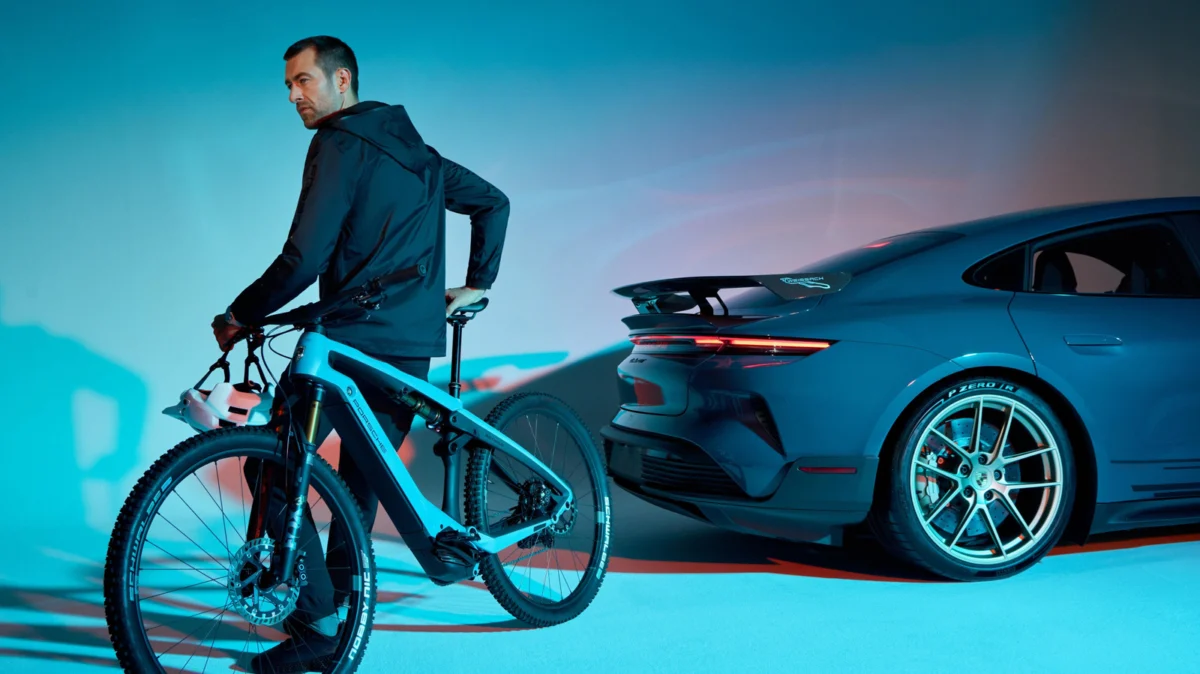
In a move that has sent shockwaves through the mobility and automotive sectors, luxury automaker Porsche has announced a sweeping structural overhaul. The German powerhouse is moving to discontinue its dedicated electric bicycle subsidiary, Porsche eBike Performance GmbH, alongside the closure of several other key technology-focused units. This decision marks a significant retreat from the company’s aggressive diversification strategy, signaling a return to its core competency: the production of high-performance automobiles.
The shutdown of the e-bike division will result in the closure of manufacturing facilities in Ottobrunn, Germany, and Zagreb, Croatia, affecting approximately 350 employees. This retraction is not an isolated incident but part of a broader corporate realignment that includes the shuttering of the Cellforce Group and the divestment of stakes in high-profile partnerships, including Bugatti Rimac.
The Chronology of an Ambition: From Innovation to Retrenchment
To understand the weight of this decision, one must look at the timeline of Porsche’s venture into the micromobility space.
2021–2022: The Expansion Phase
Porsche’s foray into the e-bike market began with high aspirations. Seeing the explosion of interest in premium electric mobility, the company sought to capitalize on its brand equity by entering the high-end cycling segment. In August 2022, Porsche officially launched Porsche eBike Performance GmbH. The goal was twofold: to create high-performance e-bike drive systems and to market them globally, leveraging the engineering prowess that defines the Porsche crest.
2023–2024: The Product Lifecycle
During this period, the subsidiary rolled out several high-profile models, including the Porsche eBike Sport, designed for road enthusiasts, and the Porsche eBike Cross, engineered for off-road terrain. Despite their premium price tags—the eBike Sport reaching a fifth generation with a staggering starting price of $10,920—the products garnered praise for their integration of aesthetics and power. However, the market for luxury e-bikes proved more volatile than initially anticipated.
2025–2026: The Strategic Reversal
By early 2025, economic headwinds and shifting consumer demand began to impact the automotive industry at large. Recognizing that the "all-in" approach to diverse mobility sectors was diluting its focus, Porsche leadership initiated a "refocusing" strategy. By early 2026, the company began the systematic liquidation of its subsidiary portfolio, culminating in the recent announcement regarding the e-bike division.
Supporting Data: The Anatomy of the Shutdown
The closure of Porsche eBike Performance GmbH is not merely a product cancellation; it is the termination of a multi-year investment in specialized hardware.
Production and Workforce Impact
The company’s decision to close its sites in Ottobrunn and Zagreb highlights the scale of the operation. By shuttering these facilities, Porsche is effectively ending its independent production of proprietary motors and battery systems. The loss of 350 jobs is a sobering reminder of the volatility inherent in new business ventures, particularly when a legacy manufacturer attempts to pivot into consumer hardware markets.
The Financial Context
While Porsche has not disclosed the exact capital expenditure lost in this venture, industry analysts estimate that the development of specialized drive systems and the acquisition of the necessary manufacturing infrastructure required tens of millions of euros. The decision to cut these losses suggests that the projected return on investment (ROI) for the e-bike division was no longer aligned with the company’s internal growth targets.
Official Responses and Corporate Philosophy
The narrative coming out of Porsche’s Zuffenhausen headquarters is one of consolidation and pragmatism.
The "Core Business" Mandate
CEO Michael Leiters has been instrumental in steering the company back toward its roots. In a series of statements, Leiters emphasized that the decision to shutter the e-bike division, the Cellforce Group, and the software entity Cetitic GmbH was not a sign of weakness, but a "strategic necessity."
"We are choosing to refocus our energy and capital on our core business," Leiters stated. "The automotive landscape is changing, and we must ensure that our resources are allocated to the projects that define the future of the Porsche brand—namely, our transition to electrification in our primary vehicle lineup."
Addressing the Stakeholders
Porsche’s communication strategy has been careful to frame these moves as "optimizations." By distancing itself from peripheral technology bets like the Cellforce Group—which was tasked with developing high-performance battery cells—Porsche is signaling that it prefers to rely on external suppliers or established partnerships rather than vertical integration in areas where they do not hold a clear competitive advantage.
Implications: A New Era for the Automotive Giant
The fallout from these closures extends far beyond the cycling industry. It represents a fundamental shift in how legacy luxury automakers view the "mobility revolution."
The End of the "Mobility Ecosystem" Dream
For years, automakers like Porsche, BMW, and Audi were encouraged to become "mobility providers" rather than just car manufacturers. This meant owning the software, the batteries, the charging infrastructure, and the micromobility solutions. Porsche’s recent actions suggest that the industry is hitting a ceiling. The cost of maintaining these disparate, high-tech divisions is simply too high when profit margins are under pressure from cooling EV demand and increased competition from Chinese manufacturers.
The Divestment Strategy
Perhaps the most significant signal to the market is the sale of Porsche’s stake in Bugatti Rimac and the Rimac Group. Having invested millions into the Croatian electric supercar pioneer, this exit is a definitive statement that Porsche intends to operate as a standalone force. By shedding these ties, Porsche is liquidating assets to shore up its balance sheet and protect its core profit centers.
The Future of Porsche’s EV Portfolio
Despite the cuts, Porsche remains committed to the electrification of its flagship vehicles. The Cayenne and the Taycan continue to serve as the pillars of the company’s EV strategy. By eliminating the "noise" of smaller, less profitable subsidiaries, Porsche is attempting to streamline its R&D budget to focus entirely on the next generation of electric performance cars. The question remains: can the company maintain its reputation for engineering excellence while narrowing its technical focus?
Conclusion: The Hard Lessons of Diversification
Porsche’s retreat from the e-bike market is a case study in the perils of corporate overextension. While the vision of a "Porsche ecosystem" was attractive, the reality of the market—characterized by supply chain instability, changing consumer preferences, and the sheer cost of R&D—proved to be an insurmountable hurdle for a niche subsidiary.
As the company moves forward, the focus will be squarely on the asphalt. By closing its factories in Germany and Croatia and ending its involvement with Cellforce and Rimac, Porsche is stripping away the layers of complexity it built during the last four years. Whether this "back to basics" approach will secure the company’s future in an increasingly electric, software-defined automotive world remains to be seen. For now, the Porsche eBike—once a symbol of the brand’s versatility—will transition from a current product to a collector’s item, a footnote in the history of a company that decided it would rather be the master of one trade than the jack of many.
The industry will be watching closely as Porsche moves into its next chapter, one defined by intense focus, leaner operations, and a renewed commitment to the high-performance vehicles that made the brand a global icon in the first place.












No comments yet. Be the first to join the conversation!