

The landscape of the video game industry is perpetually shifting, but few windows in time feel as transformative as the summer of 2016. For decades, the "summer drought" was a staple of the gaming calendar—a period characterized by a lull in major releases as publishers saved their heavy hitters for the lucrative holiday season. However, as digital distribution matured and global connectivity became the norm, the industry began to shed its traditional seasonal constraints.
By 2016, the paradigm had shifted entirely. Summer was no longer a wasteland; it was a battleground for cultural phenomena, technical masterpieces, and genre-defining experiences. As we reach the ten-year anniversary of this pivotal season, it is worth looking back at the titles that didn’t just fill our time—they changed how we play, how we connect, and how we perceive the medium itself.
The Evolution of the Summer Release Window
Historically, gaming was tethered to the physical retail cycle, which prioritized the "Q4 holiday rush." Developers and publishers viewed summer as a time for casual play, often delaying major titles to ensure maximum visibility in November and December. Yet, the rise of platforms like Steam, the evolution of console digital storefronts, and the increasing appetite for "live-service" content forced a shift.
In 2016, the industry proved that a great game could command the global stage regardless of the temperature outside. From the record-breaking social explosion of augmented reality to the culmination of high-budget cinematic storytelling, the summer of 2016 offered a diverse array of experiences that continue to influence game design a decade later.

A Chronology of 2016’s Summer Giants
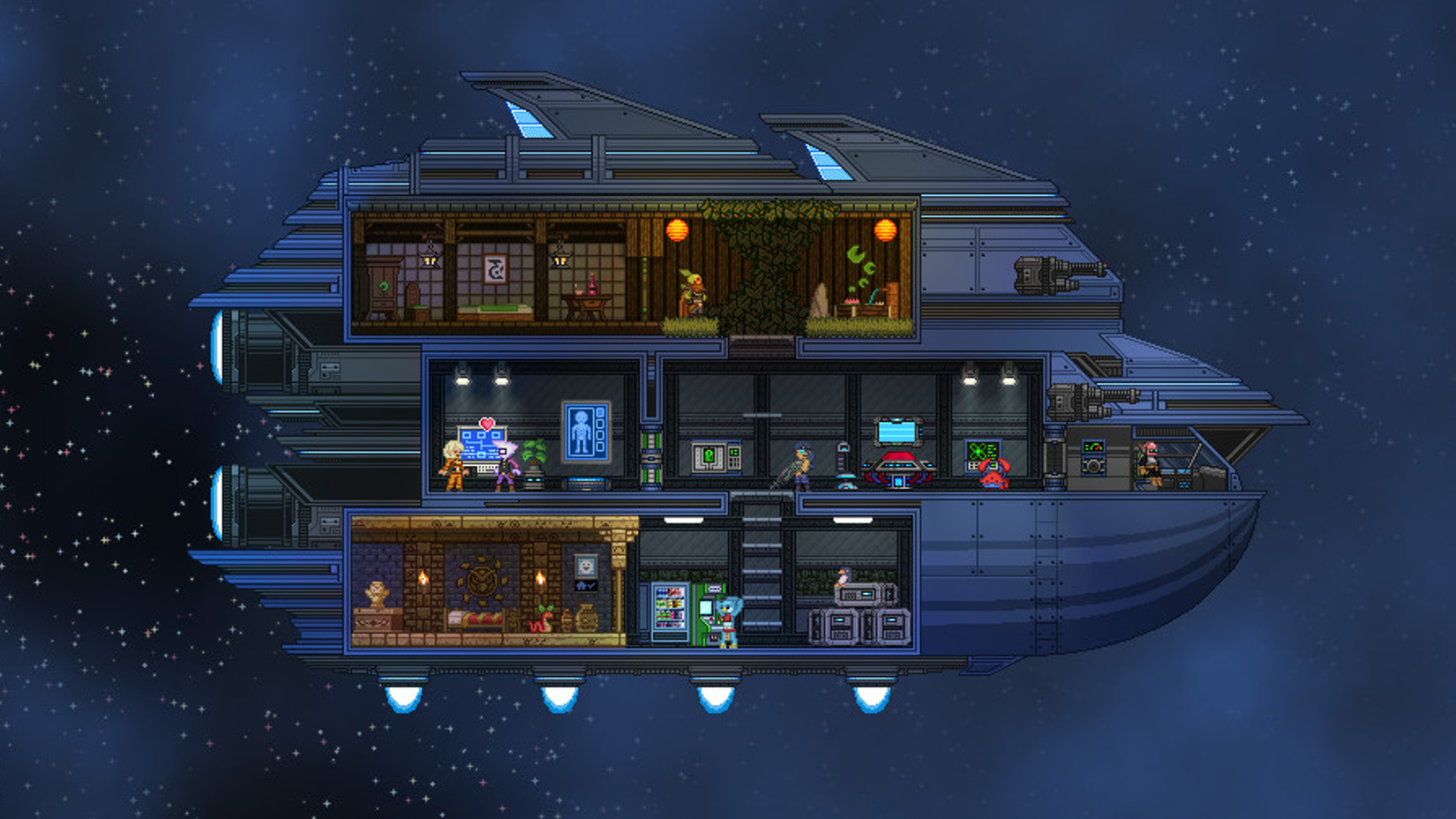
9. Starbound (July 22, 2016)
After a long and highly anticipated stint in Early Access starting in 2013, Chucklefish’s Starbound finally hit version 1.0 in July 2016. A procedurally generated space odyssey, Starbound captured the imagination of those who craved both the thrill of exploration and the comfort of base-building. Its success demonstrated the viability of the "cozy-meets-complex" genre, providing a sandbox where the narrative was secondary to the player’s own creative drive.
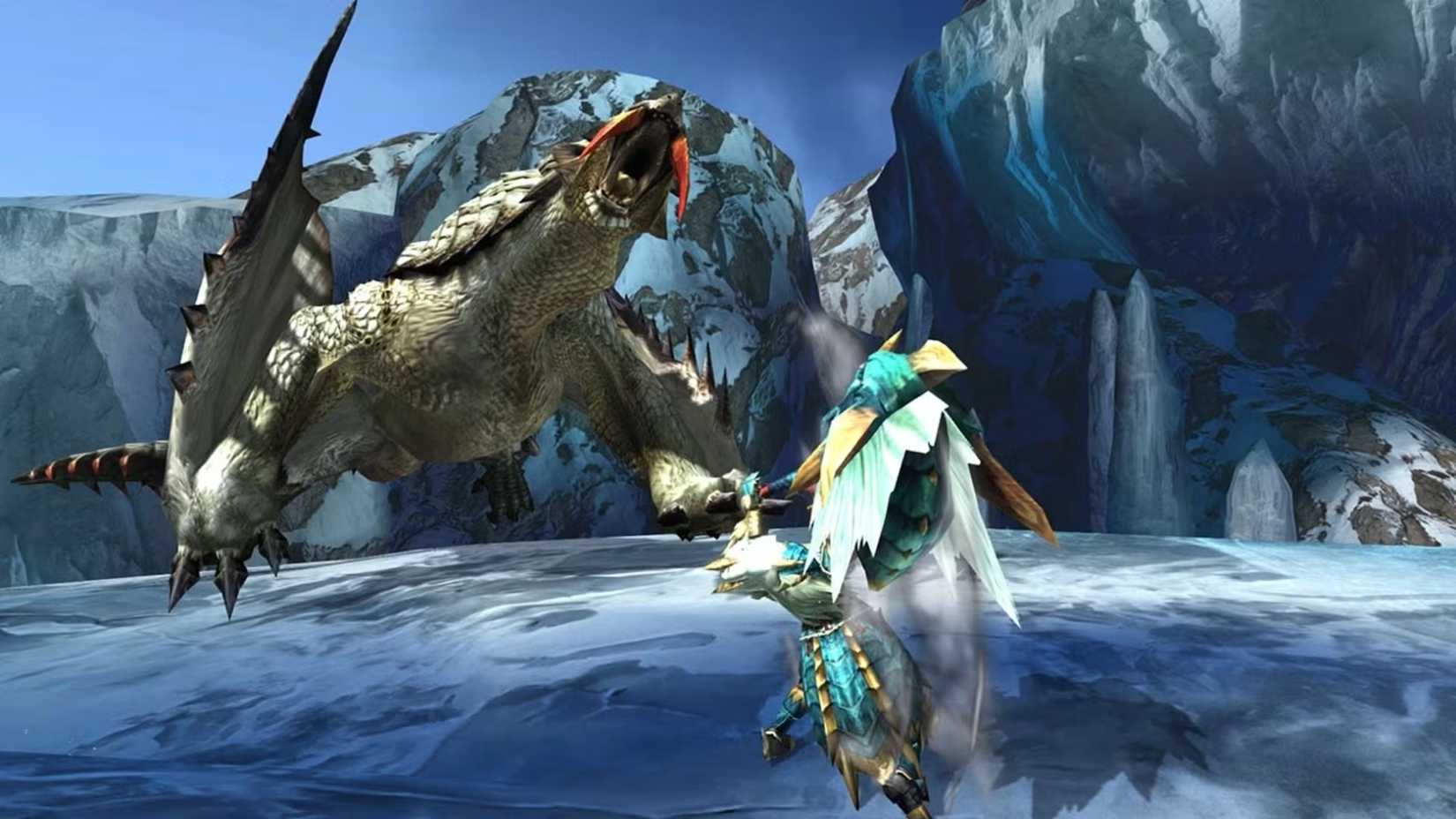
8. Monster Hunter Generations (July 15, 2016)
Before the franchise achieved its current status as a household name in the West, Monster Hunter Generations served as a masterclass in the series’ core loop. By refining the combat mechanics and introducing specialized "Hunting Styles," Capcom created a title that celebrated the franchise’s history while welcoming newcomers. It acted as a vital bridge, keeping the flame alive for dedicated hunters and setting the stage for the massive success of later entries.
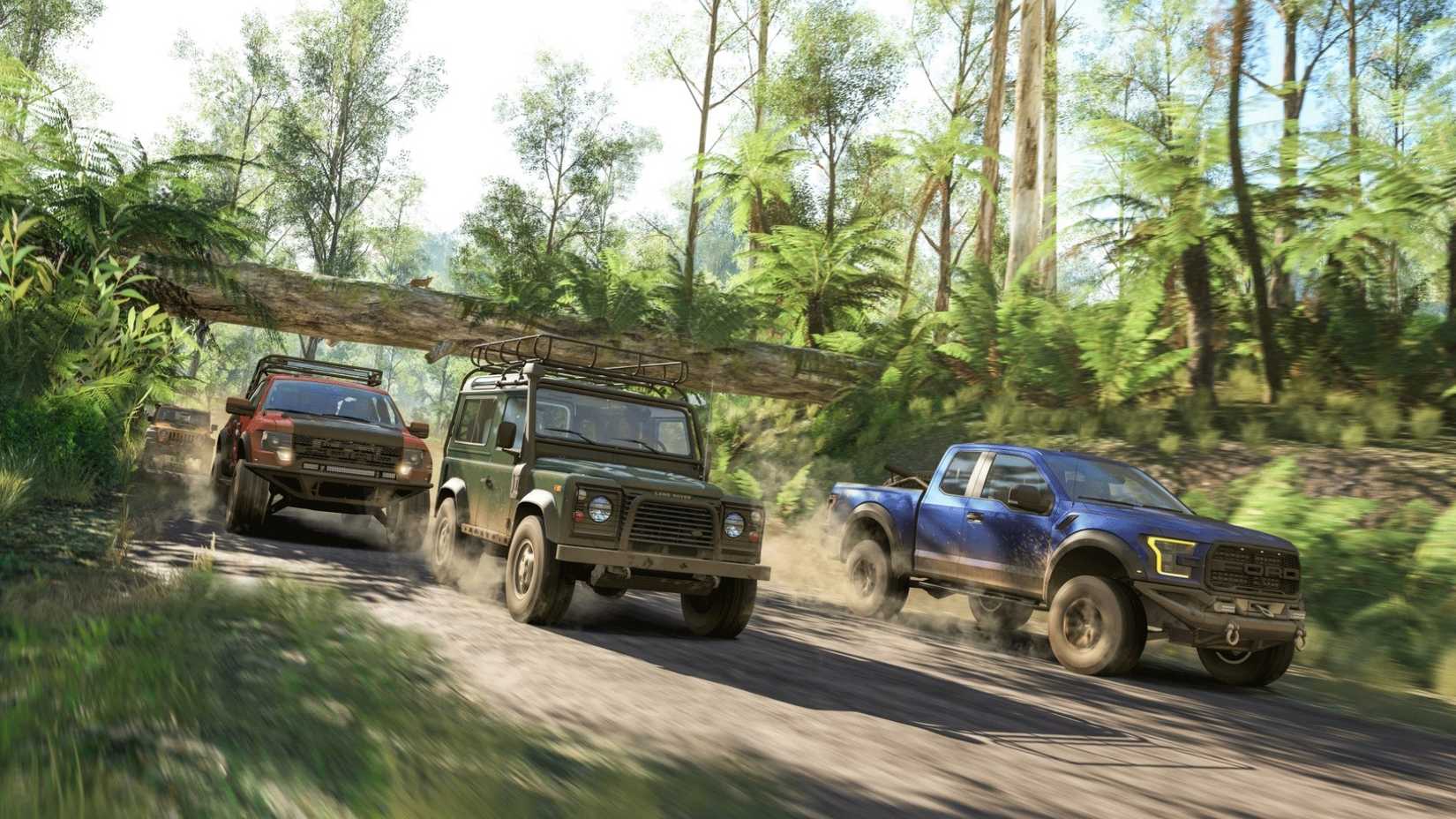
7. Forza Horizon 3 (September 27, 2016)
While late September marks the end of the summer season, Forza Horizon 3 redefined the racing genre’s expectations for open-world design. Set in the breathtaking, diverse landscapes of Australia, it offered a level of freedom that few racing games had ever attempted. The game’s ability to blend arcade-style accessibility with deep simulation elements made it a benchmark for the genre—a title that remains a "gold standard" for open-world driving today.
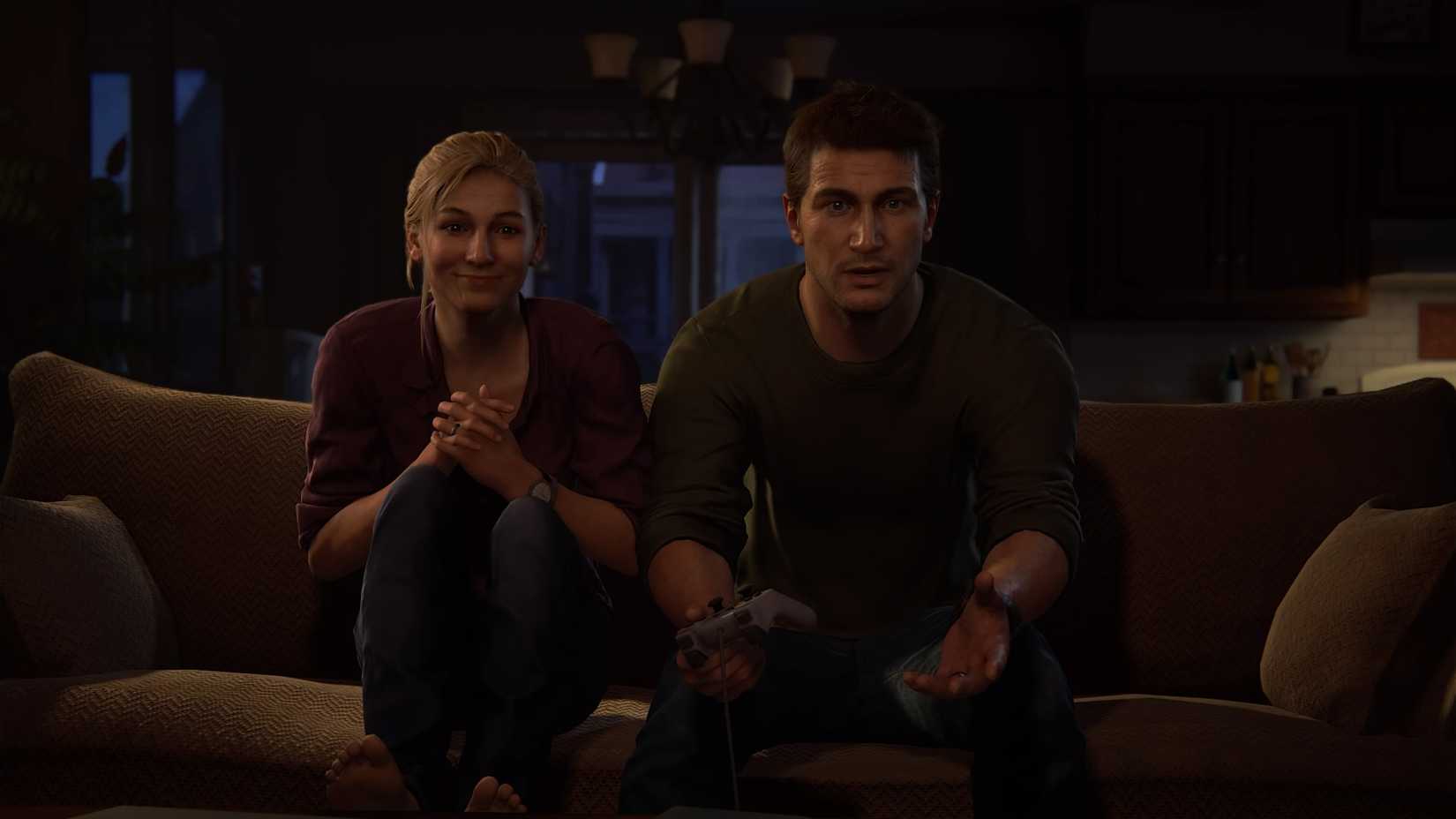
6. Uncharted 4: A Thief’s End (May 10, 2016)
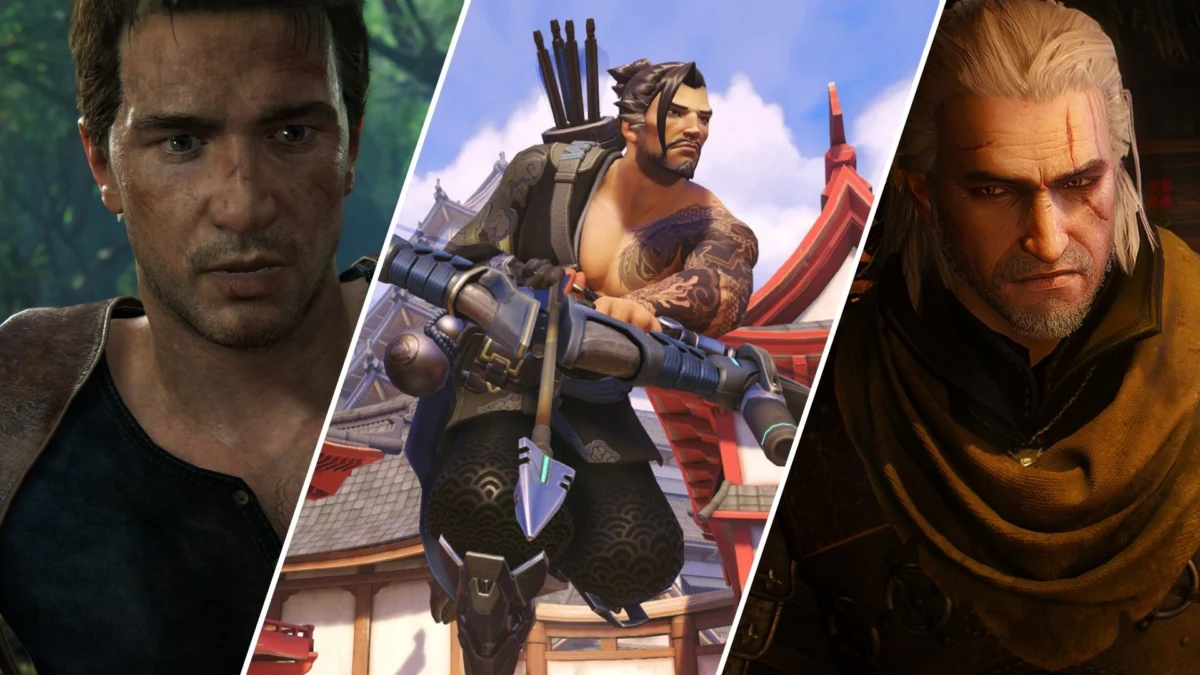
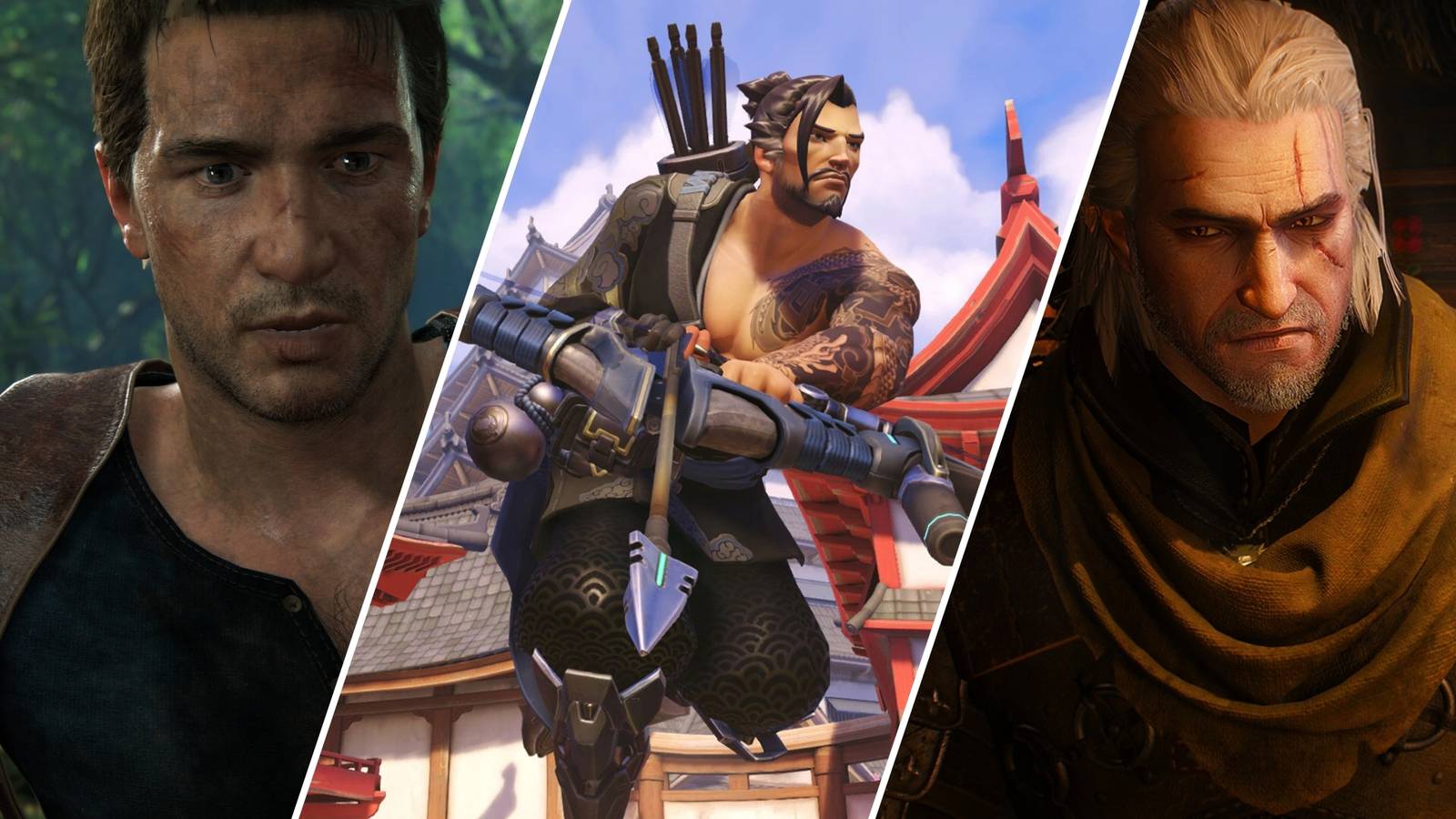
Naughty Dog’s final outing for Nathan Drake was more than just a video game; it was a cinematic send-off for an entire era of action-adventure gaming. Despite the introduction of a controversial plot point—the long-lost brother, Sam—the game’s emotional depth and technical fidelity set a new bar for the PlayStation 4 generation. Uncharted 4 proved that linear, story-driven games could still be the most compelling experiences on the market.
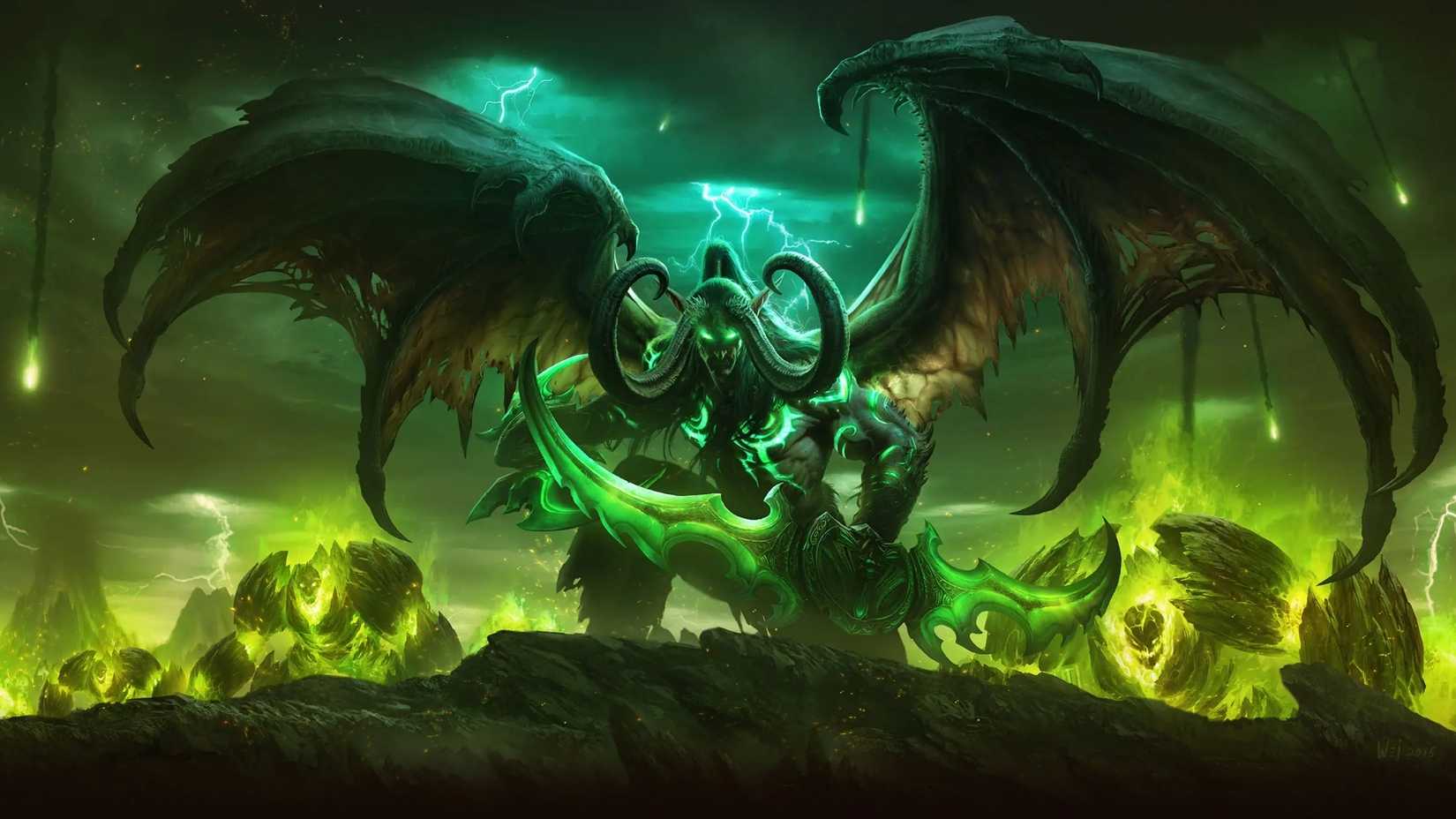
5. World of Warcraft: Legion (August 30, 2016)
Often cited as one of the best expansions in the history of the MMORPG giant, Legion brought the Burning Legion back to the forefront of Azeroth’s conflict. It introduced fundamental changes to the game’s loop, including the Mythic+ dungeon system and the Demon Hunter class. Legion showed that even a decade-old game could reinvent itself to maintain its dominance in the competitive online space.
4. Overwatch (May 24, 2016)
It is difficult to overstate the impact of Overwatch at its launch. Blizzard’s foray into the hero-shooter genre was nothing short of revolutionary. By emphasizing unique character identities, diverse kits, and a team-based objective structure, Overwatch effectively birthed a new sub-genre. For years, it was the focal point of esports, digital media, and pop-culture fan art, changing the expectations for how multiplayer games should be supported and balanced.
3. The Witcher 3: Wild Hunt (May 19, 2015/Extended 2016 Impact)
Though technically released in May 2015, the massive cultural impact of The Witcher 3 hit its zenith throughout 2016 as players delved into its expansions, Hearts of Stone and Blood and Wine. It forced the entire industry to reconsider the quality of "side-quests," proving that narrative density was just as important as the size of the map.
2. Inside (June 29, 2016)
Playdead’s follow-up to the iconic Limbo remains a landmark for indie development. Inside utilized minimalist storytelling and environmental puzzles to deliver a haunting, unforgettable narrative. It proved that a 3-hour experience could hold more artistic weight than a 100-hour AAA game, cementing the indie sector’s place at the table of "prestige" gaming.
1. Pokémon GO (July 6, 2016)
The undisputed heavyweight of the summer of 2016. Pokémon GO did the impossible: it turned the entire world into a game board. By leveraging augmented reality (AR) and the immense nostalgia of the Pokémon brand, Niantic brought millions of people out into the streets. It was a social phenomenon that transcended gaming, creating a shared global experience that bridged the gap between digital interaction and physical activity.
Supporting Data: Why 2016 Was Unique
The success of these titles was not accidental. Data from 2016 reveals a massive spike in concurrent user engagement across platforms like Steam and the PlayStation Network. Pokémon GO, for instance, reached over 500 million downloads within its first year, fundamentally shifting mobile gaming revenue projections. Similarly, the "Mighty" ratings (as tracked by aggregators like OpenCritic) across this list indicate a period where quality assurance and player satisfaction were at an all-time high.
Implications for the Modern Industry
The primary implication of the 2016 "Summer of Greatness" is the democratization of the release schedule. Developers no longer fear the summer months; in fact, many now embrace them as a time to avoid the crowded, competitive noise of the late-year holidays.
Furthermore, these titles showcased the longevity of games as services. World of Warcraft: Legion and Pokémon GO proved that a game is not finished at launch—it is only just beginning. The industry’s shift toward continuous content updates, live events, and long-term community management can be traced back to the lessons learned during this specific, high-water mark year.
Conclusion
As we look back at these nine titles, we are reminded of why we play. Whether it is the tactical depth of Overwatch, the emotional resonance of Uncharted 4, or the communal joy of Pokémon GO, these games have earned their place in the pantheon of history. They remind us that the best games don’t just occupy our time—they become part of our lives, our friendships, and our shared culture. Happy 10th anniversary to the icons of 2016.











No comments yet. Be the first to join the conversation!