

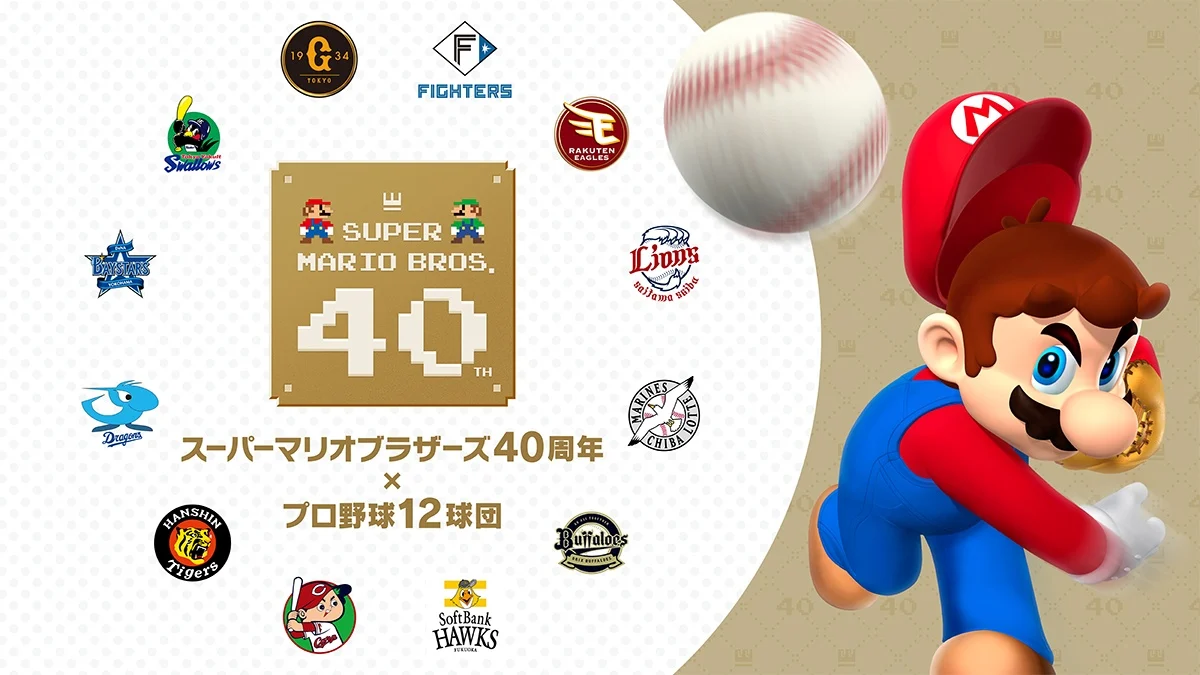
While his resume boasts decades of saving the Mushroom Kingdom, navigating treacherous lava pits, and outsmarting interdimensional turtles, Mario—Nintendo’s iconic plumber—has recently pivoted toward a career in professional sports. On May 6, 2026, the global gaming icon traded his signature red cap for a pitcher’s mound, taking center stage at Yokohama Stadium as part of a sweeping, nationwide partnership between Nintendo and Nippon Professional Baseball (NPB).
The Main Facts: A Nintendo Takeover at Yokohama Stadium
The intersection of digital fantasy and professional athletics reached a fever pitch on May 6 when the Yokohama DeNA Baystars hosted the Hiroshima Carp. However, the game was secondary to the spectacle provided by the special guest of honor: Mario himself. As part of a collaborative effort to bridge the gap between video game culture and Japan’s deeply rooted baseball fandom, Nintendo orchestrated a sensory-rich takeover of the ballpark.
The highlight of the event was undoubtedly the ceremonial opening pitch. As the stadium lights dimmed and the classic, nostalgia-inducing orchestral themes of Super Mario Bros. echoed through the arena, the mascot emerged to thunderous applause. While the pitch itself—a bouncy, low-trajectory toss—failed to graze the strike zone, fans were quick to defend the plumber’s form. In a display of meta-commentary, observers noted that Mario’s pitch perfectly mimicked the physics of his trademark fireballs, which typically bounce along the ground after a short flight.
Beyond the mound, the stadium underwent a thematic transformation. The most striking aesthetic changes were the bases, which had been replaced by oversized, yellow Question Blocks. This attention to detail ensured that every play at the bag felt like a level-up, bringing a tangible, tactile element of the Super Mario franchise into the heart of the diamond.
Chronology of the Event
The events of May 6 were the result of months of meticulous planning between the Baystars and Nintendo. The schedule for the day was structured to maximize fan engagement across all touchpoints of the stadium experience:
- Pre-Game Anticipation (1:00 PM – 4:00 PM): Fans arriving at the stadium were greeted by the "Basegate" entertainment complex, where Mario, Luigi, and Princess Peach held a series of high-energy meet-and-greet sessions. These photo opportunities drew massive queues, proving that the cross-generational appeal of Nintendo remains as potent as ever.
- The Ceremonial Opening (5:45 PM): The atmosphere shifted as the stadium’s cheerleading squad, Diana, took the field wearing custom-designed Toad caps. The crowd’s energy reached a crescendo as Mario walked onto the field.
- The Pitch (5:55 PM): Mario’s delivery occurred just minutes before the official first pitch. The video of the event, which has since gone viral on social media platforms like X, captures the playful, slightly clumsy, yet quintessentially "Mario" nature of the throw.
- The Game (6:00 PM – 9:30 PM): The match proceeded, though the results were arguably a "Game Over" for the home team. The Hiroshima Carp dominated the Baystars with a decisive 10-0 victory, rendering the day a loss for the Yokohama faithful but a massive branding success for the Nintendo partnership.
Supporting Data: The Strategic Partnership
This event is not an isolated incident but a key component of a larger, systemic partnership announced in March 2026. The agreement stipulates that all 12 teams in the Nippon Professional Baseball league will host a "Mario-themed" game at least once throughout the 2026 season.
The collaboration is backed by significant marketing metrics. Data from the Yokohama Baystars’ official engagement channels indicate a 40% increase in social media mentions regarding the game day compared to an average weekday matchup. Furthermore, ticket sales for the May 6 game were completely sold out, a trend that organizers hope to replicate across the remaining NPB stadiums.
This initiative is a textbook example of "IP synergy." By integrating Nintendo’s intellectual property into the physical world, the league aims to attract a younger demographic—those who may be more accustomed to screens than stadium seats. By gamifying the baseball experience, the NPB is banking on the "Mario Effect" to rejuvenate attendance numbers for the mid-season slump.
Official Responses and Public Sentiment
The reaction from the public has been overwhelmingly positive, marked by a sense of whimsical nostalgia. Online, the conversation has been dominated by Nintendo enthusiasts praising the accuracy of the "Question Block" bases and the aesthetic consistency of the Toad-themed cheerleader outfits.
"It’s not often you see your childhood heroes stepping onto a professional mound," noted one attendee. "Even if he didn’t throw a strike, he threw a bit of magic into the stadium."
The Yokohama Baystars issued a statement via their official social media account shortly after the game. While acknowledging the disappointment of the 10-0 loss, the organization focused on the success of the promotional collaboration. "While we wish the scoreboard had reflected the excitement of the day, our partnership with Nintendo has brought a level of joy to Yokohama Stadium that we haven’t seen in years. The fans’ smiles are a victory in their own right," the statement read.
Nintendo has remained relatively quiet regarding the specifics of the partnership’s financial performance, but representatives have expressed satisfaction with the "real-world application" of their characters. The move aligns with Nintendo’s broader business strategy of expanding their brand presence through theme parks, film, and live events.
Implications: The Future of Sports and Gaming
The collaboration between Nintendo and the NPB carries significant implications for the future of sports marketing. We are currently witnessing a shift where traditional sports venues are being repurposed as "experience hubs." The integration of pop-culture icons into professional athletics creates a "hybrid entertainment" model that is increasingly difficult for modern audiences to ignore.
The Gamification of Professional Sports
If the success of the Mario/NPB partnership continues, we may see a trend of other gaming giants seeking similar avenues. Imagine Pokémon-themed tournaments in professional basketball arenas or The Legend of Zelda motifs during golf championships. This creates a feedback loop: gamers are incentivized to visit stadiums, and baseball fans are introduced to the nuances of gaming culture.
Economic and Cultural Impact
The economic impact of these events extends beyond ticket sales. Merchandising—ranging from limited-edition Baystars x Mario jerseys to Toad-cap memorabilia—represents a massive, untapped revenue stream for sports franchises. Culturally, these events signal a maturation of gaming as a primary cultural force in Japan. Mario is no longer just a digital mascot; he is a national celebrity, treated with the same reverence as a professional athlete.
The Risk of Oversaturation
However, there are risks to this strategy. Critics argue that over-commercializing professional sports with external branding could alienate traditional baseball purists. If the focus shifts too far toward the "show" and away from the "sport," the sanctity of the game may be called into question. Maintaining a balance—where the gimmick supports, rather than replaces, the competition—will be the primary challenge for the NPB in the coming months.
Conclusion: A Victory for Joy
Regardless of the lopsided score of the May 6 game, the integration of Nintendo into the NPB has undoubtedly succeeded in its primary goal: creating a memorable, joyous experience for the audience. As Mario continues his "tour" of Japanese baseball stadiums, he serves as a reminder that sports, at their core, are meant to be fun.
For the Yokohama Baystars, the night may have ended in a loss, but for the fans who witnessed a plumber take the mound in the heart of their city, the evening was a home run. As the 2026 season progresses, all eyes will be on the remaining stadiums to see how Nintendo continues to surprise its audience. One thing is certain: in the world of professional baseball, the game has officially been upgraded.












No comments yet. Be the first to join the conversation!