

The global gaming industry, a seemingly boundless realm of digital escapism, is not immune to the geopolitical currents that shape our world. Recent years have seen significant disruptions, from the persistent scarcity of next-generation consoles to the looming specter of trade disputes and the increasing cost of essential technological components. In this volatile landscape, a notable sentiment has emerged within Europe: a desire for greater independence from dominant American game engine providers like Epic Games’ Unreal Engine and Unity. This ambition has manifested in projects like "The Immense Engine," spearheaded by industry veterans. However, this push for self-sufficiency may be overlooking a powerful, already-established European contender: Godot Engine.
The Shifting Tides of Game Development: A Need for European Autonomy
The gaming industry’s reliance on a few major engine providers has created a significant dependency. This dependency became acutely apparent following the widespread supply chain issues that plagued the launch of the PlayStation 5, transforming the coveted console into a rare commodity. More recently, escalating demands from data centers have contributed to price increases across nearly every major gaming platform. These economic and logistical challenges underscore a broader vulnerability within the globalized tech sector.
In response to these pressures, a significant initiative has been launched by Arjan Brussee, co-founder of Guerrilla Games and a former technical director at Epic Games. Brussee’s vision, embodied in "The Immense Engine" project, aims to establish a robust, European-centric game engine. The stated goal is to insulate European game developers from potential trade wars and foster a more self-reliant industry. This ambition, while commendable, faces considerable hurdles, particularly in challenging the established dominance of existing engines and the nascent capabilities of its potential competitors.
"The Immense Engine": Ambitious Vision, Practical Challenges
Brussee articulated his vision in an interview with the Dutch podcast De Technoloog, highlighting what he perceives as limitations in current game engines. He argues that engines like Unreal Engine and Unity, while powerful, are designed with a certain user in mind – one who primarily interacts through menus and mouse clicks. This structure, Brussee suggests, can stifle creativity when developers require features not readily available, forcing them to await engine-wide updates. While his critique of the monolithic nature of some engine development holds merit, his proposed solution, "The Immense Engine," appears to overlook a significant, pre-existing European alternative.
The core of Brussee’s argument centers on the need for a European engine that is "made for and by" European developers, thereby avoiding entanglements in international trade conflicts. He also emphasizes the integration of Large Language Models (LLMs) as a key differentiator. The Immense Engine is reportedly focusing on LLM integration and European-based hosting, aiming to provide a more localized and AI-enhanced development experience.
However, the assertion that LLM integration is the panacea for engine development limitations is questionable. While AI tools are rapidly advancing, current models often lack the nuanced precision required for many aspects of game development. Furthermore, the promise of "full integration of AI" into an engine does little to address the fundamental need for a robust and flexible core engine that can support a wide range of game genres and complexities. If The Immense Engine cannot match the performance, feature set, and established workflows of its competitors, its European origin and AI focus may not be enough to sway developers.

Godot Engine: The Open-Source Dark Horse
The narrative presented by Brussee and echoed by some European media outlets seems to inadvertently sideline Godot Engine, a powerful, open-source game engine with strong European roots and a rapidly growing developer community. Developed in Argentina by Juan Lénizky and Ariel Manzur, Godot embraced open-source principles a decade ago, transforming into a formidable contender in the game engine landscape.
Unlike proprietary engines that operate under strict licensing agreements and corporate decision-making, Godot’s open-source nature offers unparalleled freedom and flexibility. Developers have the ability to delve into the engine’s source code, modify it to their specific needs, and contribute to its development. This level of access fundamentally bypasses many of the concerns Brussee raises about proprietary engines being dictated by corporate interests.
The significance of Godot’s open-source model cannot be overstated in the current geopolitical climate. Its decentralized development and open accessibility mean it is inherently less susceptible to the whims of international trade policies or the sudden, potentially detrimental business decisions of a single corporation. For European developers seeking genuine independence and control over their tools, Godot represents a tangible solution.

The "Unity Trauma" and the Rise of Open Alternatives
The recent past has provided developers with a stark lesson in the precariousness of relying on proprietary software. Unity, once a darling of indie developers, experienced a significant backlash in late 2023 when it announced plans to implement a controversial runtime fee based on game installations. This move, perceived as a betrayal of the developer community that had built its success on the engine, triggered widespread outrage and a mass exodus of developers considering alternative solutions.
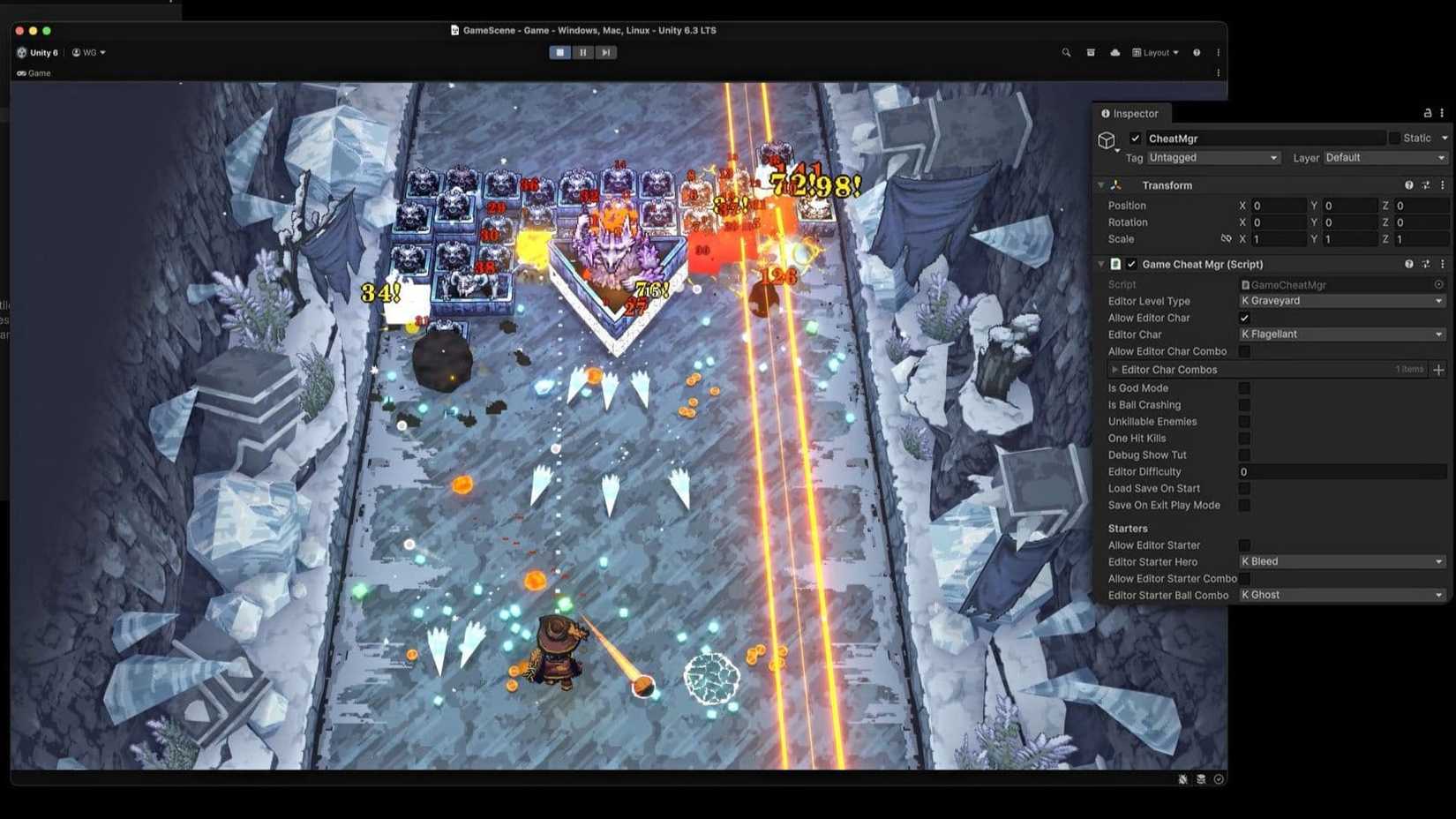
While Unity eventually backtracked on the most egregious aspects of its fee structure, the damage to its reputation was substantial. This "Unity trauma" has accelerated the adoption of Godot, particularly among developers who prioritize stability, transparency, and a collaborative development model. Despite a steeper learning curve for its scripting language, GDScript, and a comparatively smaller ecosystem of third-party libraries, Godot’s core tenets of openness and community-driven development offer a compelling alternative. The success of titles like Slay the Spire 2, built on Godot, further solidifies its position as a viable and increasingly popular choice for game development.
The European Advantage: Godot vs. The Immense Engine
When evaluating the landscape of European game engine development, "The Immense Engine" and Godot Engine present starkly different approaches and promise different outcomes. Brussee’s project, while aiming for European independence, appears to be doubling down on proprietary development with a focus on LLM integration. This strategy, while potentially innovative, risks replicating the very dependencies it seeks to escape, especially if the core technology or essential tools remain reliant on external services or proprietary frameworks.
Godot, on the other hand, embodies a philosophy of true openness and community empowerment. Its decentralized nature, driven by contributions from a global network of developers, including a significant European contingent, makes it inherently resilient and adaptable. It offers European developers a platform that is not only free from external corporate control but also actively shaped by their collective needs and innovations.
The argument for "The Immense Engine" rests on its potential for advanced AI integration and European hosting. However, as noted, the current state of LLMs may not yet justify this as a primary differentiator. Moreover, if the engine’s tools and supporting infrastructure are not fully localized and accessible, its European origin becomes less impactful.
Implications for the Future of European Game Development
The aspiration for European game engine independence is a valid and important one. The reliance on American-dominated platforms poses long-term risks to the region’s creative and economic sovereignty in the digital age. However, the path to achieving this independence is crucial.
"The Immense Engine" represents a top-down, corporate-driven approach, which, while potentially capable of producing impressive results, carries the inherent risk of future corporate decisions dictating its trajectory. It seeks to build something new to solve existing problems.
Godot Engine, conversely, represents a bottom-up, community-driven revolution. It has already established a significant foothold, offering a mature, flexible, and truly open-source solution. Its European developers are not merely users but active participants in its evolution. By embracing and further developing Godot, Europe can leverage an existing, robust engine that already aligns with its goals of autonomy and innovation.
For European developers seeking to create games with a sense of independence and resilience, the choice is becoming increasingly clear. While "The Immense Engine" embarks on its ambitious journey, Godot Engine is already here, providing the tools and the freedom to build the future of European gaming, free from the constraints of proprietary control and geopolitical uncertainty. The true challenger for European game engine independence might not be a nascent project, but an engine that has been quietly building its strength and community for years.

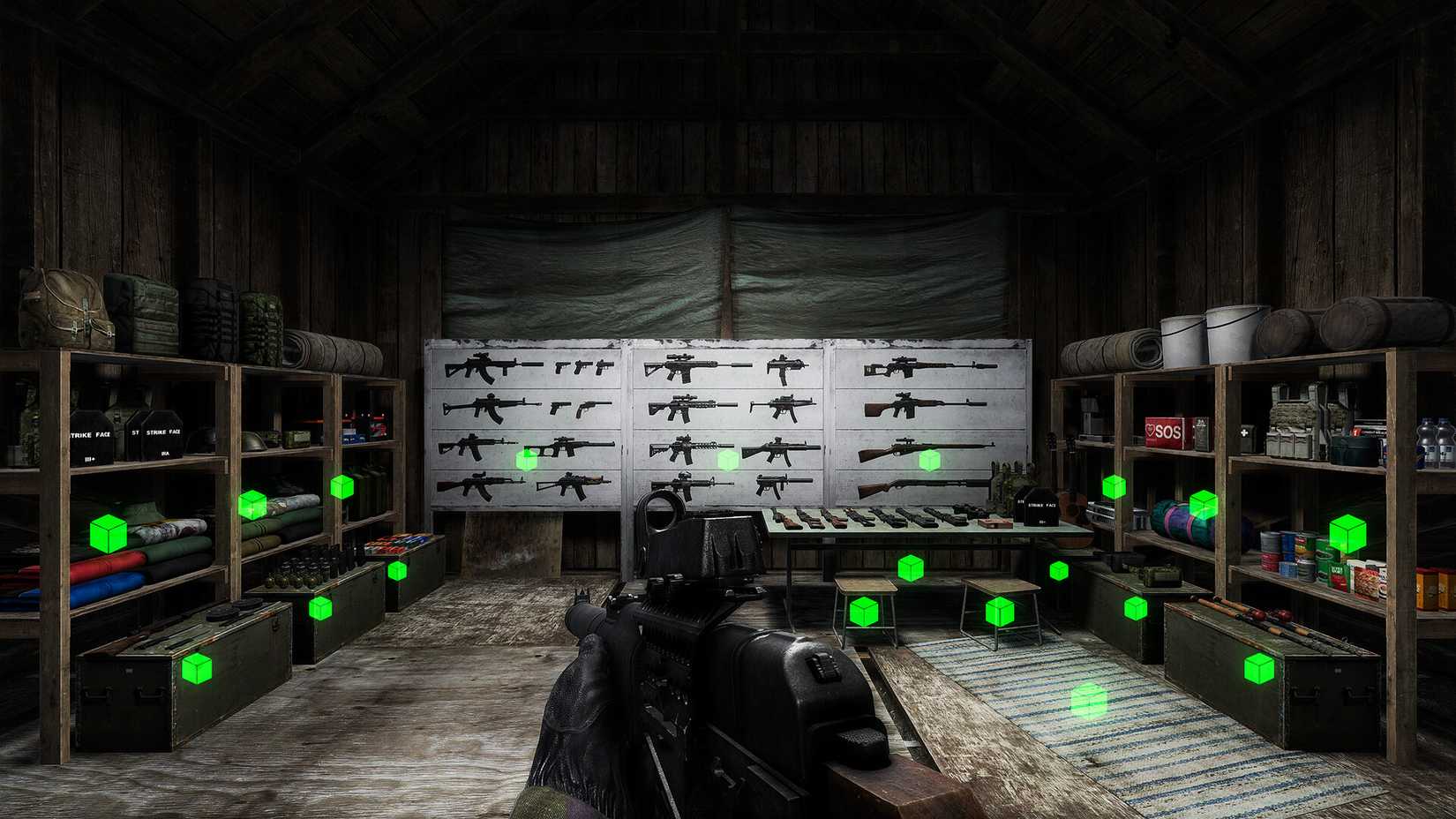
For those eager to experience games developed with a European spirit and an open-source ethos, titles like the Finnish survival shooter Road to Vostok offer a compelling glimpse into this emerging landscape. With 85% positive reviews on Steam, it provides a gritty, single-player experience reminiscent of Escape From Tarkov, but without the competitive pressures, showcasing the potential of games built on robust, community-driven platforms.











No comments yet. Be the first to join the conversation!