

Japan is frequently categorized by international observers as a staunchly conservative nation, a country defined by the long-standing hegemony of the Liberal Democratic Party (LDP) and a culture resistant to radical systemic shifts. However, this narrative often overlooks the vibrant, enduring, and historically significant threads of leftist activism that persist beneath the surface. From the militant student movements of the 1960s and 70s to the contemporary, relentless advocacy of feminist organizations, the Japanese political spectrum is far more nuanced than the "conservative" label suggests.
Perhaps the most compelling counter-narrative to the idea of a monolithic conservative Japan is the Japanese Communist Party (JCP). As the largest democratically elected communist party within the G7, the JCP maintains a unique position. With roughly 250,000 dues-paying members and a formidable network of over 2,180 elected officials nationwide, it represents a substantial, if often marginalized, political force. Notably, the party leads the nation in gender equality, with 43% of its elected officials being women.
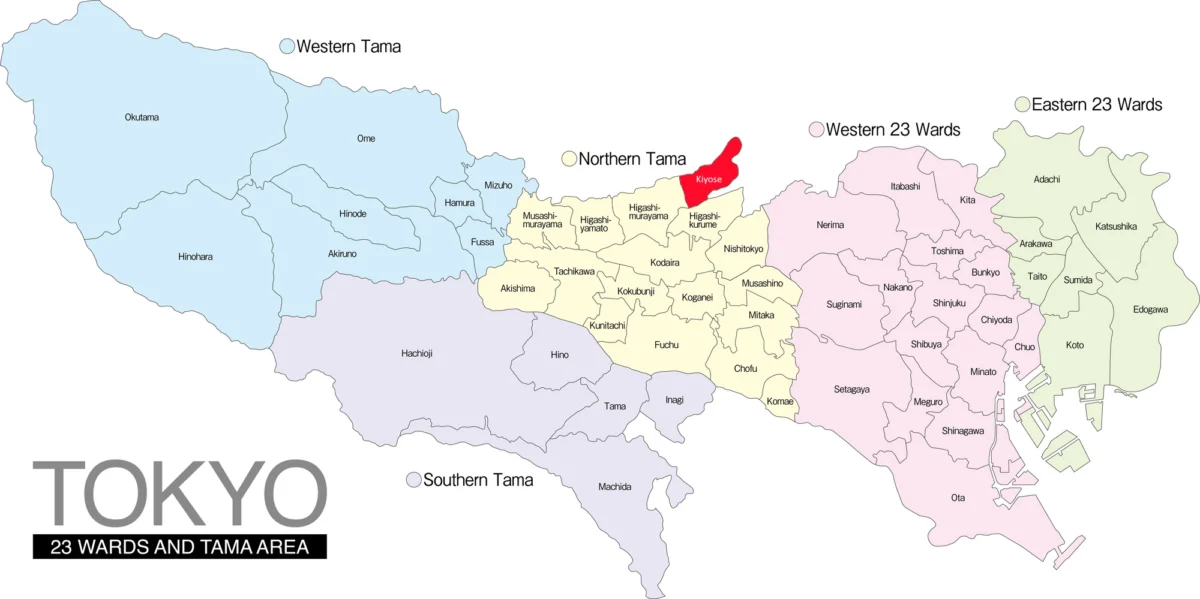
Yet, in a recent, surprising development, the JCP has expanded its executive footprint. The election of 50-year-old independent Harada Hiromi as the mayor of Kiyose, a city of 77,000 in northern Tokyo, has sent shockwaves through the local political establishment. The catalyst for this victory was not a grand ideological debate, but a visceral, grassroots reaction to a local government proposal to shutter four of the city’s six public libraries.
The Catalyst: A War on Community Infrastructure
The dispute in Kiyose centers on the vital role of public libraries in an era of rapid societal change. In Japan, where the population is aging at an unprecedented rate, libraries have evolved beyond mere repositories of books. They function as essential "third spaces"—hubs for social interaction, cooling centers during increasingly brutal summers, and critical resources for maintaining cognitive health among the elderly.
Research conducted by Kyoto University has quantified the impact of these institutions, revealing that the presence of libraries is directly correlated with a reduction in functional impairment among the elderly. Specifically, the data suggested that each additional library facility within a municipal boundary could reduce rates of functional impairment by as much as 48%.
When former Mayor Shibuya Keishi’s administration announced plans to slash the city’s library network by two-thirds, the move was met with immediate, widespread public outcry. The decision, framed by officials as a necessary austerity measure, was perceived by residents as a direct attack on their social safety net. This friction point transformed a mundane municipal administrative decision into a rallying cry for political change.
A Chronology of the Kiyose Uprising
The road to the mayoral election was defined by a series of escalating tensions between the city’s bureaucracy and its citizenry.
Phase 1: The Austerity Proposal
In late 2025, the Shibuya administration unveiled a "fiscal optimization" plan. Citing budget deficits and the need to streamline municipal services, the plan proposed the consolidation of library services and the closure of four specific neighborhood branches.
Phase 2: Grassroots Mobilization
Local residents, spanning diverse political affiliations, organized protests. What began as small petitions quickly grew into town hall meetings where the emotional and practical value of the libraries was articulated. Groups like the "Kiyose Library Defense Committee" began tracking the city’s spending, arguing that the closures were not about fiscal necessity but about the marginalization of public services in favor of less essential infrastructure projects.
Phase 3: The Endorsement of Harada Hiromi
As the political vacuum widened due to the public’s loss of faith in the incumbent, the JCP recognized an opportunity. While the party has a robust local presence, it often struggles to capture the mayoral seat. They threw their weight behind Harada Hiromi, an independent candidate who campaigned on a platform of "community-centered governance."
Phase 4: The Election and Victory
The election was widely characterized as a referendum on the library closures. Voters who had historically backed conservative or centrist candidates crossed party lines, driven by the belief that the current leadership had lost touch with the immediate needs of the community. Harada’s victory was not merely a win for the JCP; it was a testament to the power of single-issue mobilization in local Japanese politics.
![[Insider] How Library Closures Helped Japan’s Communists Elect a New Mayor](https://media.unseen-japan.com/wp-content/uploads/2026/05/Communist-affiliated-mayor-wins-in-Kiyose.jpg)
The State of the Japanese Communist Party (JCP)
To understand the significance of the Kiyose election, one must evaluate the JCP’s current standing. For decades, the party was synonymous with Shii Kazuo, who served as the party leader from 2000 until 2024. His long tenure was eventually viewed by many within the rank-and-file as a bottleneck, hindering the party’s ability to evolve and adapt to a modern, digital-first political environment.
The pressure for renewal culminated in 2024, when Shii stepped down to make room for Tamura Tomoko, the party’s first female leader. This leadership transition was a strategic pivot intended to rejuvenate the party’s appeal among younger voters and urbanites.
Despite this, the party’s national trajectory remains difficult. In the February 2026 general election, the JCP lost four Lower House seats, leaving them with only four of 465 seats in the powerful Lower House and seven in the Upper House. This reality dictates the party’s strategy: when national influence is limited, the party must leverage local power. By winning mayoral seats like that in Kiyose, the JCP is attempting to build a "bottom-up" model of governance, demonstrating that their policies—when applied to municipal management—can produce tangible, popular results.
Data-Driven Governance: Why Libraries Matter
The Kiyose incident is emblematic of a broader tension in Japanese municipal governance. Local governments are increasingly forced to manage shrinking tax bases while navigating an aging demographic profile.
According to data from the Japan Library Association, while the number of libraries in Japan has stabilized, there is significant regional disparity in funding. In municipalities where library budgets have been slashed, there is a measurable decline in community-based civic engagement. The Kiyose case study is now being cited by urban planners across the country as a cautionary tale: when a government attempts to strip away the social infrastructure that keeps an aging population connected, it risks triggering a political backlash that can topple incumbents.
Official Responses and Political Implications
The defeat of the incumbent in Kiyose has left the local LDP chapter in a state of disarray. Official statements from the former administration emphasized that the "financial reality of the city necessitated a difficult decision," yet these explanations failed to resonate with a public that viewed the library closures as a loss of identity.
Harada Hiromi, now installed as mayor, has moved quickly to freeze the closure plans. Her administration has promised to audit the city’s budget to find alternative savings, signaling a shift toward more transparent, consultative governance.
For the JCP, the victory is a blueprint. By focusing on "life-sized politics"—issues that affect the daily lives of citizens, such as school lunches, library access, and elderly care—the party is finding ways to bridge the gap between its ideological roots and the practical concerns of the modern Japanese voter.
Conclusion: The Future of Grassroots Activism
The Kiyose election highlights a fundamental truth about contemporary Japan: voters are becoming increasingly pragmatic. The ideological labels of "Communist" or "Conservative" matter less to the average citizen than the functionality of their local services.
The success of Harada Hiromi represents a potential shift in how the JCP approaches local elections. If the party can continue to position itself as the defender of public infrastructure and the advocate for community-focused local policy, it may find a path to relevance that has eluded it at the national level.
As Japan navigates the challenges of a shrinking population and a changing social landscape, the fight for the local library in a northern Tokyo suburb serves as a powerful reminder that in a democracy, the most significant political movements often start with the most basic of community needs. Whether this victory is an anomaly or the beginning of a broader trend will depend on how the JCP manages its new responsibilities in Kiyose and whether it can translate this "library-first" energy into a sustainable, nationwide political strategy.












No comments yet. Be the first to join the conversation!