Asro
Asro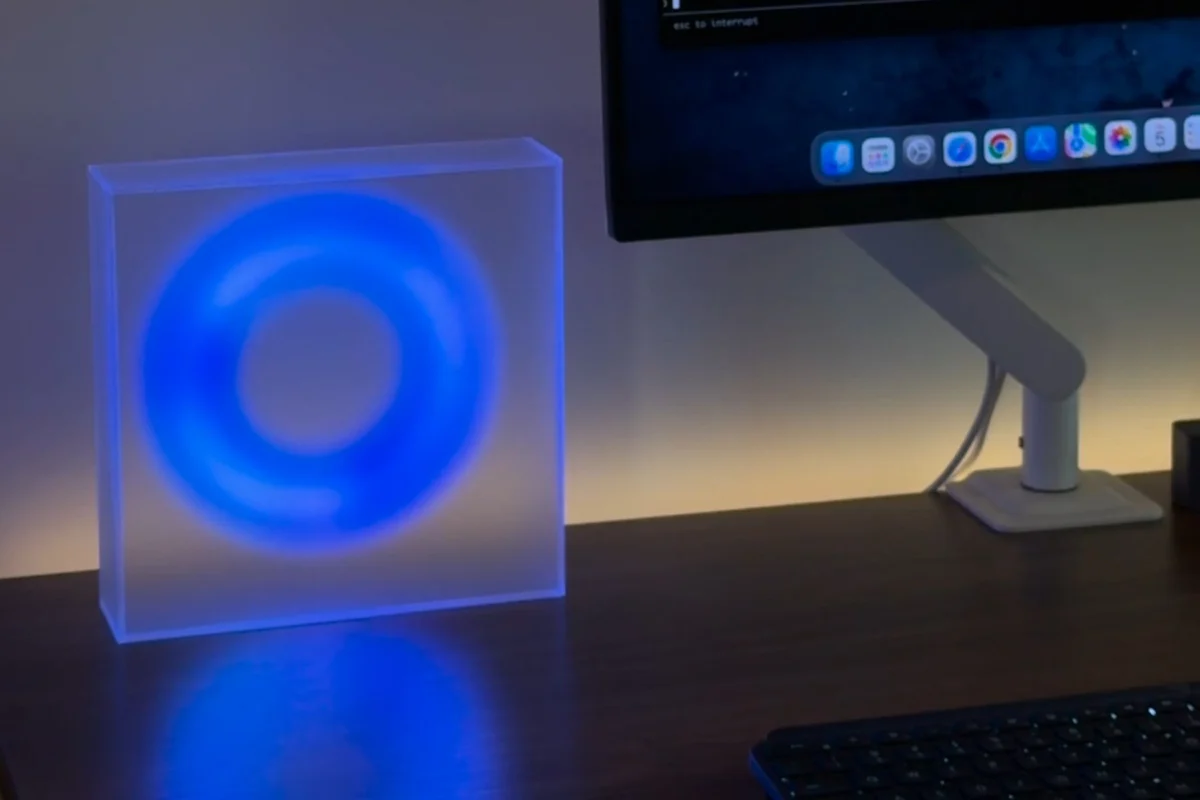
In the rapidly evolving landscape of AI-assisted software development, tools like Claude Code have become indispensable. By enabling large language models to interact directly with terminal environments, developers can automate complex refactoring, debugging, and project scaffolding. However, as any developer knows, these AI agents often require significant processing time to "think" or execute multi-step tool sequences. This period of latency—often spent staring at a blinking cursor—has birthed a new trend: ambient status monitoring.
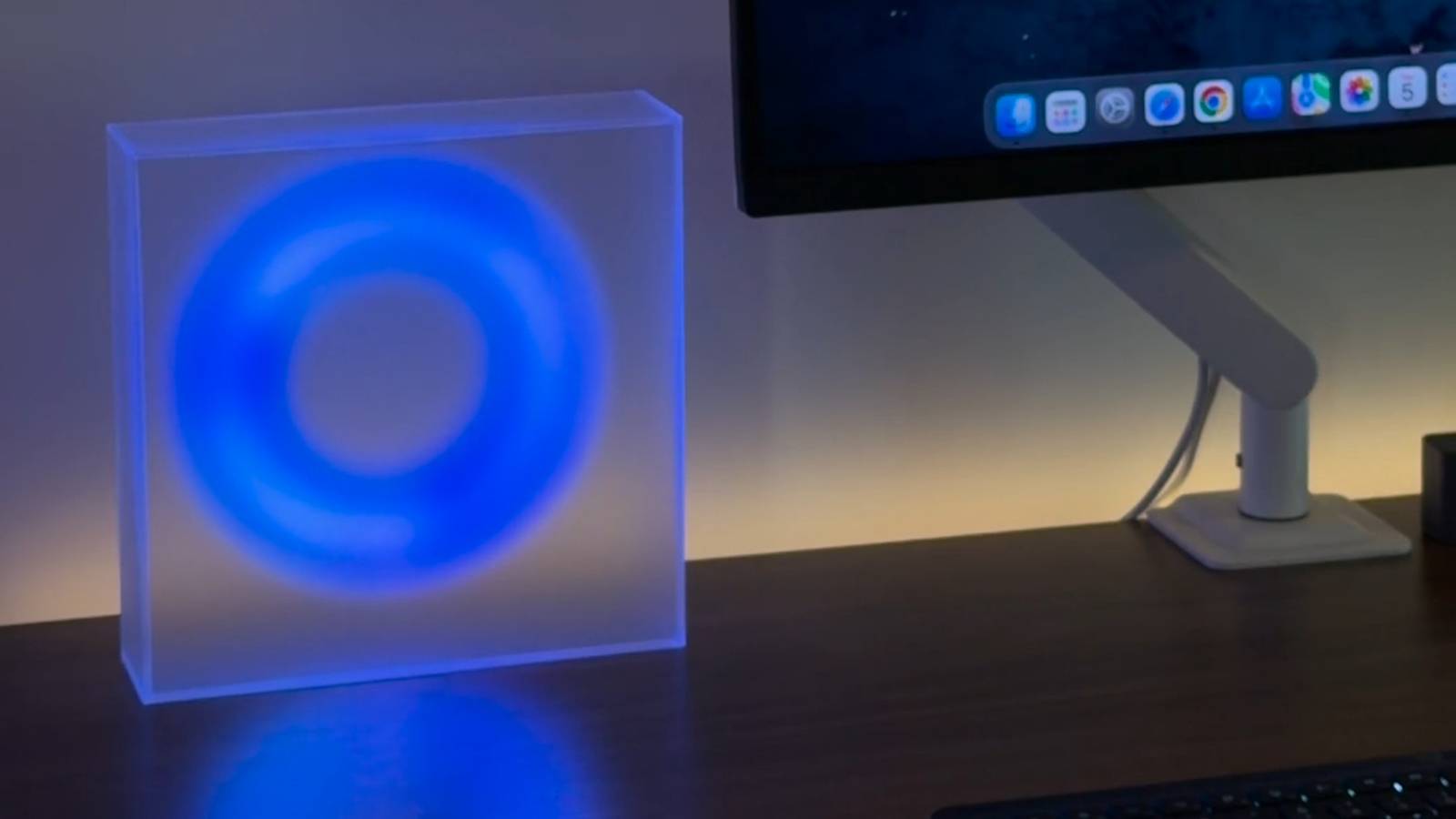
A burgeoning community of DIY enthusiasts is now transforming desktop lighting into sophisticated AI status indicators. The most prominent example, recently popularized by a Reddit project from user "MoutainSnow," involves repurposing Moonside LED hardware to provide real-time, at-a-glance updates on a Claude Code session’s status.
The Core Concept: Bridging the Digital and Physical
At its heart, the "Claude Lamp" project is about cognitive load reduction. When a developer triggers a complex task—such as writing a suite of unit tests or migrating a legacy codebase—the terminal window often becomes a wall of text. While informative, this text requires active engagement to monitor. By offloading this information to a physical light source, the developer can step away from the monitor, grab a coffee, or attend to a secondary task, all while maintaining a peripheral awareness of the AI’s progress.
The project utilizes the Moonside ecosystem—a series of smart LED lamps known for their robust API support and customizable color profiles. By tapping into the communication bridge between the Claude Code terminal instance and the hardware, the script acts as a real-time monitor of the AI’s internal states.
Chronology of the Mod
The journey of the Claude Lamp began in the fringes of the developer community, where users sought ways to integrate their physical smart-home hardware with their terminal-based workflows.
- Early 2026: As Claude Code gained traction, developers began experimenting with terminal notifications. Simple scripts were written to trigger OS-level alerts, but these proved intrusive, often interrupting focus rather than aiding it.
- April 2026: Initial attempts to map terminal output to local RGB lighting began appearing on GitHub. Early versions were rudimentary, relying on simple "on/off" toggles triggered by terminal execution events.
- May 2026: The project reached a level of maturity when developer "bobek-balinek" published a comprehensive repository titled "Claude Lamp." This provided a standardized protocol for Moonside devices, allowing for distinct color states based on specific AI behaviors.
- Present Day: The project has moved from a niche experiment to a widely discussed modification in developer subreddits, with users sharing custom "themes" for their lamps that match their specific IDE color schemes.
Technical Breakdown: How it Communicates
The effectiveness of the mod relies on a sophisticated mapping of terminal activity to visual outputs. The system utilizes the following state logic:
| State | Visual Indicator | Logic Trigger |
|---|---|---|
| Working | BEAT2 Theme (White/Navy) | Prompt submitted, tool use initiated, long-running processes |
| Idle | Solid Sunset Mango | Claude has completed the task; session is ready for next input |
| Needs Input | Solid Purple | Permission request, plan approval, or clarification required |
| Off | LED Disabled | Session terminated or terminal process closed |
The technical implementation, as detailed by bobek-balinek, relies on Bluetooth Low Energy (BLE) communication. By leveraging the CoreBluetooth framework on macOS, the script intercepts the data stream between the Claude Code agent and the local machine. This is crucial because it allows the lamp to remain synchronized with the AI without adding significant overhead to the CPU, ensuring that the developer’s workflow remains performant.
Supporting Data: Why Ambient Feedback Matters
The shift toward ambient computing in software engineering is supported by human-computer interaction (HCI) research. Studies suggest that "peripheral awareness"—the ability to track the state of a system without direct focus—reduces the "context-switching cost" for developers.
When a developer is forced to Alt-Tab to check if a terminal process has finished, the cognitive cost is high. They must re-orient themselves to the terminal, parse the logs, and then return to their coding environment. By using a peripheral light, the brain processes the status as a low-level background task. If the lamp is "Sunset Mango," the developer knows the AI is ready. If it shifts to "Purple," they are signaled to return to the machine to provide the necessary authorization or feedback.
Furthermore, the data suggests that these projects foster a sense of "AI as a coworker." By giving the AI a physical presence in the room, developers report a higher degree of trust and comfort in delegating tasks to the agent.

Official Responses and Developer Perspectives
While Anthropic (the creators of Claude) has not officially commented on third-party hardware integrations, the open-source community has been overwhelmingly positive. The primary developer behind the "Claude Lamp" project, bobek-balinek, has emphasized that the project is intended to be an evolving standard.
"The goal," notes the project’s documentation, "is not just to have a cool light, but to create a universal language for AI agent states."
However, there are professional caveats. Some developers have raised concerns regarding the proprietary nature of the hardware. Currently, the mod is largely locked to the Moonside Halo and its siblings. Critics argue that for such a tool to become a staple in professional environments, it needs to be "hardware agnostic"—capable of running on standard smart bulbs like Philips Hue or Govee via standard APIs like Matter or HomeKit.
Implications for the Future of AI Development
The rise of the Claude Lamp is a microcosm of a larger trend: the "physicalization" of AI. As we move toward a future where autonomous agents manage more of our digital infrastructure, the need for physical feedback loops will only increase.
1. The Death of the "Black Box"
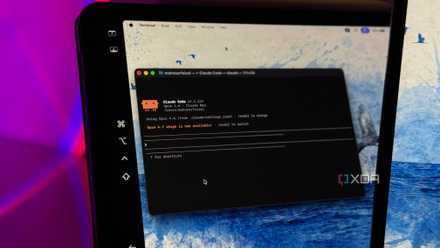
One of the biggest criticisms of current LLM-driven coding tools is that they function as "black boxes"—you send a prompt, and you wait until something happens. Visual status indicators represent the first step in making these black boxes transparent. By visualizing the "thought" process of the agent, developers feel more in control of the final output.
2. Standardization of Agent States
If the community continues to coalesce around specific color-coding schemes (e.g., Purple for "Permission Required"), we may see the emergence of a standardized UX for AI agents. This could eventually lead to IDE plugins that natively support physical device integration, moving beyond the need for custom GitHub scripts.
3. The Hardware Ecosystem
The success of the Moonside mod proves there is a market for "AI-aware" hardware. We are likely to see peripheral manufacturers release smart office lighting designed specifically for AI status monitoring, with out-of-the-box support for platforms like Claude Code, GitHub Copilot, and Cursor.
Conclusion: A New Era of Desk Ergonomics
The "Claude Lamp" is more than just a novelty; it is a testament to the creativity of the developer community and the growing integration of AI into our physical workspaces. While it currently requires a bit of technical tinkering—and is currently limited primarily to the macOS ecosystem—the underlying concept is sound.
As we spend more hours collaborating with AI agents, the boundary between the digital terminal and the physical desk will continue to blur. By externalizing the "thought process" of our AI tools, we are not only reclaiming our time and focus but also fundamentally changing how we interact with the software we build. Whether or not this becomes a standard industry practice, for those currently using Claude Code, the "Sunset Mango" glow of an idle session is quickly becoming the most welcome sight on the desk.


 Reynand Wu
 Nana
Nana