

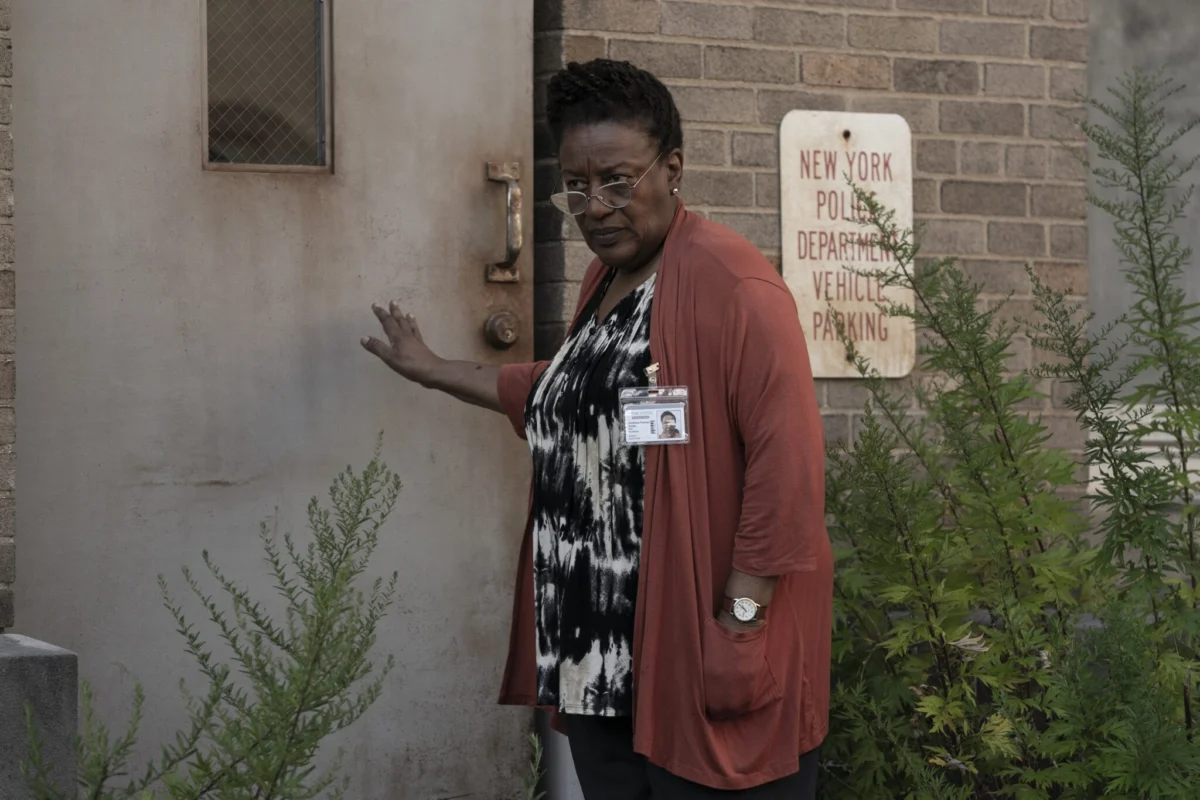
The critically acclaimed horror anthology The Terror has officially returned to AMC, shifting its focus from the icy, supernatural dread of the Arctic and the historical trauma of Japanese internment camps to the claustrophobic, labyrinthine halls of a modern mental health facility. This latest installment is a direct adaptation of Victor LaValle’s 2012 novel, The Devil in Silver.
The premise is deceptively simple: a man finds himself involuntarily committed to a New York City mental hospital—a place where the thin line between psychiatric care and outright imprisonment dissolves, and where a monstrous, unseen presence may be lurking in the walls.
The Anatomy of an Opening: Setting the Tone
The series premiere does not introduce us to our protagonist, but rather to the grim reality of New Hyde Hospital. The facility is less a sanctuary for the vulnerable and more a crumbling, derelict relic of a bygone era. We open on a scene of chilling administrative apathy: Mr. Bromden, a patient, is found dead in his bed. Rigor mortis has already set in, contorting his body into a shape that suggests a final moment of sheer terror.
The staff—nurses Josephine (Maureen Sebastian), Miss Chris (CCH Pounder), and orderly "Scotch Tape" (Hampton Fluker)—discover the body. Their reaction is devoid of empathy; instead, they focus on the logistics of disposal, breaking the deceased man’s limbs to facilitate moving him. It is a sequence that establishes the show’s central thesis: the "Big Bad" is not merely the potential monster in the shadows, but the systemic rot that allows such casual inhumanity to flourish.
In an interview with Reactor, showrunner Victor LaValle noted that this scene was inspired by a real-world tragedy following Hurricane Katrina, where elderly patients in a nursing home were left behind to perish. For LaValle, the scene serves as an indictment of a system functioning exactly as designed—a machine that dehumanizes both the caregiver and the patient.
Chronology of a Downfall: Pepper’s Entry
The narrative centers on Pepper, portrayed with a raw, "joie de dirtbag" complexity by Dan Stevens. Pepper is a character defined by a volatile mix of charm, recklessness, and an inability to navigate the boundaries of polite society. His trajectory toward New Hyde is one of self-sabotage: following a tense, volatile dispute with his girlfriend, Marisol (Juani Feliz), regarding his financial irresponsibility, Pepper intervenes in a conflict involving her abusive ex-boyfriend.
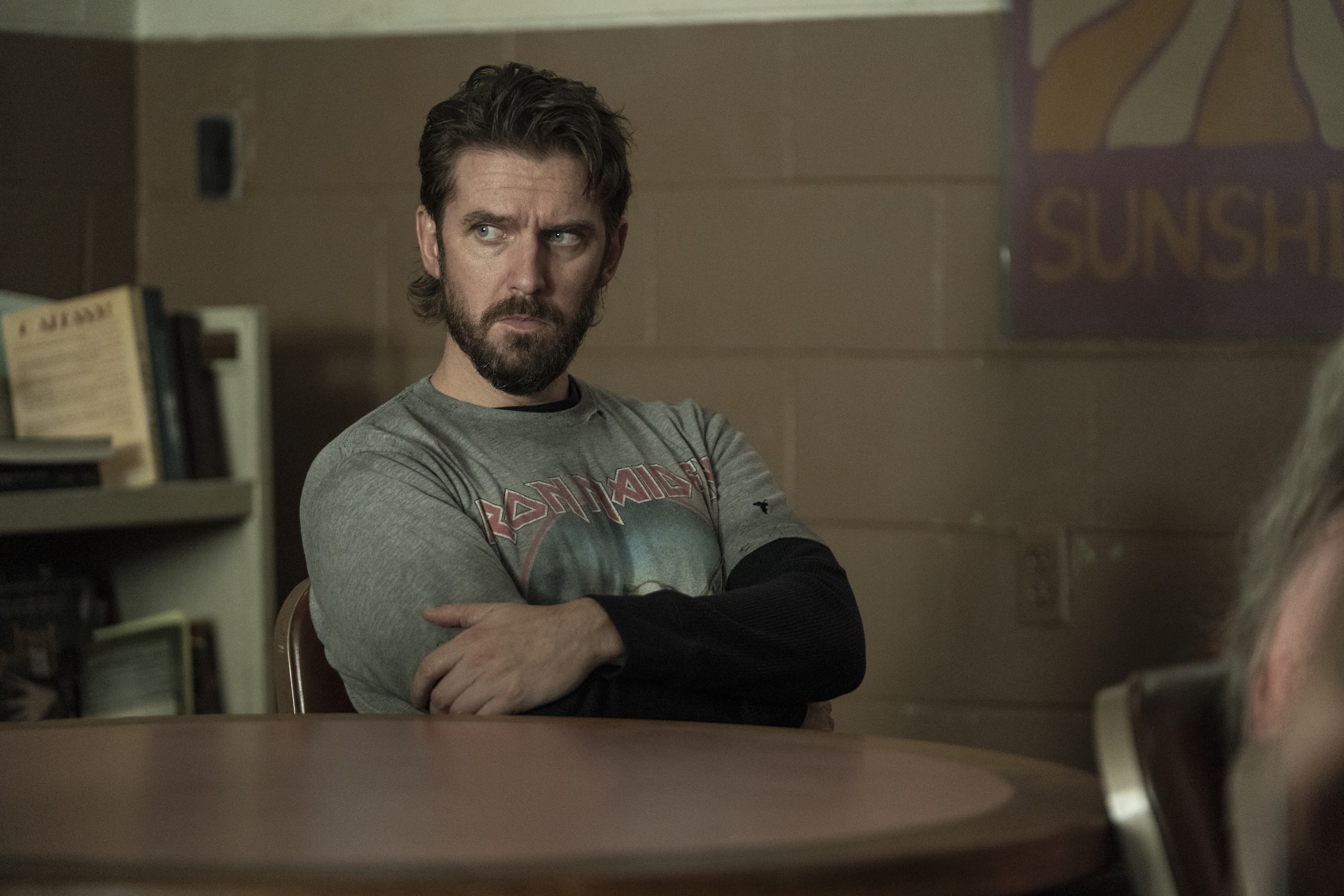
The subsequent arrival of law enforcement—who prioritize force over procedure—marks the beginning of Pepper’s descent. After a chaotic intake process, guided by the hospital’s cynical "tour guide," Dorry (Judith Light), Pepper is assigned to the very room where Mr. Bromden died.
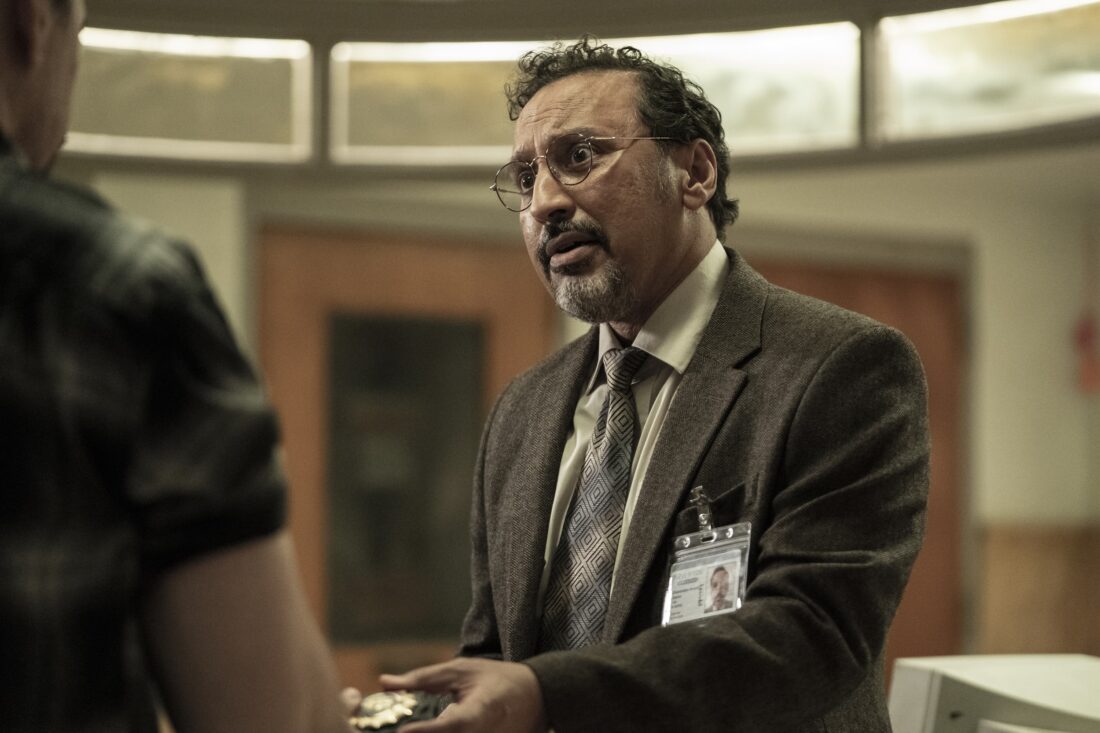
The timeline of his stay is marked by a rapid, disorienting decline. Within his first 72 hours, Pepper is subjected to heavy antipsychotic medication, despite a lack of clinical necessity. His attempt to push back against this treatment leads to an altercation with Dr. Anand (Aasif Mandvi), resulting in further sedation and an extension of his stay. He is trapped, not because of a medical condition, but because the hospital’s bureaucracy has deemed him a problem to be contained rather than a patient to be treated.
Systemic Failure: Supporting Data and Observations
A critical element of The Devil in Silver is its unflinching examination of power dynamics. The patient population is predominantly comprised of women and people of color, while the hospital hierarchy reflects a complex, often fraught, racial and economic divide.
Pepper’s experience serves as a unique case study in privilege. As a white man, he initially attempts to leverage the familiar rapport he expects from the police, only to find that such social capital is non-existent within the walls of New Hyde. His incarceration highlights a harrowing reality: while his white privilege may have spared him from the lethal outcomes often faced by BIPOC patients in the same system, he is not immune to the predatory nature of institutionalized mental healthcare.
The staff, meanwhile, operate under the guise of "following orders." This refrain serves as the shield for their daily malpractice. By administering Haldol to a man who does not require it, they render him unable to function, which in turn leads to "noncompliance" tags on his record—a bureaucratic loop that ensures he remains within the system longer. As the character Coffee (Chinaza Uche) succinctly observes, the institution exists to "profit off our bodies," even when the profit margins are as thin as the hospital’s resources.
Official Perspectives: The Showrunner’s Vision
Co-showrunners Christopher Cantwell and Victor LaValle have successfully translated the novel’s sense of existential dread into a visual language that feels both timeless and suffocating. The production design, coupled with the sharp, disorienting cinematography of Julie Kirkwood and the precise direction of Karyn Kusama, creates a world that feels perpetually out of time.
The use of a sickly, jaundiced color palette and a soundscape that evokes the sensation of a warped record perfectly encapsulates the instability of Pepper’s reality. Is the monster real, or is it a manifestation of the trauma induced by the facility? The creators leave the answer intentionally opaque, forcing the viewer to inhabit the same uncertainty as the protagonist.
Furthermore, the casting of CCH Pounder as Miss Chris adds a layer of gravitas that elevates the material. Unlike her literary counterpart, who often reveled in her cruelty, Pounder’s Miss Chris is portrayed as a woman worn down by a broken system. Her cold efficiency is born of exhaustion and the necessity of maintaining control in an environment where she, too, is a cog in a failing machine.
Implications: The Horror of the Ordinary
The most terrifying aspect of The Devil in Silver is its grounding in reality. By framing the horror through the lens of a psychiatric institution, the show forces us to confront uncomfortable questions:
- Incarceration vs. Care: When a system designed to treat the mind becomes an instrument of punishment, who is the true patient?
- The "Bad Apple" Fallacy: Characters like the officer "Louie" (Philip Ettinger) represent the well-intentioned individual who believes they can work within the system to change it. The show’s grim conclusion for these characters is that the system is not "broken"—it is working exactly as intended.
- The Vulnerable as Commodities: The commodification of the mentally ill remains a persistent issue in modern society. The hospital’s tendency to treat patients as "inmates" echoes the dark history of 19th-century asylums, suggesting that while the buildings have changed, the fundamental exploitation has not.
As we progress through the season, the central mystery of the "monster in the silver door" will likely unfold. However, the true terror is already apparent. It lies in the routine, the red tape, the over-medication, and the chilling ease with which a human life can be discarded by those who claim to be healers.
The Terror: The Devil in Silver is a masterful, if deeply disturbing, addition to the anthology. It is a cautionary tale that asks us to consider whether we fear the monster in the dark because it is evil, or because we are terrified of the institutions we have built to "protect" us. For now, one thing remains clear: Pepper is not going anywhere, and the nightmare at New Hyde has only just begun.









No comments yet. Be the first to join the conversation!