Dwi Wanna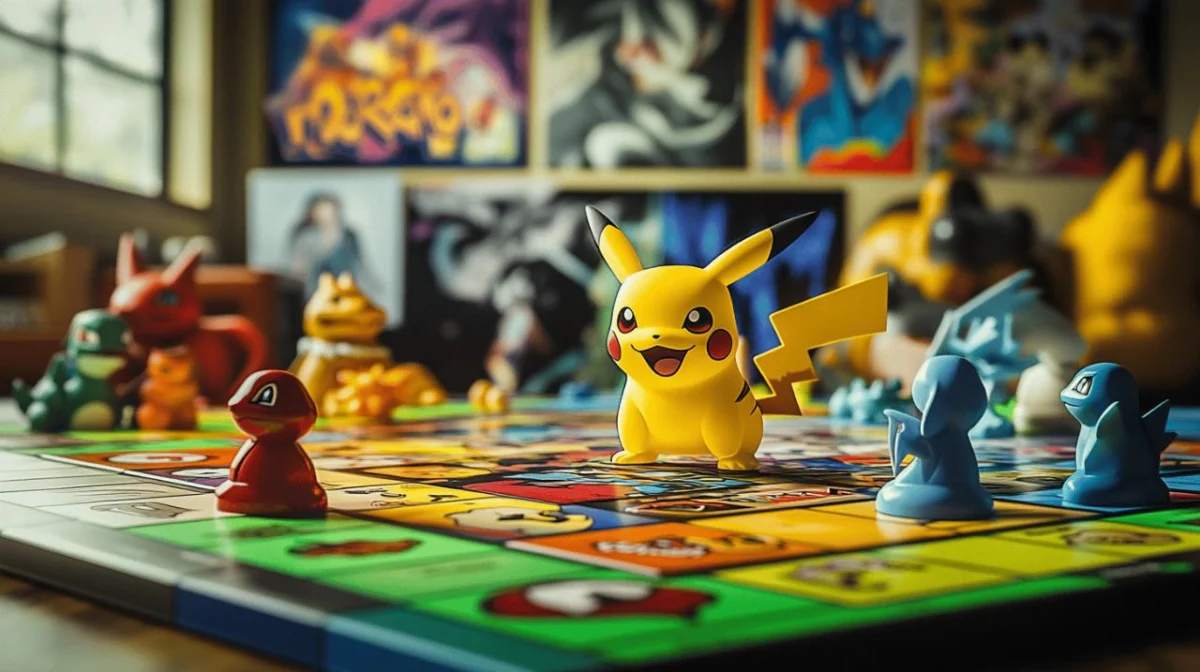
The landscape of family entertainment has been permanently altered by the fusion of two titans: the world’s most iconic board game and the global phenomenon that is Pokémon. This unexpected marriage of mechanics and lore creates a gaming experience that transcends mere nostalgia, inviting players of all ages to step into the boots of a trainer rather than a real-estate mogul.
The new Pokémon Monopoly edition, released in early 2025, reimagines the traditional board game format. By discarding the gritty capitalism of Atlantic City in favor of the vibrant, monster-filled expanses of the Kanto region, this edition offers a refreshing take on a century-old classic. Whether you are a long-time fan of the franchise or a board game enthusiast looking for a new challenge, this game promises a unique blend of strategy, luck, and collection.
Main Facts: A New Frontier in Tabletop Gaming
At its core, Pokémon Monopoly retains the familiar circular track of the original game, but almost every other aspect has undergone a thematic metamorphosis. The game is designed for 2 to 4 players, with an average playtime of approximately 45 minutes, making it an ideal choice for family game nights.
Instead of navigating streets and paying rent, players embark on a journey to capture 48 unique Pokémon. The iconic paper currency has been entirely replaced by Poké Balls, which serve as the primary resource for both movement and acquisition. The game is officially aimed at players aged 8 and up, ensuring that the rules remain accessible while offering enough tactical depth to satisfy older, competitive players. Retailing at a suggested price of €29.99, it stands as an affordable entry point into a high-quality, licensed tabletop experience.
Chronology: From Concept to Your Living Room
The development of this edition represents the culmination of a long-standing partnership between Hasbro and The Pokémon Company.
- Early 2024: Rumors of a new, "mechanically overhauled" Monopoly began circulating in hobbyist forums, with whispers of a Pokémon-themed project aimed at capturing the current generation of young fans while appealing to the "Gen 1" crowd.
- Late 2024: Official trailers were released, showcasing the new, vibrant board design and the high-quality sculpted tokens representing fan-favorite creatures like Pikachu, Poussacha, Chochodile, and Coiffeton.
- January 2025: The official launch occurred across European markets, with the game quickly becoming a staple in major toy retailers and online marketplaces.
- Q2 2025 and Beyond: With positive reception from the community, the game has established itself as a permanent fixture in the "special edition" Monopoly lineup, with retail distribution expanding to include major platforms like Amazon and specialty retailers like Smyth Toys.
Supporting Data: The Mechanics of the Catch
The transition from a real-estate game to a creature-collection quest is achieved through several innovative gameplay tweaks.
The Shift in Currency and Capture
The most significant change is the removal of the banking system. By using Poké Balls as the primary currency, the game shifts the focus from "who has the most money" to "who has the most effective trainer strategy." Players navigate a map featuring iconic locations like Pallet Town and Saffron City. Upon landing on a location, rather than buying a property, players attempt to catch the resident Pokémon.
The Special Capture Die
To add a layer of unpredictability, a special "Capture Die" is introduced. When a player attempts to add a Pokémon to their collection, the roll of this die dictates the success or failure of the attempt. This mimics the tension of the video games, where even a well-prepared trainer might see a creature escape.
Strategic Victory Conditions
The game offers multiple paths to victory. Players can win by:
- Completing a Collection: Managing to capture at least one Pokémon of every type.
- Resource Dominance: Being the final player left in the game who still possesses Poké Balls, effectively "out-training" their opponents.
Official Responses and Community Reception
The release has been met with widespread critical acclaim, currently holding an average user rating of 4.5/5 on major consumer platforms. Fans have lauded the attention to detail, particularly the decision to include both classic starters and newer generation partners, bridging the gap between decades of franchise history.
The Appeal to Collectors
For the seasoned collector, the game is more than just a pastime; it is an investment. The quality of the sculpted figurines—Pikachu, Poussacha, Chochodile, and Coiffeton—has been highlighted as a major selling point. Unlike previous mass-produced editions, the build quality of these tokens suggests a focus on longevity, making them perfect display pieces for those who want to curate a Pokémon-themed shelf.
Professional Critique
Board game reviewers have noted that while the game is fundamentally Monopoly, the thematic changes provide enough "mechanical friction" to make it feel like a new experience. The inclusion of Professor Oak’s challenges—which grant extra Poké Balls for specific tasks—adds a level of strategy that was previously absent from the traditional game.
Implications for the Future of Licensed Board Games
The success of this edition sends a clear signal to the tabletop industry: players are looking for deep integration between theme and mechanics. It is no longer sufficient to simply slap a logo on a classic board; the game must reflect the world it represents.
A New Standard for Immersion
By replacing traditional real-estate mechanics with a "trainer’s quest," the developers have set a new bar. This suggests that future licensed versions of classic board games will likely move toward this "Total Conversion" model, where the rules of the board game are adapted to the logic of the source material.
Economic Accessibility and Market Impact
At a price point of €29.99, the game remains highly competitive. The diverse distribution strategy—ranging from large-scale online retailers to specialized toy stores—ensures that it remains accessible to a broad audience. The option for free delivery on higher-value orders (often bundled with other gaming gear) has further incentivized the purchase of this title as a gift or a collector’s item.
Strategic Tips: Mastering the Kanto Region
To succeed in this edition, players must unlearn some of their traditional Monopoly habits.
- Prioritize the Professor’s Missions: Don’t just focus on moving around the board. Completing Professor Oak’s tasks is the fastest way to amass a large reserve of Poké Balls, which serves as both your "money" and your "health."
- Resource Management: Do not waste Poké Balls on high-risk, low-reward captures early in the game. Save your resources for the rare Pokémon that appear on the mid-to-late board, as these are worth more points and provide better strategic positioning.
- The "Last Trainer Standing" Strategy: If you find yourself trailing in your collection, switch your focus to defensive play. By controlling key zones on the board and forcing opponents to pay you in Poké Balls, you can starve them of the resources they need to continue their own captures.
Conclusion: A Must-Have for Every Trainer
The Pokémon Monopoly edition is a masterclass in thematic adaptation. It successfully marries the competitive, cutthroat nature of the world’s most famous property-trading game with the adventurous, growth-oriented spirit of the Pokémon franchise. With its high-quality components, strategic depth, and nostalgic appeal, it is poised to remain a staple of family game nights for years to come. Whether you are aiming to be the ultimate collector or the last trainer standing, this game offers an unparalleled journey through the heart of the Kanto region.
For those looking to add this to their collection, it is currently widely available at major retailers. Ensure you check for the latest versions to take advantage of any regional bonus cards or promotional tokens that may be included in the 2025 release cycle. As the world of tabletop gaming continues to evolve, this collaboration stands as a glowing example of how to modernize a classic while respecting the legacy of both brands involved.

 Siti Muinah
 Azzam Bilal Chamdy