

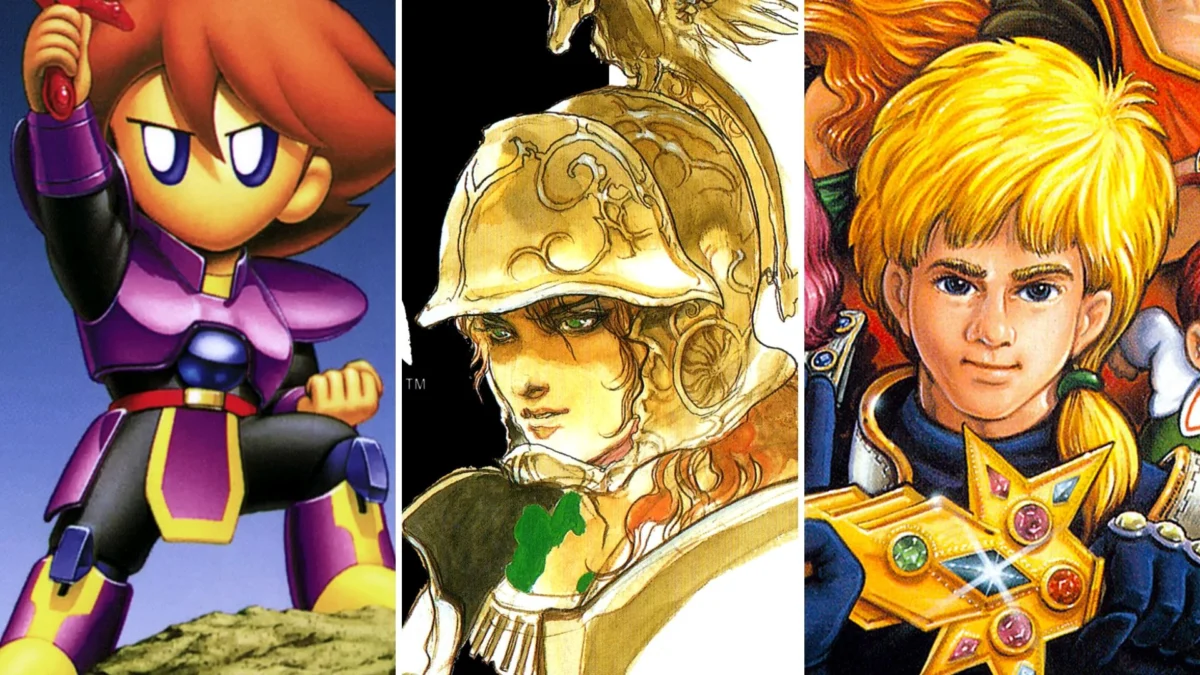
The Super Nintendo Entertainment System (SNES) era stands as a golden age for Japanese Role-Playing Games (JRPGs), a genre that owes its very existence to seminal titles like Yuji Horii’s Dragon Quest on the Nintendo Entertainment System (NES). While many modern players discovered the intricacies of JRPGs during the PlayStation era, a dedicated cohort of seasoned gamers already delved into these rich narratives on the SNES, a console boasting an undeniably impressive and diverse catalog.
However, not all SNES JRPGs basked in the same critical and commercial glory. Beneath the towering achievements of genre-defining classics lies a less-celebrated stratum of titles that, for various reasons, failed to capture widespread attention or critical acclaim. This article aims to navigate this fascinating dichotomy, highlighting some SNES JRPGs that, despite their place in history, are perhaps best left to the archives, allowing players to dedicate their valuable time to the genre’s undisputed masterpieces.
The Genesis of a Genre: From NES to SNES
The groundwork for the JRPG explosion was laid by titles like Dragon Quest and Final Fantasy on the NES. These early games established core tenets: turn-based combat, character progression, exploration of vast worlds, and intricate storylines. When the SNES arrived, it provided developers with significantly more processing power, enabling richer graphics, more complex narratives, and deeper gameplay mechanics. This technological leap allowed for the creation of some of the most beloved and influential JRPGs of all time, solidifying the genre’s place in gaming history.
Navigating the SNES JRPG Ocean: Treasures and Temptations
The SNES JRPG library is a testament to the creativity and ambition of Japanese developers during the 16-bit era. Titles like Chrono Trigger, Final Fantasy VI, and EarthBound are frequently lauded for their compelling narratives, memorable characters, innovative gameplay, and evocative soundtracks. These games not only defined the genre for their time but also laid the foundation for countless titles that followed, influencing game design across various platforms and genres.
Yet, the SNES’s expansive library also harbors titles that, while bearing the hallmarks of JRPGs, fall short of the exceptional standards set by their peers. These games often suffer from a combination of factors, including repetitive gameplay, clunky mechanics, uninspired storytelling, or simply being overshadowed by superior offerings. For players with limited time and an ever-growing backlog, understanding which SNES JRPGs are worth their investment is crucial. This exploration delves into some of these lesser-shining titles, offering a critical perspective on why they might not warrant a place in your immediate gaming rotation.
Unearthing the Less-Than-Stellar: SNES JRPGs to Reconsider
While the SNES boasts an embarrassment of riches in the JRPG department, not every title released on the platform achieved legendary status. Some games, despite their ambitious attempts, stumbled in execution, leaving players with a sense of missed potential. Here, we examine a selection of SNES JRPGs that, while historically significant or containing interesting ideas, may not be the most efficient use of a modern gamer’s precious time.
Paladin’s Quest: A Quest for More Engaging Gameplay
Quest to Find Another Game
Paladin’s Quest, released in 1993, embodies many of the conventional JRPG tropes that were prevalent on the SNES. It features a fixed story and cast, a linear narrative progression, and the ubiquitous random turn-based combat system where players earn money to purchase better equipment. While these elements are foundational to the genre, Paladin’s Quest does little to elevate them beyond the expected.
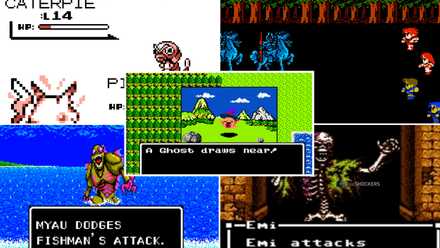
The game does introduce a few unique mechanics, such as a bottle system for healing and the option to recruit temporary party members. However, these additions, while present, do not significantly alter the overall experience or inject a much-needed dose of innovation. For players who encountered the genre with Paladin’s Quest as their inaugural experience, the game might have provided a satisfying introduction. Its straightforward nature could have been a gateway into the deeper complexities of other JRPGs.
However, for those already familiar with the genre’s rich offerings on the SNES, dedicating time to Paladin’s Quest might feel like a step backward. Its aggressively average nature, while not inherently a flaw, becomes a significant detractor when faced with the sheer volume of critically acclaimed and deeply engaging JRPGs available. In an era where efficient backlog management is an art form, prioritizing titles that push boundaries and deliver truly memorable experiences is paramount. Paladin’s Quest, unfortunately, resides in the comfortable but unremarkable middle ground.
Inindo: Way of the Ninja – A Confusing Path to Follow
Introducing War Games Before Suikoden
Released in 1991, Inindo: Way of the Ninja presents a curious case within the SNES JRPG landscape. At first glance, it appears to be a fairly standard offering, featuring a top-down perspective for town exploration, item purchasing, party recruitment, and turn-based battles. However, as the game progresses, it begins to introduce more complex mechanics that can become bewildering without proper guidance.
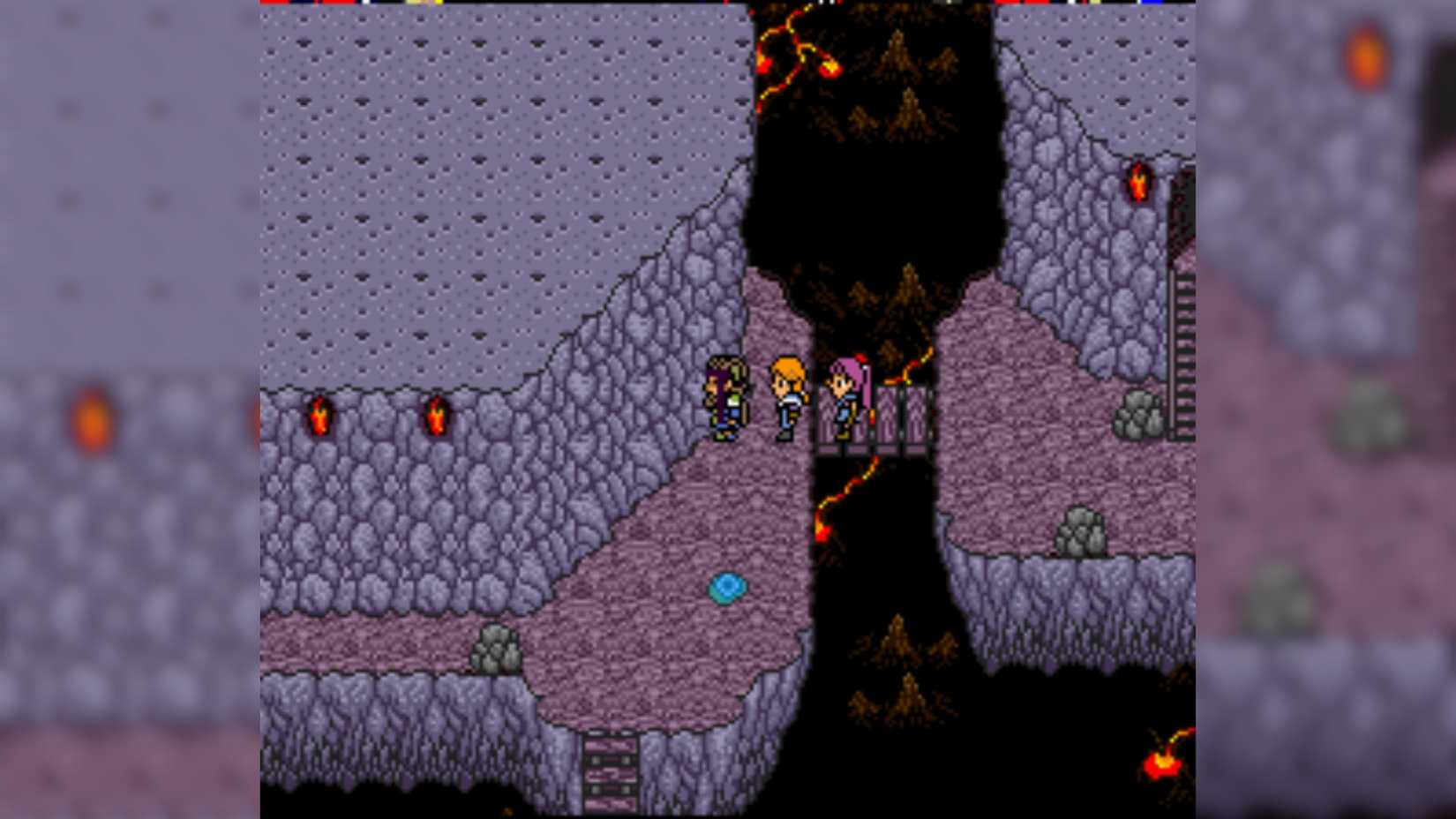
The game’s central issue lies in its execution of ambitious ideas. While the concept of incorporating strategic, full-scale battles and the need to negotiate with feudal lords to build an army sounds promising, the implementation is undeniably clunky. The narrative thrust involves convincing various lords to join your cause against a common enemy, a concept that foreshadows the large-scale conflicts seen in later titles like Suikoden.
The difficulty in conveying these mechanics to the player is a significant stumbling block. Without a robust tutorial or clear in-game explanations, players can find themselves lost and frustrated. The shift from standard JRPG fare to more tactical gameplay, coupled with the diplomacy elements, can feel jarring and tedious. This lack of polish and clarity ultimately detracts from the potential enjoyment, making it a game that players might abandon long before reaching its conclusion. While the ambition is commendable, the execution falls short, leaving Inindo: Way of the Ninja as a less-than-ideal choice for those seeking a streamlined JRPG experience.
Final Fantasy Mystic Quest: A Simplified Journey That Loses Its Way
Final Fantasy for Dummies
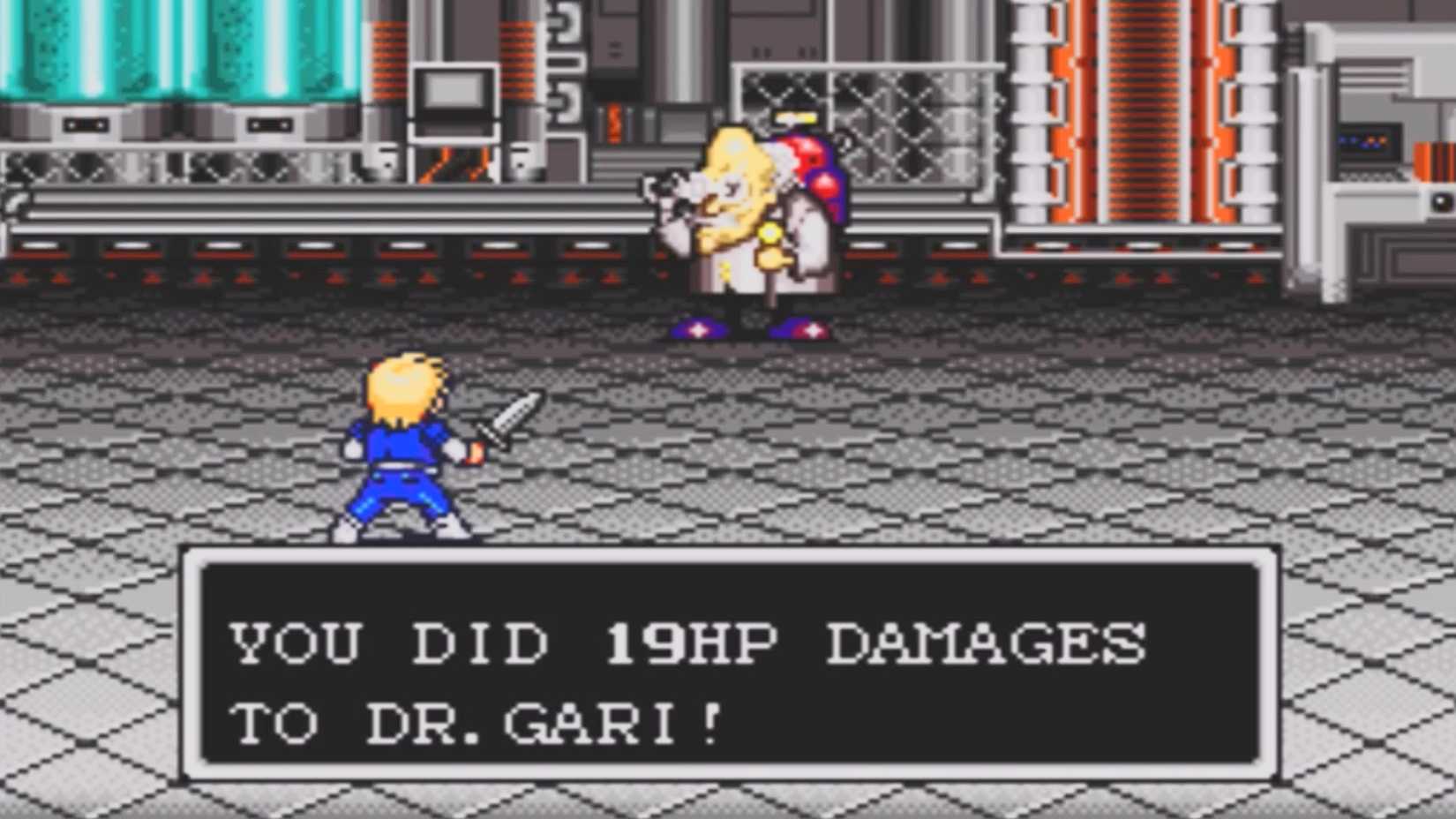
Final Fantasy Mystic Quest, also known as Mystic Quest Legend in Europe and Final Fantasy USA: Mystic Quest in Japan, remains a somewhat controversial entry in the venerable Final Fantasy series. Conceived as an accessible entry point for newcomers to the JRPG genre, it significantly simplifies many of the series’ hallmark elements. While simplification can be beneficial, Mystic Quest arguably oversimplifies to the point of losing its engaging core.
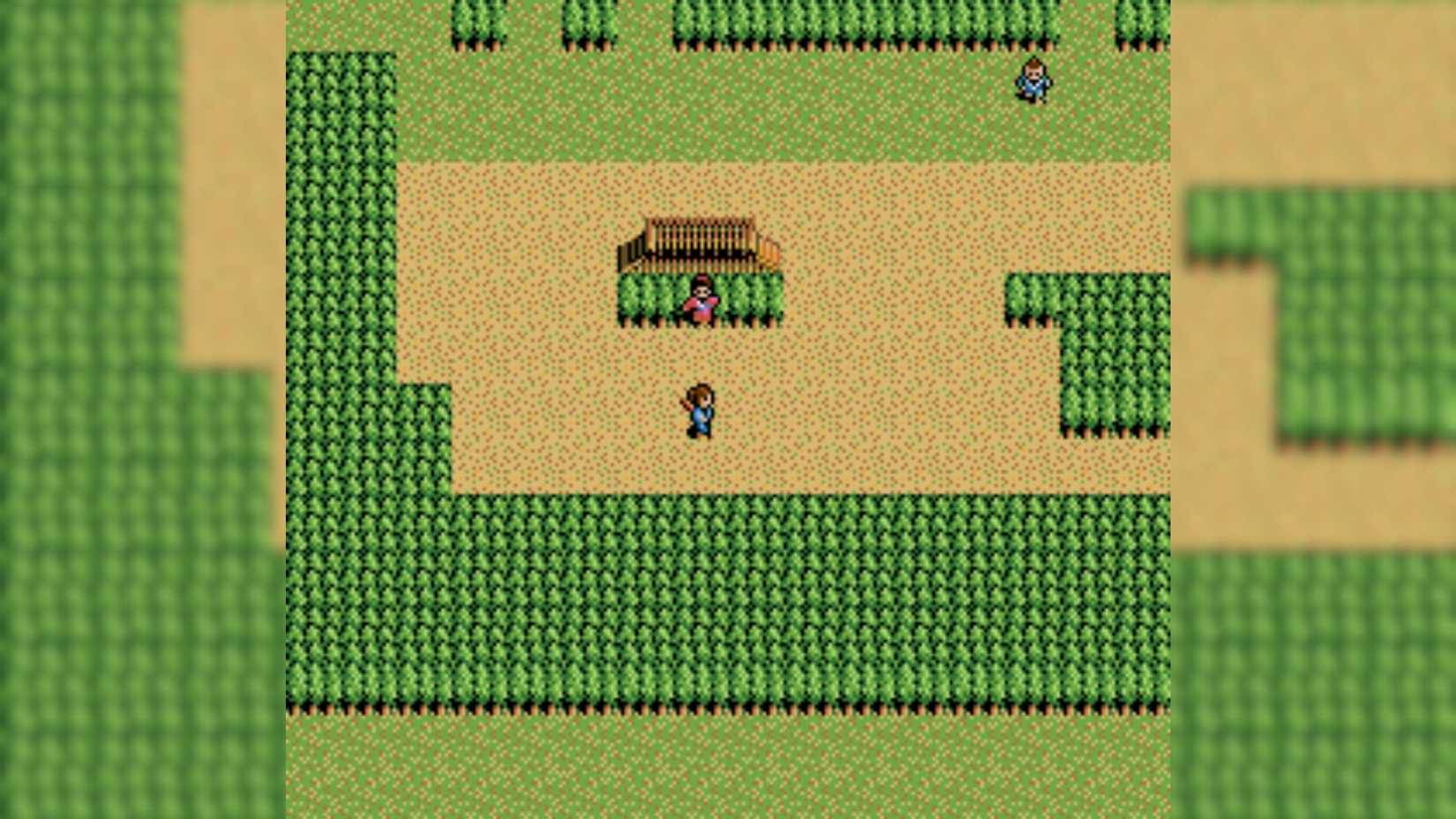
The game was explicitly marketed as a "simplified role-playing game," a descriptor that, for seasoned JRPG veterans, immediately signals a departure from the depth and complexity they typically seek. While the game is indeed simple, it doesn’t necessarily translate to being easy or, more importantly, engaging. The narrative follows Benjamin on a quest to restore balance to the world by retrieving elemental crystals.
Despite being a Final Fantasy title, it lacks the intricate plotlines, deep character development, and complex magic systems that define its mainline counterparts. The gameplay loop is straightforward, and while it offers some exploration and turn-based combat, it rarely challenges the player or presents them with truly compelling choices. The game’s forgettable nature and its departure from what makes Final Fantasy so beloved make it a less appealing option compared to other spin-offs or the core series titles. While it might serve as a historical curiosity or a gentle introduction for absolute beginners, players seeking the rich experience of a typical Final Fantasy game would be better served by exploring other entries in the franchise.
The Twisted Tales of Spike McFang: Repetition and Frustration
Repetitive Beyond Measure
The Twisted Tales of Spike McFang, released in 1993, presents a unique blend of action and RPG elements, but its core gameplay loop quickly devolves into tedium. While the game features some RPG staples like experience gain and leveling, the actual combat and progression systems are often cited as being repetitive and uninspired.
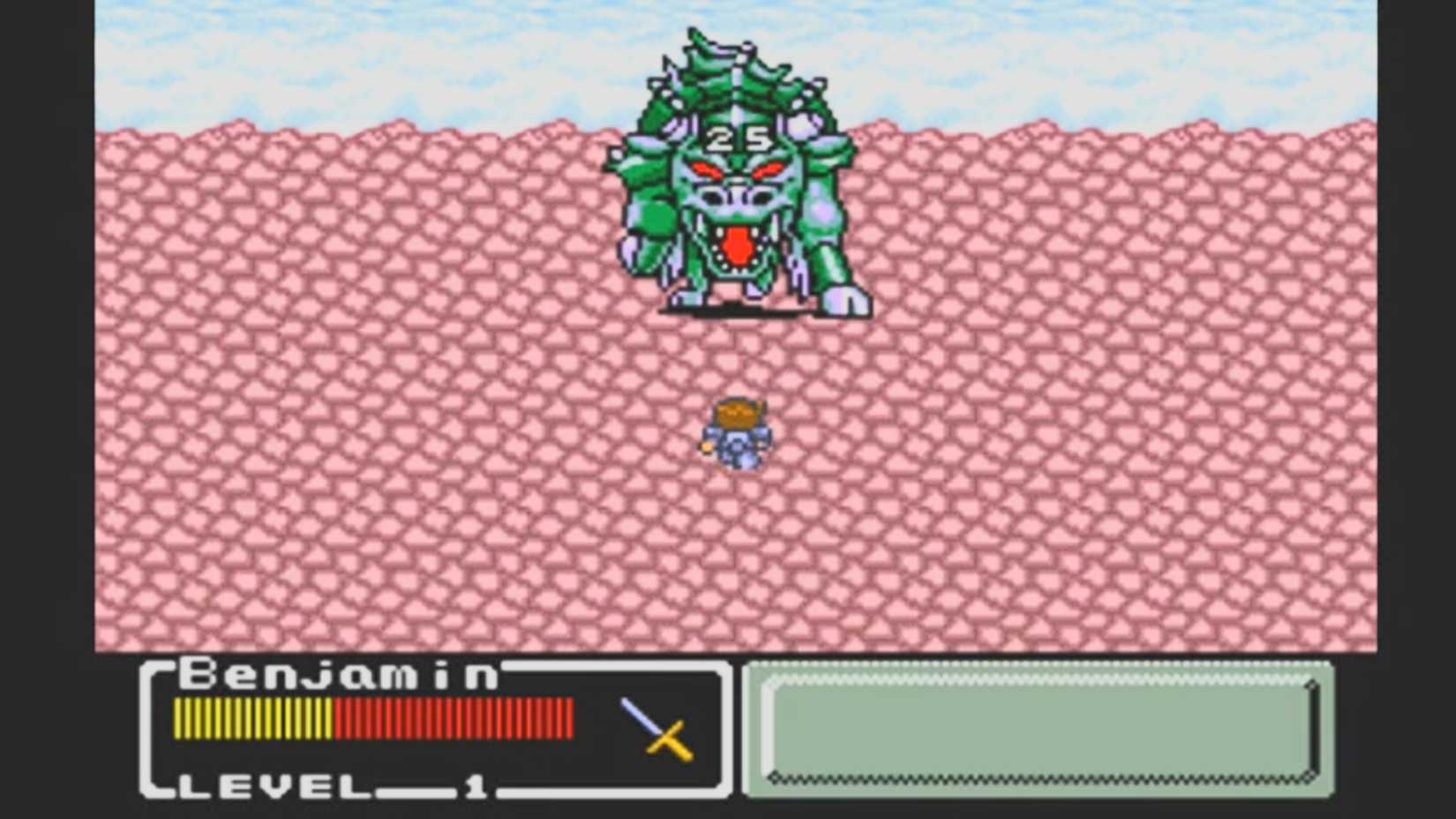
The titular Spike McFang, a vampire, battles enemies by spinning his cape and throwing his hat. While this combat system offers a visual flair, its shallow implementation quickly leads to a grind that fails to motivate. The game also incorporates a magic and item system, heavily reliant on expensive cards, which further necessitates a considerable amount of grinding. This repetition, coupled with occasionally frustrating boss encounters where precise hitboxes can be an issue, can lead to significant player frustration.
The game’s narrative attempts a quirky, humorous tone, but this alone is not enough to sustain player interest through the repetitive gameplay. For a genre that thrives on engaging stories and rewarding progression, The Twisted Tales of Spike McFang struggles to deliver on both fronts. While its uniqueness might appeal to some niche collectors or those seeking out obscure titles, for the average JRPG enthusiast, the repetitive nature and gameplay frustrations make it a difficult recommendation.
Laplace no Ma: Brilliant Ideas, Flawed Execution
Great Concepts, Bad Executions
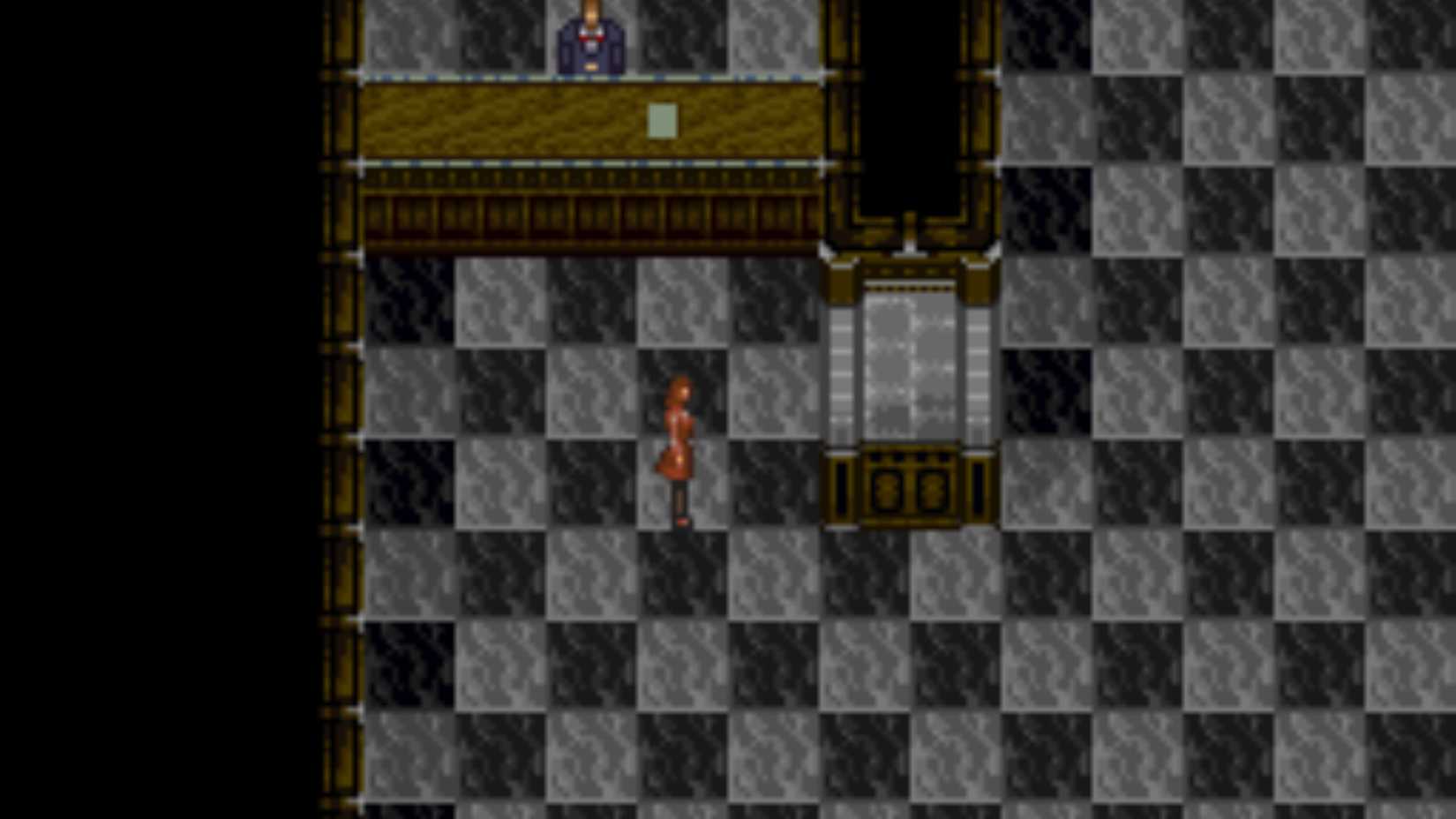
Laplace no Ma, a title that never received an official Western release and is known through fan translations as The Laplace’s Demon, is a fascinating but ultimately flawed horror JRPG. Drawing inspiration from Capcom’s Sweet Home, it presents a unique premise: a group of adventurers entering the haunted Weathertop mansion for their own distinct reasons.
The game is replete with inventive ideas. For instance, earning money involves the Journalist class taking photographs of monsters and selling them, a novel mechanic for the time. Different character classes possess unique abilities tailored to specific enemy types – the Detective with firearms for corporeal foes and the Medium with magic for specters. However, the game’s downfall lies in its exceptionally poor execution and lack of user-friendliness.
Crucial information, such as the effectiveness of certain abilities against specific enemy types, is rarely conveyed clearly, forcing players into a frustrating cycle of trial and error. Party member management is restricted to the town’s Inn, and item management is severely limited, creating logistical headaches. The Scientist class, reliant on battery-powered tools, requires constant battery purchases, adding another layer of tedious resource management. These design choices, while perhaps intended to add to the challenge or immersion, ultimately create a frustrating and cumbersome experience. Laplace no Ma offers a glimpse of what could have been, but its execution buries its potential under a mountain of bureaucratic gameplay.
Tecmo’s Secret of the Stars: Ambitious, Amusingly Flawed
The Great Roleplaying Game Aqutallion
Tecmo’s Secret of the Stars is a game that, while featuring some ambitious ideas, ultimately falters in its execution and presentation. It adheres to many JRPG conventions but introduces original mechanics like a dual-party progression system and a town management-esque feature. While these concepts are commendable for their time, their implementation often feels unpolished and detracts from the overall experience.
Perhaps the most infamous aspect of Secret of the Stars is its localization. The translation is often described as hilariously bad, to the point where it becomes a source of amusement rather than a detriment for some players. Even with the questionable dialogue, the overarching narrative of Ray and his group, the Aqutallion, facing off against Homncruse can be discerned. The introduction of villains like "Cat Boo" and "Badbad" further highlights the peculiar localization choices.
Despite these narrative and localization quirks, the game does possess some redeeming qualities. The battle graphics were considered quite good for the SNES era, offering a visual treat that stands out among its contemporaries. However, the game’s ambitious mechanics are not always seamlessly integrated, and the overall experience can feel disjointed. While its unique flaws and charmingly bad localization might make it an interesting curiosity for some, it’s unlikely to satisfy players looking for a polished and cohesive JRPG experience.
The 7th Saga: A Legendary Difficulty Spike
Unnecessarily Difficult
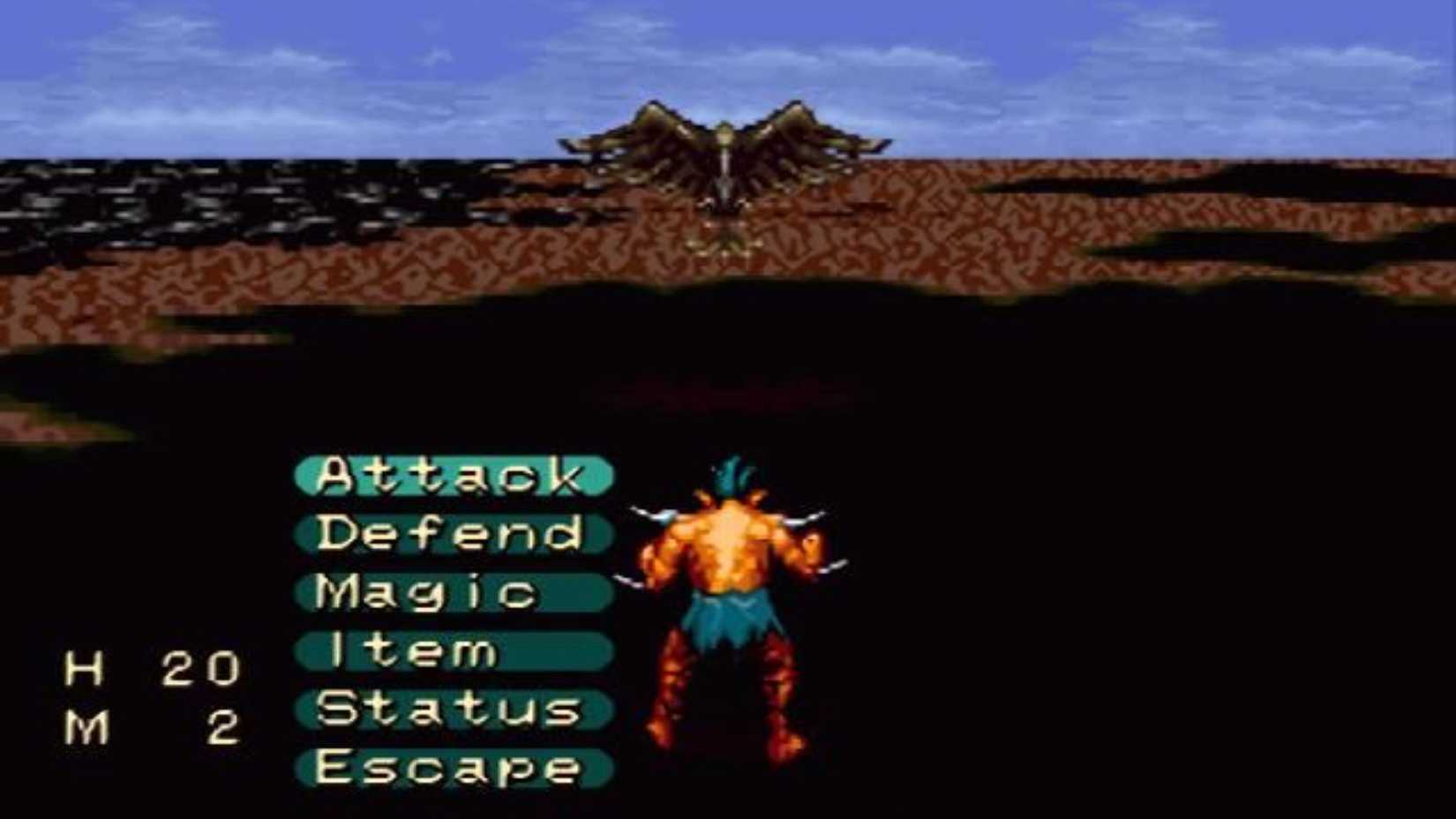
The 7th Saga is a title frequently found on lists of the hardest JRPGs, and for good reason, particularly in its original North American release. The game presents an intriguing premise: players choose from seven distinct heroes to embark on a quest for seven powerful runes, encountering and potentially allying with or opposing the other heroes along the way. This "battle royale" structure for runes is a compelling concept.
However, the difficulty of the US version is notoriously inflated to an unfair degree. Enemies hit with brutal force, and character stat gains per level-up are significantly reduced, making the journey an arduous uphill battle. The rival heroes, designed to scale with player progression, become nearly insurmountable obstacles due to this artificial difficulty ramp-up. The initial five battles can easily result in a game over, leaving players bewildered and frustrated with no clear path to success other than restarting and hoping for a different outcome.
Despite its punishing difficulty, The 7th Saga is not without its merits. The game features innovative mechanics, such as a radar system to anticipate enemy encounters, and the overarching narrative is engaging. However, the sheer difficulty can overshadow these positive aspects, making it an experience that many players find too frustrating to endure. For those interested in experiencing The 7th Saga, it is often recommended to seek out a hacked version that restores the original Japanese difficulty balance, allowing the game’s more ingenious design elements to shine through without the overwhelming frustration.
Romancing SaGa 2: A Classic That Demands a Modern Lens
Play the Modern Version
Romancing SaGa 2, released in 1993, is a game that, while historically significant and ambitious for its era, is best approached through its modern iterations. This title represents a clear evolution from its predecessor, Romancing SaGa, and introduced groundbreaking features for its time, such as a generational protagonist system and a robust choice-driven narrative. The ability to have your ruler’s legacy continue across generations, making pivotal decisions that shape the kingdom and unlock forbidden powers, was incredibly forward-thinking.
However, the original SNES version is notoriously difficult to get into. Even for veteran RPG players, navigating its complex systems and challenging gameplay without a guide can be a daunting task. The game’s structure, while offering immense freedom, can also lead to confusion and frustration for players accustomed to more linear JRPG experiences.
The primary reason to bypass the SNES original is the existence of significantly enhanced ports and remakes. A polished port of the base game is available on modern platforms, offering a more accessible experience. Furthermore, Square Enix has released Romancing SaGa 2: Revenge of the Seven, a full-fledged remake that modernizes the gameplay, visuals, and overall presentation. This remake offers a fantastic turn-based JRPG experience that captures the spirit of the original while addressing many of its accessibility issues. For anyone looking to experience the world and narrative of Romancing SaGa 2, investing time in the modern versions is a far more rewarding and less frustrating endeavor than tackling the original SNES release.
Conclusion: A Selective Journey Through SNES JRPGs
The SNES era remains a cornerstone of JRPG history, offering a wealth of iconic titles that continue to captivate players. While exploring this rich landscape, it’s important to acknowledge that not every game achieved the same level of excellence. Titles like Paladin’s Quest, Inindo: Way of the Ninja, Final Fantasy Mystic Quest, The Twisted Tales of Spike McFang, Laplace no Ma, Secret of the Stars, The 7th Saga, and Romancing SaGa 2 represent varying degrees of ambition, innovation, and execution.
Some of these games are hindered by repetitive gameplay, clunky mechanics, or an overly punishing difficulty curve. Others, while containing brilliant concepts, suffer from poor implementation or inadequate user-friendliness. In the case of Romancing SaGa 2, modern remakes and enhanced ports offer a far superior experience.
By understanding the strengths and weaknesses of these SNES JRPGs, players can make informed decisions about how to best spend their gaming time, ensuring they dive into the genre’s true gems while appreciating the historical context and occasional missteps that shaped the JRPG landscape we know today. The SNES JRPG library is vast, and while some titles may be best left in the past, the lessons learned from their successes and failures continue to inform the development of the genre for generations to come.











No comments yet. Be the first to join the conversation!