Muslim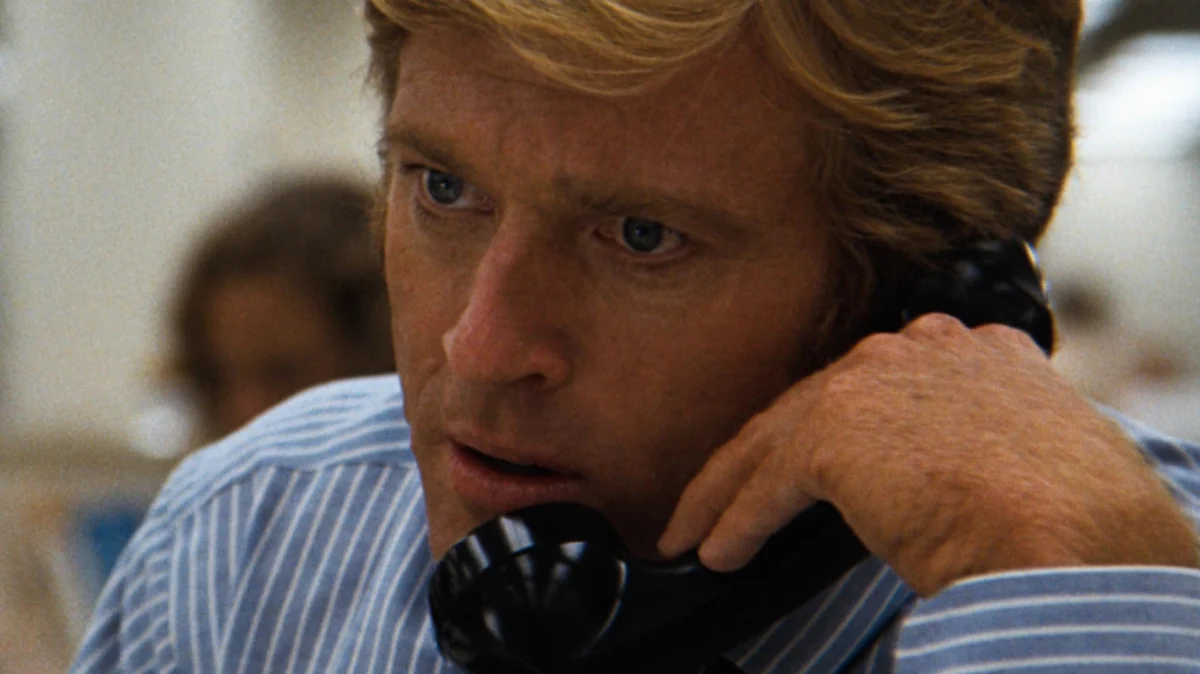
Half a century after its release, Alan J. Pakula’s All the President’s Men (1976) stands not merely as a masterclass in suspense, but as a cultural artifact that defines the intersection of American democracy and the Fourth Estate. As the film finds a new audience on streaming platforms like HBO Max, its resonance has shifted. What was once a searing, immediate indictment of executive overreach has evolved into something far more complex: a meditation on the nature of accountability, the mechanics of investigative journalism, and the startling contrast between the political consequences of the 1970s and the turbulent landscape of the 2020s.
The Foundation: A Procedural Masterpiece
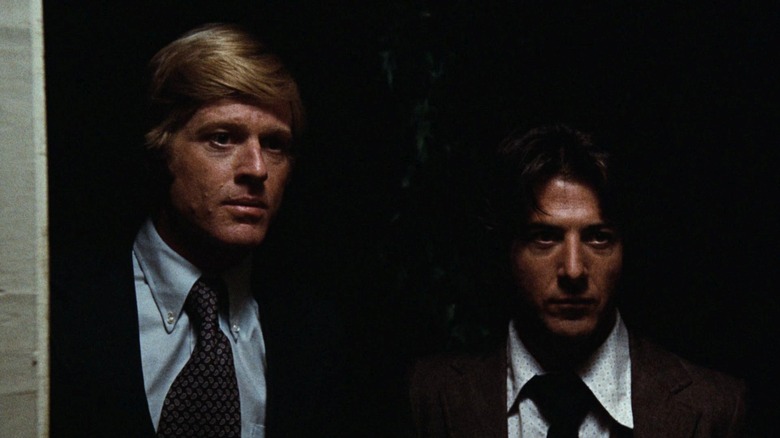
At its core, All the President’s Men is an investigative procedural that tracks the relentless efforts of Washington Post reporters Bob Woodward (Robert Redford) and Carl Bernstein (Dustin Hoffman). The film chronicles the duo’s painstaking efforts to link a seemingly minor "third-rate burglary" at the Democratic National Committee headquarters in the Watergate office complex to the highest levels of the Richard Nixon administration.
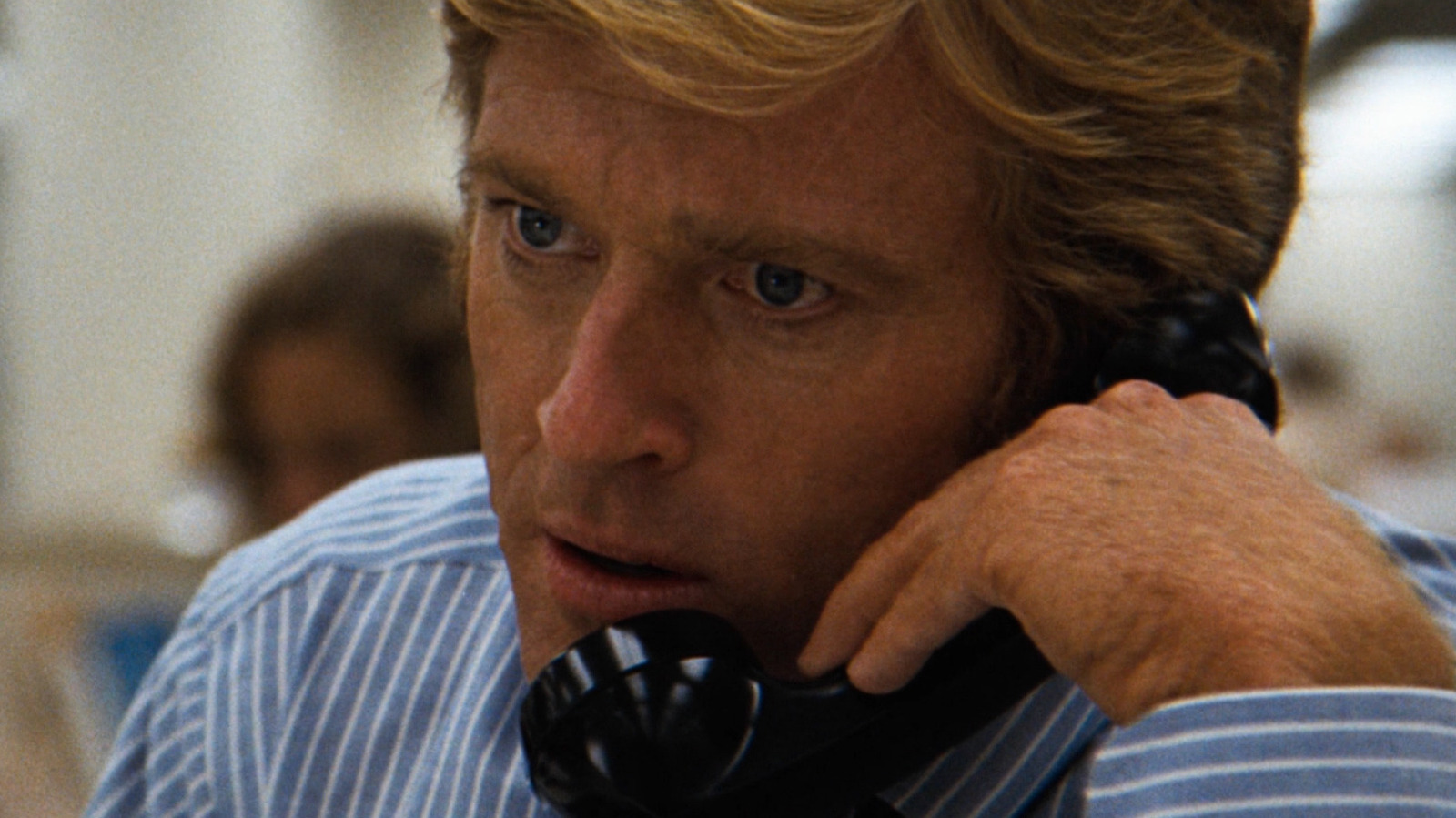
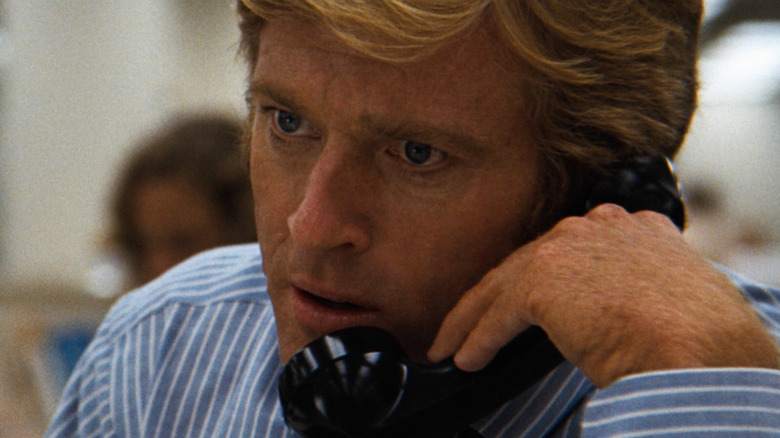
The narrative success of the film lies in its refusal to sensationalize the process. There are no high-speed chases or gunfights; the tension is derived from the rhythmic clatter of typewriters, the hushed intensity of phone calls, and the claustrophobic atmosphere of newsroom basements. By focusing on the "follow the money" directive—a mantra that has since become the gold standard for investigative inquiry—the film captures the mundane, often grueling labor required to hold power to account. The presence of the enigmatic informant "Deep Throat" adds a layer of noir mystery, reminding audiences that the truth often requires a bridge between the halls of power and the shadows of the underground.
Chronology: From Watergate to the Big Screen
The speed at which the events of Watergate were translated into cinematic history is staggering by modern standards. The timeline of the scandal and its subsequent adaptation underscores the urgency felt by the American public during the mid-70s.
- June 1972: Five men are arrested for breaking into the Watergate complex.
- 1973: The Senate Watergate Committee hearings captivate the nation, while the Pentagon Papers case, detailed in Steven Spielberg’s The Post, sets the stage for the battle between the press and the Nixon White House.
- August 1974: Richard Nixon resigns the presidency, becoming the only U.S. president in history to do so, following the release of the "smoking gun" tape.
- June 1974: Woodward and Bernstein publish their definitive account, All the President’s Men.
- 1975: Production begins on the film adaptation, with Robert Redford personally securing the rights and working closely with screenwriter William Goldman.
- April 1976: The film hits theaters, less than two years after Nixon’s departure.
This rapid turnaround allowed the film to function as a public catharsis. Audiences were still processing the trauma of a presidency built on deception, and All the President’s Men offered a structured, coherent look at how the machinery of government had failed—and how a free press had stepped in to correct the trajectory.
Supporting Data: An Awards Darling and Cultural Benchmark
The film’s critical and commercial success was unprecedented for a film of its intellectual density. It was not merely a box-office hit; it became a defining moment for the New Hollywood era.
- Academy Recognition: The film received eight Academy Award nominations, including Best Picture, Best Director (Alan J. Pakula), and Best Supporting Actor (Jason Robards).
- Victories: It secured four Oscars: Best Supporting Actor (Robards), Best Adapted Screenplay (William Goldman), Best Art Direction, and Best Sound.
- The Best Picture Snub: While All the President’s Men is frequently cited as one of the greatest films ever made, the 1976 Best Picture award went to Rocky. This choice remains a subject of debate among film historians, representing the tension between the grit of the era’s political thrillers and the populist appeal of the underdog sports drama.
Jason Robards’ performance as Ben Bradlee remains the soul of the film. His portrayal of the gruff, principled managing editor provided a template for the ideal newsroom leader—a man who valued the integrity of the institution above political favors or personal comfort.
Official Responses and Behind-the-Scenes Friction
The production was not without its internal conflicts. Robert Redford, who championed the project, faced notable tension with screenwriter William Goldman. While Goldman’s script is widely considered one of the greatest ever written, Redford reportedly had reservations regarding the focus on the reporters’ personal lives versus the mechanical process of the investigation.
Furthermore, the real-life figures involved were wary of the film’s depiction. Bradlee and the reporters were adamant that the film maintain journalistic accuracy, even as the studio pushed for more dramatic flair. The result was a compromise that favored historical fidelity, which is arguably why the film remains so watchable today—it avoids the trap of Hollywood hyperbole in favor of the cold, hard facts of the Watergate scandal.
Implications: A "Comfort Watch" for the Modern Era
Perhaps the most striking aspect of revisiting All the President’s Men in 2026 is how it has shifted from a cautionary tale to a form of "competency porn." In the current political climate, defined by the two administrations of Donald Trump, the film feels like a dispatch from a lost civilization.
The Erosion of Shame
In the 1970s, the discovery of systemic corruption led to a resignation. Nixon, despite his efforts to suppress the investigation, was ultimately bound by the norms of his time and the pressure of his party. Today, the political landscape is markedly different. The concept of "shame" as a political tool has largely vanished. The modern political environment, bolstered by partisan media ecosystems and a digital age that rewards outrage over policy, has rendered the "Watergate-style" exposure less effective. When corruption is normalized, the act of revealing it no longer triggers the same mechanism for removal.
The Role of Journalism
The film presents journalism as the "last noble vanguard." In the modern era, the media landscape has been fractured. Where Woodward and Bernstein had the backing of a unified Washington Post and a national consensus on the value of the press, modern journalists often face an environment of deep skepticism, where the very concept of objective truth is frequently contested. Watching All the President’s Men today serves as a poignant reminder of what journalism was intended to be: a meticulous, unflinching effort to provide the public with the information necessary for self-governance.
The Question of Consequence
The central question viewers must ask themselves when watching the film today is: Would this story change anything now? The film offers a reassuring, if idealized, vision of the American system—a system where, despite its flaws, the law eventually applies to the executive branch.
As we navigate the mid-2020s, the film functions as both a history lesson and an aspirational guide. It provides a blueprint for what happens when people in positions of power are challenged by those who refuse to be intimidated. While the world of 2026 feels significantly more complex and cynical than the 1970s, the principles embodied by the reporters in All the President’s Men—persistence, skepticism, and the refusal to be silent—remain the essential components of a healthy society.
In revisiting this masterpiece, one does not merely watch a film about the past; one engages with a vital, enduring argument about the necessity of truth. The Watergate scandal was not the end of American politics, but it was a moment where the system held. Whether or not that system can hold again remains the defining challenge of our time. All the President’s Men reminds us that the truth is rarely a straight line, but for those willing to follow the money and ask the difficult questions, it is almost always there to be found.


 Iffa Jayyana
 Nila Kartika Wati