

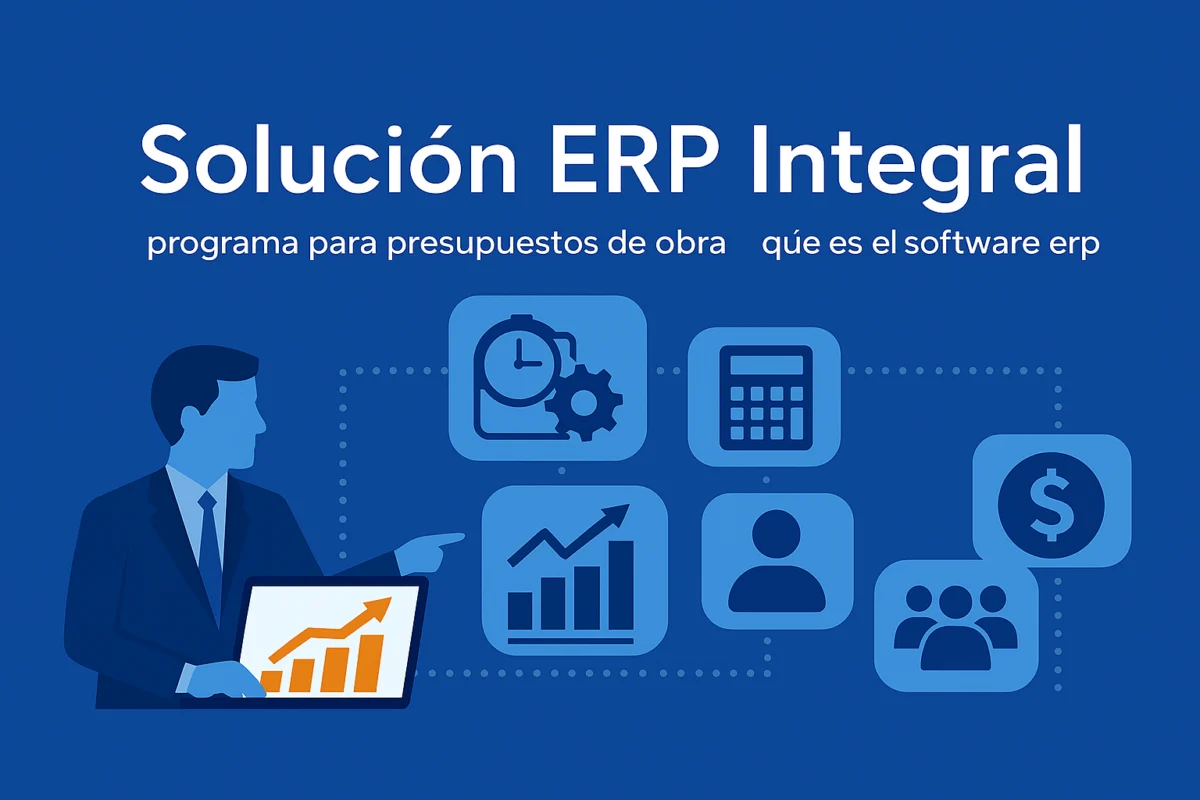
In the modern hyper-competitive landscape, the ability to synthesize vast amounts of operational data into actionable business intelligence is no longer a luxury—it is a survival imperative. As organizations navigate the complexities of globalization, supply chain volatility, and shifting regulatory requirements, the demand for robust, integrated management systems has reached an all-time high. Enter CEGID EKON, a next-generation Enterprise Resource Planning (ERP) suite designed to serve as the technological backbone for businesses seeking to modernize their operations and achieve sustainable growth.
Main Facts: The Core of ERP Integration
At its fundamental level, an ERP system is the digital nervous system of an organization. It bridges the gap between disparate departments, ensuring that the sales team, the warehouse manager, the finance department, and the human resources lead are all operating from a "single source of truth."
CEGID EKON elevates this concept by shifting the focus from mere record-keeping to proactive business management. By centralizing data, the platform eliminates information silos—those invisible walls that prevent departments from communicating effectively. When a sale is made, the inventory levels adjust automatically, the financial ledger updates in real-time, and procurement alerts are triggered if stock hits a critical threshold. This seamless orchestration of workflows provides leaders with unprecedented visibility, allowing them to track the pulse of their company from anywhere in the world.
Chronology and Evolution of the Platform
The evolution of CEGID EKON mirrors the broader trajectory of the software industry, transitioning from rigid, on-premise legacy systems to the agile, cloud-native environments that define the current era.
- Foundation Phase: Initially conceived to solve the fragmentation of SME operations, the architecture was built on a modular philosophy. This allowed companies to start with core accounting and logistics, adding layers of complexity only when required.
- The Integration Era: As technology matured, the platform integrated advanced connectivity tools, allowing it to "talk" to third-party applications, IoT devices in manufacturing plants, and e-commerce platforms.
- The Modern Intelligence Leap: Today, CEGID EKON stands at the intersection of process management and predictive analytics. It has moved beyond just logging historical data to utilizing internal intelligence to simulate "what-if" scenarios, enabling executives to forecast cash flow, evaluate budget deviations, and plan resource allocation with high precision.
Supporting Data: Operational Capabilities
To understand the power of CEGID EKON, one must look at the specific domains it empowers. The software is not a monolith; it is a suite of specialized modules tailored to specific business needs:
1. Financial and Accounting Mastery
Financial health is the heartbeat of any enterprise. CEGID EKON provides multi-currency, multi-location accounting capabilities that ensure compliance with both local and international tax regulations. Automated reconciliation and real-time ledger updates drastically reduce the risk of human error during month-end closing.
2. Supply Chain and Logistics (WMS/TMS)
For businesses dealing in physical goods, the logistics module is a game-changer. By optimizing warehouse management (WMS) and streamlining transport logistics (TMS), companies can reduce the "hidden costs" of inefficiency—such as excess inventory or delayed shipments.
3. Specialized Construction and Project Management
A standout feature of CEGID EKON is its sophisticated module for construction and project-based industries. Unlike generic ERPs, this system tracks project phases using Gantt charts, monitors cost deviations against original estimates, and automates the certification of works. It allows project managers to identify a budget overrun in the field before it compromises the company’s bottom line.
4. Human Capital Management
Modern HR is about more than payroll. The platform facilitates talent development, performance evaluation, and shift management. By digitizing the employee experience, the system boosts engagement and simplifies the administrative burden on HR teams.
Implications for Corporate Strategy
The implementation of CEGID EKON carries profound implications for a company’s strategic trajectory. By adopting this technology, businesses transition from reactive to predictive management.
Operational Efficiency: The most immediate impact is the reduction of manual entry. By automating recurring tasks, staff can shift their focus from data entry to data analysis, identifying new market opportunities rather than just fighting fires.
Data-Driven Decision Making: Every decision, from purchasing new machinery to hiring additional staff, is backed by real-time analytics. This minimizes the risks associated with "gut-feeling" management and replaces them with cold, hard metrics.
Scalability and Adaptability: Perhaps the most vital implication for growing businesses is the modular nature of the software. A startup can implement the essentials and, as it grows into a mid-sized corporation, unlock deeper functionality. This removes the "tech debt" barrier that often forces growing companies to switch ERPs entirely, a costly and risky process.
ROI and Economic Impact
The investment in a robust ERP is significant, but the Return on Investment (ROI) is quantifiable and typically manifests in three key areas:
- Cost Reduction: By identifying inefficiencies in supply chains and labor allocation, businesses often see a reduction in operational overhead within the first 12–18 months of deployment.
- Increased Productivity: Automation of repetitive administrative tasks allows the existing workforce to handle higher volumes of business without the immediate need for headcount expansion.
- Improved Cash Flow: Better visibility into receivables, payables, and project costs means tighter control over liquidity. With more accurate cash flow forecasting, companies can make more confident investments.
The Human Factor: A Perspective from Engineering
Reflecting on the integration of such powerful tools, industry experts emphasize that software is only as good as its implementation. As noted by analysts, the human element—the training, the cultural shift toward digital literacy, and the alignment of company objectives with system parameters—is the final piece of the puzzle. CEGID EKON is designed to be intuitive, but its true power is unlocked when organizational culture embraces the transparency it provides.
Conclusion: The Path Forward
In a world characterized by volatility, CEGID EKON serves as an anchor. It provides the stability and clarity necessary for companies to navigate market shifts with confidence. Whether it is a construction firm needing precise budget control or a distribution company looking to optimize its global logistics, the platform offers a path toward a more efficient, profitable, and data-intelligent future.
As digital transformation remains the top priority for CEOs globally, the choice of an ERP system is no longer just an IT decision—it is a cornerstone of corporate strategy. By centralizing operations, fostering collaboration, and providing the tools for deep analytical insight, CEGID EKON is not just managing data; it is actively building the infrastructure for the next generation of business success. Companies that ignore this shift risk falling behind, while those that adopt it position themselves to lead their respective industries for years to come.











No comments yet. Be the first to join the conversation!