Muslim
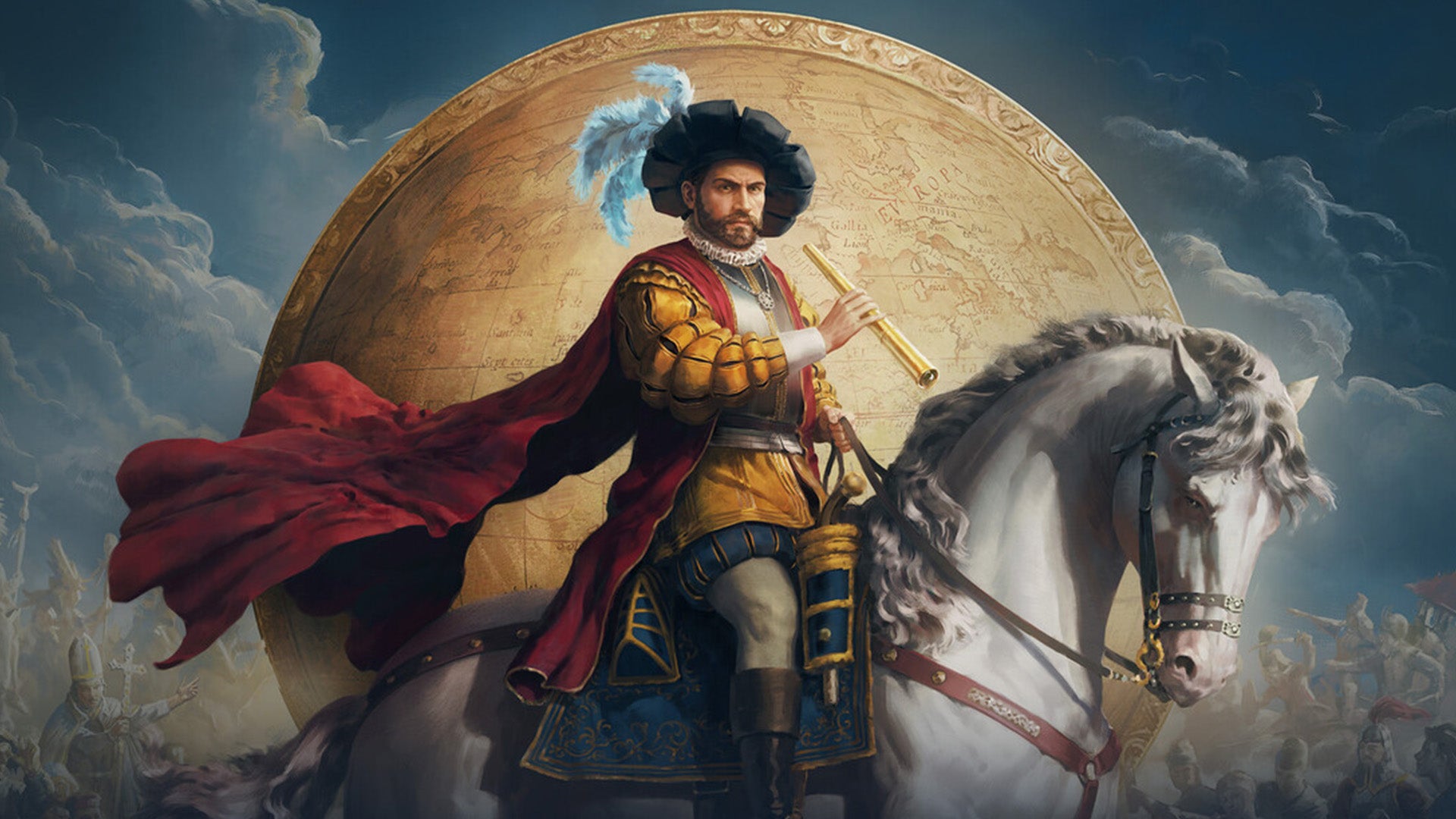
Paradox Tinto has officially ushered in a new era for Europa Universalis V with the release of the 1.2 update, codenamed "Echinades." Touted as the most substantial update in the game’s young life cycle, the patch arrives alongside the title’s first major downloadable content (DLC) expansion. With patch notes spanning an exhaustive 72-page document, the update represents a fundamental shift in how players interact with the complex geopolitical and economic simulations of the early modern period.
From a complete overhaul of Balkan regional mechanics to deep-seated structural changes in the Holy Roman Empire, the Echinades update is designed to move Europa Universalis V toward a more granular, historically nuanced experience.
The Main Facts: A Colossal Shift in Mechanics
The 1.2 "Echinades" update is not merely a collection of balance tweaks; it is a structural renovation. Paradox Tinto has focused heavily on increasing regional depth and systemic complexity, specifically targeting areas of the map that previously felt static or underdeveloped.
At the heart of this update is a comprehensive expansion of the Balkan Peninsula. Players navigating this volatile region will now find over 300 new advances and 150 unique Dynamic Historical Events. These additions serve to provide a more tailored experience for players managing the complexities of Greek and Balkan statecraft, offering new formable nations, specialized government reforms, and a revised system of privileges that impact internal stability.
Beyond geography, the game’s economic engine has undergone a rigorous audit. Trade route logic—a cornerstone of the Europa Universalis series—has been overhauled to better reflect the volatility and complexity of global maritime commerce. The introduction of "Trade Orders" and "Urban Rights" provides players with more agency over their domestic markets, while the "Megalopolis" location rank offers new strategic rewards for players who successfully cultivate massive, high-density urban centers.
Chronology: The Road to Echinades
The development cycle of Europa Universalis V has been characterized by a rapid-fire release strategy aimed at addressing community feedback immediately following the game’s initial launch.
- Initial Launch Phase: Following the release of the base game, players identified areas of the economy and the Holy Roman Empire (HRE) that lacked the depth expected from the series’ legacy.
- Announcement of 1.2: Paradox Tinto teased the Echinades update as a "biggest update yet," emphasizing that the team was listening to long-form critiques regarding the game’s UI and historical accuracy.
- The Beta and QA Phase: Leading up to this week’s release, the developers pushed for extensive community testing, resulting in a staggering 2,000 individual bug fixes—a testament to the scale of the game’s underlying code.
- The Launch of 1.2 and DLC: This week, the update went live on Steam, simultaneously dropping the game’s first major DLC, which centers on the existential struggle of the Byzantine Empire.
Supporting Data: Deep-Dive Into Systemic Changes
To understand the scope of the Echinades update, one must look at the mechanical pillars being altered: The Economy, The Church, and The Empire.
Economic and Trade Revisions
The economic simulation is now more responsive to historical realities. Paradox Tinto has implemented changes to ensure that trade reflects the actual flow of resources in the era. The Maritime Presence mechanics have been deepened, requiring players to not only dominate trade nodes but to actively manage the infrastructure of their ports through the new Urban Rights system.
Religious Overhaul: Orthodoxy and Beyond
Perhaps the most significant change to the religious systems is the reclassification of Patriarchs. No longer abstract entities, they are now fully realized characters. This shift aligns with the broader move in Europa Universalis V to make internal state actors more significant. The Law and Tenet system has been completely reworked, and the transition from "Rite Power" to "Religious Influence" marks a move toward a more dynamic simulation of how religious institutions exerted power over secular rulers.
The Holy Roman Empire (HRE)
The HRE has received a total facelift. The "Imperial Diet" is now a centerpiece of the HRE experience, featuring a refined UI and more transparent decision-making processes. Additionally, the introduction of Imperial Armies provides a more unified way to deal with internal threats, while the revamped Papal Authority system forces players to navigate the precarious relationship between their state’s interests and the dictates of the Vatican.
Official Responses and Developer Philosophy
Paradox Tinto has been transparent about the daunting scale of this update. In their official Steam blog post, the developers emphasized that the 72-page patch note document was a necessary byproduct of their "aggressive refinement" policy.
"We wanted the game to feel alive, not just a series of menu clicks," the developers noted in their post-launch briefing. "By introducing AI Country Personalities and Disposition Systems, we are moving away from the ‘static AI’ tropes that have plagued grand strategy games for years. Now, nations react to your expansion and your diplomatic blunders based on a defined set of historical and strategic preferences."
The inclusion of a sans-serif font accessibility option and a new in-game event viewer also highlights a shift in developer philosophy toward user experience (UX) and accessibility—a welcome change for a genre often criticized for its steep, unintuitive learning curves.
Implications: What This Means for the Player Base
The release of the first major DLC, focusing on the Byzantine Empire, is a clear signal of Paradox’s long-term content strategy. By tying the survival of Byzantium to the new mechanics introduced in 1.2, the developers are ensuring that players interact with the new systems immediately.
The "Crumbling Empire" Narrative
The Byzantine DLC is not just a cosmetic addition; it introduces a high-stakes, asymmetric challenge. For veterans of the series, this is the "hard mode" they have been waiting for. It utilizes the new military logistics systems and the updated diplomatic dispositions to create a scenario where the player is constantly fighting against the clock to prevent historical collapse.
Modding and Longevity
Perhaps the most understated but significant addition is the comprehensive expansion of modding support. With the introduction of 3D City Walls and a more robust event viewer, the modding community now has a more accessible suite of tools. This almost guarantees that the "Echinades" update will serve as the foundation for total-conversion mods for years to come.
The Future of Grand Strategy
The 1.2 update indicates that Europa Universalis V is shedding its "early access" feel. The sheer volume of fixes—2,000 in a single update—suggests that Paradox Tinto is heavily invested in the long-term viability of this title. The shift toward character-driven politics, represented by the Patriarchs and AI dispositions, signals that the future of the Europa Universalis franchise lies in balancing the macro-level geopolitical simulation with micro-level human drama.
For the average player, the update offers a more cohesive, if significantly more complex, experience. Whether you are managing the trade routes of a Mediterranean merchant republic or attempting to stabilize the fractured remnants of the Byzantine Empire, the "Echinades" update has provided the tools necessary to make those actions feel consequential, historically grounded, and deeply engaging.
As the community continues to digest the 72 pages of changes, one thing remains clear: Europa Universalis V is no longer just a successor to its predecessor; it is rapidly becoming its own definitive historical simulation. The "Echinades" era has begun, and it promises a level of depth that will keep players busy for hundreds of hours to come.

 Asro
Asro