Nana Muazin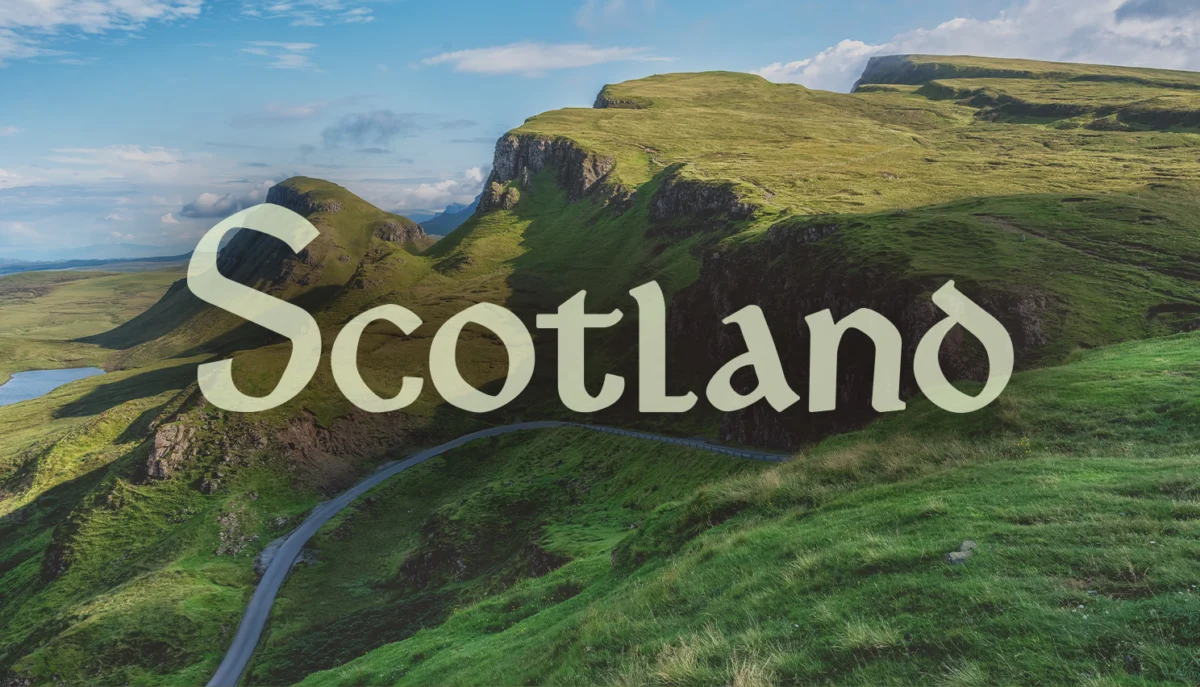
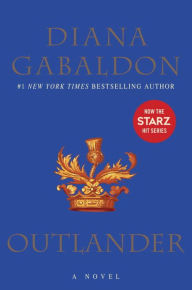
As the beloved Outlander series nears its final chapter, fans are finding themselves at a crossroads. For years, Diana Gabaldon’s epic tale of time travel, historical upheaval, and romance has served as a gateway to the rugged beauty of the Scottish Highlands. Now, as the saga winds down, readers are left with a lingering sense of wanderlust and a yearning for the misty glens and dramatic coastlines that have defined the series.
Whether you are seeking new characters to fall in love with or are currently mapping out a summer itinerary for an Edinburgh excursion, the literary world offers a vast array of portals into the soul of Scotland. From gritty urban realism to ethereal fantasy and essential travel guides, this curated selection will transport you to the North, regardless of whether you are traveling via an armchair or a boarding pass.

The Enduring Allure of the North: Why Scotland Captivates
Scotland has long held a unique position in the global imagination. It is a land defined by dualities: the ancient, brooding silence of the Highlands versus the vibrant, intellectual pulse of Edinburgh and Glasgow. For readers, the country offers a setting that is simultaneously grounded in harsh reality and steeped in folklore.
As the Outlander phenomenon proves, there is an insatiable appetite for narratives that bridge the gap between historical fact and romanticized legend. The following books provide a deeper look into the cultural, historical, and modern identity of this storied nation.
A Chronology of Scottish Narrative
To truly understand the literature of Scotland, one must traverse its timeline. Our selection spans from the Shakespearean era to the 21st century:
- The Medieval & Renaissance Influence: William Shakespeare’s Macbeth remains the cornerstone of Scottish literary tragedy. It serves as a haunting reminder of the country’s turbulent royal history and the intersection of fate, power, and human fallibility.
- The 19th-Century Perspective: Works like Dana Schwartz’s Anatomy: A Love Story bring a gothic, modern lens to 19th-century Scotland, focusing on the dark corners of early medical science and the rigid social hierarchies of the era.
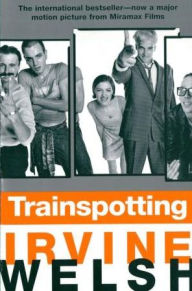
- The 20th-Century Shift: The post-war landscape of Scotland is famously captured in the raw, visceral prose of Irvine Welsh’s Trainspotting. It marks a pivot toward the gritty, working-class realities of urban life in Edinburgh.
- The Contemporary Era: From the Booker Prize-winning Shuggie Bain by Douglas Stuart to the magical realism of Rebecca Ross’s A River Enchanted, contemporary authors are reinterpreting the Scottish experience for a modern audience, blending social critique with high-stakes storytelling.
Supporting Data: The Travel Renaissance
The surge in interest in Scottish literature is intrinsically linked to the "set-jetting" phenomenon—where travelers visit locations depicted in books and television.
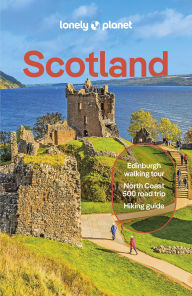
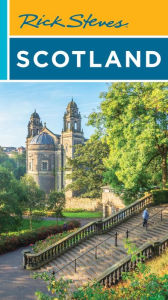
According to recent travel industry trends, Scotland has seen a record-breaking influx of tourists specifically citing literary and cinematic landmarks as their primary motivation for travel. Books like Lonely Planet Scotland and Rick Steves Scotland have become essential companions for this new wave of literary pilgrims. These guides provide more than just directions; they offer historical context that transforms a standard sightseeing trip into an immersive cultural experience.
Top-Rated Guides for the Modern Traveler
- Lonely Planet Scotland: A comprehensive resource for those planning the trip of a lifetime, covering everything from the hidden alleys of Edinburgh to the remote beauty of the Shetland Islands.
- Rick Steves Scotland: A masterclass in efficient, authentic travel. Steves excels at helping readers navigate the "Gothic streets of Edinburgh" while providing practical advice on everything from local transit to essential Scottish slang.
The Human Element: Fiction as a Mirror
Beyond the travel guides, it is the character-driven narratives that anchor the reader’s connection to Scotland.

The Comfort of the Bookshop
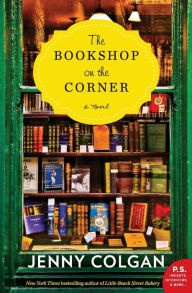
Jenny Colgan’s The Bookshop on the Corner captures the romanticized dream of many readers: trading a high-pressure urban existence for the quiet, transformative power of a small-town life in the Highlands. It is a story about the resilience of the spirit and the ability of a single passion—books—to build a community.
The Complexity of Identity
In contrast, Shuggie Bain offers a stark, poignant look at life in 1980s Glasgow. It is a necessary read for those who wish to understand the socio-economic challenges that have shaped modern Scottish life. It is not an easy read, but it is an essential one, offering a profound empathy for the "on-the-fringes" experience.
Fantasy and Folklore
For those who prefer their Scotland with a dash of magic, A River Enchanted by Rebecca Ross provides a masterclass in world-building. Steeped in Scottish-inspired myth and lore, the novel utilizes nature spirits and elemental magic to explore themes of heritage and belonging. It is an atmospheric journey that proves the Scottish landscape is as much a character as any human protagonist.
Official Perspectives: The Literary Tourism Boom
Tourism boards and cultural organizations have noted the economic and cultural impact of this "book-to-travel" pipeline. Officials from VisitScotland have frequently highlighted that literature serves as a "soft power" tool, enticing international visitors who may otherwise have remained unfamiliar with the nuances of Scottish history and regional geography.

By providing travelers with a narrative framework, these books turn a trip to the Highlands into a quest. Whether it is searching for the real-life inspirations behind the fictional towns in The Lost Queen or walking the same streets depicted in Anatomy, literature provides the emotional scaffolding upon which the travel experience is built.
Implications: The Future of Scottish Literature
As we look to the future, the trend of blending historical fiction with local settings shows no sign of slowing. The success of novels like The Winter Sea and Drayton and Mackenzie suggests that readers are looking for stories that honor the past while grappling with the anxieties of the present.
The implication for readers is clear: the end of the Outlander series is not the end of the journey. Rather, it is an invitation to explore the wider, richer, and more diverse library of Scottish narratives.
A Curated Reading List for Your Next Chapter:
- For the Romantic: When a Scot Ties the Knot by Tessa Dare – A delightful romp that plays with the tropes of the Scottish captain and the anxiety of social expectations.
- For the Thrill-Seeker: Beautiful Ugly by Alice Feeney – A dark, psychological domestic thriller that keeps the reader guessing in a cold, atmospheric setting.
- For the History Buff: The Lost Queen by Signe Pike – A sweeping, lyrical novel that brings ancient Scotland to life with a focus on a forgotten queen.
- For the Literary Purist: Macbeth by William Shakespeare – The definitive text that has shaped the world’s view of Scottish kings and ambition for centuries.
Final Thoughts: The Road Ahead
Whether you are packing your bags for a flight to Edinburgh or simply curling up on the sofa with a warm cup of tea, the literature of Scotland offers a sanctuary. It is a literature of ghosts and grit, of magic and majesty.
As we bid farewell to Jamie and Claire, remember that the Highlands remain. The stones, the glens, and the history are all still there, waiting to be rediscovered through a new pair of eyes. By engaging with these texts, you are not just reading; you are participating in a long-standing tradition of Scottish storytelling that continues to evolve, thrive, and capture the hearts of readers across the globe.
So, choose your next volume, prepare your itinerary, and let the journey continue. The next great Scottish adventure is only a page-turn away.


 Laily UPN
 Evan Lee Salim