Ammar Sabilarrohman
The modern landscape of body image, medical regulation, and social pressure in Japan has birthed a complex and dangerous underground economy. While global interest in GLP-1 receptor agonists—the class of drugs that includes Ozempic, Wegovy, and Mounjaro—has exploded as a medical breakthrough for obesity, Japan has become a cautionary tale of what happens when rapid pharmaceutical demand collides with rigid societal standards and lax digital enforcement.
What was once a niche medical treatment for Type 2 diabetes has transformed into a cultural phenomenon, leading to an illicit trade in weight-loss medications that now thrives in the digital shadows of Tokyo. This crisis sits at the volatile intersection of Japan’s intense aesthetic pressures, a history of drug-related stigma, and the rise of "beauty health" clinics that operate on the fringes of the law.
The Landscape: Why Japan is a Prime Market for Off-Label Use
GLP-1 drugs function by mimicking a hormone that regulates appetite and blood sugar. While they were originally developed to manage the symptoms of diabetes, their potent secondary effect—significant weight loss—has driven a global surge in demand. J.P. Morgan estimates that by 2030, upwards of 30 million Americans will be utilizing GLP-1 therapies.
In Japan, however, the regulatory environment is far more restrictive. While Wegovy is approved for medically supervised weight loss, the criteria for its prescription are stringent. Other GLP-1 medications remain strictly categorized for diabetes management. Despite these legal guardrails, the appetite for these drugs in Japan has not waned; it has simply moved underground.
The driving force behind this demand is a pervasive societal obsession with the "Cinderella Weight"—an archaic and physically unhealthy standard of thinness that pressures women to maintain a body mass index (BMI) significantly lower than what is clinically recommended. Recent data from the health app Asken revealed that over 70% of women under 39, who are already within the standard healthy BMI range of 18.5 to 25, self-identify as "overweight" or "too heavy," with over 90% expressing a desire to lose weight. This intense psychological pressure creates a vacuum that the black market is eager to fill.
A Chronology of the Crisis: From Clinics to the Street
The rise of the illicit GLP-1 trade in Japan did not happen overnight. It is the result of a multi-year trend toward the medicalization of beauty.
- 2014–2020: The Foundation of Misuse: As weight-loss drugs gained international traction, Japanese online clinics began to capitalize on the lack of clear guidelines for "off-label" prescribing. "Beauty health" consultations became a booming industry, often prioritizing profit over patient safety.
- 2022: The Warning Signs: The number of complaints filed with consumer protection agencies regarding weight-loss medications—specifically regarding the lack of disclosure about side effects—increased by 4.2 times compared to the previous year.
- 2023–2024: Legislative Response and Failure: The Japanese government amended the Medical Care Act, mandating that physicians conduct thorough medical histories and discouraging prescriptions during initial online consultations. However, the enforcement of these laws has been inconsistent, allowing "fly-by-night" clinics to continue operating with impunity.
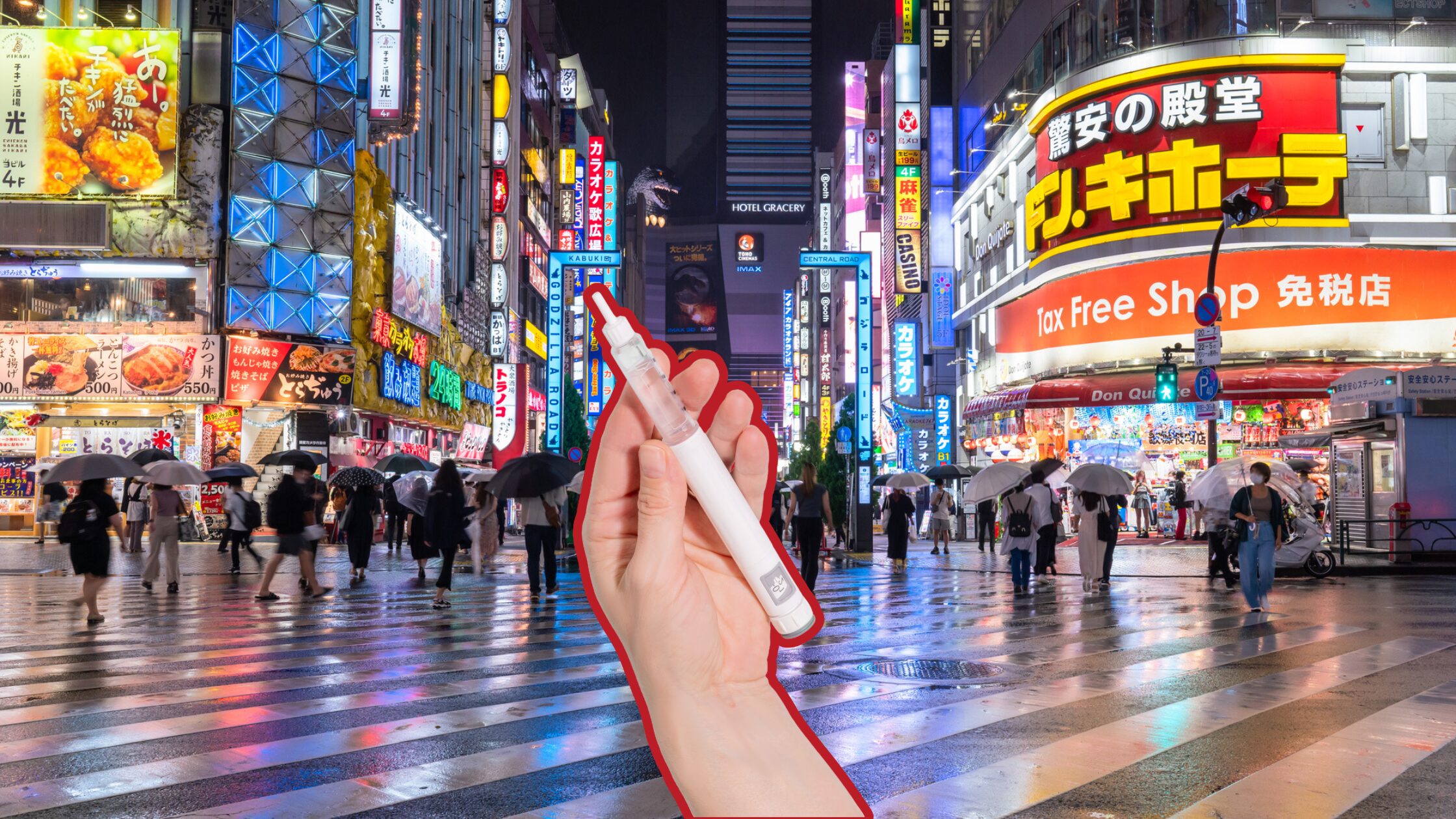
- 2025–2026: The "Toyoko" Black Market: The trade has moved from the screen to the streets. The "Toyoko" area in Kabukicho—a notorious hub for displaced youth—has become a focal point for the distribution of these drugs. Pills are now traded via encrypted messaging apps, Chinese-language social media platforms, and through direct sales on X and TikTok.
Supporting Data: The Cost of Perfection
The economics of this underground trade are stark. A 30-day supply of Rybelsus (semaglutide) can be procured on the black market for approximately 7,000 yen ($44 USD). For the youth frequenting the Toyoko area, this price is often paid through extreme personal sacrifice.
Reports from tabloid media such as FRIDAY highlight harrowing accounts of teenagers engaging in survival sex work to fund their access to these medications. The desperation to meet the "Cinderella Weight" standard has led many to prioritize these pills over basic necessities, creating a cycle of dependency that is as much about social survival as it is about physical health.
Furthermore, the lack of medical oversight leads to dangerous usage patterns. Because these drugs are not being taken under the supervision of a licensed physician, many users are self-administering double or triple the recommended doses, hoping to accelerate weight loss. This has resulted in a surge of reported side effects, including severe nausea, chronic vomiting, and the potential for long-term metabolic disruption.
Official Responses: A Regulatory "Cat and Mouse" Game
The Japanese government has acknowledged the severity of the issue, but their response has been largely reactive. The Ministry of Health, Labour and Welfare (MHLW) has issued warnings regarding the risks of purchasing pharmaceuticals through unauthorized online channels. However, the digital nature of the trade makes it difficult for authorities to police effectively.
The government’s previous attempts to manage the illicit use of over-the-counter (OTC) medications—such as the ill-fated anti-overdose campaigns regarding cough suppressants like Mejikon—serve as a grim precursor. Much like the current GLP-1 crisis, the issue with Mejikon highlighted a tendency for young people in Japan to seek out pharmaceutical "quick fixes" to manage mental health struggles or social anxieties, often with devastating consequences.
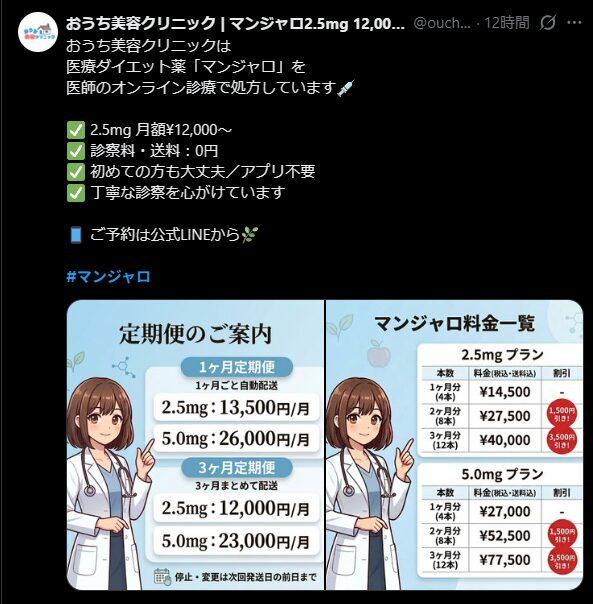
Regulatory bodies have attempted to tighten the screws on online clinics by requiring stricter verification processes. However, these clinics often pivot, utilizing anonymous domains and shifting platforms to evade detection. As long as the profit margins on weight-loss medications remain high and the social stigma against being "overweight" persists, the incentive for these illicit clinics to ignore the law remains overwhelming.
The Broader Implications: A Society in Flux
The GLP-1 crisis in Japan is a symptom of a much deeper malaise. It reflects a culture where the individual’s worth is often tied to their adherence to rigid aesthetic and social norms. When the traditional, healthy, and natural means of maintaining one’s health are insufficient to meet these unattainable standards, individuals look to the chemical.
The Erosion of Medical Trust
When clinics prioritize profit by prescribing potent medication to individuals who do not medically require it—such as the woman who, despite being 47 kilograms, sought out multiple clinics until she found one willing to prescribe her pills—it erodes public trust in the medical establishment. This creates a dangerous precedent where pharmaceuticals are viewed as lifestyle accessories rather than critical health tools.
The Vulnerability of Youth
The most alarming aspect of this trend is the targeting of young, vulnerable populations. By marketing these drugs on platforms like TikTok and X, the illicit trade has brought dangerous substances into the pockets of teenagers. The intersection of this trade with sex work and substance abuse in areas like Toyoko paints a bleak picture of the support systems currently available for at-risk youth.
The Future of Regulation
Moving forward, Japan faces a critical challenge. Simply banning the drugs or the clinics will not address the underlying demand. A holistic approach is required: one that combines strict, enforceable digital regulation with a serious public health conversation about body image, the dangers of disordered eating, and the importance of mental health support.
The story of Japan’s GLP-1 black market is more than a story about pills; it is a story about the cost of conformity. Until the pressure to fit into a narrow, manufactured ideal of beauty is dismantled, the market for these substances will continue to thrive, regardless of the laws passed to stop it. As the country moves toward 2030, the question remains: will Japan address the root causes of this crisis, or will it continue to treat the symptoms while the systemic issues remain ignored?


 Neng Nana
 Asro
Asro