
 Basiran
Main Facts: The Anticipated Return of a Michelin-Starred Pioneer
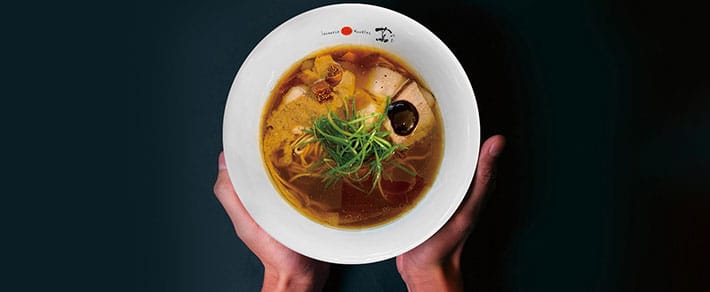
The global culinary community has long looked to Tokyo as the epicenter of ramen innovation, and for years, one name has stood above the rest: Japanese Soba Noodles Tsuta. After a hiatus that left a void in the city’s vibrant food scene, the legendary institution officially announced its grand reopening on February 10, 2023. Nestled in the stylish, refined neighborhood of Yoyogi-Uehara in Tokyo’s Shibuya Ward, the new flagship location promises to revitalize the brand’s reputation as the world’s first Michelin-starred ramen shop.
Operated by Tsutanote, Inc., the shop’s return is not merely a reopening; it is a reinvention. While the original establishment made history in 2016 by earning a Michelin star—a feat previously thought impossible for a casual noodle shop—the new iteration aims to push the boundaries of "umami" even further. By fusing traditional Japanese craftsmanship with global culinary trends, Tsuta continues to assert that ramen is not just a quick meal, but a sophisticated art form capable of limitless evolution.
Chronology: From Sugamo to Global Stardom
The story of Tsuta is one of steady, calculated ascent. To understand the gravity of its 2023 reopening, one must look back at the origins of this transformative brand.

- January 26, 2012: Tsuta opens its doors in Sugamo, Tokyo. Founded by Chef Yuki Onishi, the shop was built on a philosophy of purity. The name "Japanese Soba Noodles" was a deliberate choice, intended to elevate ramen to the status of Japan’s historical noodle pillars—soba and udon—while acknowledging that ramen, despite its relatively young 100-year history, had become the country’s most representative dish.
- 2016: Tsuta achieves the unthinkable. It becomes the first ramen shop in history to receive a star from the Michelin Guide, putting the spotlight on the meticulous craft of broth-making and hand-selected ingredients.
- September 2022: To the shock of the culinary world, the shop abruptly closes its doors. The management cited "various reasons," leaving the future of the brand in a state of uncertainty.
- January–February 2023: After months of speculation, Tsutanote, Inc. confirms the relocation and reopening of the flagship store in Yoyogi-Uehara, signaling a new chapter for the brand.
Supporting Data: The Philosophy of Chemical-Free Perfection
What distinguishes Tsuta from the thousands of other ramen shops in Tokyo is its uncompromising commitment to ingredient integrity. In an industry where synthetic flavor enhancers (MSG) are often used to bridge the gap between mediocre and "addictive" broth, Tsuta has remained staunchly chemical-free.
The restaurant’s operational model is built on a direct-to-producer supply chain. By working closely with local farmers and artisanal suppliers, the kitchen ensures that every element—from the house-made noodles to the complex, layered broth—is crafted from raw, natural components.
The menu, which is undergoing a comprehensive update for the Yoyogi-Uehara location, focuses on the concept of "umami fusion." This involves:

- Global Sourcing: Integrating high-quality ingredients from international markets that harmonize with traditional Japanese base stocks.
- Structural Evolution: The broth bases are being refined to achieve higher clarity and depth without the need for artificial additives.
- Sustainability: The commitment to chemical-free sourcing extends to the environment, as the shop continues to push for a more sustainable supply chain within the Japanese restaurant industry.
Official Responses and Culinary Implications
The closure and subsequent reopening of Tsuta have sparked intense discussion regarding the sustainability of "star-level" ramen. Running a Michelin-starred kitchen is notoriously demanding, often requiring chefs to work under immense pressure to maintain consistency.
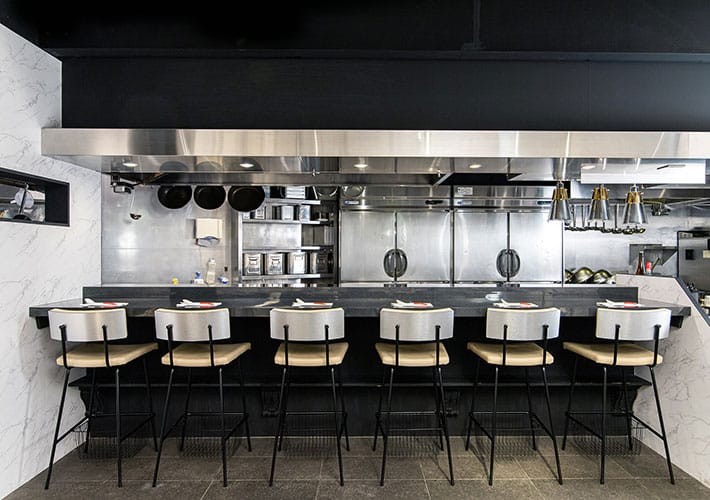
In official statements, Tsutanote, Inc. has emphasized that the transition to the Yoyogi-Uehara neighborhood was necessary to accommodate a new, more "unconventional" approach to service and space. The new layout is designed to prioritize the customer experience, moving away from the traditional, hurried "eat-and-go" atmosphere of common ramen shops. Instead, the design encourages a more deliberate, sensory-focused engagement with the meal.
"Our goal has always been to show that ramen is a boundless medium," a spokesperson for the group stated. "By moving to a new space, we are not just reopening a shop; we are creating an environment where the creativity of our chefs is not constrained by the old, traditional norms of the ramen industry."
Implications for the Ramen Industry
The return of Tsuta carries significant weight for the broader culinary landscape in three distinct ways:
1. The Elevation of Casual Dining
Tsuta’s success proves that the divide between "fine dining" and "street food" is increasingly porous. By setting the standard for excellence in the ramen category, they have forced the industry to reconsider the value of artisanal technique in low-cost dishes.
2. The Yoyogi-Uehara Effect
By moving from the older, more traditional Sugamo district to the trendy, boutique-heavy Yoyogi-Uehara, Tsuta is signaling a shift toward a more lifestyle-oriented demographic. This move reflects a broader trend in Tokyo, where high-end food brands are integrating themselves into neighborhoods that prioritize aesthetic, community-centric dining experiences over sheer volume of customers.
3. The Future of "Umami"
The restaurant’s new menu, which heavily emphasizes global fusion, suggests that the next generation of ramen will rely less on regional Japanese tradition and more on a "globalized palate." As the shop experiments with ingredients that were previously considered "un-ramen," it risks alienating purists but potentially gains a new audience of international food enthusiasts who value innovation over historical accuracy.
A Vision for the Future
As food lovers queue up in Yoyogi-Uehara, they are participating in the continuation of a legacy that redefined a staple. The "Tsuta Experience" is no longer just about the bowl in front of you; it is about the intersection of a century of noodle history and the future of gastronomy.
The restaurant’s commitment to chemical-free, high-quality ingredients serves as a silent rebuke to the mass-produced, convenience-first food culture that has dominated much of the fast-casual sector. By choosing to prioritize the health of the consumer and the quality of the raw material, Tsuta has cemented its role as a beacon of integrity.
Whether one is a long-time admirer of Chef Onishi’s work or a newcomer drawn by the allure of the Michelin star, the reopening of Japanese Soba Noodles Tsuta is a reminder that excellence, when paired with innovation, never truly stays hidden for long. The shop remains a testament to the idea that even in a bowl of soup, there is a world of possibilities waiting to be explored.
Shop Information & Logistics
For those planning to visit the new location in Yoyogi-Uehara, it is advised to check official social media channels for real-time updates regarding reservations and waitlist procedures, as the shop’s popularity often leads to significant demand.
- Location: Yoyogi-Uehara, Shibuya Ward, Tokyo.
- Operating Philosophy: Chemical-free, artisanal, globally-inspired ramen.
- Status: Open for service as of February 10, 2023.
Reported by the grape Japan editorial staff.


 Neng Nana
 Asro
Asro





