


In the vast, interconnected multiverse of PC gaming, few franchises occupy as distinct a space as Valve’s Half-Life and Square Enix’s Life is Strange. The former is a hallmark of sterile, high-stakes science fiction and precise first-person shooter mechanics, while the latter is a narrative-driven pillar of teenage melodrama, supernatural intrigue, and emotional resonance. Yet, in a testament to the enduring creativity of the modding community, these two disparate worlds have collided.
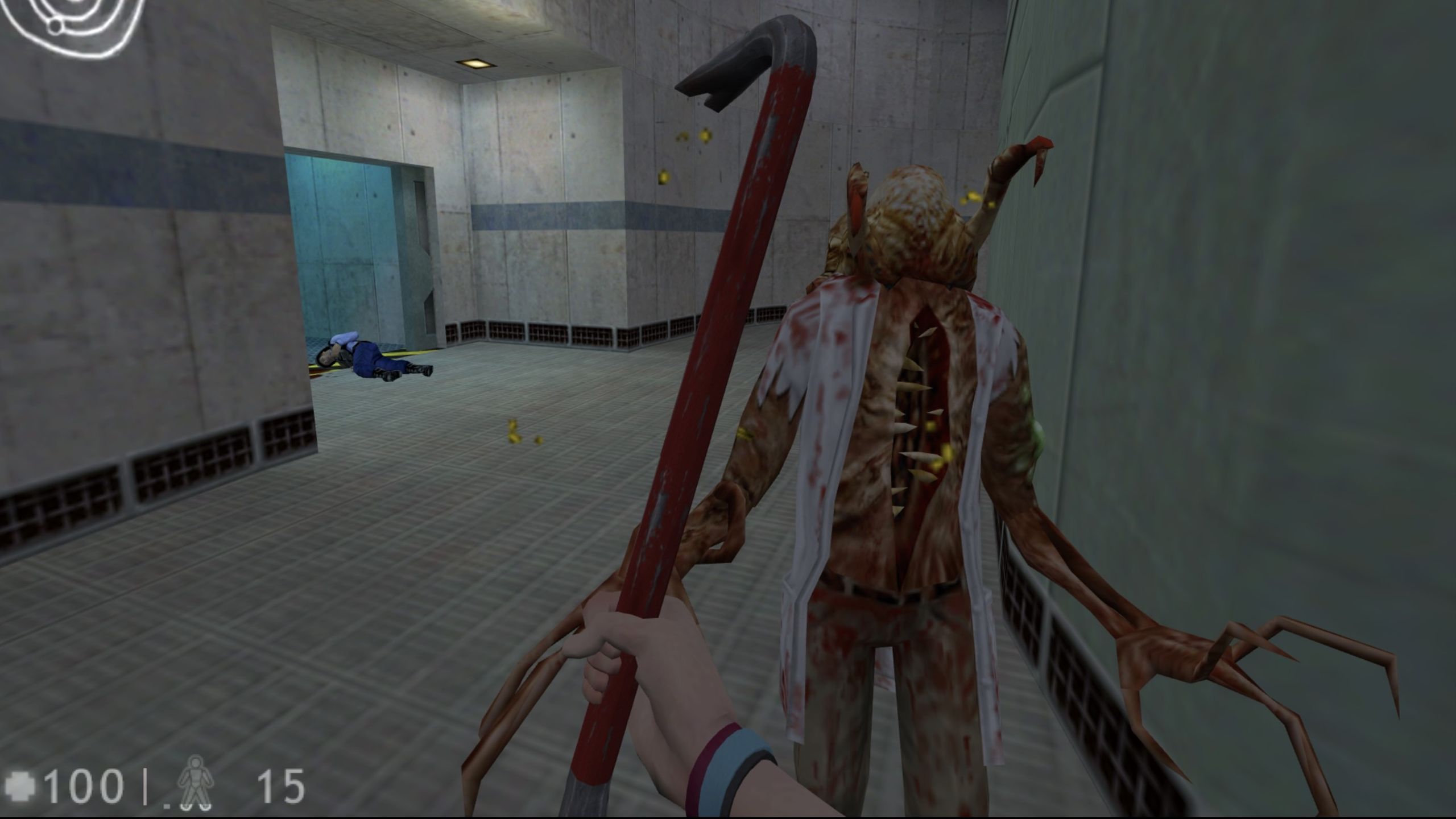
Modder ThePriceFielder has unveiled Half-Life is Strange, a project that swaps the stoic theoretical physicist Gordon Freeman for Max Caulfield, the photography-obsessed protagonist of Life is Strange. By injecting the mechanics of time-manipulation into the claustrophobic corridors of Black Mesa, the mod challenges the conventions of the boomer shooter, proving that even the most hardened sci-fi environments can benefit from a touch of angsty adolescence.
The Core Concept: A Paradigm Shift for Black Mesa
At its heart, Half-Life is Strange is more than a simple character swap. While the visual replacement of Freeman with Max Caulfield is the immediate hook, the mod’s true innovation lies in its integration of core gameplay mechanics. The project features a functional "time rewind" system—a signature element of Max’s repertoire—allowing players to manipulate the flow of time within the Half-Life engine.
This mechanic fundamentally alters how one approaches the game’s notorious difficulty spikes. Where a typical Half-Life player might rely on quick-saves and brute force to survive an encounter with HECU marines, the Half-Life is Strange player can experiment with temporal shifts. The mod retains the iconic "chalk-sketch" tooltips from the Life is Strange series, which appear over interactable objects, creating a seamless visual synthesis between the lo-fi aesthetic of 1998’s Half-Life and the hand-drawn artistic flourishes of Dontnod Entertainment’s narrative hit.
Chronology of Development: From Concept to Viral Sensation
The project, which recently gained significant traction on platforms like Reddit and ModDB, represents an ongoing labor of love. While the developer has not yet provided a concrete release date, the trajectory of the mod suggests a highly iterative process.
- Conceptualization: The initial spark, seemingly born from the absurdity of placing a teenager in a subterranean research facility, led to the fundamental restructuring of the Half-Life character controller.
- Asset Integration: Early development focused on porting the Max Caulfield model and integrating the distinctive user interface elements of Life is Strange.
- Mechanical Implementation: The most challenging phase involved scripting the time-rewind ability within the GoldSrc engine. This required deep-level manipulation of the game’s save-state logic to allow for "rewinds" without crashing the engine.
- Community Reveal: Following a viral trailer release, the project transitioned from a personal hobby to a highly anticipated community endeavor, drawing praise for its unexpected tonal cohesion.
Supporting Data: Why This Mod Resonates
The appeal of Half-Life is Strange is not merely ironic. It taps into a growing trend in the modding scene: the "crossover total conversion." Historically, mods like Black Mesa sought to modernize the original experience, but current trends—such as the aforementioned Diffusion or the Half-Life lemming-rescue mod—focus on subverting the established narrative.
The mod succeeds because it highlights the mechanical rigidity of Half-Life while simultaneously humanizing it. In the trailer, the sight of Max dispatching soldiers with a crowbar, punctuated by the defiant line, "Don’t mess with Max, bitches," serves as a stylistic turning point. It suggests that the future of the Life is Strange franchise—or at least the fan-fiction interpretation of it—could lean into high-octane action without losing the character’s core identity.
The Implications of Cross-Franchise Modding
The existence of this mod raises significant questions about the future of intellectual property and community creativity. Valve has historically fostered a pro-modding culture, a policy that effectively birthed Counter-Strike, Dota, and Team Fortress. By allowing modders to dismantle and rebuild their titles, Valve ensures that their games remain evergreen.
However, Half-Life is Strange represents a more complex intersection. It involves a third-party intellectual property (Life is Strange) being imported into a Valve-owned ecosystem. While this is common in the modding world, it serves as a reminder of the power of "fan-canon." When players can force a character into a world where they were never intended to exist, it changes the way we perceive both the narrative of the guest character and the environment of the host game.
Furthermore, the mod provides a case study for "mechanical translation." How do you translate a narrative-heavy, choice-based power (time travel) into a linear, action-heavy game (a corridor shooter)? ThePriceFielder’s success in doing so suggests that the boundaries between genres are increasingly permeable.
Future Outlook and Community Impact
As Half-Life is Strange continues to develop, it is worth noting the broader landscape of the Half-Life modding community. We are currently in a "golden age" of source-engine modification. Projects like Diffusion, which has moved toward professional-grade voice acting to replace AI-generated audio, indicate that the community is striving for a level of polish that rivals official DLC.
For those interested in the evolution of this specific project, the ModDB page remains the primary hub for updates. The developer’s commitment to refining the time-rewind mechanic suggests that the final product will be more than a visual mod—it will be a gameplay experiment.
Other Notable Mentions in the Modding Scene
If the premise of Half-Life is Strange appeals to your sense of gaming history, the following mods are currently setting the standard for the community:
- The Rescue Mod: Allows players to save scientists and guards in a way that mimics Lemmings, turning a lonely solo mission into a tactical escort challenge.
- Diffusion: A massive, 10-year-in-the-making total conversion that has recently shifted to human voice acting, proving that scope and ambition are still alive in the modding world.
Conclusion: A New Lens on an Old Facility
Half-Life is Strange is a fascinating case study in how gaming communities refuse to let classics stagnate. By inserting Max Caulfield into the Black Mesa incident, ThePriceFielder has done more than just create a funny mashup; they have invited players to look at a 25-year-old game through an entirely new lens.
Whether this mod eventually receives a full, polished release or remains a tantalizing "what-if" prototype, it serves its purpose. It reminds us that games are not fixed, immutable objects. They are playgrounds, and as long as there is a modding tool and a bit of imagination, the boundaries of Black Mesa—and the stories we tell within them—will continue to expand. Max Caulfield may not have been part of the original G-Man’s plan, but she is certainly making her mark on the facility now.












No comments yet. Be the first to join the conversation!